Legislative Activity
Track Pete's sponsored bills, co-sponsored legislation, and voting record
This resolution expresses support for designating November 16, 2025, as "National Warrior Call Day" to encourage vital peer-to-peer connection and support for members of the Armed Forces and veterans.
Jeanne Shaheen
Senator
NH
Jeanne Shaheen
Senator
NH
This resolution expresses support for designating November 16, 2025, as "National Warrior Call Day" to combat isolation and suicide among service members and veterans. It encourages all Americans to reach out and connect with those who have served to strengthen vital support structures. The day aims to foster peer-to-peer connection as a critical step in addressing the mental health challenges faced by our military community.
This resolution condemns the assassination of Charlie Kirk while honoring his life, legacy, and commitment to civil discourse on college campuses.
Mike Lee
Senator
UT
Mike Lee
Senator
UT
This resolution formally condemns the assassination of Charlie Kirk and honors his life and legacy as a devoted husband, father, and founder of Turning Point USA. It recognizes his commitment to encouraging civil discourse on college campuses across the nation. The Senate also extends its deepest sympathies to his surviving family.
The STUDENT Act mandates that student loan lenders must disclose the total interest a borrower will pay under the standard repayment plan in their loan disclosures.

Joni Ernst
Senator
IA
Joni Ernst
Senator
IA
The STUDENT Act mandates that student loan lenders must now clearly disclose the total amount of interest a borrower will pay over the life of the loan. This calculation must be based on the standard repayment plan for the borrower's total outstanding principal balance. The goal is to provide borrowers with greater transparency regarding the full cost of their student loans.
This Act establishes a system of automatic, 14-day continuing appropriations to prevent government shutdowns while imposing travel and procedural restrictions on Congress and federal employees during funding lapses.

James Lankford
Senator
OK
James Lankford
Senator
OK
The Prevent Government Shutdowns Act of 2025 establishes an automatic, 14-day continuing funding mechanism to keep federal programs operational if Congress fails to pass a full budget by the start of the fiscal year. This automatic funding continues in two-week increments until a final budget is enacted, while simultaneously imposing strict travel and procedural limitations on Congress and federal employees during these lapses. The Act is designed to prevent government shutdowns by ensuring continuity of essential services while incentivizing timely budget passage.
This bill establishes a Veterans Experience Office within the VA, mandates quarterly budget briefings for Congress, and places new restrictions on executive bonuses.
Dan Sullivan
Senator
AK
Dan Sullivan
Senator
AK
The Protecting Regular Order for Veterans Act of 2025 mandates quarterly budget briefings for Congress by the VA Secretary and places new restrictions on critical skills bonuses for senior executives. Additionally, the bill establishes a new Veterans Experience Office, reporting directly to the Secretary, tasked with improving beneficiary satisfaction and reporting on customer feedback data to Congress. This new office will sunset on September 30, 2028, following a review by the Comptroller General.
The LETITIA Act establishes significantly enhanced mandatory minimum penalties for public officials convicted of federal financial crimes like bank fraud, loan application fraud, and tax fraud.

John Cornyn
Senator
TX
John Cornyn
Senator
TX
The LETITIA Act significantly increases criminal penalties for public officials who commit financial crimes, including bank fraud, lying on loan applications, and tax fraud. This legislation establishes mandatory minimum sentences and higher fines that escalate based on the number of prior offenses committed by the official. Furthermore, it directs the Department of Justice and the Department of the Treasury to issue guidance ensuring rigorous investigation and enforcement of these enhanced statutes against public servants.
This resolution solemnly marks the anniversary of the attempted assassination of President Trump, condemns political violence, and honors the victims and first responders involved.
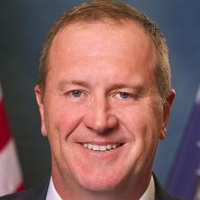
Eric Schmitt
Senator
MO
Eric Schmitt
Senator
MO
This resolution solemnly marks the one-year anniversary of the attempted assassination of former President Donald J. Trump. It condemns the multiple attempts against his life and other political officials, while honoring the victims and first responders involved in the July 2024 shooting. The measure further calls for an end to the incitement of political violence that threatens the democratic process.
This Act strengthens federal procurement of biobased products, clarifies related definitions, and establishes a USDA task force to promote domestic biomanufacturing and rural economic growth.

Elissa Slotkin
Senator
MI
Elissa Slotkin
Senator
MI
The Biomanufacturing and Jobs Act of 2025 aims to strengthen the domestic biobased products industry by increasing federal procurement of items made from renewable farm materials. The bill updates definitions, enhances reporting and accountability for federal purchasing programs, and establishes a new USDA Biobased Task Force to coordinate efforts. Ultimately, this legislation seeks to boost rural economies, reduce reliance on oil, and promote American biomanufacturing.
This bill prohibits non-citizens from voting in District of Columbia elections and repeals the Local Resident Voting Rights Amendment Act of 2022.
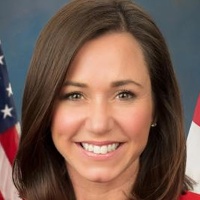
Katie Britt
Senator
AL
Katie Britt
Senator
AL
This bill prohibits non-U.S. citizens from voting in any election within the District of Columbia. It also repeals the Local Resident Voting Rights Amendment Act of 2022, effectively undoing that prior legislation. The measure ensures that only citizens can participate in D.C. local elections and ballot initiatives.
This bill officially renames the Endangered Species Act of 1973 to the Endangered Species Recovery Act.
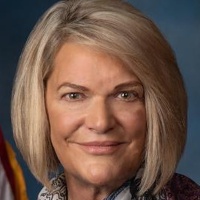
Cynthia Lummis
Senator
WY
Cynthia Lummis
Senator
WY
The Endangered Species Recovery Act of 2025 officially renames the foundational Endangered Species Act of 1973 to the Endangered Species Recovery Act. This change is purely titular, meaning all existing laws and regulations will now reference the new title. The bill ensures consistency by updating all official government documents to reflect the new name immediately.
Kate's Law increases mandatory minimum prison sentences for aliens unlawfully present who commit serious crimes and for aliens who illegally reenter the U.S. after prior removal.
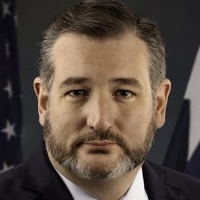
Ted Cruz
Senator
TX
Ted Cruz
Senator
TX
Kate's Law increases penalties for illegal entry into the U.S. by individuals who are later convicted of serious crimes. The bill mandates a minimum five-year sentence for illegal entry if the person is subsequently convicted of a crime punishable by over one year in prison. Furthermore, it significantly increases prison sentences, including mandatory minimums, for aliens who illegally reenter the U.S. after being previously removed.
The Veterans ACCESS Act of 2025 strengthens the Veterans Community Care Program and overhauls mental health services to ensure veterans receive timely, accessible, and high-quality care through improved standards, expanded provider options, and increased VA accountability.

Jerry Moran
Senator
KS
Jerry Moran
Senator
KS
The Veterans’ ACCESS Act of 2025 aims to improve healthcare delivery by establishing clear, enforceable wait-time standards for both VA and community care. The legislation mandates faster access to mental health and substance abuse treatment, introduces a streamlined appeals process, and requires new digital tools to help veterans manage their care. By increasing transparency and accountability, the bill seeks to reduce administrative barriers and ensure veterans receive timely, high-quality support.
The DAIRY PRIDE Act ensures that food products sold across state lines using standardized dairy names like "milk" or "cheese" actually meet the official FDA standards for those dairy products.

Tammy Baldwin
Senator
WI
Tammy Baldwin
Senator
WI
The DAIRY PRIDE Act aims to ensure food products labeled as "milk," "cheese," or other standardized dairy terms actually meet established definitions. This legislation prevents companies from selling non-dairy items across state lines using official dairy names unless they meet strict ingredient and sourcing standards. The FDA is required to quickly issue new guidance on enforcing these labeling requirements.
This bill establishes strict deadlines and an automatic approval mechanism for the EPA when reviewing state applications to take over primary enforcement of Class VI carbon sequestration wells.
Dan Sullivan
Senator
AK
Dan Sullivan
Senator
AK
The Primacy Certainty Act of 2025 aims to streamline and accelerate the process for states to gain primary enforcement responsibility for regulating Class VI carbon sequestration wells under the Safe Drinking Water Act. The bill imposes strict, short deadlines on the EPA for reviewing state applications, including an automatic approval provision if the agency fails to act within 210 days under certain conditions. It also mandates EPA support for states preparing their applications and requires the agency to report on the resources needed to implement these changes.
This Act allows taxpayers who have lost or had their original tax refund check stolen to elect to receive the replacement refund via direct deposit.

Marsha Blackburn
Senator
TN
Marsha Blackburn
Senator
TN
The Recovery of Stolen Checks Act allows taxpayers whose original IRS refund check was lost or stolen to elect to receive their replacement refund via direct deposit. This change provides an alternative to receiving a second paper check for the lost funds. The Treasury Department must establish the necessary procedures for this election.
This bill seeks to restructure the National Education Association by restricting its political activities, altering membership and dues collection for government employees, and imposing strict operational and ideological requirements.
Cynthia Lummis
Senator
WY
Cynthia Lummis
Senator
WY
This bill, the STUDENT Act, seeks to fundamentally restructure the National Education Association (NEA) due to Congress's findings that it has become a partisan political entity rather than an educational organization. It imposes strict new requirements on membership dues collection from government employees, bans the organization from engaging in political activities, and prohibits it from promoting certain ideological beliefs in schools. Furthermore, the Act repeals a specific federal property tax exemption currently enjoyed by the organization in the District of Columbia.
This Act promotes private employee ownership by extending tax deferrals for S corporation ESOP sales, establishing Treasury and Labor support offices, and ensuring ESOP-owned businesses retain small business eligibility.
Steve Daines
Senator
MT
Steve Daines
Senator
MT
The Promotion and Expansion of Private Employee Ownership Act of 2025 aims to significantly boost employee ownership in S corporations through Employee Stock Ownership Plans (ESOPs). This bill extends crucial tax deferral benefits for stock sales to ESOPs and establishes new offices within the Treasury and Labor Departments to provide technical assistance and advocacy. Furthermore, it amends the Small Business Act to ensure ESOP-owned businesses do not automatically lose small business status when they transition to majority employee ownership.
This act mandates that HUD and USDA create a joint agreement to streamline environmental reviews and processes for housing projects funded by both agencies.
Jerry Moran
Senator
KS
Jerry Moran
Senator
KS
The Streamlining Rural Housing Act of 2025 directs the Departments of Housing and Urban Development (HUD) and Agriculture (USDA) to create a joint agreement to coordinate environmental reviews for housing projects they jointly fund. This aims to eliminate redundant processes by establishing a lead agency and allowing for the mutual acceptance of environmental documentation. The bill also mandates the creation of an advisory group composed of various housing stakeholders to ensure efficient implementation without compromising resident safety or environmental standards.
This Act limits the Consumer Financial Protection Bureau's authority over entities already regulated by state insurance regulators concerning the business of insurance.

Tim Scott
Senator
SC
Tim Scott
Senator
SC
The Business of Insurance Regulatory Reform Act of 2025 clarifies and limits the authority of the Consumer Financial Protection Bureau (CFPB) over entities already regulated by state insurance authorities. This bill specifically restricts the CFPB's ability to enforce federal consumer protection rules against state-regulated insurers operating within the business of insurance. The legislation ensures that state insurance regulators maintain primary oversight for these entities.
This resolution officially designates July 26, 2025, as the "National Day of the American Cowboy" to honor the enduring legacy and contributions of cowboys and cowgirls to American culture and history.
John Barrasso
Senator
WY
John Barrasso
Senator
WY
This resolution officially designates July 26, 2025, as the "National Day of the American Cowboy." It recognizes the historical and ongoing contributions of cowboys and cowgirls, celebrating the values of honesty, courage, and hard work they represent. The bill encourages all Americans to observe this day with appropriate ceremonies honoring this vital part of American culture.