Legislative Activity
Track Delia's sponsored bills, co-sponsored legislation, and voting record
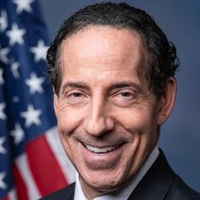
The Truth in Tariffs Act requires businesses, excluding small businesses, to clearly display the portion of a product's price attributable to covered tariffs imposed on or after January 20, 2025.
Jamie Raskin
Representative
MD
Jamie Raskin
Representative
MD
The Truth in Tariffs Act mandates that businesses clearly display the portion of a product's price attributable to "covered tariffs" imposed on or after January 20, 2025. This transparency requirement applies to sales made 30 days after enactment, excluding small business concerns. The Federal Trade Commission (FTC) is tasked with enforcement, treating non-compliance as an unfair or deceptive business practice.
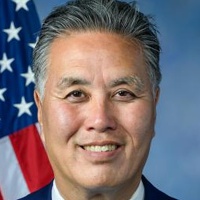
The VA Employee Fairness Act of 2025 streamlines collective bargaining rules for Veterans Health Administration employees by modifying existing statutes while preserving the Secretary's authority regarding incentive pay and expedited hiring.
Mark Takano
Representative
CA
Mark Takano
Representative
CA
The VA Employee Fairness Act of 2025 modifies the collective bargaining rules for employees of the Veterans Health Administration (VHA) by streamlining existing statutes. This act removes outdated subsections related to bargaining and renumbers the remaining relevant section. Importantly, these changes do not affect the Secretary of Veterans Affairs' existing authority regarding incentive pay or expedited hiring processes.
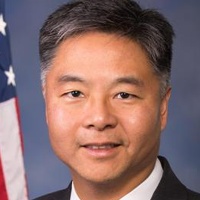
This Act prohibits the advertising and provision of paid conversion therapy intended to change an individual's sexual orientation or gender identity, empowering the FTC and State Attorneys General to enforce these prohibitions.
Ted Lieu
Representative
CA
Ted Lieu
Representative
CA
The Therapeutic Fraud Prevention Act of 2025 declares that practices attempting to change an individual's sexual orientation or gender identity for payment constitute an unfair and deceptive business practice. Citing professional consensus on the ineffectiveness and harm of such "conversion therapy," the bill prohibits its provision and advertising. Enforcement authority is granted to the Federal Trade Commission (FTC), and the law allows both the U.S. Attorney General and State Attorneys General to file civil actions against violators.
This act establishes research grants and training programs to develop and implement PFAS-free, next-generation turnout gear to protect firefighters from occupational illness and injury.
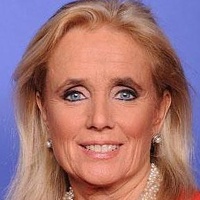
Debbie Dingell
Representative
MI
Debbie Dingell
Representative
MI
The PFAS Alternatives Act aims to protect firefighters by funding research and development for next-generation turnout gear that eliminates harmful PFAS chemicals. The bill establishes grants through NIOSH to create safer, PFAS-free protective equipment and separate funding for training programs on the proper care of this new gear. Ultimately, this legislation seeks to reduce occupational illness and injury among fire and EMS personnel.
This Act expands the Occupational Safety and Health Act (OSHA) to explicitly cover all public employees of the United States, states, and local governments.
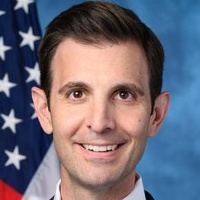
Chris Deluzio
Representative
PA
Chris Deluzio
Representative
PA
The Public Service Worker Protection Act expands the Occupational Safety and Health Act (OSHA) to explicitly cover all public employees, including those working for federal, state, and local governments. This change brings public sector workers under the general protections afforded by OSHA. While the expansion takes effect generally within 90 days, states without an existing OSHA plan are given a three-year transition period before federal oversight applies to their employees.
The Fairness to Freedom Act of 2025 establishes a guaranteed right to a government-funded attorney for all individuals in immigration proceedings and creates an independent Office of Immigration Representation to administer this defense system.
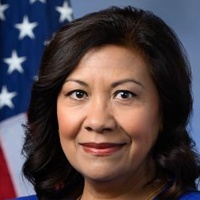
Norma Torres
Representative
CA
Norma Torres
Representative
CA
The Fairness to Freedom Act of 2025 establishes a guaranteed, government-funded right to counsel for all individuals in immigration proceedings who cannot afford a lawyer. It creates an independent Office of Immigration Representation to manage and deliver this high-quality legal defense across the country. Furthermore, the bill ensures this new system is adequately funded by tying its minimum budget to the scale of federal immigration enforcement spending.
The SHIELD Act establishes a federal grant program to fund the expansion of legal services and infrastructure for immigrants facing deportation.
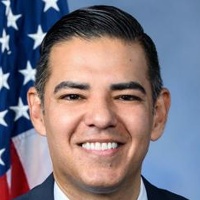
Robert Garcia
Representative
CA
Robert Garcia
Representative
CA
The Securing Help for Immigrants through Education and Legal Development (SHIELD) Act establishes a federal grant program to expand legal services for immigrants facing deportation. This initiative aims to build the necessary legal infrastructure and workforce to ensure high-quality representation, recognizing the critical impact legal counsel has on case outcomes. The Attorney General will administer competitive grants to state/local governments and nonprofits to hire, train, and retain immigration defense staff. Congress authorizes $100 million for this program for fiscal years 2026 and 2027.
The Better CARE for Animals Act of 2025 strengthens the enforcement of the Animal Welfare Act by expanding investigative authority, establishing new civil penalties up to \$10,000 per day, and explicitly granting the Attorney General power to file civil actions, including seeking seizure and forfeiture of animals.
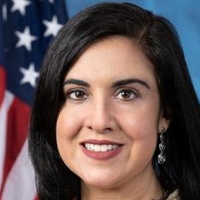
Nicole Malliotakis
Representative
NY
Nicole Malliotakis
Representative
NY
The Better CARE for Animals Act of 2025 significantly strengthens enforcement of the Animal Welfare Act by clarifying definitions and expanding the scope of investigations. It grants the Attorney General explicit authority to file civil actions seeking penalties up to $10,000 per day, and mandates that collected fines help cover temporary animal care costs. The bill also requires the Secretary of Agriculture and the Attorney General to establish a formal agreement for coordinated enforcement.
This bill bans the manufacture, sale, and transfer of specific semiautomatic assault weapons and large-capacity ammunition feeding devices while grandfathering existing possessions and establishing new transfer requirements.
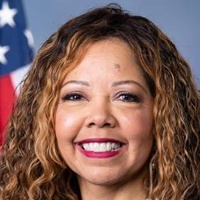
Lucy McBath
Representative
GA
Lucy McBath
Representative
GA
The Assault Weapons Ban of 2025 comprehensively defines and bans the manufacture, sale, and transfer of specific semiautomatic assault weapons and large capacity ammunition feeding devices. The bill grandfathers existing weapons but imposes new requirements for their secure storage and mandates dealer involvement for future private transfers. It also allows federal grant money to be used by states for buy-back programs targeting these banned items.
This bill repeals the Arctic National Wildlife Refuge oil and gas program and designates over 1.5 million acres of the refuge as protected wilderness.
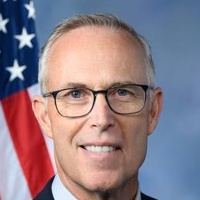
Jared Huffman
Representative
CA
Jared Huffman
Representative
CA
The Arctic Refuge Protection Act officially repeals the previous law authorizing oil and gas leasing in the Arctic National Wildlife Refuge. This legislation simultaneously designates approximately 1.56 million acres within the Refuge as protected wilderness under the National Wilderness Preservation System. The Secretary of the Interior is now required to manage this newly designated land according to strict wilderness preservation standards.
The Equality Act comprehensively prohibits discrimination based on sex, sexual orientation, and gender identity across key areas including public accommodations, employment, housing, credit, and jury service.
Mark Takano
Representative
CA
Mark Takano
Representative
CA
The Equality Act comprehensively expands federal civil rights protections against discrimination based on sex, sexual orientation, and gender identity across key areas of American life. It amends existing laws to prohibit discrimination in public accommodations, housing, credit, employment, and federal funding. The purpose of the bill is to provide consistent, explicit, and comprehensive remedies for individuals facing bias in these essential sectors.
This Act prohibits the use of facial recognition and other biometric identification technologies in federally assisted rental housing to prevent discrimination and ensure fair housing access.
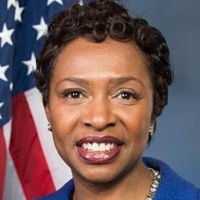
Yvette Clarke
Representative
NY
Yvette Clarke
Representative
NY
The No Biometric Barriers to Housing Act of 2025 prohibits owners of federally assisted rental housing from using facial recognition, fingerprint scanning, and other remote biometric surveillance technologies one year after enactment. This measure aims to prevent discrimination and ensure fair access to affordable housing by banning specific high-tech surveillance tools. Furthermore, the bill requires the Department of Housing and Urban Development (HUD) to report to Congress on the past use and potential impacts of such technologies on tenants.
This bill establishes a universal, comprehensive national health insurance program called "Medicare for All" that eliminates patient cost-sharing and transitions the nation away from private insurance duplication.
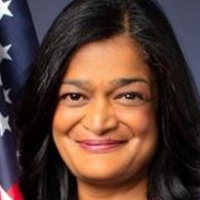
Pramila Jayapal
Representative
WA
Pramila Jayapal
Representative
WA
The Medicare for All Act establishes a universal, nationwide health insurance program providing comprehensive coverage for all U.S. residents with no out-of-pocket costs. It fundamentally restructures healthcare financing by implementing global budgets for institutions and a new fee schedule for individuals, while phasing out existing federal programs like Medicare and Medicaid. The legislation also sets strict quality standards for providers and creates a dedicated Trust Fund to manage the system's finances.
The **Protecting America’s Workers Act** significantly expands OSHA coverage to public employees, strengthens whistleblower protections, increases penalties for safety violations, and tightens federal oversight of state safety plans.
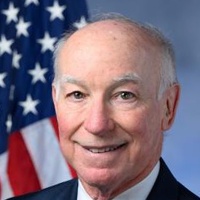
Joe Courtney
Representative
CT
Joe Courtney
Representative
CT
The **Protecting America’s Workers Act** significantly expands OSHA coverage to include public employees, strengthens whistleblower protections by lowering the burden of proof for workers and increasing remedies for retaliation, and mandates stricter reporting, increased penalties, and greater transparency for workplace safety violations. The bill also tightens federal oversight of state-run safety plans and enhances NIOSH's role in hazard evaluation and safety training.
This bill significantly enhances the Child and Dependent Care Tax Credit by raising expense limits, adjusting income phase-outs, and making the credit partially refundable.
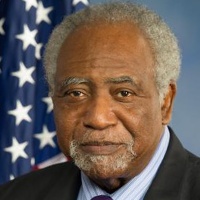
Danny Davis
Representative
IL
Danny Davis
Representative
IL
The Child and Dependent Care Tax Credit Enhancement Act of 2025 significantly increases the maximum expenses eligible for the Child and Dependent Care Tax Credit to \$8,000 for one child and \$16,000 for two or more. This legislation also modifies the income-based calculation for the credit percentage and makes the credit partially or fully refundable for eligible taxpayers. Furthermore, key dollar limits will be adjusted annually for inflation starting in 2026.
This bill limits the Social Security Administration's recovery of benefit overpayments to a maximum of 10 percent of a monthly benefit unless the recipient agrees to a higher withholding rate.
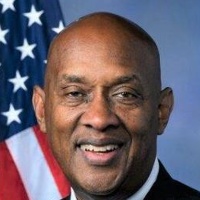
Dwight Evans
Representative
PA
Dwight Evans
Representative
PA
This bill amends the Social Security Act to limit the amount the Social Security Administration can withhold from a person's monthly benefit to recover an overpayment. Unless the individual agrees to a higher rate, the SSA can withhold no more than 10 percent of a monthly benefit payment to recoup accidental overpayments. This new limit applies to existing and future unrecovered overpayments under Title II benefits.
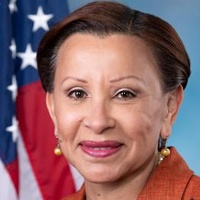
This Act exempts income derived from digital assets for qualifying Puerto Rican residents from being treated as Puerto Rican-sourced income for federal tax purposes.
Nydia Velázquez
Representative
NY
Nydia Velázquez
Representative
NY
The Fair Taxation of Digital Assets in Puerto Rico Act of 2025 clarifies the federal tax treatment of digital asset income for Puerto Rican residents. This bill specifies that income derived from digital assets, including earnings from mining, staking, or sales, will not be considered income sourced within Puerto Rico for federal tax purposes. This provision applies to individuals qualifying under Section 933 and takes effect for tax years beginning after enactment.
The Housing for All Act of 2025 is a comprehensive bill that dramatically increases federal funding and establishes new programs to expand affordable housing, guarantee rental assistance, combat homelessness, and promote community-driven solutions.
Ted Lieu
Representative
CA
Ted Lieu
Representative
CA
The Housing for All Act of 2025 is a comprehensive bill designed to aggressively combat the national housing shortage and homelessness crisis through massive federal investment. It establishes long-term funding for housing development, dramatically expands rental assistance programs like Section 8 vouchers, and creates new grants for supportive services and community-driven solutions. Ultimately, the Act aims to increase the supply of affordable and supportive housing while providing legal and crisis intervention resources for vulnerable populations.
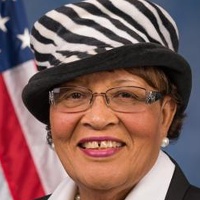
This resolution supports designating Black Maternal Health Week to highlight the urgent need to address the severe and preventable maternal health crisis disproportionately affecting Black women and birthing people in the United States.
Alma Adams
Representative
NC
Alma Adams
Representative
NC
This resolution officially designates the week of April 11–17, 2025, as the eighth annual Black Maternal Health Week to raise national awareness of the severe maternal and reproductive health crisis facing Black women and birthing people. It highlights the unacceptable disparity where Black women are significantly more likely to die from pregnancy-related causes, emphasizing that most of these deaths are preventable. The bill calls for targeted investments, policy changes addressing systemic barriers, and the centering of Black women's voices in developing solutions to achieve equitable maternal health outcomes.
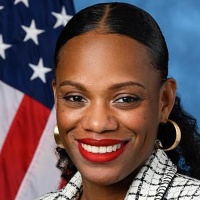
The Oligarch Act of 2025 establishes a new federal wealth tax on individuals and trusts based on their net worth above an annually adjusted threshold, with rates ranging from 2% to 8%.
Summer Lee
Representative
PA
Summer Lee
Representative
PA
The Oligarch Act of 2025 establishes a new federal Wealth Tax applied annually to the net worth of high-net-worth individuals and trusts. This tax features progressive rates ranging from 2% to 8% based on the taxpayer's net worth relative to a dynamic threshold amount. The legislation mandates rigorous valuation rules and includes specific enforcement mechanisms, such as required audits and enhanced penalties for significant asset undervaluation.