Legislative Activity
Track Deborah's sponsored bills, co-sponsored legislation, and voting record
This resolution expresses support for designating September 9, 2025, as "National Firearm Suicide Prevention Day" to raise awareness about firearm suicide and promote safe and secure firearm storage as a key suicide prevention measure.
Julia Brownley
Representative
CA
Julia Brownley
Representative
CA
This resolution expresses support for designating September 9, 2025, as "National Firearm Suicide Prevention Day." The goal is to raise awareness about the growing crisis of firearm suicides across the United States. It emphasizes that safe and secure firearm storage is a critical component of suicide prevention efforts. The resolution encourages professionals to discuss gun safety and suicide prevention with their patients.
This bill formally integrates Puerto Rico into the federal Supplemental Nutrition Assistance Program (SNAP) structure, outlining a transition plan away from its current block grant system.
Pablo José Hernández Rivera
Representative
PR
Pablo José Hernández Rivera
Representative
PR
The Puerto Rico Nutrition Assistance Fairness Act aims to integrate Puerto Rico into the federal Supplemental Nutrition Assistance Program (SNAP) structure, aligning it with other territories like Guam. The bill mandates a transition period where Puerto Rico must submit a plan of operation to the Secretary of Agriculture for approval to join SNAP. During this transition, existing block grant funding may continue for up to five years while the territory moves toward full participation under federal SNAP rules.
This Act limits the sharing of consumer reports requested in connection with a residential mortgage loan to prevent unauthorized access to homebuyers' sensitive financial information.
John Rose
Representative
TN
John Rose
Representative
TN
The Homebuyers Privacy Protection Act limits how consumer reporting agencies can share a consumer's report when it is requested in connection with a residential mortgage loan. Reports can only be shared with entities directly involved in the consumer's current mortgage or those providing a firm offer of credit or insurance. The Act also mandates a study by the GAO regarding the use and impact of "trigger leads" derived from credit checks.
This resolution affirms Congress's strong support for the Federal Reserve's independence from political interference, particularly from the Executive Branch.
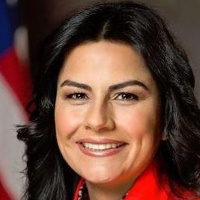
Nanette Barragán
Representative
CA
Nanette Barragán
Representative
CA
This resolution affirms strong Congressional support for the independence of the Federal Reserve System, its Chairman, and the Board of Governors. It emphasizes that the Fed must be free from political pressure to effectively manage monetary policy and maintain financial stability. The bill specifically warns against any executive interference that could undermine the Fed's integrity or global trust in the U.S. financial system.
This resolution expresses Congress's view that maintaining robust state licensure for design professionals is crucial for public health, safety, and welfare.
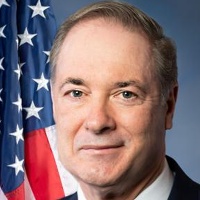
John Joyce
Representative
PA
John Joyce
Representative
PA
This resolution expresses the sense of Congress that the licensure of design professionals, such as architects and engineers, is vital for protecting public health, safety, and welfare. It urges states to maintain strong licensing standards for these professions, recognizing their critical role in infrastructure and community well-being. Congress supports the current state-level authority over professional licensing in these essential fields.
This Act allocates \$2.165 billion in dedicated funding for the CDC's National Center for HIV, Viral Hepatitis, STD, and Tuberculosis Prevention for the 2026 fiscal year.

Maxine Waters
Representative
CA
Maxine Waters
Representative
CA
The HIV Prevention Now Act secures **\$2.165 billion** in dedicated funding for the CDC's National Center for HIV, Viral Hepatitis, STD, and Tuberculosis Prevention for Fiscal Year 2026. This appropriation is specifically earmarked to support the center's prevention programs and activities. This funding is supplemental to, and cannot be transferred from, other existing appropriations.
The PrEP and PEP are Prevention Act mandates no-cost coverage for HIV prevention services, including FDA-approved drugs, testing, and counseling, across private insurance, Medicare, Medicaid, CHIP, and the Federal Employees Health Benefits Program.
Maxine Waters
Representative
CA
Maxine Waters
Representative
CA
The PrEP and PEP are Prevention Act mandates that essential HIV prevention services, including FDA-approved medications like PrEP and PEP, must be covered at no cost to the patient across private insurance, Medicare, Medicaid, CHIP, and the Federal Employees Health Benefits program. This law eliminates financial barriers such as deductibles, copays, and prior authorization requirements for these preventive treatments and necessary related care. The goal is to ensure universal, barrier-free access to critical HIV prevention tools.
This Act strengthens the cooperative management of National Scenic and Historic Trails by formally designating operational partners, clarifying roles, and establishing priority systems for land protection and visitor capacity planning.
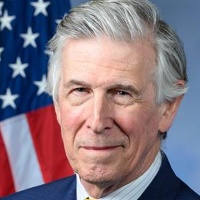
Donald Beyer
Representative
VA
Donald Beyer
Representative
VA
The Appalachian Trail Centennial Act officially recognizes the vital role of cooperative management, particularly volunteer partnerships, in maintaining National Scenic and Historic Trails. This bill formally designates operational partners, like the Appalachian Trail Conservancy, to share management responsibilities with federal agencies. It also establishes processes for prioritizing land protection and assessing the economic impact of these trails on local communities. Ultimately, the Act aims to strengthen the framework for long-term stewardship and development of the National Trails System.
The FEMA Act of 2025 establishes FEMA as an independent, cabinet-level agency and enacts sweeping reforms across public assistance, individual aid, and mitigation programs to speed up recovery and increase transparency.
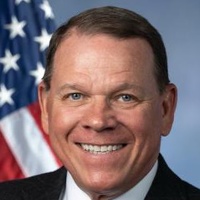
Sam Graves
Representative
MO
Sam Graves
Representative
MO
The FEMA Act of 2025 establishes the Federal Emergency Management Agency (FEMA) as an independent, cabinet-level agency to lead a unified, all-hazards approach to national emergency management. The bill enacts sweeping reforms across Public Assistance, Individual Assistance, and Mitigation programs to accelerate recovery, streamline funding, and reduce bureaucratic hurdles for disaster survivors and communities. Furthermore, it mandates significant new transparency measures, including public data reporting and GAO oversight, to ensure accountability for federal disaster spending.
The Telehealth Modernization Act extends key Medicare telehealth flexibilities, enhances program integrity for DME, and expands access to remote care options like hospital-at-home and cardiac rehabilitation.
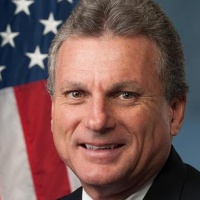
Earl Carter
Representative
GA
Earl Carter
Representative
GA
The Telehealth Modernization Act primarily extends critical Medicare telehealth flexibilities, such as location and audio-only options, through September 30, 2027. It also extends the "Hospital Care at Home" waiver until 2030 and mandates a comprehensive study comparing home-based versus traditional hospital care. Furthermore, the bill enhances program integrity for Durable Medical Equipment claims and requires new guidance to ensure telehealth services are accessible to individuals with limited English proficiency.
This bill establishes a mandatory supply fee paid by Medicare drug plans to long-term care pharmacies for specific prescriptions in 2026 and 2027, while also mandating a GAO study on the financial sustainability of the current payment system.
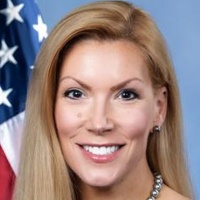
Beth Van Duyne
Representative
TX
Beth Van Duyne
Representative
TX
This Act establishes a mandatory supply fee for Medicare drug plans to pay long-term care pharmacies for specific prescriptions dispensed in 2026 and 2027. The bill mandates a $30 fee per prescription in 2026, increasing in 2027, with penalties for non-payment. Additionally, the GAO is required to study the financial sustainability of the current payment structure for these essential pharmacies. This legislation aims to ensure continued access to medications for patients in long-term care settings.
This resolution officially establishes August 20th as Original Slavery Remembrance Day to recognize the history of slavery, honor those who fought against it, and acknowledge its lasting effects.
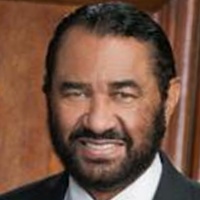
Al Green
Representative
TX
Al Green
Representative
TX
This resolution officially establishes August 20th as **Original Slavery Remembrance Day** to formally recognize and condemn the history of slavery in the U.S. and globally. It commemorates the lives of enslaved people, honors historical figures who fought for freedom, and acknowledges the lasting effects of slavery on contemporary society. The resolution requests the President to issue a proclamation calling for appropriate national observance of this day.
This Act prohibits grocery stores from price gouging, using personal surveillance data to set individualized prices, and mandates disclosure of facial recognition use, while banning electronic shelf labels in larger stores.
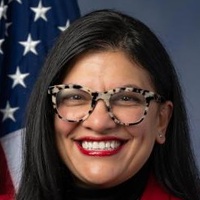
Rashida Tlaib
Representative
MI
Rashida Tlaib
Representative
MI
The Stop Price Gouging in Grocery Stores Act of 2025 aims to protect consumers by prohibiting grocery stores from charging "grossly excessive" prices for food items. The bill also bans stores from adjusting prices based on personal tracking data, such as facial recognition, and requires clear signage if facial recognition technology is used. Furthermore, it mandates that large physical grocery stores must use printed signs instead of electronic shelf labels for displaying prices.
This resolution expresses Congressional support for Community Health Centers during National Health Center Week and encourages the extension of the vital Community Health Center Fund.
Donald Davis
Representative
NC
Donald Davis
Representative
NC
This resolution expresses strong Congressional support for Community Health Centers (CHCs) during National Health Center Week, recognizing their vital role in providing affordable, high-quality care to vulnerable populations. It highlights the significant economic and healthcare impact of CHCs nationwide, serving nearly 10% of Americans. Furthermore, the resolution encourages public engagement and supports the extension of the crucial Community Health Center Fund to ensure their continued operation.
This Act mandates that the U.S. government's annual human rights reports abroad must include detailed findings on the status of reproductive rights, aligning U.S. foreign policy with international human rights standards.
Julie Johnson
Representative
TX
Julie Johnson
Representative
TX
The Reproductive Rights are Human Rights Act of 2025 establishes that reproductive rights are fundamental human rights based on international commitments. This bill mandates that the State Department must include a detailed, required section on the status of reproductive rights in every country within its annual human rights reports. These reports must cover access to contraception, abortion services, and instances of reproductive coercion or discrimination against marginalized groups. The Act aims to ensure robust U.S. monitoring and accountability regarding global reproductive health and autonomy.
This act mandates that the Department of Veterans Affairs must provide abortion care, counseling, and related services and medication to eligible veterans and certain other individuals.
Julia Brownley
Representative
CA
Julia Brownley
Representative
CA
The Reproductive Freedom for Veterans Act mandates that the Department of Veterans Affairs (VA) must now provide abortion care, counseling, and related medication as part of the medical services offered to eligible veterans and certain other beneficiaries. This legislation formally amends existing VA health care provisions to include these reproductive health services.
This bill ensures that qualifying service years for National Guard and Reserve members count toward Federal Direct Loan forgiveness, even if they weren't in public service employment during those payment months.
Seth Magaziner
Representative
RI
Seth Magaziner
Representative
RI
The National Guard and Reserve Student Loan Fairness Act simplifies student loan forgiveness for members of the military reserves. It mandates that qualifying years of service, based on points earned toward retired pay, automatically count as qualifying payments toward Federal Direct Loan forgiveness programs. This change applies even if the borrower was not working in public service during those payment months. The Departments of Defense and Education must coordinate data to ensure these payments are counted without requiring extra paperwork from the service member.
This bill establishes comprehensive reproductive and fertility preservation assistance for active-duty service members and expands fertility treatment and adoption assistance benefits for eligible veterans.
Rick Larsen
Representative
WA
Rick Larsen
Representative
WA
The Veteran Families Health Services Act of 2025 expands reproductive and fertility care for service members and veterans. Title I mandates comprehensive fertility preservation and treatment for active-duty personnel and their families. Title II formally establishes fertility treatment, counseling, and adoption assistance as covered benefits for eligible veterans through the VA. This bill aims to remove barriers and reduce financial burdens for military families seeking to start or expand their families.
This bill repeals specific prior health reconciliation provisions and expands eligibility for the Premium Tax Credit by removing the 400% income cap and adjusting the subsidy calculation formula.
Adam Gray
Representative
CA
Adam Gray
Representative
CA
The Protecting Health Care and Lowering Costs Act of 2025 repeals specific prior reconciliation health provisions. This bill significantly expands eligibility for the Premium Tax Credit by eliminating the 400% Federal Poverty Level income cap. It also updates the subsidy calculation formula to ensure a smoother, linear adjustment of assistance across various income levels.
This Act establishes the "Local Farmers Feeding Our Communities" program to strengthen local food security by funding agreements that support local producers and distribute fresh food to communities.

Robert Bresnahan
Representative
PA
Robert Bresnahan
Representative
PA
The Local Farmers Feeding our Communities Act establishes a new program to support local food producers and strengthen regional food security. This initiative requires the Secretary of Agriculture to fund agreements that ensure nutritious, locally sourced food is purchased and distributed widely, prioritizing small and beginning farmers. Funds must be used to buy minimally processed local products and provide technical assistance to producers. The program is backed by mandatory funding starting in Fiscal Year 2026.