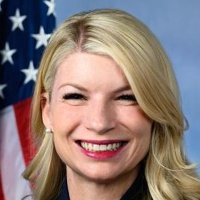
Legislative Activity
Track Brittany's sponsored bills, co-sponsored legislation, and voting record
The "Stop the Opioid Pill Presser and Fentanyl Act" aims to combat illegal drug manufacturing by regulating, tracking, and penalizing the misuse of pill presses and encapsulating machines and their critical parts.
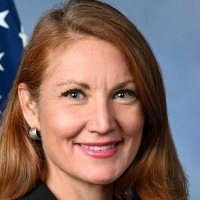
Melanie Stansbury
Representative
NM
Melanie Stansbury
Representative
NM
The "Stop the Opioid Pill Presser and Fentanyl Act" aims to combat the opioid crisis by regulating the manufacturing, distribution, and sale of pill presses and encapsulating machines and their critical parts. It amends the Controlled Substances Act to include these machines as drug paraphernalia, mandates serialization and registration of these machines and their parts, and imposes penalties for violations such as tampering with serial numbers or operating without registration. This act seeks to prevent the misuse of these machines in the production of illicit drugs like fentanyl.
The Marc Fischer Memorial Act mandates the implementation of a comprehensive digital mail scanning strategy across all federal prisons to detect and interdict synthetic drugs like fentanyl.
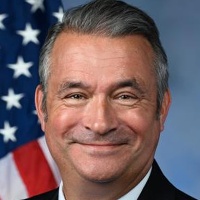
Don Bacon
Representative
NE
Don Bacon
Representative
NE
The Marc Fischer Memorial Act mandates that the Bureau of Prisons implement a comprehensive strategy to achieve 100% digital scanning of all inmate mail to interdict fentanyl and other synthetic drugs. By transitioning to digital mail processing, the Act aims to protect staff and inmates from lethal exposure, improve institutional security, and alleviate the administrative burden on correctional personnel.
The "Ski Hill Resources for Economic Development Act" allows the Forest Service to retain and reinvest fees collected from ski area permits to improve visitor services, reduce wildfire risk, and support ski area program administration.
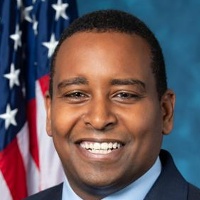
Joe Neguse
Representative
CO
Joe Neguse
Representative
CO
The "Ski Hill Resources for Economic Development Act" establishes a "Ski Area Fee Retention Account" within the Treasury, directing ski area permit fees collected by the Secretary of Agriculture into this account. These funds will be used to support the administration, maintenance, and improvement of ski areas and related visitor services within the National Forest System. A majority of the fees collected at a specific unit will be reinvested into that unit, with a smaller portion available for use across other National Forest System units. The funds cannot be used for wildfire suppression or land acquisition.
The "Protecting Sensitive Locations Act" restricts immigration enforcement actions at sensitive locations like schools and places of worship, requiring discretion and oversight.
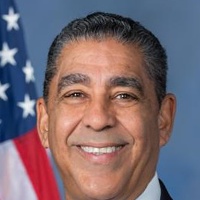
Adriano Espaillat
Representative
NY
Adriano Espaillat
Representative
NY
The "Protecting Sensitive Locations Act" amends the Immigration and Nationality Act to restrict immigration enforcement actions within 1,000 feet of sensitive locations like schools, hospitals, and places of worship, except in exigent circumstances. It mandates training, reporting, and oversight for enforcement activities near these locations, and invalidates evidence obtained in violation of the Act. The Act aims to ensure discretion and limit enforcement impact on sensitive community spaces, while also requiring annual reports to Congress on enforcement actions taken in sensitive locations.
The Protect Our Letter Carriers Act of 2025 authorizes $7 billion to upgrade postal security infrastructure while mandating dedicated federal prosecutors for postal crimes and increasing sentencing guidelines for assaults against postal employees.
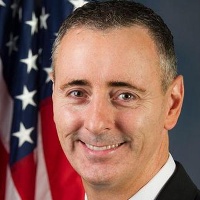
Brian Fitzpatrick
Representative
PA
Brian Fitzpatrick
Representative
PA
The Protect Our Letter Carriers Act of 2025 aims to enhance the safety of postal workers by funding high-security infrastructure upgrades, including electronic mailbox keys. The bill also mandates the appointment of dedicated federal prosecutors for postal crimes in every judicial district and requires stricter sentencing guidelines for those who assault or rob postal employees.
The Disaster Resiliency and Coverage Act of 2025 aims to increase disaster preparedness and insurance coverage by providing grants for home mitigation, tax exclusions for disaster relief payments, and a tax credit for disaster mitigation expenditures.
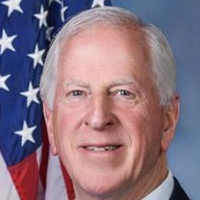
Mike Thompson
Representative
CA
Mike Thompson
Representative
CA
The Disaster Resiliency and Coverage Act of 2025 aims to increase household disaster resilience through a grant program for pre-disaster mitigation activities, tax exclusions for state-based catastrophe loss mitigation payments and certain emergency agricultural assistance, and a tax credit for disaster mitigation expenditures. The grant program will provide funds to states and tribal governments for mitigation activities on individual homes in high-risk disaster areas, while the tax exclusions and credit offer financial relief and incentives for individuals and agricultural producers affected by disasters. This act seeks to encourage proactive measures to protect homes and businesses from the impact of future disasters.
The Right to Contraception Act establishes a federal right to obtain and use contraception and prohibits government interference with access to contraceptive services and information.
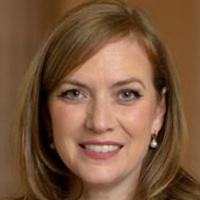
Lizzie Fletcher
Representative
TX
Lizzie Fletcher
Representative
TX
The Right to Contraception Act establishes a federal right for individuals to access and use contraception without government interference. It prohibits federal and state governments from enacting laws that restrict access to contraceptives or the provision of related services. The Act provides clear enforcement mechanisms, allowing individuals and the Attorney General to sue to strike down any rule that violates these protections.
The Love Lives On Act of 2025 ensures that surviving spouses of veterans and service members retain their earned dependency compensation, survivor benefits, and TRICARE eligibility regardless of remarriage.
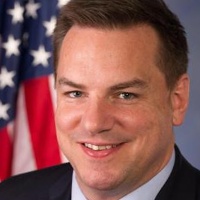
Richard Hudson
Representative
NC
Richard Hudson
Representative
NC
The Love Lives On Act of 2025 ensures that surviving spouses of veterans and service members retain their earned benefits, including dependency and indemnity compensation, educational assistance, and Survivor Benefit Plan annuities, regardless of remarriage. Additionally, the bill expands TRICARE eligibility to include widows and widowers whose subsequent marriages have ended. This legislation protects the financial security and healthcare access of surviving families by removing penalties associated with remarriage.
This resolution expresses strong support for the U.S. Department of Education and public K-12 schools, while formally opposing any efforts to defund, dismantle, or weaken federal support for public education.
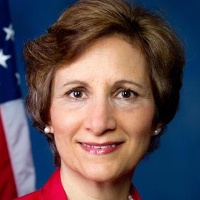
Suzanne Bonamici
Representative
OR
Suzanne Bonamici
Representative
OR
This resolution affirms strong support for the U.S. Department of Education and its critical role in funding and protecting public K-12 schools. It emphasizes the importance of federal investment in closing opportunity gaps and ensuring civil rights protections for all students. Furthermore, the bill explicitly condemns any efforts to defund public education, dismantle the Department of Education, or divert public funds to private school vouchers.
This legislation extends and expands federal programs through 2030 to support the mental health, well-being, and professional resilience of the health care workforce.
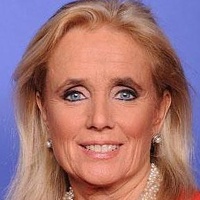
Debbie Dingell
Representative
MI
Debbie Dingell
Representative
MI
The Dr. Lorna Breen Health Care Provider Protection Reauthorization Act extends and strengthens critical federal programs designed to support the mental health and well-being of the health care workforce. The bill mandates annual awareness initiatives and expands grant eligibility to organizations focused on reducing administrative burdens for medical professionals. These programs are now authorized through fiscal year 2030 to ensure continued support for reducing burnout and promoting mental health services.
The Stop Antiabortion Disinformation (SAD) Act empowers the Federal Trade Commission to prohibit and penalize deceptive advertising by crisis pregnancy centers that mislead individuals seeking reproductive health care.
Suzanne Bonamici
Representative
OR
Suzanne Bonamici
Representative
OR
The Stop Antiabortion Disinformation (SAD) Act prohibits crisis pregnancy centers from using deceptive advertising to mislead individuals seeking reproductive health care. The bill empowers the Federal Trade Commission (FTC) to regulate and penalize organizations that falsely claim to provide abortion services or licensed medical care. This legislation aims to ensure patients have access to accurate, evidence-based information when making reproductive health decisions.
This bill provides a 6.62 percent Medicare payment increase for physicians and practitioners from April through December 2025 to help stabilize medical practices.
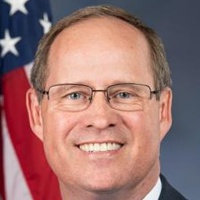
Gregory Murphy
Representative
NC
Gregory Murphy
Representative
NC
The Medicare Patient Access and Practice Stabilization Act of 2025 aims to support healthcare providers by extending Medicare payment adjustments through the end of 2025. Specifically, the bill provides a 6.62 percent payment increase for services rendered between April 1, 2025, and December 31, 2025, to help practitioners adjust to evolving Medicare payment policies.
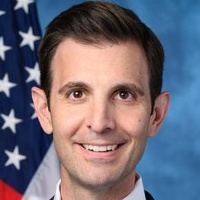
The DERAIL Act enhances rail safety by expanding the definition of high-hazard flammable trains and mandating immediate reporting of derailments involving toxic inhalation materials to local, state, and federal authorities.
Chris Deluzio
Representative
PA
Chris Deluzio
Representative
PA
The Decreasing Emergency Railroad Accident Instances Locally (DERAIL) Act enhances rail safety by expanding the federal definition of "high-hazard flammable trains" to include more transport configurations. Additionally, the bill mandates that railroad carriers notify federal, state, local, and Tribal authorities within 24 hours of any derailment involving toxic inhalation materials.
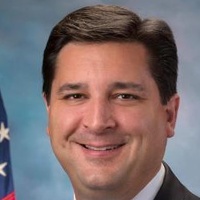
The Disaster Assistance Fairness Act expands federal disaster relief eligibility to cover debris removal and essential repairs for residential common interest communities, condominiums, housing cooperatives, and manufactured housing communities.
David Rouzer
Representative
NC
David Rouzer
Representative
NC
The Disaster Assistance Fairness Act amends the Stafford Act to ensure that residential common interest communities—including condominiums, housing cooperatives, and manufactured housing communities—can access federal disaster relief. The bill authorizes federal assistance for debris removal on private community property and allows for the repair of essential shared infrastructure following a major disaster.
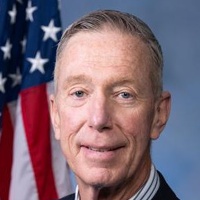
This bill expresses the House of Representatives' desire to keep the United States Postal Service (USPS) as an independent entity within the Federal Government, protecting it from privatization. It emphasizes the USPS's importance to the mailing industry, its role in connecting communities, and the potential negative impacts of privatization on prices, services, and infrastructure.
Stephen Lynch
Representative
MA
Stephen Lynch
Representative
MA
This bill expresses the House of Representatives' view that Congress should act to maintain the United States Postal Service (USPS) as an independent entity within the Federal Government. It emphasizes the USPS's role as a self-sustaining service vital to the economy and national connectivity. The resolution discourages privatization, citing concerns about increased costs, reduced services, and damage to critical infrastructure.
The Tim Hart Wildland Firefighter Classification and Pay Parity Act establishes a permanent, competitive pay structure, enhanced benefits, and comprehensive health and retirement support for federal wildland firefighters.
Joe Neguse
Representative
CO
Joe Neguse
Representative
CO
The **Tim Hart Wildland Firefighter Classification and Pay Parity Act** establishes a comprehensive framework to modernize the compensation, benefits, and support systems for federal wildland firefighters. The bill introduces permanent special base pay rates, new incident response premium pay, and enhanced retirement and leave benefits to ensure competitive and equitable treatment for those in the profession. Additionally, it mandates the creation of robust mental health programs, long-term health monitoring, and a casualty assistance program to better support firefighters and their families.
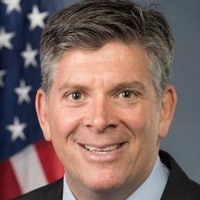
This bill recognizes the significant contributions of tax-exempt fraternal benefit societies to communities across the United States through charitable activities, volunteer work, and financial support for their members, and expresses Congressional support for their continued promotion.
Darin LaHood
Representative
IL
Darin LaHood
Representative
IL
This bill recognizes the significant historical and ongoing contributions of tax-exempt fraternal benefit societies to communities across the United States through charitable activities, volunteer work, and financial support for members. It expresses the sense of Congress that these societies are a valuable support system that addresses unmet needs and generates substantial returns to the U.S. through their tax-exempt status. The bill also advocates for the continued promotion of fraternal benefit societies.
The Charitable Act extends and modifies tax deductions for charitable contributions, allowing individuals who take the standard deduction to claim additional tax benefits for donations made in 2026 and 2027.
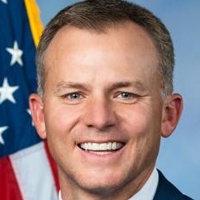
Blake Moore
Representative
UT
Blake Moore
Representative
UT
The Charitable Act allows individuals who take the standard deduction to also claim a deduction for charitable contributions during the 2026 and 2027 tax years. This legislation permits non-itemizers to deduct donations up to one-third of their standard deduction amount while removing previous penalties for overstatements.
This bill directs the U.S. Holocaust Memorial Museum to conduct a comprehensive study and report to Congress on the current state and effectiveness of Holocaust education in public elementary and secondary schools across the United States.
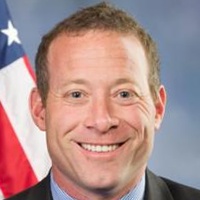
Josh Gottheimer
Representative
NJ
Josh Gottheimer
Representative
NJ
The Holocaust Education and Antisemitism Lessons Act directs the U.S. Holocaust Memorial Museum to conduct a comprehensive study of Holocaust education in public elementary and secondary schools across the United States. This study will evaluate current curriculum standards, teaching methods, and available resources to identify gaps and improve how students learn about the Holocaust and the history of antisemitism. The findings will be compiled into a report submitted to Congress to help strengthen educational efforts in preventing hate and bigotry.
The Global Health, Empowerment and Rights Act prevents the U.S. government from denying foreign aid to nongovernmental organizations based on the legal health services they provide or the advocacy they conduct using their own private funds.
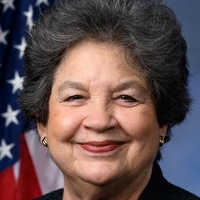
Lois Frankel
Representative
FL
Lois Frankel
Representative
FL
The Global Health, Empowerment and Rights Act prevents the U.S. government from denying foreign aid to nongovernmental organizations based on the legal health services they provide using their own private funds. It ensures that these organizations are not penalized for offering counseling or referrals that comply with local laws. Additionally, the bill prohibits the imposition of restrictive advocacy and lobbying requirements on these groups that exceed those applied to U.S.-based organizations.