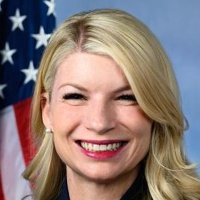
Legislative Activity
Track Brittany's sponsored bills, co-sponsored legislation, and voting record
This bill ensures Medicare patients can continue receiving physical therapy services without interruption by allowing temporary substitute therapists ("locum tenens") to be covered when a physical therapist is temporarily unavailable.

Gus Bilirakis
Representative
FL
Gus Bilirakis
Representative
FL
The "Prevent Interruptions in Physical Therapy Act of 2025" ensures Medicare beneficiaries can continue receiving uninterrupted physical therapy services. It allows physical therapists to utilize temporary staffing arrangements, known as "locum tenens," when the regular therapist is temporarily unavailable. This ensures Medicare payments for services provided by qualified substitute physical therapists, maintaining consistent care for patients.
The "MODERN WIC Act of 2025" expands remote access to WIC benefits by allowing virtual certification appointments, remote benefit issuance, and requires a report to Congress on the use of remote technologies within the WIC program.
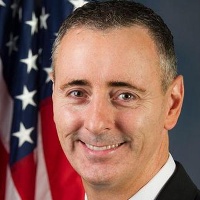
Brian Fitzpatrick
Representative
PA
Brian Fitzpatrick
Representative
PA
The MODERN WIC Act of 2025 aims to modernize the WIC program by expanding options for remote certification appointments, including telephone and video calls, and allowing for remote delivery of food benefits. It requires state agencies to offer various formats for certification appointments, ensuring accessibility for individuals with disabilities. The Act also mandates a report to Congress on the use of remote technologies in WIC, focusing on their impact and best practices.
The "Accelerating Kids’ Access to Care Act of 2025" streamlines Medicaid and CHIP enrollment for out-of-state providers, increasing healthcare access for children.
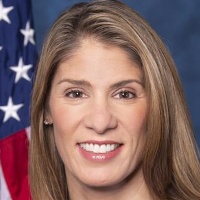
Lori Trahan
Representative
MA
Lori Trahan
Representative
MA
The "Accelerating Kids Access to Care Act of 2025" streamlines the enrollment process for out-of-state healthcare providers in Medicaid and CHIP, ensuring children under 21 have access to care from eligible providers across state lines. By reducing administrative burdens and unnecessary screening requirements, the Act aims to improve healthcare access for children while maintaining necessary safeguards against fraud and abuse. Participating providers will be enrolled for a 5-year period, and the changes will take effect three years after the Act's enactment.
The Public Safety Employer-Employee Cooperation Act establishes collective bargaining rights for public safety officers nationwide, ensuring fair labor practices and cooperation between employers and employees.
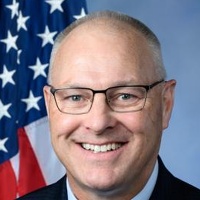
Pete Stauber
Representative
MN
Pete Stauber
Representative
MN
The Public Safety Employer-Employee Cooperation Act establishes a framework for collective bargaining rights for public safety officers (law enforcement, firefighters, and emergency medical services personnel) at the state level. It directs the Federal Labor Relations Authority to determine if states substantially protect these rights, and if not, the Authority will establish collective bargaining procedures. The Act aims to promote cooperation between public safety employers and employees while respecting existing state laws and prohibiting strikes and lockouts. This law does not override state laws that provide similar or stronger protections for public safety officers.
The CART Act of 2025 aims to establish a framework for the taxation of companies specializing in the transfer of catastrophic risks, ensuring fair and consistent tax treatment at both the federal and state levels.
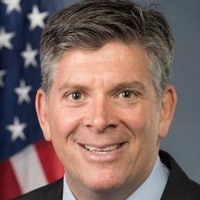
Darin LaHood
Representative
IL
Darin LaHood
Representative
IL
The CART Act of 2025 introduces tax regulations for "catastrophic risk transfer companies," which are specialized insurers focusing on high-impact, low-probability events. It defines specific criteria for these companies, including income sources and collateralization requirements, and outlines how they and their security holders will be taxed, including adjustments to taxable income and dividend treatment. The Act also addresses state taxation of reinsurance premiums to prevent double taxation, ensuring that only the company's state of origin can impose such taxes, capped at the federal rate for foreign insurers.
This bill expands Post-9/11 GI Bill eligibility to National Guard members performing specific full-time duties.
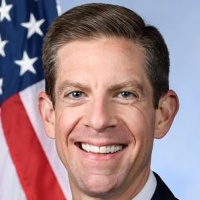
Mike Levin
Representative
CA
Mike Levin
Representative
CA
The Guard and Reserve GI Bill Parity Act of 2025 expands Post-9/11 GI Bill eligibility to National Guard members performing specific full-time duties. This expansion applies to service performed on or after September 11, 2001. The changes will take effect one year after the enactment of this Act, with the time limitation for using educational assistance applied as if enacted immediately after the Post-9/11 Veterans Educational Assistance Act of 2008.
The Secure Rural Schools Reauthorization Act of 2025 extends federal funding and program authorities for states and counties containing national forest land through 2026.
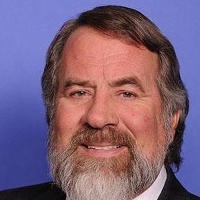
Doug LaMalfa
Representative
CA
Doug LaMalfa
Representative
CA
The Secure Rural Schools Reauthorization Act of 2025 extends critical federal funding for states and counties containing national forest land through 2026. This legislation ensures the continuation of essential community services and maintains the authority for resource advisory committees and local special projects.
The "Ending DOGE Conflicts Act" mandates financial disclosures for special government employees who own or lead companies contracting with the federal government, ensuring transparency and preventing conflicts of interest.
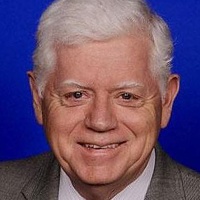
John Larson
Representative
CT
John Larson
Representative
CT
The "Ending DOGE Conflicts Act" mandates that special government employees with financial ties to companies contracting with the federal government must adhere to strict financial disclosure requirements. It requires the Director of the Office of Government Ethics to certify these employees' financial reports and prohibits them from performing official duties until compliance is confirmed.
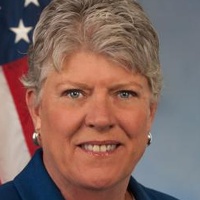
The DRIVE Act of 2025 mandates that the VA increase veteran travel reimbursement rates to match the federal employee mileage rate and ensures veterans receive these payments within 90 days of submitting a complete claim.
Julia Brownley
Representative
CA
Julia Brownley
Representative
CA
The DRIVE Act of 2025 ensures that the Department of Veterans Affairs (VA) travel reimbursement rate for veterans' medical appointments will never fall below the standard federal employee mileage rate. This legislation mandates that the VA must process and pay these mileage allowances within 90 days of a veteran submitting a complete request. Essentially, the bill aims to increase equity and speed in compensating veterans for necessary travel to VA healthcare.
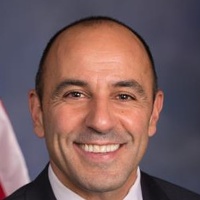
The "More Homes on the Market Act" increases the tax exclusion for profit from the sale of a primary residence, incentivizing homeowners to sell and increasing housing supply.
Jimmy Panetta
Representative
CA
Jimmy Panetta
Representative
CA
The "More Homes on the Market Act" increases the tax exclusion for profit from the sale of a primary residence, raising it to $500,000 for single filers and $1,000,000 for married couples filing jointly. These amounts will be adjusted for inflation starting in 2025. This change encourages homeowners to sell their properties, thereby increasing the availability of homes on the market.
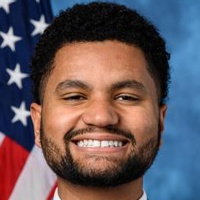
This bill establishes an Office of Gun Violence Prevention within the Department of Justice to coordinate gun violence prevention efforts, evaluate related programs and policies, recommend evidence-based strategies, and assist communities affected by gun violence.
Maxwell Frost
Representative
FL
Maxwell Frost
Representative
FL
The "Office of Gun Violence Prevention Act of 2025" establishes an Office of Gun Violence Prevention within the Department of Justice, led by a Director appointed by the Attorney General, to coordinate gun violence prevention efforts, evaluate related laws and programs, and recommend evidence-based policies to Congress and the President. The Director will also convene an advisory council comprising various officials and at least 12 additional individuals representing gun violence survivors, community violence intervention service providers, and other relevant groups. The Office will also assist communities affected by gun violence with crisis response activities, such as providing access to mental health services and suicide prevention resources. Finally, the act authorizes the appropriation of necessary funds to carry out the provisions of the bill.
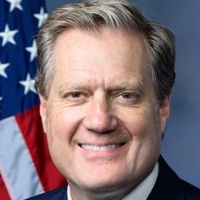
The Susan Muffley Act of 2025 ensures full pension benefits for eligible participants and beneficiaries under specific terminated pension plans, recalculating benefits, providing lump-sum payments for past-due amounts, and establishing a trust fund to cover increased benefit payments.
Michael Turner
Representative
OH
Michael Turner
Representative
OH
The Susan Muffley Act of 2025 ensures that eligible participants and beneficiaries under specific pension plans, like the Delphi and PHI retirement programs, receive their full vested benefits. It directs the Pension Benefit Guaranty Corporation (PBGC) to recalculate benefits, provide lump-sum payments for past-due amounts with interest, and establishes a trust fund within the Treasury to cover these increased payments. The act also includes provisions for the tax treatment of lump-sum payments, allowing recipients to spread the income over three years unless they elect otherwise.
The "All Access Act of 2025" grants Members of Congress access to any public building during regular hours with their official ID and requires advance notice for access outside of those hours.
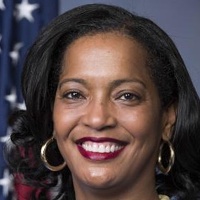
Jahana Hayes
Representative
CT
Jahana Hayes
Representative
CT
The "All Access Act of 2025" ensures Members of Congress can access any public building during regular hours by showing their official ID. Access outside of normal business hours requires a 12-hour advance notice to the building head. This act defines "Member of Congress" as a Representative or Senator.
The Rural Obstetrics Readiness Act aims to improve maternal health care in rural areas by establishing training programs, providing grant funding for equipment and supplies, creating a teleconsultation pilot program, and studying obstetric units in rural areas.
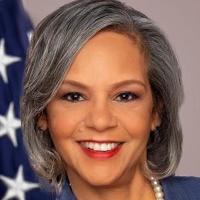
Robin Kelly
Representative
IL
Robin Kelly
Representative
IL
The Rural Obstetrics Readiness Act aims to improve maternal health outcomes in rural areas by establishing programs to train healthcare providers in obstetric emergency care, provide funding for necessary equipment and workforce development, implement teleconsultation programs, and study the challenges facing rural obstetric units. The Act authorizes grants for training, equipment, and telehealth programs, and requires a study on rural maternity ward closures and patient transport patterns.
The "Alternatives to PAIN Act" aims to improve Medicare Part D coverage for non-opioid pain management drugs by reducing cost-sharing and removing barriers like step therapy and prior authorization, starting in 2026.
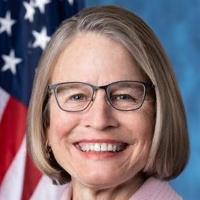
Mariannette Miller-Meeks
Representative
IA
Mariannette Miller-Meeks
Representative
IA
The "Alternatives to PAIN Act" amends Medicare Part D to improve access to non-opioid pain management drugs by waiving deductibles and ensuring they are placed on the lowest cost-sharing tier starting in 2026. The Act also prohibits the use of step therapy and prior authorization requirements for these drugs, further easing access for patients. These changes aim to provide more accessible alternatives for pain management, reducing reliance on opioids.
The Honoring Our Fallen Heroes Act of 2025 expands public safety officer benefits to include disability and death coverage for certain cancers presumed to be caused by on-duty exposure to carcinogens, and clarifies "line of duty" definitions for first responder benefits.
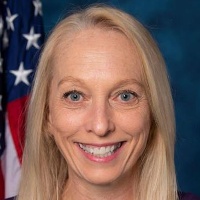
Mary Scanlon
Representative
PA
Mary Scanlon
Representative
PA
The Honoring Our Fallen Heroes Act of 2025 expands public safety officer benefits to include deaths and disabilities caused by exposure-related cancers, presuming that certain cancers diagnosed within 15 years of service are line-of-duty injuries if the officer served for at least 5 years. It defines "exposure-related cancer" and allows for updates to the list based on medical evidence, while also permitting individuals to petition for additions. The Act also clarifies "line of duty action" and applies retroactively to claims dating back to January 1, 2020, with a three-year window for filing claims based on these amendments.
This bill allows states to use Medicaid to pay primary care providers directly, including through value-based care models, and requires a report on the quality and cost of these arrangements.

Dan Crenshaw
Representative
TX
Dan Crenshaw
Representative
TX
The "Medicaid Primary Care Improvement Act" allows states to use Medicaid funds for direct agreements with healthcare providers, including value-based care models and direct primary care arrangements. It requires the Secretary of Health and Human Services to gather input and issue guidance to states on implementing these arrangements. Additionally, the Act mandates a report to Congress analyzing state contracts with independent physicians and the quality/cost of care in direct primary care arrangements within Medicaid. This aims to improve primary care access and quality within the Medicaid program without altering existing cost-sharing or limiting medical assistance.
This bill creates a 20-year demonstration project waiving certain Social Security disability benefit rules for blind Americans to encourage their return to work.
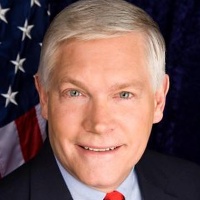
Pete Sessions
Representative
TX
Pete Sessions
Representative
TX
The Blind Americans Return to Work Act of 2025 initiates a 20-year demonstration project aimed at helping blind Americans receiving Social Security disability benefits return to work. For the first 10 years, eligibility for benefits will be determined without considering substantial gainful activity, and benefits will be reduced based on earnings above a set amount, incentivizing employment without immediate loss of support. The project waives certain benefit requirements to facilitate successful employment, with participants having the option to opt out after the initial 10-year period. This act aims to support blind individuals in their transition back to the workforce while maintaining a safety net.
The "Freedom to Invest in Tomorrow's Workforce Act" expands the use of 529 savings accounts to cover expenses related to postsecondary credentialing programs, including tuition, fees, books, supplies, equipment, and testing fees.

Robert Wittman
Representative
VA
Robert Wittman
Representative
VA
The "Freedom to Invest in Tomorrow's Workforce Act" amends Section 529 savings accounts to include expenses related to postsecondary credentialing programs. This allows 529 funds to cover costs like tuition, fees, books, supplies, and testing fees for recognized programs and credentials, as defined by the bill. These changes would apply to distributions made after the bill is enacted.
The "Taxpayer Data Protection Act" limits access to the Treasury Department's payment systems to authorized personnel and requires investigation and reporting of unauthorized access.
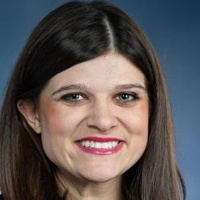
Haley Stevens
Representative
MI
Haley Stevens
Representative
MI
The Taxpayer Data Protection Act limits access to the Treasury Department's payment systems to Treasury employees or contractors with satisfactory performance reviews and security clearances. It sets specific criteria for individuals accessing the system, including conflict of interest restrictions, training, and ethics agreements. The Act also mandates the Treasury Department's Inspector General to investigate and report to Congress on any unauthorized system use.