
Legislative Activity
Track Brittany's sponsored bills, co-sponsored legislation, and voting record
The John R. Lewis Voting Rights Advancement Act of 2025 aims to strengthen and update the Voting Rights Act of 1965 by addressing vote dilution and denial, establishing updated criteria for federal oversight of states and political subdivisions with a history of voting rights violations, and promoting transparency in election-related changes.
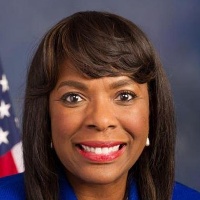
Terri Sewell
Representative
AL
Terri Sewell
Representative
AL
The John R. Lewis Voting Rights Advancement Act of 2025 amends the Voting Rights Act of 1965 to address vote dilution, denial, and abridgment claims, and to update which states and political subdivisions are subject to federal oversight based on a history of voting rights violations. It broadens the types of violations that allow a court to retain jurisdiction over a case, clarifies the Attorney General's authority to assign observers, and ensures transparency in voting-related changes. The Act also authorizes the Attorney General to demand documents and information to enforce voting rights and provides grants to small jurisdictions to assist with notification requirements.
The Richard L. Trumka Protecting the Right to Organize Act of 2025 strengthens protections for workers' rights to organize and collectively bargain by modernizing labor laws, addressing unfair labor practices, and enhancing enforcement mechanisms.
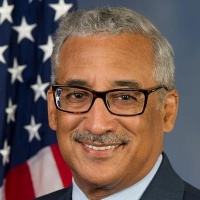
Robert Scott
Representative
VA
Robert Scott
Representative
VA
This bill, the Richard L. Trumka Protecting the Right to Organize Act of 2025, seeks to amend the National Labor Relations Act and other labor laws to strengthen protections for workers' rights to organize and collectively bargain. It aims to modernize labor regulations by clarifying definitions, addressing unfair labor practices, enhancing enforcement, and increasing transparency in labor-management relations. The bill introduces measures such as electronic voting in union elections, strengthens whistleblower protections, and mandates studies on collective bargaining practices. Ultimately, the goal is to ensure fair treatment of workers and promote equitable labor practices.
This bill allows homeowners to exclude from their gross income any payments they receive from state programs designed to help them improve their property to mitigate damage from disasters like windstorms, earthquakes, or wildfires.
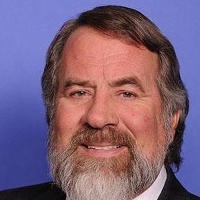
Doug LaMalfa
Representative
CA
Doug LaMalfa
Representative
CA
The Disaster Mitigation and Tax Parity Act of 2025 allows individuals to exclude from their gross income any payments or benefits they receive from state-based catastrophe loss mitigation programs designed to help homeowners protect their properties from disasters such as windstorms, earthquakes, or wildfires. These payments will not affect the property's basis, and the exclusion is applicable retroactively for taxable years starting after December 31, 2020, allowing individuals to claim the exclusion retroactively.
The Fighter Force Preservation and Recapitalization Act of 2025 aims to increase and modernize the Air Force's fighter aircraft fleet, ensuring a strong national defense through the year 2030.
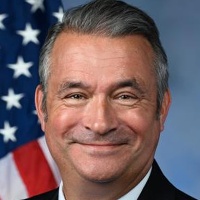
Don Bacon
Representative
NE
Don Bacon
Representative
NE
The Fighter Force Preservation and Recapitalization Act of 2025 aims to modernize and maintain the Air Force's fighter aircraft fleet by increasing the minimum number of fighter aircraft, requiring detailed reports on the fleet's status, prioritizing the assignment of new aircraft to existing squadrons, and preserving the Air National Guard's fighter capabilities. The act mandates the Air Force to assign at least three out of every four new advanced fighter aircraft to existing Air Force fighter squadrons and maintain at least 25 Air National Guard fighter aircraft squadrons. Additionally, it requires the Secretary of the Air Force to develop and submit an annual modernization plan for the Air National Guard's fighter fleet to Congress. The Act defines specific categories of fighter aircraft to clarify modernization efforts.
The ACRE Act of 2025 creates a federal tax exemption for qualified lenders on interest earned from loans secured by rural or agricultural real property, excluding loans to foreign adversary entities.
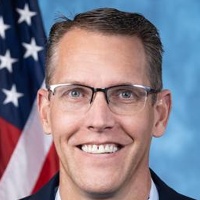
Randy Feenstra
Representative
IA
Randy Feenstra
Representative
IA
The Access to Credit for our Rural Economy Act of 2025 (ACRE Act) creates a new federal tax incentive for qualified lenders. This incentive excludes income earned from interest on loans secured by rural or agricultural real property from taxation. The goal is to encourage lending for agricultural, forestry, and certain rural home improvement purposes while prohibiting loans to foreign adversary entities.
The MERIT Act mandates the reinstatement of federal probationary employees affected by mass terminations occurring between January 20, 2025, and the Act's enactment, providing back pay and benefits.

LaMonica McIver
Representative
NJ
LaMonica McIver
Representative
NJ
The MERIT Act requires federal agencies to reinstate probationary employees who were terminated as part of a mass termination event between January 20, 2025, and the Act's enactment date, providing them with back pay and benefits. The Act also mandates reports on government employee terminations and the reinstatement process. It defines key terms such as "affected probationary employee" and "mass termination" to clarify the scope and applicability of the Act. This act ensures that affected employees are treated as involuntarily separated without cause and outlines the process for determining back pay and providing notice to eligible employees.
The "Safe Schools Improvement Act" amends the Elementary and Secondary Education Act of 1965, requiring states to establish policies that prevent and prohibit bullying and harassment in schools based on protected characteristics, ensuring a safe and inclusive learning environment for all students.

Linda Sánchez
Representative
CA
Linda Sánchez
Representative
CA
The Safe Schools Improvement Act aims to reduce bullying and harassment in schools by requiring states to establish policies prohibiting such conduct based on various characteristics, including race, sex, religion, and disability. It mandates annual notifications, data collection on incidents, biennial evaluations of programs, and regular reports to Congress to ensure accountability and effectiveness. This act does not infringe on existing nondiscrimination laws or freedom of speech but seeks to create a safer, more inclusive learning environment for all students.
The "Roberto Clemente Commemorative Coin Act" directs the Treasury to mint coins in 2027 honoring Roberto Clemente, with surcharges benefiting the Roberto Clemente Foundation.
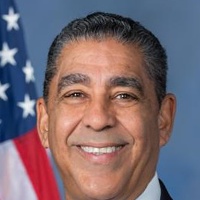
Adriano Espaillat
Representative
NY
Adriano Espaillat
Representative
NY
The Roberto Clemente Commemorative Coin Act directs the Department of Treasury to mint and issue gold, silver, and half-dollar coins in 2027 to commemorate the life and legacy of Roberto Clemente. The coins' designs will represent Clemente's life, including his baseball achievements and humanitarian work. Surcharges from the coin sales will benefit the Roberto Clemente Foundation, supporting their educational programs, youth sports initiatives, disaster relief efforts, and historic preservation projects. The Act ensures that the coin program will not incur any net cost to the United States government.
The EARLY Minds Act supports state-level mental health prevention and early intervention programs for children and adolescents.
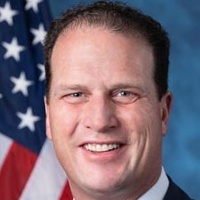
August Pfluger
Representative
TX
August Pfluger
Representative
TX
The "EARLY Minds Act" amends the Public Health Service Act to emphasize early intervention for mental health by requiring states to outline prevention strategies in their plans. States can use up to 5% of their funding to support these programs. The Secretary must report to Congress biennially on state prevention and early intervention activities, including outcomes and demographics.
The Rural Veterans Transportation to Care Act expands transportation grants to include rural areas, broadens eligible recipients, increases grant amounts, and removes funding limits to improve healthcare access for veterans.

Marie Gluesenkamp Perez
Representative
WA
Marie Gluesenkamp Perez
Representative
WA
The Rural Veterans Transportation to Care Act expands the Department of Veterans Affairs' transportation grant program to include rural areas, not just highly rural ones. It broadens the range of eligible grant recipients to include county veterans service organizations and tribal organizations. The bill also increases the maximum grant amount to $60,000, with a possible increase to $80,000 for vehicle purchases needed to comply with the Americans with Disabilities Act and authorizes necessary funding by removing the previous funding limit.
The PAST Act of 2025 significantly strengthens the Horse Protection Act by increasing penalties, banning specific action devices, and mandating licensed inspectors to combat the practice of horse soring.
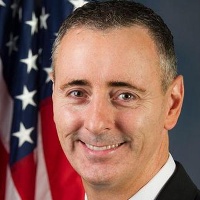
Brian Fitzpatrick
Representative
PA
Brian Fitzpatrick
Representative
PA
The PAST Act of 2025 significantly strengthens the Horse Protection Act to combat the painful practice of soring in specific horse breeds. This bill increases penalties for violations, establishes stricter licensing and oversight for inspectors, and explicitly bans the use of "action devices" designed to cause unnatural gaits. The legislation aims to enhance enforcement, ensure fairer competition, and hold violators accountable through increased fines and disqualifications.
This act reinstates criminal penalties for individuals who charge unauthorized fees to veterans for assisting with claims for VA benefits.

Chris Pappas
Representative
NH
Chris Pappas
Representative
NH
The GUARD VA Benefits Act establishes criminal penalties for individuals who charge veterans unauthorized fees for assisting with claims for benefits administered by the Department of Veterans Affairs. This legislation amends existing law to prohibit soliciting, contracting for, or receiving compensation for preparing or prosecuting VA benefit claims, except where explicitly authorized by other statutes.
The SAFE Act of 2025 amends existing law to include equines (horses) in the prohibition of slaughtering animals for human consumption.

Vern Buchanan
Representative
FL
Vern Buchanan
Representative
FL
The SAFE Act of 2025 amends existing legislation to explicitly prohibit the slaughter of horses for human consumption, reinforcing protections for these animals. This bill seeks to prevent the inhumane treatment of American equines by closing loopholes that allow their slaughter and export for human consumption.
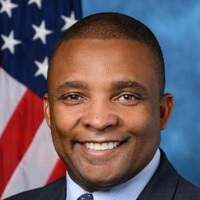
This bill modifies the definition of "qualifying single source drug" under the Social Security Act to include certain advanced drugs using genetically targeted technology for a limited time.
Donald Davis
Representative
NC
Donald Davis
Representative
NC
The "Maintaining Investments in New Innovation Act" amends the Social Security Act's definition of "qualifying single source drug" to include advanced drugs using genetically targeted technology. This update applies to drugs that can modify gene function, potentially impacting drug pricing and access regulations under the Act.
This bill provides increased benefits to surviving spouses of veterans who die from ALS and requires a report on other service-connected disabilities that should receive similar treatment.
Brian Fitzpatrick
Representative
PA
Brian Fitzpatrick
Representative
PA
The Justice for ALS Veterans Act of 2025 provides increased dependency and indemnity compensation to surviving spouses of veterans who die from ALS, regardless of the duration of the illness. To be eligible, the surviving spouse must have been married to the veteran for at least eight years, and the veteran must have died on or after October 1, 2025. Additionally, the bill requires the Secretary of Veterans Affairs to submit a report to Congress identifying other service-connected disabilities that should receive similar treatment as ALS under existing compensation guidelines.
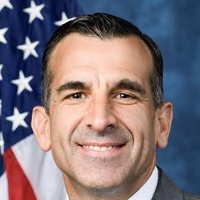
The MEME Act prohibits elected and high-ranking federal officials, as well as their families, from using their positions for personal financial gain by promoting or benefiting from financial instruments like stocks, commodities, and digital assets, with penalties including fines, imprisonment, and civil lawsuits.
Sam Liccardo
Representative
CA
Sam Liccardo
Representative
CA
The MEME Act prohibits elected and other high-ranking federal officials, as well as their families, from promoting financial assets, including securities, commodities, and digital assets, for personal gain. It allows the Attorney General, private parties, and others to sue violators. Violators may face civil penalties up to $250,000, be required to return profits to the Treasury, and may face criminal penalties including fines and imprisonment. The Act aims to prevent public officials from using their positions for personal financial benefit, addressing bribery, insider trading, and corrupt foreign influence.
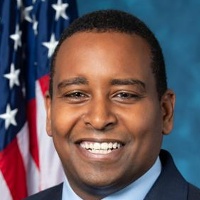
The Colorado Outdoor Recreation and Economy Act aims to conserve and manage land in Colorado by expanding wilderness areas, protecting wildlife, promoting responsible energy development, and establishing the Curecanti National Recreation Area.
Joe Neguse
Representative
CO
Joe Neguse
Representative
CO
* **Title I (Continental Divide):** Expands wilderness areas and designates wildlife conservation areas within the White River National Forest and Rocky Mountain National Park to protect natural habitats and recreational spaces, while also protecting existing rights and uses. * **Title II (San Juan Mountains):** Focuses on land management and conservation in the San Juan Mountains region by expanding wilderness protections, designating new special management areas, and protecting traditional tribal rights. * **Title III (Thompson Divide):** Withdraws the Thompson Divide area from mineral and geothermal leasing to protect its natural resources, offers compensation to leaseholders, and establishes a methane capture program to reduce emissions from coal mines. * **Title IV (Curecanti National Recreation Area):** Establishes the Curecanti National Recreation Area as part of the National Park System, outlining management, land acquisition, and usage guidelines to ensure preservation while allowing for recreational activities and existing rights.
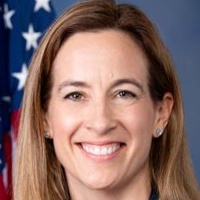
The "Access to Reproductive Care for Servicemembers Act" ensures that members of the Armed Forces and their dependents can access leave and travel reimbursement for reproductive health care services, including abortion and fertility treatments, not covered by the Department of Defense, while safeguarding their privacy and prohibiting adverse actions.
Mikie Sherrill
Representative
NJ
Mikie Sherrill
Representative
NJ
The "Access to Reproductive Care for Servicemembers Act" ensures that members of the Armed Forces and their dependents can access leave and reimbursement for travel expenses related to abortion services and assisted reproductive technology, such as in vitro fertilization, when these services are not available nearby. It protects the privacy of service members seeking such care and prohibits any adverse actions against them for utilizing these provisions. The bill aims to address barriers to reproductive healthcare created by state abortion restrictions and logistical challenges faced by military personnel.
This bill regulates large capacity ammunition feeding devices, making it illegal to import, sell, manufacture, transfer, or possess them, with certain exceptions for law enforcement and other entities, and allows for Byrne grants to be used for buy-back programs.

Diana DeGette
Representative
CO
Diana DeGette
Representative
CO
The "Keep Americans Safe Act" aims to regulate large capacity ammunition feeding devices by making it illegal to import, sell, manufacture, transfer, or possess magazines holding more than 15 rounds, with exceptions for law enforcement, government entities, and devices lawfully possessed before the law's enactment. It also permits the use of Byrne grants for buy-back programs of these devices and mandates that newly manufactured devices be marked with identifying information. Violators of this Act will face penalties under existing provisions of Title 18 of the U.S. Code.
The American Dream and Promise Act of 2025 provides a pathway to permanent residency for eligible individuals who came to the U.S. as children, or who have Temporary Protected Status (TPS) or Deferred Enforced Departure (DED) status.
Sylvia Garcia
Representative
TX
Sylvia Garcia
Representative
TX
The American Dream and Promise Act of 2025 provides a pathway to permanent residency for eligible individuals who entered the United States as children and those with Temporary Protected Status (TPS) or Deferred Enforced Departure (DED). Title I, the Dream Act of 2025, establishes conditional permanent residency for eligible individuals who entered the U.S. as children. Title II, the American Promise Act of 2025, allows the Secretary of Homeland Security or the Attorney General to grant permanent resident status to eligible individuals from TPS or DED countries. Title III outlines general provisions, such as background checks, application processes, and fee exemptions, applicable to all seeking to adjust their status under this Act.