Legislative Activity
Track Jimmy's sponsored bills, co-sponsored legislation, and voting record
This Act establishes grant programs and student loan repayment to increase the number of mental health service providers working in low-income schools.
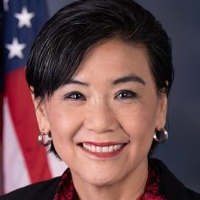
Judy Chu
Representative
CA
Judy Chu
Representative
CA
The Increasing Access to Mental Health in Schools Act establishes grant programs to build pipelines that train and place more mental health providers in low-income schools. It also creates a student loan repayment program for providers who commit to working in these underserved districts for five years. The bill aims to improve student support ratios by increasing the number of school counselors, psychologists, and social workers in high-need areas. Finally, it mandates a study to develop future criteria for identifying areas with mental health provider shortages.
This act mandates Medicare coverage for FDA-approved early detection screening tests for Alzheimer's disease and related dementias beginning in 2028.
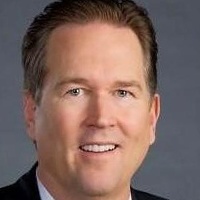
Vern Buchanan
Representative
FL
Vern Buchanan
Representative
FL
The Alzheimer’s Screening and Prevention Act of 2025 (ASAP Act) amends Medicare to cover early detection screening tests for Alzheimer's disease and related dementias starting in 2028. This coverage applies to FDA-cleared tests, including genomic sequencing and other equivalent diagnostic methods, designed to detect pre-symptomatic or early-stage conditions. The bill ensures these screenings are added to the list of covered medical services under Medicare.
This bill authorizes the minting and sale of commemorative gold, silver, and clad coins in 2029 to celebrate the history and contributions of the United States Foreign Service, with surcharges benefiting the Association for Diplomatic Studies and Training.
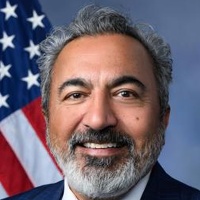
Ami Bera
Representative
CA
Ami Bera
Representative
CA
This Act authorizes the Secretary of the Treasury to mint and issue a series of commemorative gold, silver, and clad coins in 2029 to celebrate the centennial of the United States Foreign Service. The coins will feature designs representing the importance of American diplomacy and the contributions of the Foreign Service. All surcharges collected from the sale of these coins will be paid to the Association for Diplomatic Studies and Training to support its historical preservation work. The Treasury must ensure that the minting and issuance of these coins result in no net cost to the U.S. government.
This bill officially renames the United States Postal Service facility at 28201 Franklin Parkway in Santa Clarita, California, as the "Deputy Ryan Clinkunbroomer Post Office Building."
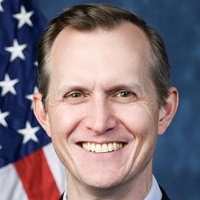
George Whitesides
Representative
CA
George Whitesides
Representative
CA
This bill officially designates the United States Postal Service facility at 28201 Franklin Parkway in Santa Clarita, California, as the "Deputy Ryan Clinkunbroomer Post Office Building." The legislation ensures that all future official references to this location will use the new name.
This bill establishes sanctions against foreign individuals responsible for human rights violations against LGBTQI people and mandates enhanced tracking and reporting of such abuses in annual human rights reports.
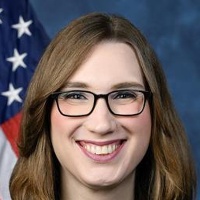
Sarah McBride
Representative
DE
Sarah McBride
Representative
DE
The Global Respect Act aims to promote and protect the human rights of LGBTQI individuals worldwide. It mandates the President to identify and report foreign persons responsible for human rights violations against LGBTQI people, leading to their inadmissibility to the United States. Furthermore, the Act requires enhanced tracking and reporting of violence and discrimination targeting individuals based on sexual orientation, gender identity, or sex characteristics in the annual human rights reports.
This Act establishes an interagency task force to combat foreign robocalls, modifies FCC review frequency, introduces a bond requirement for the Robocall Mitigation Database, and grants immunity for private efforts to trace unlawful robocall origins.
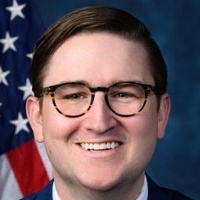
Addison McDowell
Representative
NC
Addison McDowell
Representative
NC
The Foreign Robocall Elimination Act establishes an interagency taskforce to study and recommend strategies for combating unlawful robocalls originating from outside the United States. It also grants the FCC authority to require providers to post a bond to ensure integrity in the Robocall Mitigation Database. Furthermore, the bill provides legal immunity for private consortiums tracing the origin of these illegal calls and allows for the publication of non-cooperative providers.
This bill updates the Medicare physician fee schedule conversion factor annually based on the Medicare Economic Index starting in 2026.
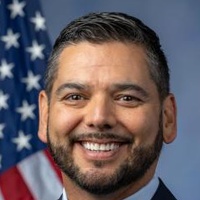
Raul Ruiz
Representative
CA
Raul Ruiz
Representative
CA
This bill, the Strengthening Medicare for Patients and Providers Act, updates how Medicare physician payments are adjusted annually starting in 2026. It mandates that the annual update to the Medicare physician fee schedule conversion factor will be directly tied to the estimated percentage increase in the Medicare Economic Index (MEI). This change ensures physician payment updates reflect economic changes measured by the MEI for 2026 and beyond.
This bill creates an exception to the prohibition on offering remuneration to influence healthcare decisions, allowing payments to information service providers for bookable directories, provided strict consumer protection and fairness criteria are met.
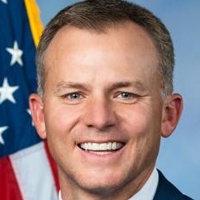
Blake Moore
Representative
UT
Blake Moore
Representative
UT
The Health ACCESS Act amends federal law to create an exception to prohibitions against offering remuneration to influence healthcare decisions. This change specifically allows providers to pay information service platforms for participation, provided the platform adheres to strict guidelines ensuring unbiased consumer choice. These guidelines prohibit steering patients, targeted marketing, and sharing consumer contact information outside of a confirmed selection. Ultimately, this bill aims to facilitate easier consumer access to healthcare providers through regulated self-scheduling platforms.
This act repeals specific sections of a prior reconciliation act to restore previous laws affecting American families and farmers.
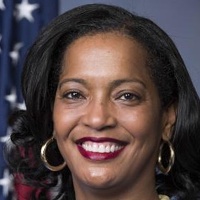
Jahana Hayes
Representative
CT
Jahana Hayes
Representative
CT
The Restoring Food Security for American Families and Farmers Act of 2025 aims to strengthen domestic food security by repealing specific sections of a prior reconciliation act. This action effectively revives the original laws that were previously amended by the repealed provisions. The bill seeks to revert existing agricultural and food-related statutes to their pre-amendment status.
This bill extends and modifies premium tax credits under the Affordable Care Act, increasing assistance amounts and expanding eligibility for higher-income taxpayers through 2029.
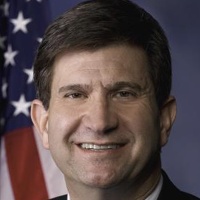
Bradley Schneider
Representative
IL
Bradley Schneider
Representative
IL
The Keep Healthcare Affordable Act extends and enhances premium tax credits under the Internal Revenue Code through 2030. This legislation increases the affordability assistance amounts and modifies eligibility rules for higher-income taxpayers. Specifically, it raises the maximum household income percentage for credit eligibility up to 1000 percent through 2029.
This Act establishes strict standards, training, and reporting requirements for federal immigration enforcement personnel regarding the use of force, identification, and equipment.
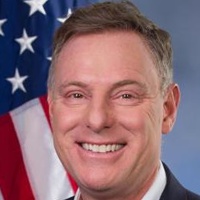
Scott Peters
Representative
CA
Scott Peters
Representative
CA
The Stop Excessive Force in Immigration Act of 2025 establishes strict new standards for the use of non-deadly force by federal immigration personnel, requiring proportionality and de-escalation efforts. The bill mandates identification requirements, restricts the use of certain crowd-control equipment, and imposes new body camera and detailed reporting mandates. Furthermore, it creates affirmative duties for officers to intervene against excessive force and requires annual training on these new policies.
This Act ensures uninterrupted funding and operation for the SNAP and WIC programs through fiscal year 2026, even if appropriations for the Department of Agriculture are delayed.
Jahana Hayes
Representative
CT
Jahana Hayes
Representative
CT
The Keep SNAP and WIC Funded Act of 2025 ensures that the Supplemental Nutrition Assistance Program (SNAP) and the Special Supplemental Nutrition Program for Women, Infants, and Children (WIC) continue to operate without interruption in fiscal year 2026 if standard appropriations are delayed. If funding lapses, the Secretary of Agriculture is authorized to use funds from the Treasury to provide benefits and reimburse state agencies. This special funding remains in effect until full appropriations are enacted or until September 30, 2026.
This Act establishes a grant program within the Department of the Interior to fund the preservation of historic military vessels for public education.
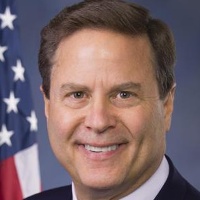
Donald Norcross
Representative
NJ
Donald Norcross
Representative
NJ
The Save Our Ships Act establishes the Historic Naval Ship Preservation Grant Program within the Department of the Interior. This program will provide competitive grants to support the physical preservation of historic military vessels for public education. The grants can also fund workforce development programs related to maritime careers. The legislation authorizes $5 million annually for the program starting in fiscal year 2026.
This bill mandates the addition of the 74 crew members of the USS Frank E. Evans, killed in action on June 3, 1969, to the Vietnam Veterans Memorial Wall.
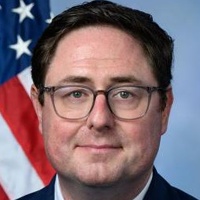
Mike Flood
Representative
NE
Mike Flood
Representative
NE
The USS Frank E. Evans Act mandates the Secretary of Defense to add the names of the 74 crew members lost when the USS Frank E. Evans sank on June 3, 1969, to the Vietnam Veterans Memorial Wall. This action must be completed within one year of the Act becoming law. The Secretary is required to consult with relevant authorities regarding space on the Memorial Wall for these additions.
This resolution expresses support for designating the week beginning November 3, 2025, as National School Psychology Week to recognize the vital role of school psychologists in student development.
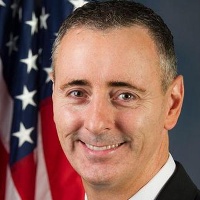
Brian Fitzpatrick
Representative
PA
Brian Fitzpatrick
Representative
PA
This resolution expresses support for designating the week beginning November 3, 2025, as "National School Psychology Week." It recognizes the vital role school psychologists play in supporting the mental health and academic development of students. The bill encourages appropriate activities to promote awareness of their contributions to student success.
This bill authorizes the President to extend normal trade relations to products from any country except Belarus, Cuba, and North Korea.
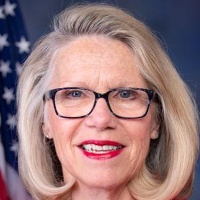
Carol Miller
Representative
WV
Carol Miller
Representative
WV
This bill grants the President the authority to extend nondiscriminatory trade treatment (normal trade relations) to products from specific countries. This action effectively terminates the application of Title IV of the Trade Act of 1974 for those designated countries, excluding Belarus, Cuba, and North Korea.
This Act automatically funds government operations for 14-day periods during funding lapses and imposes restrictions on travel and legislative procedures for certain officials until appropriations are enacted.
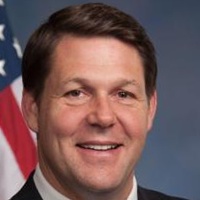
Jodey Arrington
Representative
TX
Jodey Arrington
Representative
TX
The Prevent Government Shutdowns Act automatically appropriates funding for federal programs at the rate of the preceding funding law for 14-day periods whenever a lapse in appropriations occurs. This automatic funding continues until a new appropriation Act is enacted or the automatic authority expires. Furthermore, the bill imposes strict limitations on official travel for covered Members of Congress and their staff, and restricts legislative business during these automatic funding periods. These budgetary effects are to be treated as discretionary, part-year appropriations for enforcement purposes.
This resolution supports the goals of National Domestic Violence Awareness Month, highlights the pervasive and devastating impact of intimate partner violence across all demographics, and calls for increased funding for prevention and support programs.
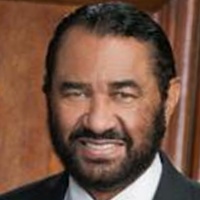
Al Green
Representative
TX
Al Green
Representative
TX
This resolution designates October as National Domestic Violence Awareness Month to highlight the widespread and devastating impact of intimate partner violence across all demographics. It recognizes the urgent need to eliminate domestic violence and supports increased funding for intervention and prevention programs. The resolution underscores the severe physical, emotional, and economic toll this abuse takes on individuals, families, and communities.
This bill extends and modifies various tax credits for energy production, efficiency improvements, and clean vehicle adoption to lower energy costs and support American energy leadership.
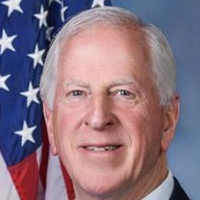
Mike Thompson
Representative
CA
Mike Thompson
Representative
CA
The American Energy Independence and Affordability Act is a comprehensive bill designed to lower energy costs by extending and adjusting key tax incentives across energy production, efficiency, and clean vehicle adoption. It stabilizes support for renewable energy manufacturing, extends deadlines for energy-efficient building credits, and ensures consumer incentives for electric vehicles remain available through 2032. Overall, the legislation aims to provide long-term certainty for energy investments and consumer adoption of cleaner technologies.
This resolution condemns Hamas for assassinating innocent Palestinians in Gaza following a ceasefire agreement.
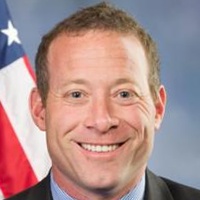
Josh Gottheimer
Representative
NJ
Josh Gottheimer
Representative
NJ
This resolution condemns Hamas for its campaign of assassinations and intimidation against innocent Palestinian civilians in Gaza following a recent ceasefire agreement. The House of Representatives expresses strong disapproval of these terroristic acts aimed at regaining territorial control. Furthermore, the resolution reaffirms the U.S. commitment to supporting the ceasefire and promoting stability for civilians in Gaza.