
Legislative Activity
Track Scott's sponsored bills, co-sponsored legislation, and voting record
This resolution officially recognizes the 250th anniversary of the United States Navy, celebrating its history, global strength, and vital contributions to national security and diplomacy.
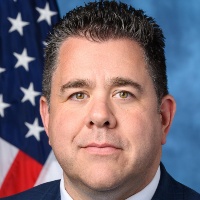
Nicolas LaLota
Representative
NY
Nicolas LaLota
Representative
NY
This resolution officially recognizes the 250th birthday of the United States Navy, celebrating its long history since the Continental Navy was established in 1775. Congress expresses deep gratitude for the bravery and dedication of all past and present Sailors who have defended the nation. The bill reaffirms the Navy's vital role in global security, humanitarian efforts, and maintaining American strength worldwide.
This Act mandates that most health insurance plans, Medicare Part D, Medicaid, and CHIP must cover specific, currently recommended vaccines without out-of-pocket costs for a limited time.

Frank Pallone
Representative
NJ
Frank Pallone
Representative
NJ
The Protecting Free Vaccines Act mandates that most private health insurance plans must cover specific vaccines recommended by the CDC's Advisory Committee on Immunization Practices (ACIP) without any out-of-pocket costs until January 1, 2030. This requirement also updates coverage rules for Medicare Part D, Medicaid, and CHIP to ensure continuity of coverage for these recommended immunizations. The bill locks in coverage based on the ACIP recommendations in place as of October 25, 2024, across various federal health programs.
This House resolution strongly condemns all forms of political violence and demands an end to dehumanizing rhetoric against political opponents.

Marc Veasey
Representative
TX
Marc Veasey
Representative
TX
This House Resolution strongly condemns all forms of political violence and threats against elected officials and public figures, regardless of political affiliation. It affirms that disagreements must be resolved through peaceful and democratic means, not intimidation or force. The resolution urges law enforcement to prosecute those who commit or encourage such violence. Finally, it calls on all leaders to cease using dehumanizing rhetoric and promote civil discourse.
This bill establishes stricter, mandatory prompt payment deadlines and penalties for Medicare Advantage organizations when paying clean claims submitted by healthcare providers.
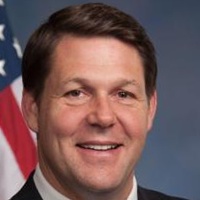
Jodey Arrington
Representative
TX
Jodey Arrington
Representative
TX
The Medicare Advantage Prompt Pay Act establishes stricter deadlines for Medicare Advantage organizations to pay clean claims submitted by doctors and suppliers. This legislation mandates that MA plans must pay at least 95% of electronic claims within 14 days and other clean claims within 30 days, starting January 1, 2027. Failure to meet these new prompt payment requirements will result in mandatory interest payments to providers and potential civil monetary penalties of up to $25,000 per violation for the MA organization. The Act also requires MA plans to begin reporting detailed data on their payment timeliness to the Secretary.
This bill mandates that federally funded higher education institutions update their harassment policies to explicitly cover technology-facilitated harassment and establishes a competitive grant program to fund anti-harassment initiatives.
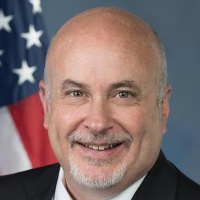
Mark Pocan
Representative
WI
Mark Pocan
Representative
WI
The Tyler Clementi Higher Education Anti-Harassment Act of 2025 mandates that colleges receiving federal funds update their policies to explicitly prohibit and detail procedures for addressing harassment based on protected characteristics, including technology-facilitated abuse. The bill also establishes a competitive grant program, funded up to $50 million annually, to support campus efforts in harassment prevention, training, and support services. This legislation adds new requirements without superseding existing civil rights protections.
This bill ensures Medicare coverage for certain breakthrough medical devices during a four-year transitional period while accelerating the final coverage decision process.
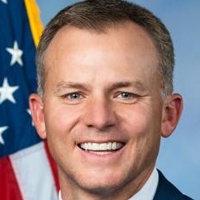
Blake Moore
Representative
UT
Blake Moore
Representative
UT
This Act, the Ensuring Patient Access to Critical Breakthrough Products Act, aims to speed up Medicare coverage for innovative, FDA-approved "breakthrough devices." It establishes a process for manufacturers to gain a four-year transitional coverage period for these devices, ensuring patients have timely access while long-term coverage decisions are finalized. The bill also allocates funding to CMS to manage these expedited reviews and allows for oversight of provider billing practices related to these new technologies.
This bill mandates dedicated, funded resources for specialized 988 Suicide Prevention Lifeline services for LGBTQ+ youth.
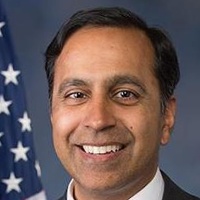
Raja Krishnamoorthi
Representative
IL
Raja Krishnamoorthi
Representative
IL
The **988 LGBTQ+ Youth Access Act of 2025** addresses the high rates of suicide risk among LGBTQ youth by strengthening specialized support through the national crisis hotline. This bill mandates that dedicated resources and services, such as a specific dialing option, must be maintained for LGBTQ individuals contacting 988. Furthermore, it requires that at least 9 percent of appropriated funds for the hotline be specifically reserved to ensure these specialized services for LGBTQ youth remain fully operational.
This bill amends the Social Security Act to provide Medicare coverage for FDA-approved multi-cancer early detection screening tests starting in 2028.
Jodey Arrington
Representative
TX
Jodey Arrington
Representative
TX
The Nancy Gardner Sewell Medicare Multi-Cancer Early Detection Screening Coverage Act amends the Social Security Act to provide Medicare Part B coverage for multi-cancer early detection screening tests starting January 1, 2028. This legislation establishes clear criteria for qualifying tests and outlines payment structures to ensure beneficiaries have access to these advanced diagnostic tools. Importantly, this coverage is designed to complement, rather than replace, existing Medicare-covered cancer screenings.
This Act ensures the automatic continuation of pay for active duty military personnel and essential civilian support staff if Congress fails to pass a budget for fiscal year 2026.
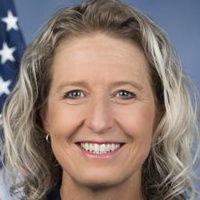
Jennifer Kiggans
Representative
VA
Jennifer Kiggans
Representative
VA
The Pay Our Troops Act of 2026 ensures that active duty military personnel and essential civilian support staff continue to receive their pay if Congress has not yet passed the full budget for fiscal year 2026. This act provides automatic continuing appropriations from the Treasury to prevent a lapse in military salaries due to budget delays. The funding automatically terminates once a new budget or continuing resolution is passed, or on January 1, 2027, whichever comes first.
This bill extends the authorization for the Small Business Innovation Research (SBIR) and Small Business Technology Transfer (STTR) programs and related activities for one additional year, through fiscal year 2026.
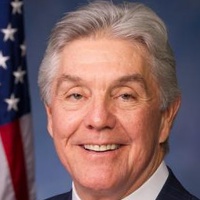
Roger Williams
Representative
TX
Roger Williams
Representative
TX
This bill primarily focuses on extending the authorization for the Small Business Innovation Research (SBIR) and Small Business Technology Transfer (STTR) programs by one year. It pushes the expiration dates for the core programs and several related pilot activities from fiscal year 2025 to fiscal year 2026. This ensures continued federal research and development funding opportunities for small businesses.
The George Floyd Justice in Policing Act of 2025 comprehensively reforms policing by increasing accountability, mandating transparency through data collection, restricting dangerous tactics, and prohibiting sexual misconduct by officials acting under color of law.
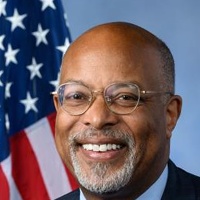
Glenn Ivey
Representative
MD
Glenn Ivey
Representative
MD
The George Floyd Justice in Policing Act of 2025 is a comprehensive bill designed to increase police accountability and transparency nationwide through federal mandates and funding incentives. It reforms standards for prosecuting civil rights violations, eliminates qualified immunity, and establishes national registries for police misconduct and use-of-force data. Furthermore, the Act bans specific dangerous police tactics like chokeholds and restricts the transfer of military equipment to local departments.
This Act mandates the President to review specific Azerbaijani officials for potential U.S. sanctions based on findings of human rights abuses, forced displacement, and mistreatment of detainees.

Dina Titus
Representative
NV
Dina Titus
Representative
NV
The Azerbaijan Sanctions Review Act of 2025 mandates the President to review specific Azerbaijani government and military officials for potential U.S. sanctions. This review is prompted by Congressional findings detailing severe human rights abuses, including the forced displacement from Nagorno-Karabakh and the alleged war crimes committed by Azerbaijani forces. The President must report to Congress within 180 days on whether these individuals meet the criteria for sanctions under existing human rights and anti-corruption laws. This action aims to address ongoing abuses and the detention of political figures and prisoners of war.
The FAIR Act of 2025 invalidates pre-dispute arbitration agreements and joint-action waivers for employment, consumer, antitrust, and civil rights claims, while preserving the right to voluntary arbitration after a dispute arises.

Henry Johnson
Representative
GA
Henry Johnson
Representative
GA
The FAIR Act of 2025 invalidates pre-dispute arbitration agreements and class action waivers for employment, consumer, antitrust, and civil rights claims. This law restores the right for individuals to pursue these disputes in court or through collective legal action. The provisions apply to all covered disputes arising on or after the date the Act is enacted.
This bill extends the special rule allowing low emission and energy efficient vehicles access to HOV lanes until the end of 2026 and mandates a study on the effectiveness of this provision.
Nicolas LaLota
Representative
NY
Nicolas LaLota
Representative
NY
This bill extends the special rule allowing low emission and energy-efficient vehicles access to High Occupancy Vehicle (HOV) lanes until December 31, 2026. It also mandates a study by the Secretary of Transportation to evaluate the effectiveness of this provision on reducing traffic congestion.
This bill establishes advance appropriations for key Bureau of Indian Affairs, Bureau of Indian Education, and Indian Health Service programs starting in fiscal year 2026 and mandates forward-looking budget estimates to improve planning.
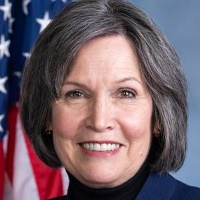
Betty McCollum
Representative
MN
Betty McCollum
Representative
MN
The Indian Programs Advance Appropriations Act of 2025 establishes a system of advance appropriations for key Bureau of Indian Affairs (BIA), Bureau of Indian Education (BIE), and Indian Health Service (IHS) programs starting in fiscal year 2026. This legislation mandates that budget requests must include forward-looking funding estimates for the subsequent fiscal year to improve agency planning and transparency. Furthermore, the bill requires annual reporting to Congress on resource adequacy for these critical services after consultation with Tribal nations.
The RESULTS Act reforms how Medicare determines payment rates for clinical diagnostic laboratory tests by mandating the use of comprehensive, real-world private payor claims data collected from an independent entity.
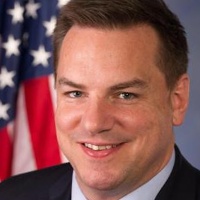
Richard Hudson
Representative
NC
Richard Hudson
Representative
NC
The Reforming and Enhancing Sustainable Updates to Laboratory Testing Services Act of 2025 (RESULTS Act) aims to improve Medicare payment rates for clinical lab tests by mandating the collection of more accurate, real-world payment data directly from large, independent private insurance claims databases. This legislation updates definitions, collection timelines, and calculation methods to ensure Medicare payments for widely available tests reflect current market rates. It also establishes default payment rules if sufficient private payor data cannot be secured.
This Act strengthens enforcement for humane animal transport and prohibits the interstate movement of unfit livestock, with an exception for veterinary care.
Dina Titus
Representative
NV
Dina Titus
Representative
NV
The Humane Transport of Farmed Animals Act strengthens oversight of animal transportation by establishing new inspection and investigation powers for federal agencies. It also strictly prohibits the interstate movement of livestock deemed unfit to travel, based on established international animal health standards. This ensures that only healthy and capable animals are shipped across state lines, with an exception made only for necessary veterinary care.
The Healthcare Workforce Resilience Act recaptures unused employment-based immigrant visas to provide 40,000 reserved visas for professional nurses and physicians, while also expediting their processing without charging premium processing fees.
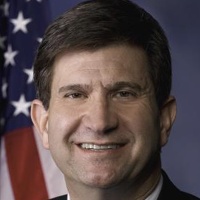
Bradley Schneider
Representative
IL
Bradley Schneider
Representative
IL
The Healthcare Workforce Resilience Act aims to strengthen the U.S. healthcare system by recapturing unused employment-based immigrant visas from 1992 through 2024. This legislation specifically reserves up to 40,000 of these visas for professional nurses and physicians, ensuring they are not subject to annual country caps. The bill also mandates expedited processing for these healthcare professionals without imposing premium processing fees, while requiring employers to attest that hiring these workers will not displace U.S. employees.
This act removes a federal payment limitation for certain state Medicaid home and community-based services (HCBS) waivers.

Debbie Dingell
Representative
MI
Debbie Dingell
Representative
MI
The HCBS Worker Protection Act of 2025 removes a federal payment limitation for certain home and community-based services (HCBS) waivers under Medicaid. This change grants states greater flexibility in receiving federal matching funds for these essential community services.
The **Congressional Power of the Purse Act** strengthens Congress's control over impoundment, mandates detailed federal spending transparency, and tightens oversight on the declaration and termination of national emergencies.
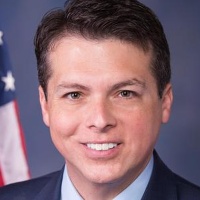
Brendan Boyle
Representative
PA
Brendan Boyle
Representative
PA
The Congressional Power of the Purse Act is a comprehensive bill designed to reassert Congressional authority over federal spending, emergency declarations, and executive branch financial oversight. It strengthens Congress's ability to prevent impoundment of appropriated funds, mandates greater transparency regarding unspent government money, and imposes strict time limits and review procedures on presidential declarations of national emergencies. Ultimately, the Act aims to increase accountability across the Executive Branch regarding the execution and management of taxpayer funds.