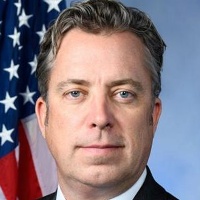
Legislative Activity
Track Andrew's sponsored bills, co-sponsored legislation, and voting record
This bill amends the Internal Revenue Code to prohibit the use of tax-advantaged health accounts, such as HSAs and FSAs, for abortion expenses, with narrow exceptions for rape, incest, or life-threatening medical conditions.
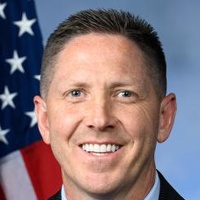
Josh Brecheen
Representative
OK
Josh Brecheen
Representative
OK
The Protecting Life in Health Savings Accounts Act amends the Internal Revenue Code to prohibit the use of tax-advantaged health accounts—including HSAs, FSAs, HRAs, and Archer MSAs—to pay for abortion expenses. The bill provides narrow exceptions for cases of rape, incest, or when the mother’s life is in danger. These changes are set to apply to taxable years beginning after December 31, 2025.
This bill prohibits the use of federal Medicaid and CHIP funds for elective abortions, including related travel and lodging expenses, while maintaining exceptions for cases of rape, incest, or life-threatening medical conditions.
Josh Brecheen
Representative
OK
Josh Brecheen
Representative
OK
The No Abortion Coverage for Medicaid Act prohibits the use of federal Medicaid and CHIP funds for elective abortions, including associated travel and lodging costs. It specifically restricts the Secretary of Health and Human Services from approving demonstration projects that provide financial assistance for abortion services. The bill includes exceptions for cases involving rape, incest, or medical emergencies where the life of the mother is at risk.
The Life at Conception Act declares that the constitutional right to life begins at the moment of fertilization and applies to every member of the species *homo sapiens* at all stages of development.
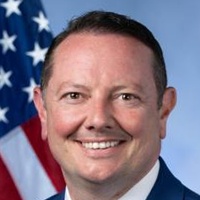
Eric Burlison
Representative
MO
Eric Burlison
Representative
MO
The Life at Conception Act declares that the constitutional right to life begins at the moment of fertilization, defining all human beings as persons from that point forward. The bill establishes legal personhood for every member of the species *homo sapiens* at all stages of development. Additionally, it explicitly prohibits the prosecution of any woman for the death of her unborn child.
The CBO Show Your Work Act mandates that the Congressional Budget Office publicly release the models, data, and computational details used in its legislative cost estimates to ensure transparency and independent replicability.
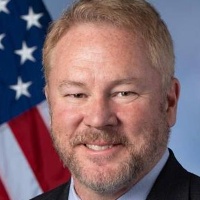
Warren Davidson
Representative
OH
Warren Davidson
Representative
OH
The CBO Show Your Work Act mandates that the Congressional Budget Office publicly release the models, data, and computational details used to estimate the fiscal and economic impacts of legislation. By requiring transparency and replicability, the bill ensures that outside parties can independently verify CBO findings. It also establishes clear protocols for handling confidential data to maintain privacy while maximizing public access to information.
This bill disapproves and nullifies the Environmental Protection Agency's rule on phasing down hydrofluorocarbons, as outlined in the American Innovation and Manufacturing Act of 2020.
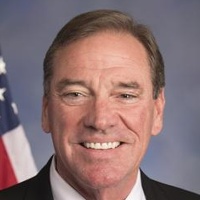
Neal Dunn
Representative
FL
Neal Dunn
Representative
FL
This bill disapproves and nullifies the Environmental Protection Agency's rule concerning the phasedown of hydrofluorocarbons, specifically addressing the management of certain hydrofluorocarbons and their substitutes as outlined in the American Innovation and Manufacturing Act of 2020.
The Born-Alive Abortion Survivors Protection Act requires health care practitioners to provide the same level of care to infants born alive after an abortion attempt as they would to any other newborn, mandating immediate hospitalization and imposing penalties for violations, while protecting the mother from prosecution. It also allows the mother of a child born alive to file a civil action against anyone who violated the act.
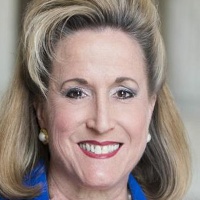
Ann Wagner
Representative
MO
Ann Wagner
Representative
MO
The "Born-Alive Abortion Survivors Protection Act" ensures that infants born alive after an abortion receive the same medical care as any other newborn, mandating immediate hospitalization and requiring healthcare practitioners to report any failures to comply. Violators face fines, imprisonment, and potential prosecution for homicide or attempted homicide, while the mother of the child cannot be prosecuted. The bill also allows the woman who had the abortion to file a civil action against anyone who violated the act. It defines abortion and attempts at abortion, and renames "Partial-Birth Abortions" to "Abortions" in relevant sections of the U.S. Code.
The FAIR Act of 2025 prohibits the federal government and recipients of federal aid from practicing or requiring discrimination or preferential treatment based on race, color, or national origin.
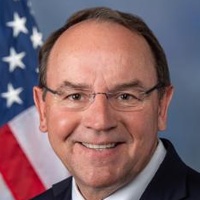
Thomas Tiffany
Representative
WI
Thomas Tiffany
Representative
WI
The FAIR Act of 2025 prohibits the federal government, federal contractors, and recipients of federal aid from practicing intentional discrimination or granting preferential treatment based on race, color, or national origin. The legislation mandates a comprehensive review of existing federal policies to ensure compliance and provides a legal pathway for individuals to seek remedies for violations.
The National Constitutional Carry Act prohibits state and local governments from restricting the public carry of firearms by individuals who are legally eligible to possess them under federal law.

Thomas Massie
Representative
KY
Thomas Massie
Representative
KY
The National Constitutional Carry Act seeks to protect the Second Amendment right of law-abiding citizens to carry firearms in public for self-defense. The bill prohibits state and local governments from imposing criminal or civil penalties on individuals who are legally eligible to possess firearms. By overriding restrictive local regulations, the legislation aims to ensure a uniform standard for the right to bear arms across the United States.
This bill mandates the dissolution of the Federal Insurance Office and redistributes its regulatory and oversight responsibilities to the Secretary of the Treasury and other federal financial agencies.
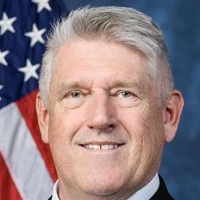
Troy Downing
Representative
MT
Troy Downing
Representative
MT
The Federal Insurance Office Elimination Act proposes the dissolution of the Federal Insurance Office (FIO) within the Department of the Treasury. This legislation removes the FIO from various financial oversight and regulatory processes, reassigning its responsibilities to the Secretary of the Treasury, the Federal Reserve, and other relevant agencies.
This bill prohibits all federal departments and agencies from providing direct or indirect financial contributions to the United Nations Population Fund.

Chip Roy
Representative
TX
Chip Roy
Representative
TX
The "No Taxpayer Funding for the U.N. Population Fund Act" prohibits all federal departments and agencies from providing direct or indirect financial contributions to the United Nations Population Fund. This legislation ensures that no U.S. taxpayer dollars are used to support the organization.
The SAVE Moms and Babies Act of 2025 prohibits the FDA from approving new abortion drugs and imposes strict federal restrictions on the distribution, usage, and reporting requirements for existing abortion medications.
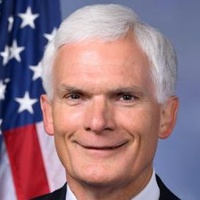
Robert Latta
Representative
OH
Robert Latta
Representative
OH
The SAVE Moms and Babies Act of 2025 prohibits the FDA from approving new abortion drugs and restricts the use of existing ones. The bill mandates strict safety protocols, including in-person administration requirements, expanded adverse event reporting, and limitations on gestational age for drug use.
The bill condemns a sermon given at the National Prayer Service on January 21, 2025, believing it was political activism.
Josh Brecheen
Representative
OK
Josh Brecheen
Representative
OK
This bill expresses the House of Representatives' belief that a sermon given at the National Prayer Service on January 21, 2025, was an act of political activism. The bill condemns the message delivered by the Right Reverend Mariann Edgar Budde during the service.
The Main Street Tax Certainty Act makes the 20% pass-through business income deduction permanent by removing its scheduled expiration after 2025.
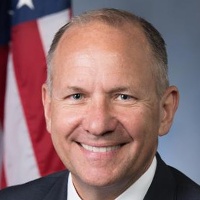
Lloyd Smucker
Representative
PA
Lloyd Smucker
Representative
PA
The Main Street Tax Certainty Act makes the 20% pass-through business income deduction permanent. By removing the current 2025 expiration date, this legislation ensures long-term tax relief for owners of qualified pass-through entities.
This bill proposes renaming the Washington Dulles International Airport in Virginia to the "Donald J. Trump International Airport."
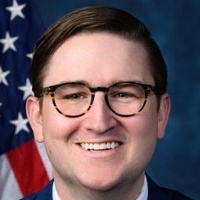
Addison McDowell
Representative
NC
Addison McDowell
Representative
NC
This bill proposes renaming the Washington Dulles International Airport in Virginia to the "Donald J. Trump International Airport." Upon enactment, all official U.S. documents, maps, and records referencing the airport would be updated to reflect this new designation.
This bill mandates that the Department of Defense provide a variety of milk options to service members at military dining facilities while prohibiting the purchase of milk from foreign adversaries.
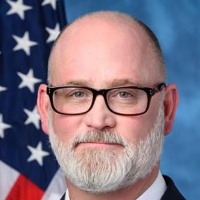
Derrick Van Orden
Representative
WI
Derrick Van Orden
Representative
WI
The Strengthening our Servicemembers with Milk Act requires the Department of Defense to provide a diverse range of milk options to service members at military dining facilities. The bill also mandates that all milk supplies be sourced exclusively from domestic or non-adversarial entities, prohibiting purchases from companies controlled by foreign adversaries.
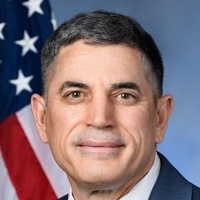
This resolution formally supports the "Day of Tears" by encouraging the lowering of U.S. flags to half-staff annually on January 22nd to memorialize the unborn.
Andrew Clyde
Representative
GA
Andrew Clyde
Representative
GA
This resolution formally expresses the House of Representatives' support for the "Day of Tears" to mourn the estimated 62 million unborn lives lost since 1973. It encourages the lowering of United States flags to half-staff on January 22nd each year to honor these lives. Furthermore, the resolution urges state legislatures to pass laws affirming the sanctity of life and improving abortion data collection.
This bill prohibits federal funding for any institution of higher education that hosts or is affiliated with a campus-based clinic providing abortions or abortion-inducing drugs.
Chip Roy
Representative
TX
Chip Roy
Representative
TX
The Protecting Life on College Campus Act of 2025 prohibits federal funding for any institution of higher education that hosts or is affiliated with campus-based clinics providing abortions or abortion-inducing drugs. To remain eligible for federal support, institutions must submit an annual certification confirming their compliance with these restrictions.
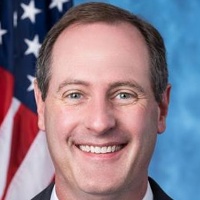
The Reining In Federal Licensing Enforcement (RIFLE) Act of 2025 reforms federal firearms licensing by establishing graduated penalty structures, enhancing due process protections for dealers, and limiting the Attorney General's authority in enforcement and revocation proceedings.
Tracey Mann
Representative
KS
Tracey Mann
Representative
KS
The Reining In Federal Licensing Enforcement (RIFLE) Act of 2025 reforms the federal firearms licensing system by establishing a graduated penalty structure that distinguishes between unintentional and willful violations. The bill mandates increased procedural protections for licensees, including expanded notice requirements, opportunities to cure violations, and the right to formal administrative hearings and judicial review. Additionally, it sets stricter standards for proving "willful" violations, provides a 90-day window for inventory liquidation upon license termination, and requires the Attorney General to establish formal, public standards for inspections and enforcement actions.
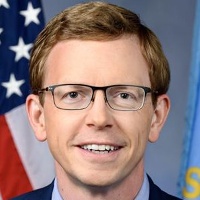
This bill proposes a constitutional amendment to permanently set the number of Supreme Court justices at nine, requiring ratification by three-fourths of the states within seven years.
Dusty Johnson
Representative
SD
Dusty Johnson
Representative
SD
This bill proposes a constitutional amendment to fix the number of Supreme Court justices at nine. For this amendment to be valid, three-fourths of the state legislatures must ratify it within seven years of its submission.
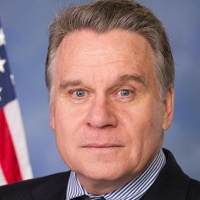
This bill prohibits federal funding for abortions and for health insurance plans that cover abortions, clarifies these prohibitions under the Affordable Care Act, and requires health plans to disclose the extent of their abortion coverage and any related surcharges.
Christopher Smith
Representative
NJ
Christopher Smith
Representative
NJ
The "No Taxpayer Funding for Abortion and Abortion Insurance Full Disclosure Act of 2025" seeks to prohibit the use of federal funds for abortions and for health plans that cover abortions, while allowing individuals and entities to purchase separate abortion coverage with non-federal funds. It clarifies that premium tax credits and cost-sharing reductions under the Affordable Care Act (ACA) cannot be used for health plans that include abortion coverage. The Act also revises notice requirements for health plans, mandating clear disclosure of abortion coverage and any associated premium surcharges to enrollees. Exceptions to the funding restrictions are included for cases of rape, incest, or when the mother's life is in danger.