
Legislative Activity
Track Ilhan's sponsored bills, co-sponsored legislation, and voting record
This joint resolution expresses congressional disapproval to stop an enhancement or upgrade to a planned defense article and services sale to the Government of Israel.
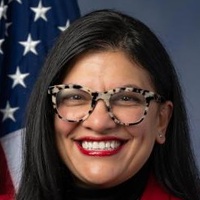
Rashida Tlaib
Representative
MI
Rashida Tlaib
Representative
MI
This joint resolution expresses congressional disapproval of an enhancement or upgrade to a previously planned foreign military sale of defense articles and services to the Government of Israel. Specifically, it blocks the proposed increase in the total value of the sale, which was necessitated by recent cost escalations for the equipment. The resolution effectively halts the more expensive, revised version of the defense transfer.
This bill expresses congressional disapproval to block the proposed foreign military sale of D9R and D9T Caterpillar bulldozers and associated support items to Israel.
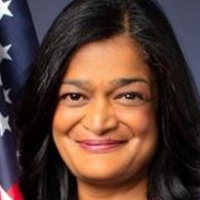
Pramila Jayapal
Representative
WA
Pramila Jayapal
Representative
WA
This bill seeks to disapprove and halt a specific proposed foreign military sale of defense articles and services to Israel. Specifically, it blocks the transfer of D9R and D9T Caterpillar bulldozers along with associated support equipment and services. Congress is exercising its authority to veto this particular sale as outlined in the Arms Export Control Act.
This joint resolution seeks to disapprove and block a proposed foreign military sale to Israel involving 1,000-pound bomb bodies and associated JDAM guidance kits.
Rashida Tlaib
Representative
MI
Rashida Tlaib
Representative
MI
This joint resolution seeks to disapprove and halt a specific proposed foreign military sale of defense articles and services to Israel. The blocked sale includes various 1,000-pound bomb bodies and associated Joint Direct Attack Munition (JDAM) guidance kits. This action uses congressional authority to stop the transfer outlined in Transmittal No. 2526.
This bill designates numerous specific tracts of land across Utah as official Wilderness Areas to preserve their unique ecological, geological, and cultural values while establishing administrative rules for their management.
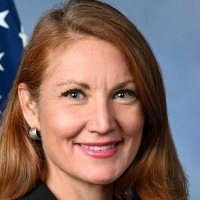
Melanie Stansbury
Representative
NM
Melanie Stansbury
Representative
NM
The America's Red Rock Wilderness Act focuses on designating numerous specific tracts of land across Utah as official Wilderness Areas, granting them the highest level of federal protection. This legislation aims to preserve the unique ecological, geological, and cultural values of these diverse landscapes from development. It also establishes administrative provisions for managing these new areas, including boundary definitions, water rights, and the continuation of existing uses like livestock grazing. Ultimately, the bill significantly expands protected wilderness in Utah while safeguarding critical natural and historical resources.
This Act restores immediate U.S. funding to UNRWA contingent upon the agency's commitment to increased accountability and transparency reforms following an independent review.
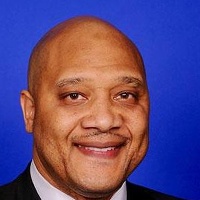
André Carson
Representative
IN
André Carson
Representative
IN
The UNRWA Funding Emergency Restoration Act of 2025 aims to immediately restart U.S. funding for the UN agency assisting Palestinian refugees, which was previously frozen. This bill mandates the cancellation of existing restrictions and requires the Secretary of State to resume aid payments while ensuring accountability based on an independent review. Furthermore, it urges Israel to cooperate with UNRWA investigations to maintain agency neutrality.
This bill authorizes specific funding levels for the United States to support the United Nations Population Fund (UNFPA) in its global efforts to improve sexual and reproductive health, reduce maternal mortality, and combat gender-based violence.
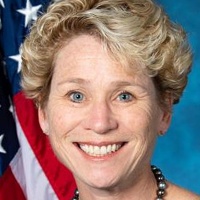
Chrissy Houlahan
Representative
PA
Chrissy Houlahan
Representative
PA
The Support UNFPA Funding Act authorizes specific funding levels for the United Nations Population Fund (UNFPA) for fiscal years 2026 and 2027. This legislation affirms that supporting UNFPA is in the U.S. strategic interest because it advances global health, reduces preventable maternal deaths, and combats gender-based violence. The bill emphasizes that UNFPA's work on voluntary family planning promotes stability and economic growth worldwide.
This Act establishes minimum tenant protections for manufactured home residents whose communities have federally backed loans and creates a commission to develop stronger future lending standards.
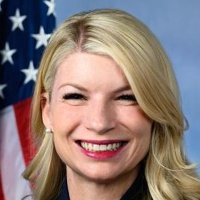
Brittany Pettersen
Representative
CO
Brittany Pettersen
Representative
CO
The Manufactured Housing Tenant’s Bill of Rights Act of 2025 establishes mandatory minimum consumer protections for tenants in manufactured home communities that utilize federally backed loans. These protections include requirements for longer lease terms, specific notice periods for rent increases, and rights regarding the sale or closure of the community. The Act also creates a Commission to propose enhanced consumer protection standards for future lending programs. Failure to comply with these new lease requirements can result in significant financial penalties for property owners.
This Act raises the minimum age for Federal Firearms Licensees to sell certain semiautomatic rifles and shotguns to 21, with exceptions for qualified individuals aged 18-20, and mandates an FBI report on its public access line operations.
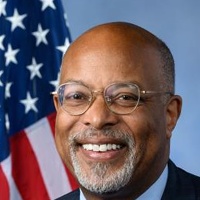
Glenn Ivey
Representative
MD
Glenn Ivey
Representative
MD
The Raise the Age Act of 2025 generally prohibits Federal Firearms Licensees from selling certain semiautomatic centerfire rifles or shotguns capable of holding magazines over five rounds to anyone under 21, with exceptions for qualified military or government personnel. The bill also maintains the existing minimum age of 18 for general firearm purchases, excluding the newly restricted categories. Finally, it mandates that the FBI Director report on the operational procedures of its public access line within 90 days of enactment.
The American Families United Act grants immigration judges and the Secretary of Homeland Security greater discretion to prevent the removal of family members of U.S. citizens when separation would cause hardship, while also allowing for the reopening of certain prior cases.
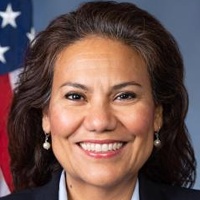
Veronica Escobar
Representative
TX
Veronica Escobar
Representative
TX
The American Families United Act grants immigration officials increased discretion to halt removal proceedings or grant immigration benefits for family members of U.S. citizens when separation would cause hardship. This discretion is presumed to be met if the action results in family separation, though certain serious criminal grounds remain disqualifying. The Act also allows individuals to file motions to reopen or reconsider past immigration decisions if the outcome would have been different under these new provisions, subject to a two-year filing deadline.
This Act removes existing restrictions and clarifies eligibility requirements for striking workers seeking Supplemental Nutrition Assistance Program (SNAP) benefits.
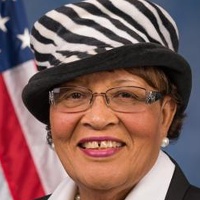
Alma Adams
Representative
NC
Alma Adams
Representative
NC
The Food Secure Strikers Act of 2025 aims to clarify and simplify eligibility rules for striking workers seeking Supplemental Nutrition Assistance Program (SNAP) benefits. This legislation removes outdated restrictions and clarifies the precise conditions under which participation in a labor strike affects a worker's SNAP eligibility. The goal is to streamline the existing law regarding striker access to food assistance.
This bill seeks to restore public faith in elections by imposing contribution limits on Super PACs to curb the influence of large donors and reduce the appearance of corruption.
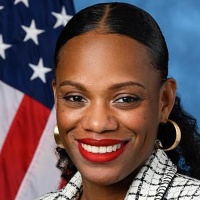
Summer Lee
Representative
PA
Summer Lee
Representative
PA
The Abolish Super PACs Act seeks to curb the influence of large, unlimited political donations by imposing new contribution limits on independent expenditure committees (Super PACs). Congress finds that uncapped spending has led to the appearance of corruption and damaged public trust in elections. This legislation aims to reduce the potential for corrupt deals and restore faith in the fairness of federal campaigns.
The Paycheck Fairness Act strengthens equal pay enforcement by tightening defenses against pay discrimination, expanding protections against retaliation, increasing penalties for violations, and requiring comprehensive data collection and training initiatives.
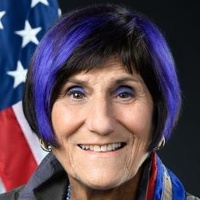
Rosa DeLauro
Representative
CT
Rosa DeLauro
Representative
CT
The Paycheck Fairness Act significantly strengthens federal equal pay protections by broadening definitions of sex discrimination, tightening employer defenses against pay disparities, and increasing penalties for violations. It also prohibits employers from using salary history in hiring decisions and mandates new data collection by the EEOC to better enforce anti-discrimination laws. Furthermore, the bill establishes new training and outreach programs to combat systemic wage bias.
The Worker Relief and Credit Reform Act of 2025 significantly expands the Earned Income Tax Credit to include students, lowers the minimum age for childless claimants, redefines dependents, and establishes an optional program for advance monthly EITC payments.
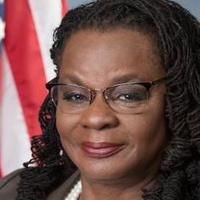
Gwen Moore
Representative
WI
Gwen Moore
Representative
WI
The Worker Relief and Credit Reform Act of 2025 significantly expands eligibility for the Earned Income Tax Credit (EITC), allowing students without children to qualify and lowering the minimum age requirement. It also introduces a major new feature allowing eligible taxpayers to opt into receiving advance monthly EITC payments, capped at 75% of their estimated annual credit. Furthermore, the bill redefines qualifying dependents and adjusts key income thresholds for the credit calculation.
This resolution formally recognizes the persistent gender wage gap and reaffirms Congress's commitment to achieving pay equity.
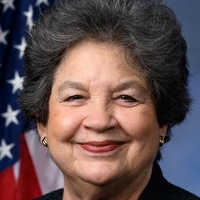
Lois Frankel
Representative
FL
Lois Frankel
Representative
FL
This resolution formally recognizes the significant and persistent wage gap between men and women in the United States, highlighting statistics that show women earn substantially less. It serves as a strong public statement reaffirming Congress's commitment to achieving pay equity. The measure does not enact new laws but emphasizes the economic harm caused by unequal pay for women and their families.
This bill officially ratifies the Equal Rights Amendment, validating its inclusion in the Constitution regardless of any prior ratification deadlines.
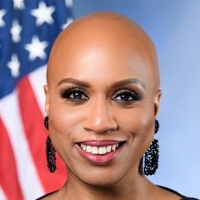
Ayanna Pressley
Representative
MA
Ayanna Pressley
Representative
MA
This bill officially ratifies the Equal Rights Amendment, declaring it a valid part of the U.S. Constitution. It specifically removes any previously imposed deadlines for state ratification. If three-fourths of the states have approved the amendment, this law confirms its official status regardless of past time constraints.
The Puppy Protection Act of 2025 establishes stricter housing, daily care, veterinary, and breeding standards for dog dealers under the Animal Welfare Act.
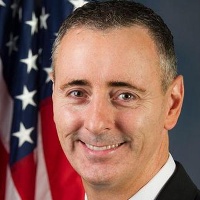
Brian Fitzpatrick
Representative
PA
Brian Fitzpatrick
Representative
PA
The Puppy Protection Act of 2025 significantly increases humane treatment standards for dog dealers under the Animal Welfare Act. This legislation mandates specific minimum space requirements, daily exercise access, and mandatory socialization for housed dogs. Furthermore, it establishes strict limits on female dog breeding frequency and age, alongside enhanced veterinary care protocols.
This Act establishes an independent Inspector General within the Office of Management and Budget to conduct audits and investigations of OMB operations.
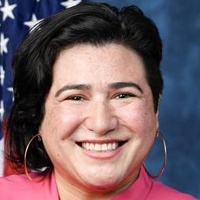
Emily Randall
Representative
WA
Emily Randall
Representative
WA
This Act establishes a new, independent Office of the Inspector General (IG) within the Office of Management and Budget (OMB). The IG will serve as an internal watchdog, auditing and investigating activities specifically assigned to the OMB by law. The President is required to appoint this Inspector General within 120 days of the Act's enactment.
The Air America Act of 2025 authorizes one-time monetary awards to former Air America employees or their survivors for service supporting the CIA between 1950 and 1976.
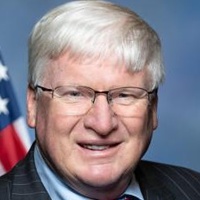
Glenn Grothman
Representative
WI
Glenn Grothman
Representative
WI
The Air America Act of 2025 recognizes the sacrifices of former Air America employees who served the U.S. Government between 1950 and 1976. This Act authorizes a one-time monetary award, up to $40,000 plus potential additional amounts, for qualifying service members or their survivors. The CIA Director is responsible for administering these payments, which are capped at a total of $60 million, and establishing the application procedures. Decisions made by the Director regarding these awards are final and not subject to judicial review.
The No Round Up Act repeals the outdated Alien Registration Act of 1940 and makes corresponding technical amendments to immigration law.
Pramila Jayapal
Representative
WA
Pramila Jayapal
Representative
WA
The No Round Up Act primarily repeals the outdated Alien Registration Act of 1940 and related provisions within the Immigration and Nationality Act. This action eliminates the requirement for aliens to register and be fingerprinted. The bill focuses on cleaning up obsolete registration rules and associated penalties.
This Act establishes stricter public review periods, community protections, and regulatory oversight before the Postal Service can close post offices or consolidate mail processing facilities.
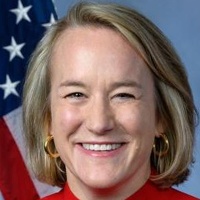
Nicole (Nikki) Budzinski
Representative
IL
Nicole (Nikki) Budzinski
Representative
IL
The Protect Postal Performance Act establishes stricter public review periods and new protections before the Postal Service can close or consolidate local post offices. It also imposes significant limitations on the USPS's ability to change mail processing centers and transportation schedules. These changes require advisory opinions from the Postal Regulatory Commission (PRC) and prohibit facility closures in areas with poor recent on-time delivery performance.