Legislative Activity
Track Alexandria's sponsored bills, co-sponsored legislation, and voting record
This bill prohibits executive branch personnel from using physical force or detention against a Member of Congress conducting official oversight activities on federally controlled property, provided the Member is not posing an immediate physical danger.
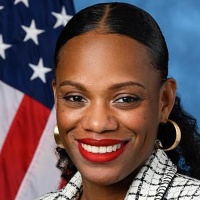
Summer Lee
Representative
PA
Summer Lee
Representative
PA
The Congressional Oversight Access Act prohibits federal employees from using physical force or detaining a Member of Congress who is conducting official oversight activities on federally controlled property. This protection applies when the Member identifies themselves and is not posing a clear and immediate physical danger. The Act ensures Congress can monitor federal operations while still respecting necessary security screenings.
This resolution expresses the sense of Congress demanding that Serbia investigate and prosecute those responsible for the 1999 execution-style murders of U.S. citizens Ylli, Agron, and Mehmet Bytyqi.
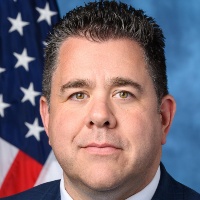
Nicolas LaLota
Representative
NY
Nicolas LaLota
Representative
NY
This resolution expresses the sense of Congress regarding the unsolved, execution-style murders of U.S. citizens Ylli, Agron, and Mehmet Bytyqi in Serbia in 1999. Congress demands that the Serbian government prioritize investigating and prosecuting all individuals responsible for the brothers' deaths. Furthermore, the resolution states that Serbia's progress in achieving justice for the Bytyqi brothers will significantly impact the future U.S.-Serbia relationship.
This resolution expresses support for designating July 10th as Journeyman Lineworkers Recognition Day to honor the dangerous and essential service provided by these workers, especially during crises.
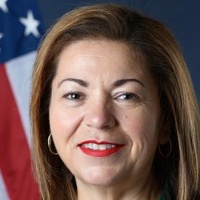
Linda Sánchez
Representative
CA
Linda Sánchez
Representative
CA
This resolution expresses support for designating July 10th as Journeyman Lineworkers Recognition Day. It honors the essential and dangerous work performed by these skilled professionals, especially their heroic efforts in restoring power after major disasters. The day serves to recognize their service and remember those who have lost their lives performing this vital work.
This bill establishes a Special Envoy for Humanitarian Aid Workers to investigate incidents, improve coordination, and mandates the suspension of security aid to countries that unlawfully harm aid workers.

Chellie Pingree
Representative
ME
Chellie Pingree
Representative
ME
This bill establishes a new Special Envoy for Humanitarian Aid Workers within the State Department to investigate serious incidents involving U.S.-supported aid workers abroad. It mandates the suspension of security assistance to foreign countries that unlawfully kill or injure aid workers and refuse to cooperate with investigations. Furthermore, the bill creates an interagency group, led by the Envoy, to conduct detailed inquiries into every death or detention of an aid worker during an active mission.
This bill establishes a grant program to help high-need school districts hire, retain, and diversify mental health professionals to expand student access to services.
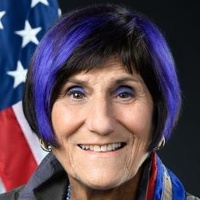
Rosa DeLauro
Representative
CT
Rosa DeLauro
Representative
CT
The Expanding Access to Mental Health Services in Schools Act of 2025 establishes a new federal grant program to increase the number of mental health professionals in high-need school districts. This funding is specifically designed to help eligible agencies recruit, hire, and retain school counselors, psychologists, and social workers. Grantees must demonstrate a plan to improve student-to-provider ratios and report annually on staffing improvements and provider retention.
The Safe Storage Saves Lives Act mandates that compatible gun locks be provided with every firearm transfer, clarifies secure storage definitions, and requires sellers to have compatible safety devices available for all firearms offered for sale.
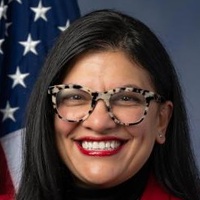
Rashida Tlaib
Representative
MI
Rashida Tlaib
Representative
MI
The Safe Storage Saves Lives Act expands federal requirements to ensure a compatible gun lock is provided with the sale of **every** firearm, not just handguns. It clarifies the definition of secure storage devices and mandates that sellers must have a compatible safety device available for every firearm offered for sale. Finally, the bill suggests that fines collected from violations should fund programs to distribute free or low-cost gun safety devices or public awareness campaigns.
This Act mandates that federal officers involved in border security or immigration enforcement must clearly display identification, wear visible uniforms or badges, and not conceal their faces during detentions or arrests.

Dan Goldman
Representative
NY
Dan Goldman
Representative
NY
The No Secret Police Act of 2025 mandates that federal officers engaged in border security or immigration enforcement must clearly display identification, wear visible badges or uniforms, and refrain from wearing face coverings during detentions or arrests. This ensures accountability by requiring clear identification from Department of Homeland Security (DHS) personnel. The bill also requires the Secretary of Homeland Security to report on current tactical gear policies and research methods to improve officer visibility.
The CONNECT for Health Act of 2025 permanently expands Medicare telehealth access by removing geographic restrictions, increasing practitioner flexibility, bolstering program integrity, and mandating supports for quality remote care delivery.
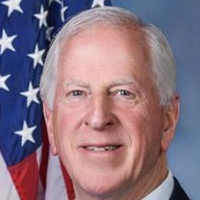
Mike Thompson
Representative
CA
Mike Thompson
Representative
CA
The CONNECT for Health Act of 2025 significantly expands and permanently secures access to Medicare telehealth services by eliminating outdated geographic restrictions and allowing more practitioners to offer remote care. The bill also strengthens program integrity by dedicating funds for telehealth oversight while clarifying rules around providing necessary technology to patients. Finally, it mandates the creation of tailored educational resources and public reporting to improve quality measurement and transparency in remote care delivery.
The PRIDE Act of 2025 extends the deadline for certain married couples to file joint tax returns based on past marriage recognition and updates the Internal Revenue Code with gender-neutral language for all married individuals.
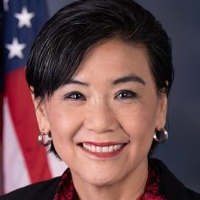
Judy Chu
Representative
CA
Judy Chu
Representative
CA
The PRIDE Act of 2025 aims to update the Internal Revenue Code to ensure equal treatment and inclusive language for all married couples. It extends the deadline for certain legally married couples to file amended joint tax returns following past recognition changes. Furthermore, the bill systematically replaces gendered terms like "husband," "wife," and "his" with gender-neutral language such as "spouse" and "individual" across numerous tax provisions. These changes ensure consistent, equitable application of tax law regardless of gender identity.
This resolution expresses Congressional support for LGBTQI+ equality and designates June 26th as "LGBTQI+ Equality Day" to commemorate key legal victories and highlight the need for further anti-discrimination legislation.
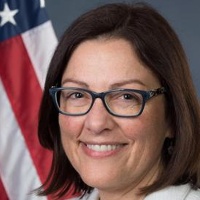
Suzan DelBene
Representative
WA
Suzan DelBene
Representative
WA
This resolution expresses the House's support for the rights and freedoms of LGBTQI+ individuals across the United States. It recognizes key Supreme Court decisions that advanced equality and highlights the ongoing need for comprehensive legal protections against discrimination. Finally, the bill proposes designating June 26th as "LGBTQI+ Equality Day" to commemorate these legal victories.
This resolution formally recognizes the history, achievements, and ongoing struggles of the LGBTQIA+ community while encouraging the celebration of Pride Month and affirming that LGBTQIA+ rights are human rights.
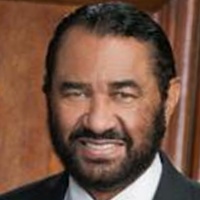
Al Green
Representative
TX
Al Green
Representative
TX
This resolution formally recognizes the history, achievements, and ongoing struggles of the LGBTQIA+ community in the United States. It serves as a declaration by Congress affirming that LGBTQIA+ rights are human rights and encouraging the celebration of Pride Month. The bill highlights key historical milestones, legal victories, and acknowledges the persistent challenges and violence faced by the community. Ultimately, it commits the U.S. to continuing the pursuit of full equality for all citizens.
This Act expands healthcare access by ensuring lawfully present immigrants are eligible for federal health programs, treating federally authorized presence as lawful presence for coverage, and giving states the option to cover undocumented individuals under Medicaid and CHIP.
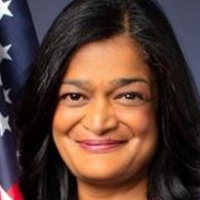
Pramila Jayapal
Representative
WA
Pramila Jayapal
Representative
WA
The Health Equity and Access under the Law for Immigrant Families Act of 2025 aims to significantly expand healthcare access for immigrants legally residing in the U.S. by ensuring eligibility for federal health programs like Medicaid and CHIP, removing state restrictions for permanent residents, and treating federally authorized presence as lawful presence for coverage purposes. The bill also provides states the option to extend Medicaid and CHIP coverage to individuals without lawful status. Furthermore, it removes citizenship barriers preventing certain non-citizens from accessing ACA marketplace subsidies and updates Medicare eligibility rules.
This Act prohibits states from interfering with or penalizing individuals who provide, receive, or facilitate abortion services that are legal in the state where the service occurs, including interstate travel for such care.

Lizzie Fletcher
Representative
TX
Lizzie Fletcher
Representative
TX
The Ensuring Women’s Right to Reproductive Freedom Act prohibits states from interfering with or retaliating against individuals who provide or receive abortion services that are legal in the state where the service occurs. This protection extends to interstate travel for legal abortion care and the movement of FDA-approved abortion-related drugs across state lines. Individuals harmed by violations can sue in federal court for damages and legal fees.
The Women’s Health Protection Act of 2025 establishes a federal right to access abortion services before fetal viability and protects the right to travel for care, overriding state restrictions that place burdens on abortion access not imposed on comparable medical procedures.
Judy Chu
Representative
CA
Judy Chu
Representative
CA
The Women’s Health Protection Act of 2025 establishes a federal statutory right to access abortion services, prohibiting medically unnecessary restrictions that impede care before fetal viability. This Act protects the right of patients to travel across state lines to receive reproductive healthcare and allows providers to offer services free from state interference that conflicts with established medical standards. It preempts conflicting state and local laws and provides robust enforcement mechanisms for individuals and the Attorney General to challenge violations.
This Act bans application and screening fees for federally assisted rentals, caps late fees, mandates pre-lease disclosures, and prohibits reporting defined "junk fees" to credit bureaus.
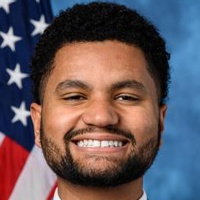
Maxwell Frost
Representative
FL
Maxwell Frost
Representative
FL
The End Junk Fees for Renters Act aims to protect tenants by banning application and screening fees for federally assisted rental units. It also caps late rent fees at 3% and mandates that landlords disclose key rental history and maintenance information before a lease is signed. Furthermore, the bill directs federal agencies to define "junk fees" and prohibits landlords from reporting unpaid junk fees to credit bureaus.
The Break the Cycle of Violence Act establishes federal frameworks within HHS and the Department of Labor to fund community-based violence intervention programs and provide job training for opportunity youth in high-violence areas.
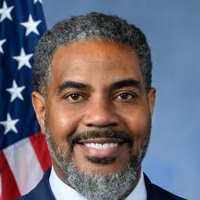
Steven Horsford
Representative
NV
Steven Horsford
Representative
NV
The Break the Cycle of Violence Act establishes federal frameworks within HHS and the Department of Labor to address community violence through prevention and economic opportunity. Title I creates grants for community-based violence intervention programs focused on evidence-based, trauma-responsive care, while Title II funds job training for opportunity youth in high-violence areas. Overall, the bill aims to reduce violence by investing in local services and creating pathways to employment rather than relying solely on incarceration.
This resolution reaffirms the importance of U.S. leadership in promoting the safety and well-being of refugees globally while criticizing recent administrative actions that restricted refugee admissions and asylum access.
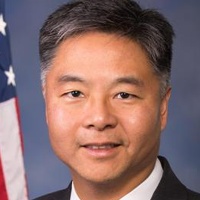
Ted Lieu
Representative
CA
Ted Lieu
Representative
CA
This resolution strongly reaffirms the United States' commitment to promoting the safety and well-being of refugees globally. It criticizes recent administrative actions that suspended refugee admissions and travel bans, arguing they violate U.S. and international law. The bill calls for the immediate restoration of the U.S. Refugee Admissions Program and demands federal agencies uphold due process for asylum seekers. Ultimately, it asserts that welcoming oppressed people is central to American values and legal obligations.
This Act mandates that U.S. Immigration and Customs Enforcement (ICE) agents operating within the United States must clearly display their name and agency affiliation and cannot wear facial coverings, with limited exceptions subject to supervisory review.
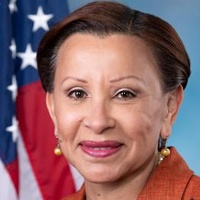
Nydia Velázquez
Representative
NY
Nydia Velázquez
Representative
NY
The No Anonymity in Immigration Enforcement Act of 2025 mandates that U.S. Immigration and Customs Enforcement (ICE) agents conducting domestic enforcement operations must clearly display their name and agency affiliation, and cannot wear facial coverings. Exceptions to this identification rule are permitted only in cases of immediate danger or necessary safety gear, subject to supervisory review within 48 hours. The bill also establishes disciplinary procedures for non-compliance and requires annual reporting to Congress on enforcement and complaints.
The PHARA Act of 2025 mandates the immediate release of existing NIH grant funding, requires termination clauses in future agreements, and prohibits the NIH from ending funding solely due to shifting agency priorities.
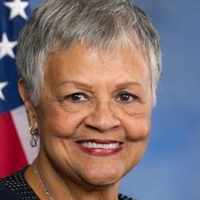
Bonnie Watson Coleman
Representative
NJ
Bonnie Watson Coleman
Representative
NJ
The PHARA Act of 2025 mandates the immediate release of all existing National Institutes of Health (NIH) grant funding and prohibits the cancellation of active research agreements. Moving forward, all new NIH grant agreements must include specific termination clauses requiring a 90-day notice and good-faith negotiation before ending the funding. Furthermore, this Act explicitly prevents the NIH from terminating agreements solely because the research no longer aligns with current agency goals or priorities.
This bill establishes a comprehensive "Domestic Workers Bill of Rights" to extend federal labor protections, including overtime, paid sick leave, and anti-discrimination coverage, to domestic employees while creating a standards board to advise on future working conditions.
Pramila Jayapal
Representative
WA
Pramila Jayapal
Representative
WA
The Domestic Workers Bill of Rights Act seeks to significantly expand labor protections for domestic employees by bringing them under standard federal laws, including eligibility for overtime pay and mandated paid sick leave. The bill establishes written employment agreements, sets clear privacy boundaries for workers in private homes, and creates a Standards Board to recommend ongoing improvements to wages and benefits. Furthermore, it establishes enforcement mechanisms and temporarily increases federal Medicaid funding for in-home care services to help offset compliance costs.