Legislative Activity
Track Zachary's sponsored bills, co-sponsored legislation, and voting record
This resolution honors the service and sacrifice of America's veterans and reaffirms the nation's commitment to supporting them and their families.
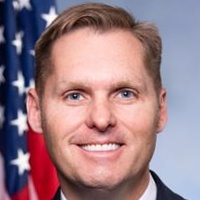
Michael Guest
Representative
MS
Michael Guest
Representative
MS
This resolution honors the service and sacrifice of America's veterans on Veterans Day, 2025, recognizing the history of the observance from Armistice Day. It affirms the nation's deep commitment to supporting the over 15 million veterans and their families. The resolution calls upon the public to observe Veterans Day and ensure veterans continue to receive the services they deserve.
This resolution expresses support for National Adoption Day and Month by promoting awareness, celebrating adoption, and encouraging the nation to secure safety and well-being for all children awaiting families.
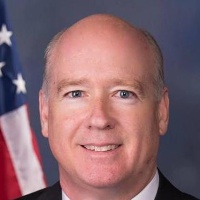
Robert Aderholt
Representative
AL
Robert Aderholt
Representative
AL
This resolution expresses support for National Adoption Day and Month by promoting national awareness of adoption and the children awaiting permanent families. It highlights the significant number of children in foster care waiting for adoption and encourages all Americans to consider providing a safe, permanent, and well-being-focused home for these children. The resolution supports various avenues for achieving permanency, including reunification, kinship care, and adoption.
This Act automatically funds government operations for 14-day periods during funding lapses and imposes restrictions on travel and legislative procedures for certain officials until appropriations are enacted.
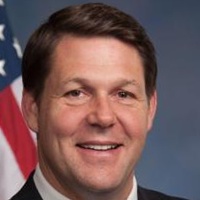
Jodey Arrington
Representative
TX
Jodey Arrington
Representative
TX
The Prevent Government Shutdowns Act automatically appropriates funding for federal programs at the rate of the preceding funding law for 14-day periods whenever a lapse in appropriations occurs. This automatic funding continues until a new appropriation Act is enacted or the automatic authority expires. Furthermore, the bill imposes strict limitations on official travel for covered Members of Congress and their staff, and restricts legislative business during these automatic funding periods. These budgetary effects are to be treated as discretionary, part-year appropriations for enforcement purposes.
The UNtaxed Act prohibits the United Nations from imposing taxes or fees on U.S. citizens and companies and restricts federal funding for any UN-led global carbon tax initiatives.
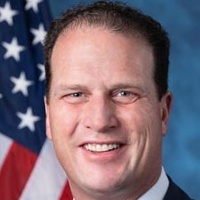
August Pfluger
Representative
TX
August Pfluger
Representative
TX
The UNtaxed Act prohibits the United Nations and its affiliated bodies from imposing taxes, fees, or penalties on U.S. citizens and companies without formal Senate approval. Additionally, the bill restricts U.S. funding for any UN organization involved in the implementation or enforcement of a global carbon tax.
The Safer Supervision Act of 2025 aims to reform federal supervised release by requiring individualized assessments, establishing a presumption for early termination, addressing officer pay, and studying post-release supervision practices.
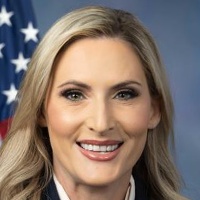
Laurel Lee
Representative
FL
Laurel Lee
Representative
FL
The Safer Supervision Act of 2025 aims to reform federal supervised release by requiring individualized assessments for imposing supervision and establishing a presumption for early termination when defendants meet certain compliance and public safety criteria. The bill also addresses workload concerns by mandating a proposal for law enforcement availability pay for probation officers and allowing prisoners without imposed supervision to apply earned time credits for early release. Finally, it directs the GAO to study the federal supervision and reentry system.
This resolution supports the goals of National Domestic Violence Awareness Month, highlights the pervasive and devastating impact of intimate partner violence across all demographics, and calls for increased funding for prevention and support programs.
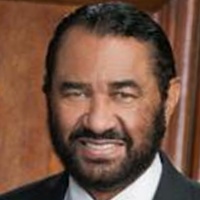
Al Green
Representative
TX
Al Green
Representative
TX
This resolution designates October as National Domestic Violence Awareness Month to highlight the widespread and devastating impact of intimate partner violence across all demographics. It recognizes the urgent need to eliminate domestic violence and supports increased funding for intervention and prevention programs. The resolution underscores the severe physical, emotional, and economic toll this abuse takes on individuals, families, and communities.
This resolution expresses support for designating October 2025 as "Crime Prevention Month" to promote evidence-based strategies and sustained investment in community safety efforts.

Jim Costa
Representative
CA
Jim Costa
Representative
CA
This resolution expresses strong support for designating October 2025 as "Crime Prevention Month." It recognizes the high costs of crime and commends the efforts of law enforcement, community organizers, and others working to prevent it. The bill encourages federal, state, and local entities to invest in evidence-based prevention strategies and calls upon all citizens to participate in related public safety activities.
This bill ensures the WIC program continues to operate without interruption during any potential funding lapse in fiscal year 2026 by providing automatic funding from the Treasury and retroactively reimbursing states.
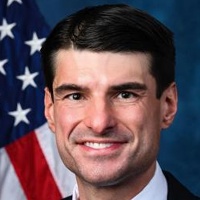
Robert Bresnahan
Representative
PA
Robert Bresnahan
Representative
PA
The Keep WIC Working Act ensures the Special Supplemental Nutrition Program for Women, Infants, and Children (WIC) continues uninterrupted during any potential funding lapse in fiscal year 2026. This bill authorizes automatic funding from the Treasury to maintain program operations if regular appropriations are delayed. It also retroactively reimburses states for any funds they used to keep WIC running during the lapse period.
This act ensures the uninterrupted funding of the Supplemental Nutrition Assistance Program (SNAP) for fiscal year 2026, even if Congress delays passing the full USDA budget.
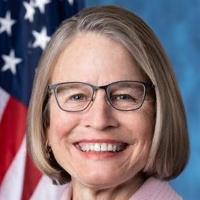
Mariannette Miller-Meeks
Representative
IA
Mariannette Miller-Meeks
Representative
IA
The Keep SNAP Funded Act of 2025 ensures that Supplemental Nutrition Assistance Program (SNAP) benefits continue without interruption if Congress fails to pass the full Department of Agriculture budget by October 1, 2025. This legislation authorizes automatic funding from the Treasury to maintain benefit payments. Furthermore, it guarantees that any benefits missed due to a funding lapse will be paid retroactively once the bill is enacted.
This act establishes an expedited 30-day approval process through the FDA for licensed blood centers seeking to add new apheresis collection devices at existing locations.
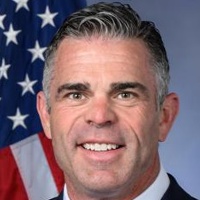
Tony Wied
Representative
WI
Tony Wied
Representative
WI
The BLOOD Centers Act establishes an expedited approval process through the FDA for licensed blood centers seeking to add new apheresis collection devices at existing locations. This fast-track system mandates a 30-day decision window for supplemental Biologics License Application (BLA) supplements, ensuring quicker deployment of new equipment. The goal is to streamline operations for established blood centers that meet high safety and quality standards.
This bill authorizes the striking and presentation of a Congressional Gold Medal to Donald J. Trump in recognition of his alleged extraordinary peacemaking efforts and brokered international agreements.
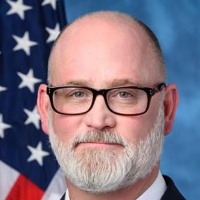
Derrick Van Orden
Representative
WI
Derrick Van Orden
Representative
WI
This bill authorizes the striking and presentation of a Congressional Gold Medal to Donald J. Trump in recognition of his alleged extraordinary peacemaking efforts globally. Congress specifically cites several purported international peace deals and ceasefires secured by the former President as justification for this high honor. The Act also outlines the process for creating and selling bronze duplicates of the medal to cover production costs.
This Act suspends 2025 federal farm payment limitations and allows producers to receive an advance partial payment for their 2025 covered commodities.
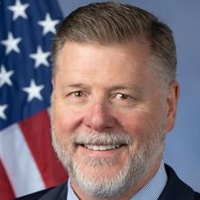
Eric Crawford
Representative
AR
Eric Crawford
Representative
AR
The Bridge the Gap for Rural Communities Act temporarily suspends federal payment limitations for the 2025 crop year. It also establishes an option for eligible producers to receive an advance partial payment of up to 50% of their projected 2025 covered commodity payments by the end of that year. This measure aims to provide immediate financial support to rural agricultural producers.
The FARMS Act temporarily pauses the calculation of the Adverse Effect Wage Rate (AEWR) for H-2A agricultural workers for up to two years if a valid current rate cannot be determined.

John Moolenaar
Representative
MI
John Moolenaar
Representative
MI
The FARMS Act temporarily pauses the calculation of the Adverse Effect Wage Rate (AEWR) for H-2A agricultural visa workers for up to two years. This allows the Secretary of Labor to continue using the existing AEWR if a reliable new calculation method cannot be determined. The goal is to maintain wage stability for temporary foreign agricultural workers during this period.
This resolution expresses support for designating September 2025 as National Kinship Care Month to recognize and encourage support for relatives and close family friends raising children.

Sydney Kamlager-Dove
Representative
CA
Sydney Kamlager-Dove
Representative
CA
This resolution expresses strong support for designating September 2025 as "National Kinship Care Month" to recognize the millions of relatives and close family friends raising children. It highlights the critical role kinship caregivers play in supporting vulnerable children outside the formal foster care system. The bill urges increased recognition and support for these families to ensure they have access to necessary resources.
This Act automatically provides 14-day continuing appropriations for federal programs at the previous funding level until Congress passes a new budget, effective September 30, 2025.
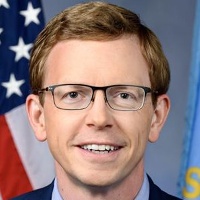
Dusty Johnson
Representative
SD
Dusty Johnson
Representative
SD
The Eliminate Shutdowns Act establishes an automatic, 14-day continuing appropriation mechanism to keep federal programs operational if Congress fails to pass a new budget by the start of the fiscal year. This funding continues to renew every 14 days until a full appropriation is enacted, ensuring essential services remain active. The Act also includes specific budgetary rules for counting this funding and sets an effective date of September 30, 2025.
This resolution honors the life and legacy of Charles "Charlie" James Kirk, condemns his assassination as political violence, and calls for a renewed commitment to civil discourse and American founding principles.

Mike Johnson
Representative
LA
Mike Johnson
Representative
LA
This resolution honors the life and legacy of Charles "Charlie" James Kirk, founder of Turning Point USA. It strongly condemns his assassination as an act of political violence. The bill calls for a renewed national commitment to civil discourse and the founding principles of the United States.
The America’s CHILDREN Act of 2025 establishes a path to permanent residency for certain long-term college graduates who entered the U.S. as dependents of work visa holders and updates age-out protections for dependent children.
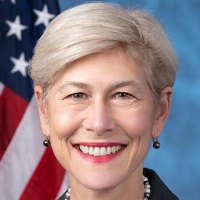
Deborah Ross
Representative
NC
Deborah Ross
Representative
NC
The America’s CHILDREN Act of 2025 establishes a new pathway to permanent residency for certain individuals who entered the U.S. as children, lived here legally for at least eight years as dependents of work visa holders, and subsequently earned a U.S. college degree. The bill also introduces significant "age-out" protections, allowing long-term dependents to retain their original priority dates for visa processing. Furthermore, it clarifies rules for derivative beneficiaries, potentially granting them work authorization in certain dependent statuses.
This resolution supports designating the week of September 21 through September 27, 2025, as "Gold Star Families Remembrance Week" to honor the families of fallen service members.
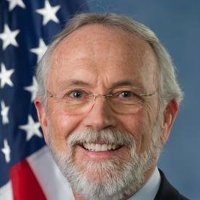
Dan Newhouse
Representative
WA
Dan Newhouse
Representative
WA
This resolution supports designating the week of September 21 through September 27, 2025, as "Gold Star Families Remembrance Week." The measure aims to officially recognize and honor the profound sacrifices made by families who have lost a loved one serving in the U.S. Armed Forces. It encourages communities nationwide to observe this week through acts of service and by celebrating the lives of these fallen service members.
The SHINE for Autumn Act of 2025 establishes federal grants for states to improve stillbirth surveillance, data collection, and risk factor research while mandating the development of standardized educational guidelines on stillbirth.

Young Kim
Representative
CA
Young Kim
Representative
CA
The SHINE for Autumn Act of 2025 aims to significantly improve federal support for state-level stillbirth research and data collection. It authorizes grants for states to enhance surveillance, track risk factors, and build local capacity for analyzing stillbirth data, provided the information remains de-identified. Furthermore, the bill mandates the development of standardized guidelines and educational materials regarding stillbirth awareness and risk factors, developed in consultation with experts and bereaved families.
This Act mandates that new passenger motor vehicles sold in the U.S. must include standard equipment capable of receiving AM broadcast radio signals.

Gus Bilirakis
Representative
FL
Gus Bilirakis
Representative
FL
The AM Radio for Every Vehicle Act of 2025 mandates that the Secretary of Transportation establish a rule requiring AM broadcast radio receivers to be installed as standard equipment in new passenger motor vehicles. This requirement aims to ensure public access to AM radio signals, which are often used for emergency alerts. The bill also directs a GAO study on the effectiveness of AM radio within the national emergency alert system compared to other technologies. Finally, the Act preempts state and local laws on this matter and includes a sunset provision eight years after enactment.