Legislative Activity
Track Joe's sponsored bills, co-sponsored legislation, and voting record
This act mandates Medicare coverage for FDA-approved early detection screening tests for Alzheimer's disease and related dementias beginning in 2028.
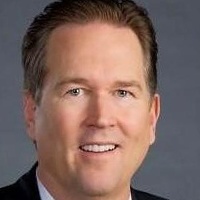
Vern Buchanan
Representative
FL
Vern Buchanan
Representative
FL
The Alzheimer’s Screening and Prevention Act of 2025 (ASAP Act) amends Medicare to cover early detection screening tests for Alzheimer's disease and related dementias starting in 2028. This coverage applies to FDA-cleared tests, including genomic sequencing and other equivalent diagnostic methods, designed to detect pre-symptomatic or early-stage conditions. The bill ensures these screenings are added to the list of covered medical services under Medicare.
The FAIR Act establishes new requirements for providing immigration detainees with access to privacy release forms, handbooks, communication tools, and clear processes for receiving constituent services from Congress.
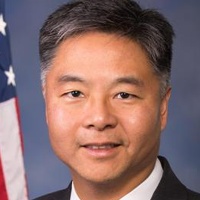
Ted Lieu
Representative
CA
Ted Lieu
Representative
CA
The Fairness and Access for Immigrant Rights (FAIR) Act establishes new requirements for providing constituent services to immigration detainees. This bill mandates that detainees must have timely access to necessary privacy release forms and essential handbooks in their preferred language. Furthermore, it ensures detainees have the tools to communicate with their congressional representatives or third-party assistants, and outlines a clear process for filing complaints if these rights are violated.
This bill establishes sanctions against foreign individuals responsible for human rights violations against LGBTQI people and mandates enhanced tracking and reporting of such abuses in annual human rights reports.
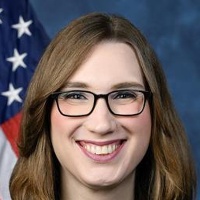
Sarah McBride
Representative
DE
Sarah McBride
Representative
DE
The Global Respect Act aims to promote and protect the human rights of LGBTQI individuals worldwide. It mandates the President to identify and report foreign persons responsible for human rights violations against LGBTQI people, leading to their inadmissibility to the United States. Furthermore, the Act requires enhanced tracking and reporting of violence and discrimination targeting individuals based on sexual orientation, gender identity, or sex characteristics in the annual human rights reports.
This act repeals specific sections of a prior reconciliation act to restore previous laws affecting American families and farmers.
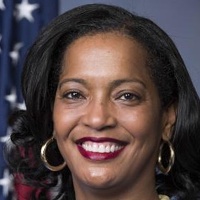
Jahana Hayes
Representative
CT
Jahana Hayes
Representative
CT
The Restoring Food Security for American Families and Farmers Act of 2025 aims to strengthen domestic food security by repealing specific sections of a prior reconciliation act. This action effectively revives the original laws that were previously amended by the repealed provisions. The bill seeks to revert existing agricultural and food-related statutes to their pre-amendment status.
This resolution supports the goals of National Rural Health Day by recognizing the vital role of rural communities and committing to policies that improve rural healthcare access and affordability.
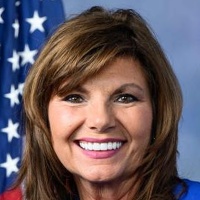
Diana Harshbarger
Representative
TN
Diana Harshbarger
Representative
TN
This resolution officially recognizes and supports the goals of National Rural Health Day to honor the vital role of rural communities and their healthcare providers. It acknowledges the unique challenges faced by rural residents, such as limited access to care and hospital closures. The bill expresses a commitment to advancing policies that improve the accessibility and affordability of healthcare in rural America.
This act modernizes water infrastructure by defining and funding the adoption of intelligent technologies for improved water and wastewater management.
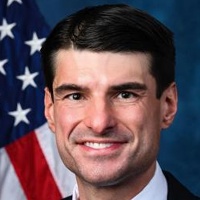
Robert Bresnahan
Representative
PA
Robert Bresnahan
Representative
PA
The Water Infrastructure Modernization Act of 2025 updates federal water pollution control grants to prioritize and fund "intelligent water infrastructure technology." This technology utilizes real-time monitoring, AI, and advanced sensors to improve the efficiency, reliability, and resilience of water and wastewater systems. The bill modifies grant uses to specifically cover the implementation of these smart technologies and increases the authorization of appropriations.
This bill mandates that a percentage of federal cancer research funds, based on the proportion of the US population under 18, must be dedicated to pediatric cancer research starting in fiscal year 2026.
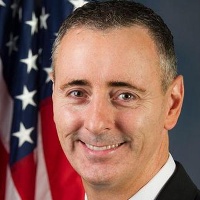
Brian Fitzpatrick
Representative
PA
Brian Fitzpatrick
Representative
PA
The Fairness to Kids with Cancer Act of 2025 mandates that a specific, population-based percentage of total Federal cancer research funds must be dedicated to pediatric cancer research each fiscal year starting in 2026. This required percentage will be calculated annually based on the ratio of the U.S. population under age 18 to the total U.S. population. This ensures federal research funding reflects the proportion of children affected by cancer.
This act repeals Senate notification requirements related to legal processes concerning Senate data and mandates the disgorgement of any funds awarded to Senators under the repealed provisions.
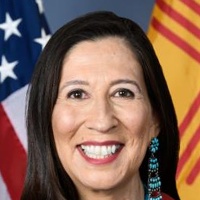
Teresa Leger Fernandez
Representative
NM
Teresa Leger Fernandez
Representative
NM
The No Payola Act repeals existing Senate notification requirements concerning legal processes related to the disclosure of Senate data. Furthermore, it mandates that any Senator who received funds through a private right of action under the repealed law must return those awarded funds to the Treasury.
This bill ensures service in Female Cultural Support Teams is credited for military records and veterans benefits, while also modifying VA housing loan fee expiration dates.
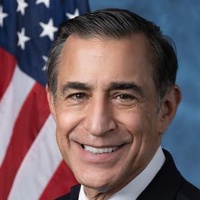
Darrell Issa
Representative
CA
Darrell Issa
Representative
CA
This bill ensures that service in specific Female Cultural Support Teams (CSTs) between 2010 and 2021 is officially recognized in military records and for veterans benefits. It mandates updating service records and requires the VA to treat this service as combat for disability claims purposes. Furthermore, the legislation requires the VA to conduct outreach regarding these benefits and mandates a study on similar unrecognized service.
This bill mandates the addition of the 74 crew members of the USS Frank E. Evans, killed in action on June 3, 1969, to the Vietnam Veterans Memorial Wall.
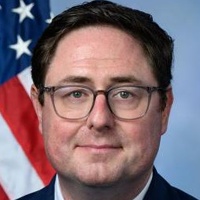
Mike Flood
Representative
NE
Mike Flood
Representative
NE
The USS Frank E. Evans Act mandates the Secretary of Defense to add the names of the 74 crew members lost when the USS Frank E. Evans sank on June 3, 1969, to the Vietnam Veterans Memorial Wall. This action must be completed within one year of the Act becoming law. The Secretary is required to consult with relevant authorities regarding space on the Memorial Wall for these additions.
This act ensures that Bureau of Prisons personnel continue to receive their salaries during lapses in discretionary appropriations.
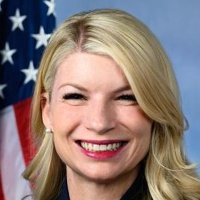
Brittany Pettersen
Representative
CO
Brittany Pettersen
Representative
CO
This bill ensures that all Bureau of Prisons personnel continue to receive their salaries even during periods when discretionary appropriations have lapsed. It mandates that the Treasury provide the necessary funds to cover these payments for both correctional and non-correctional staff at BOP facilities.
This Act establishes strict standards, training, and reporting requirements for federal immigration enforcement personnel regarding the use of force, identification, and equipment.
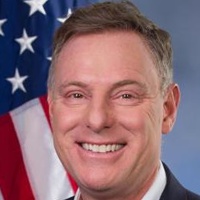
Scott Peters
Representative
CA
Scott Peters
Representative
CA
The Stop Excessive Force in Immigration Act of 2025 establishes strict new standards for the use of non-deadly force by federal immigration personnel, requiring proportionality and de-escalation efforts. The bill mandates identification requirements, restricts the use of certain crowd-control equipment, and imposes new body camera and detailed reporting mandates. Furthermore, it creates affirmative duties for officers to intervene against excessive force and requires annual training on these new policies.
This act prohibits the Department of Housing and Urban Development from counting veterans' disability and dependency compensation as household income when determining eligibility and rent for housing assistance programs.
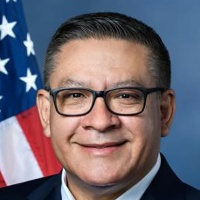
Salud Carbajal
Representative
CA
Salud Carbajal
Representative
CA
The Home for the Brave Act of 2025 ensures that veterans' disability compensation and dependency/indemnity compensation are not counted as household income by the Department of Housing and Urban Development (HUD). This change will positively affect eligibility and the calculation of housing assistance benefits for veterans and their families.
This Act allows for specific variances regarding flood elevation or floodproofing requirements for agricultural structures in flood hazard zones and introduces an optional umbrella insurance policy for properties with multiple structures.
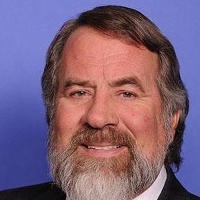
Doug LaMalfa
Representative
CA
Doug LaMalfa
Representative
CA
The Flood Insurance for Farmers Act of 2025 amends the National Flood Insurance Act to allow specific variances for elevating or floodproofing agricultural structures in special flood hazard zones under strict local conditions. This bill also directs FEMA to offer an optional umbrella insurance policy for property owners with multiple structures on the same property. These changes aim to provide flexibility for agricultural building standards while maintaining appropriate risk assessment for flood insurance premiums.
This bill allows volunteer firefighters and emergency medical personnel to claim a charitable deduction for the value of their services, capped at 300 hours per year.
Robert Bresnahan
Representative
PA
Robert Bresnahan
Representative
PA
The Helping Our Heroes Act allows volunteer firefighters and emergency medical personnel to claim a charitable deduction for the value of their services. This deduction is set at \$20 per hour, up to 300 hours annually. The provision also permits taxpayers who do not itemize deductions to claim this specific charitable contribution.
This resolution supports the goals of National Domestic Violence Awareness Month, highlights the pervasive and devastating impact of intimate partner violence across all demographics, and calls for increased funding for prevention and support programs.
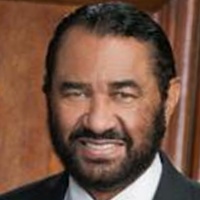
Al Green
Representative
TX
Al Green
Representative
TX
This resolution designates October as National Domestic Violence Awareness Month to highlight the widespread and devastating impact of intimate partner violence across all demographics. It recognizes the urgent need to eliminate domestic violence and supports increased funding for intervention and prevention programs. The resolution underscores the severe physical, emotional, and economic toll this abuse takes on individuals, families, and communities.
The FARM Act mandates that Original Equipment Manufacturers provide owners and independent repair providers with fair access to the necessary documentation, parts, software, and tools to repair farm equipment.

Marie Gluesenkamp Perez
Representative
WA
Marie Gluesenkamp Perez
Representative
WA
The FARM Act establishes the "Right to Repair" for agricultural equipment by requiring Original Equipment Manufacturers (OEMs) to provide owners and independent repair providers with necessary documentation, parts, software, and tools on fair and reasonable terms. This ensures farmers and independent mechanics can diagnose, maintain, and repair farm equipment without being solely reliant on the OEM. The Federal Trade Commission (FTC) is tasked with enforcing these requirements, treating violations as unfair or deceptive practices subject to specific civil penalties for non-compliant OEMs. The Act also includes provisions allowing circumvention of certain digital locks for repair purposes while explicitly protecting OEM trade secrets and safety/emissions compliance.
This bill mandates FEMA to reimburse fire departments for expenses incurred due to National Fire Academy course cancellations caused by a lapse in appropriations.
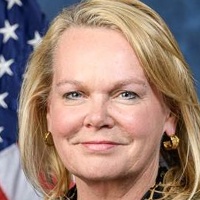
April McClain Delaney
Representative
MD
April McClain Delaney
Representative
MD
The National Fire Academy RESCUE Act ensures that fire departments are reimbursed for expenses incurred when National Fire Academy training courses are canceled due to a lapse in federal appropriations (a government shutdown). FEMA must reimburse departments for covered costs, such as travel and backfill staffing, within 90 days of receiving an itemized application following the shutdown's end. This reimbursement does not apply if the cancellation was due to reasons other than a lapse in appropriations, such as instructor illness or other emergencies.
This act officially recognizes dyslexia under federal education law and ensures equitable access to necessary accommodations for all eligible students.
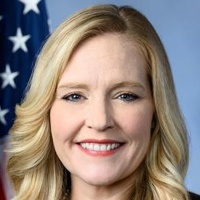
Erin Houchin
Representative
IN
Erin Houchin
Representative
IN
The 21st Century Dyslexia Act formally recognizes dyslexia under federal education law by updating the Individuals with Disabilities Education Act (IDEA) definition of specific learning disabilities. This legislation provides a clear definition of dyslexia, emphasizing unexpected reading difficulty due to phonological processing challenges. Furthermore, the Act ensures equitable access to necessary accommodations and services for all eligible children, specifically addressing disparities for low-income and English language learner students.
This act ensures that state and local funds used to keep Head Start and Early Head Start programs running during a federal government shutdown are fully reimbursed.
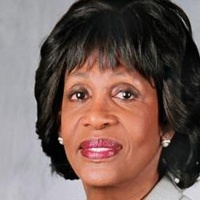
Maxine Waters
Representative
CA
Maxine Waters
Representative
CA
The Head Start Shutdown Protection Act of 2025 ensures that states, local governments, or school districts are reimbursed for any of their own funds used to keep Head Start and Early Head Start programs operational during a lapse in federal appropriations. This legislation protects these vital early childhood education services from disruption caused by government shutdowns. By guaranteeing reimbursement, the Act encourages local entities to maintain program continuity without bearing the financial burden.