Legislative Activity
Track Joe's sponsored bills, co-sponsored legislation, and voting record
This bill imposes comprehensive sanctions on Russia for its war against Ukraine while permanently extending the U.S. sanctions authority against Iran.
Brian Fitzpatrick
Representative
PA
Brian Fitzpatrick
Representative
PA
The Peace Through Strength Against Russia Act of 2025 imposes comprehensive sanctions on Russia's financial, military, and energy sectors in response to its war against Ukraine. This legislation cuts off major Russian banks from the U.S. financial system and bans new American investment in Russia. Additionally, the bill makes the existing sanctions authority against Iran permanent by removing its expiration date.
This bill establishes a digital system for military beneficiaries to file and track complaints about access to care at military medical facilities and mandates an annual report analyzing these issues.
Steven Horsford
Representative
NV
Steven Horsford
Representative
NV
The Military CARE Act establishes a digital system for military beneficiaries to easily file and track complaints regarding access to care at military medical facilities. It mandates the creation of an annual report analyzing these complaints to identify trends and inform improvements. This aims to enhance transparency and accountability in military healthcare access.
This bill establishes the right for members of the uniformed services to sue the United States for damages resulting from medical malpractice at military treatment facilities.
Darrell Issa
Representative
CA
Darrell Issa
Representative
CA
The Healthcare Equality and Rights for Our Heroes Act (HERO Act) establishes a new legal process allowing members of the uniformed services to sue the United States for damages resulting from medical malpractice at military treatment facilities. This act repeals existing law and creates a new exclusive remedy against the U.S. government for injuries or death caused by negligence in military healthcare. Lawsuits must be filed within 10 years of discovering the injury, and damage awards cannot be reduced by any VA benefits received.
This act restricts senior government officials and their families from owning or trading specific investments, requiring divestment of existing holdings to restore public trust.
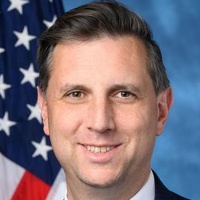
Seth Magaziner
Representative
RI
Seth Magaziner
Representative
RI
The Restore Trust in Government Act establishes strict new federal restrictions on senior government officials and their immediate families regarding the ownership and trading of specific financial investments. Covered individuals must divest existing investments that fall under the law's definition within a set timeframe, with limited exceptions. Violators face significant financial penalties, including a 10% fee on the investment value and disgorgement of any profits earned from prohibited transactions.
This act reinstates federal taxes on the transfer and manufacture of certain firearms to provide additional funding for the Medicare Part A trust fund.
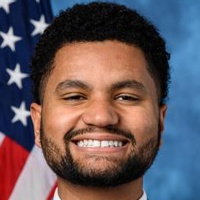
Maxwell Frost
Representative
FL
Maxwell Frost
Representative
FL
The Medicare Investment and Gun Violence Prevention Act reinstates federal taxes on the transfer and manufacture of certain firearms, setting the tax at $200 per firearm. This legislation also provides $1.7 billion in additional funding for the Medicare Part A Trust Fund for fiscal year 2026.
The Essential Caregivers Act of 2025 guarantees nursing home and long-term care residents the right to designate an essential caregiver who maintains access to them even during public health emergencies.

Claudia Tenney
Representative
NY
Claudia Tenney
Representative
NY
The Essential Caregivers Act of 2025 protects the rights of residents in long-term care facilities to designate an essential caregiver who can provide support and companionship. This legislation ensures that these caregivers maintain in-person access to residents even during public health emergencies when general visitation is restricted. By establishing clear protocols and an appeals process, the bill aims to prevent the harmful effects of isolation and ensure residents continue to receive vital care and advocacy.
This bill authorizes Congress to award Congressional Gold Medals to the 1980 U.S. Men's Olympic Ice Hockey team for their historic "Miracle on Ice" victory.
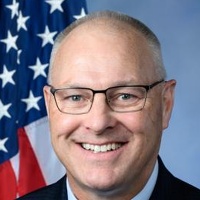
Pete Stauber
Representative
MN
Pete Stauber
Representative
MN
This bill, the Miracle on Ice Congressional Gold Medal Act, officially authorizes Congress to award Congressional Gold Medals to the 1980 U.S. Men's Olympic Ice Hockey Team for their historic "Miracle on Ice" victory. The medals will be struck by the Treasury and permanently displayed at specific national sports museums. The Act also permits the sale of duplicate bronze medals to cover production costs.
This act nullifies a recent Executive Order regarding federal labor relations and ensures existing collective bargaining agreements remain in effect.
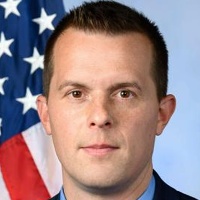
Jared Golden
Representative
ME
Jared Golden
Representative
ME
The Protect America's Workforce Act nullifies a specific Executive Order issued in March 2025 concerning exclusions from federal labor-management relations programs. This legislation ensures that any existing collective bargaining agreements between federal agencies and employee unions remain fully in effect until their stated expiration dates. The Act also prohibits the use of federal funds to implement the overturned Executive Order.
This act establishes a grant program to help state, local, territorial, and tribal governments hire, retain, and train prosecutors and support staff.
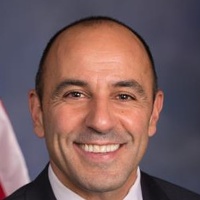
Jimmy Panetta
Representative
CA
Jimmy Panetta
Representative
CA
The Helping Improve Recruitment and Retention Efforts for Prosecutors Act of 2025 establishes a federal grant program to assist state, local, territorial, and tribal governments in hiring, retaining, and training prosecutors and support staff. Administered by the Attorney General, the program will award competitive grants, prioritizing offices in underserved or budget-impacted areas. This initiative is authorized with $10 million annually from 2026 through 2030, requiring a 25% non-federal match unless waived.
This bill establishes the Veterans Transition Talent Hub program to directly connect employers with veterans and separating service members seeking employment.
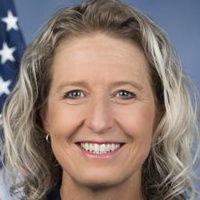
Jennifer Kiggans
Representative
VA
Jennifer Kiggans
Representative
VA
The Veterans Career Connection Act establishes the Veterans Transition Talent Hub within the Department of Veterans Affairs. This program aims to directly connect employers with veterans and separating service members by creating a searchable database of their skills and employment preferences. The goal is to streamline the transition from military service to civilian employment.
The FAIR Vets Act increases the dollar thresholds for sole-source federal contracts awarded to service-disabled veteran-owned small businesses.
Jennifer Kiggans
Representative
VA
Jennifer Kiggans
Representative
VA
The FAIR Vets Act modernizes federal contracting by significantly increasing the dollar thresholds for sole-source contracts awarded to service-disabled veteran-owned small businesses. This change raises the maximum contract value for both manufacturing and non-manufacturing sectors. The goal is to improve access to federal contracts for these veteran-owned businesses.
The Fit Vets Act establishes a three-year pilot program to provide eligible veterans enrolled in VA healthcare access to the SilverSneakers fitness program or a comparable senior exercise program.
Jennifer Kiggans
Representative
VA
Jennifer Kiggans
Representative
VA
The Fit Vets Act establishes a three-year pilot program to provide eligible veterans enrolled in VA health care access to the SilverSneakers fitness program or a similar senior exercise program. The Department of Veterans Affairs will evaluate the program's participation, costs, and impact on veteran health outcomes. Following the pilot's conclusion, the Secretary must report findings and recommendations to Congress regarding making the program permanent.
This bill reauthorizes and updates the Snow Water Supply Forecasting Program to focus on integrating advanced snowpack measurement and modeling technologies to improve water supply forecasts.
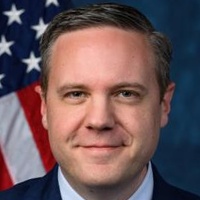
Jeff Hurd
Representative
CO
Jeff Hurd
Representative
CO
This bill reauthorizes and updates the Snow Water Supply Forecasting Program through 2031. It directs the program to focus on integrating advanced technologies for improved snowpack measurement and modeling to enhance water supply forecasts. The legislation also emphasizes building partner capacity and coordinating with other federal agencies to better inform water management decisions.
This Act establishes a grant program and coordination efforts to support the nationwide implementation and security of Next Generation 911 systems.
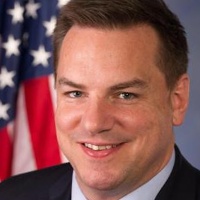
Richard Hudson
Representative
NC
Richard Hudson
Representative
NC
The Next Generation 911 Act establishes a new federal grant program to support states and Tribes in deploying modern, multimedia-capable Next Generation 911 (NG911) systems nationwide. This legislation tasks the National Telecommunications and Information Administration (NTIA) with coordinating implementation, providing technical assistance, and overseeing the distribution of funds. Grantees must submit detailed implementation plans focusing on interoperability, reliability, and cybersecurity to receive funding. The Act also mandates the creation of a dedicated Cybersecurity Center and an advisory board composed of public safety professionals.
This bill withdraws Oak Flat from mineral entry and cancels the land exchange to prevent foreign mining operations by Resolution Copper.
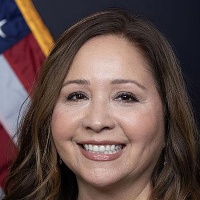
Adelita Grijalva
Representative
AZ
Adelita Grijalva
Representative
AZ
This bill, the Save Oak Flat from Foreign Mining Act, withdraws approximately 2,422 acres of Forest Service land known as Oak Flat in Arizona from all forms of mineral entry and development. It specifically cancels the prior land exchange that would have transferred the land to Resolution Copper Mining, LLC. The Act prohibits the transfer of Oak Flat to the foreign-backed mining venture, citing national security and environmental concerns.
The Dignity for Detained Immigrants Act establishes comprehensive standards, rigorous oversight, and new custody procedures to ensure humane treatment and due process for all noncitizens detained by the Department of Homeland Security, while phasing out for-profit detention facilities.

Pramila Jayapal
Representative
WA
Pramila Jayapal
Representative
WA
The Dignity for Detained Immigrants Act aims to overhaul immigration detention by establishing mandatory, high standards based on ABA guidelines and increasing transparency through rigorous, unannounced inspections. The bill prohibits the use of private, for-profit detention facilities within three years and ends the mandatory detention of most noncitizens, prioritizing release or community-based alternatives. Furthermore, it establishes new due process rights, including timely custody hearings, a presumption of release, and prohibitions on detaining children or using solitary confinement.
The Mikaela Naylon Give Kids a Chance Act primarily focuses on enhancing pediatric drug research, ensuring completion of pediatric study requirements, extending incentives for rare pediatric disease treatments, and making targeted updates to FDA and organ transplant network operations.
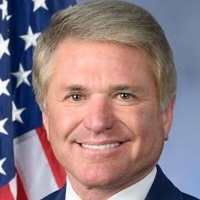
Michael McCaul
Representative
TX
Michael McCaul
Representative
TX
The Mikaela Naylon Give Kids a Chance Act focuses primarily on improving pediatric drug development and ensuring patient access to necessary treatments. This legislation mandates new research requirements for molecularly targeted pediatric cancer drugs, strengthens FDA enforcement of pediatric study completion, and extends incentives for developing drugs for rare pediatric diseases. Additionally, the bill updates organ transplant network functions and establishes an Abraham Accords Office within the FDA to enhance international regulatory cooperation.
This bill ensures specific 9/11 victims who settled judgments receive full and future payments from the United States Victims of State Sponsored Terrorism Fund by exempting them from certain payment restrictions.
Brian Fitzpatrick
Representative
PA
Brian Fitzpatrick
Representative
PA
This Act, the Fairness for 9/11 Families Technical Fix Act, makes specific adjustments to payment rules within the United States Victims of State Sponsored Terrorism Fund. It ensures that "Havlish Settling Judgment Creditors"—certain 9/11 victims involved in a specific court settlement—receive previously withheld funds. Furthermore, it guarantees their eligibility for future payments from the Fund, treating them equally with other claimants.
This bill establishes Medicare coverage for genetic counseling services provided by licensed or certified genetic counselors starting in 2027.

Adrian Smith
Representative
NE
Adrian Smith
Representative
NE
The Access to Genetic Counselor Services Act of 2025 aims to expand healthcare access by establishing Medicare coverage for genetic counseling services starting in 2027. This legislation defines qualified genetic counselors and sets specific payment rules for these covered services under Medicare. The bill ensures that Medicare beneficiaries can receive essential genetic counseling from licensed or certified professionals.
This Act prohibits discrimination based on religion, sex, or marital status in federally funded child welfare services to improve outcomes for all children, especially LGBTQ youth.
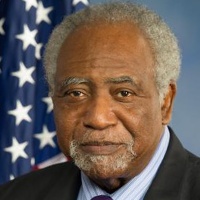
Danny Davis
Representative
IL
Danny Davis
Representative
IL
The John Lewis Every Child Deserves a Family Act prohibits discrimination based on religion, sex, or marital status in federally funded child welfare services. This aims to increase the number of stable, family-like placements for children, especially for LGBTQ youth who are overrepresented in foster care. The bill mandates federal guidance, training, and data collection to improve safety and well-being outcomes for all children involved in the system.