
Legislative Activity
Track Eleanor's sponsored bills, co-sponsored legislation, and voting record
This resolution recognizes the 15th anniversary of the 2011 Tucson shooting, honoring the victims, survivors, and the ongoing advocacy of Gabby Giffords.
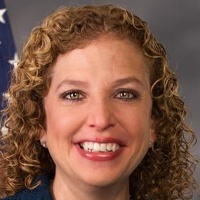
Debbie Wasserman Schultz
Representative
FL
Debbie Wasserman Schultz
Representative
FL
This resolution commemorates the 15th anniversary of the tragic January 8, 2011, Tucson shooting, honoring the six lives lost and the thirteen injured. It specifically commends the courage and ongoing advocacy of gun violence survivor and former Congresswoman Gabby Giffords. The resolution also recognizes the resilience of the community and reaffirms a commitment to ending political violence.
This bill excludes certain cost-of-living adjustments and supplementary Social Security payments from being counted as income when determining SNAP benefit eligibility.
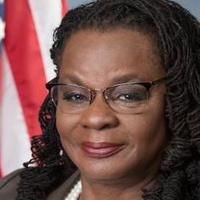
Gwen Moore
Representative
WI
Gwen Moore
Representative
WI
The COLAs Don’t Count Act of 2026 aims to protect SNAP benefits by excluding certain cost-of-living adjustments (COLAs) from Social Security and other federal benefits when calculating eligibility. This ensures that automatic annual income increases do not cause households to lose their food assistance. The legislation also excludes specific supplementary payments from the income calculation.
This act prohibits the use of federal funds to support any U.S. occupation, control, or administration of Venezuela, with specific exceptions for diplomatic property acquisition and existing humanitarian aid.
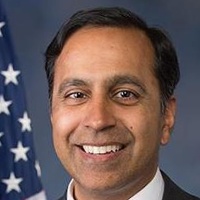
Raja Krishnamoorthi
Representative
IL
Raja Krishnamoorthi
Representative
IL
The No Occupation of Venezuela Act of 2026 (NOVA Act) strictly prohibits the use of U.S. Federal funds to support any form of U.S. military occupation, control, or administration over Venezuela. This ban includes funding for military deployments intended to assert sovereignty or control over Venezuelan territory or resources. The Act carves out narrow exceptions allowing for the acquisition or use of property for U.S. diplomatic or consular establishments, provided the Venezuelan government approves. Importantly, this legislation does not affect existing laws governing the provision of emergency humanitarian aid.
This bill mandates regular federal reporting on the air quality, water usage, and electricity consumption impacts of data centers across the United States.
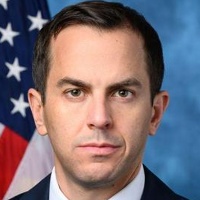
Robert Menendez
Representative
NJ
Robert Menendez
Representative
NJ
The Data Center Transparency Act establishes new federal reporting requirements to monitor the environmental and energy impacts of data centers across the United States. This legislation mandates regular reports from the EPA detailing data center water consumption, reuse, and pollution discharge, as well as reports from the EIA on total electricity consumption broken down by state. These measures aim to provide transparency regarding how data centers affect local air quality, water resources, and household energy costs.
The COURSE Credit Act mandates that the Department of Education collect and report data, and requires colleges to publish detailed information regarding their policies for awarding academic credit for Advanced Placement (AP) and International Baccalaureate (IB) exam scores.
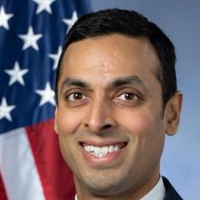
Suhas Subramanyam
Representative
VA
Suhas Subramanyam
Representative
VA
The COURSE Credit Act mandates that the Department of Education collect and report data on how colleges award credit for Advanced Placement (AP) and International Baccalaureate (IB) exams on the College Scorecard website. Furthermore, the bill requires participating colleges and universities to publicly post detailed information about their specific AP and IB credit policies on their websites. This aims to increase transparency regarding how these standardized exam scores translate into college credit.
This bill directs the President to issue an annual proclamation establishing Democracy Day on January 6th to commemorate the 2021 attack on the U.S. Capitol and affirm the importance of the peaceful transition of power.
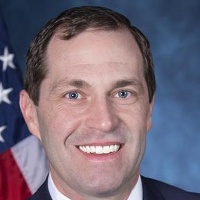
Jason Crow
Representative
CO
Jason Crow
Representative
CO
This bill proposes establishing an annual observance called "Democracy Day" by directing the President to issue a yearly proclamation. The observance is set for January 6th to commemorate the 2021 attack on the U.S. Capitol and affirm the importance of the peaceful transition of presidential power. It calls upon all levels of government and the public to observe the day with appropriate activities.
This act prohibits states from imposing new liens on Medicaid recipients' homes or recovering correctly paid Medicaid benefits from their estates.

Janice Schakowsky
Representative
IL
Janice Schakowsky
Representative
IL
The Stop Unfair Medicaid Recoveries Act prohibits states from imposing new liens on an individual's home for Medicaid benefits already paid. This legislation also stops states from initiating or continuing efforts to recover the costs of correctly paid Medicaid benefits from an individual's estate. Furthermore, existing liens related to these recoveries must be withdrawn shortly after the law is enacted.
This resolution declares the renaming of the Kennedy Center to include Donald J. Trump a violation of federal law and mandates the restoration of its original name.
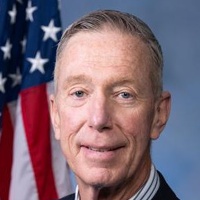
Stephen Lynch
Representative
MA
Stephen Lynch
Representative
MA
This resolution expresses the sense of the House that renaming the John F. Kennedy Center for the Performing Arts to include the name "Donald J. Trump" violates federal law. It declares the unauthorized redesignation null and void and requires the Board of Trustees to immediately restore the original name. Furthermore, the bill calls for the resignation of any trustees appointed by President Trump.
This act prohibits naming or renaming any federal property after a currently serving President.
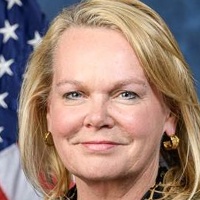
April McClain Delaney
Representative
MD
April McClain Delaney
Representative
MD
The Federal Property Integrity Act prohibits naming any federal building, land, or asset after a President currently serving in office. This new rule establishes a clear standard for naming federal property, ensuring such designations are not made while a President is actively serving.
This act voids the recent renaming of the Kennedy Center and restricts the Board of Trustees from ever renaming the center again.
April McClain Delaney
Representative
MD
April McClain Delaney
Representative
MD
The Kennedy Center Protection Act voids the Board of Trustees' 2025 vote to rename the performing arts center. This legislation mandates the immediate removal of any signage reflecting the altered name and restores the official title to the "John F. Kennedy Center for the Performing Arts." Furthermore, it explicitly prohibits the Board from ever taking action to rename the center in the future.
This bill prohibits the use of federal funds for military force in or against Venezuela through 2026 unless Congress declares war or passes a specific authorizing law, with exceptions for defensive actions.
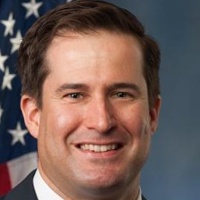
Seth Moulton
Representative
MA
Seth Moulton
Representative
MA
This bill prohibits the use of federal funds for military force in or against Venezuela through the end of 2026. This restriction remains in place unless Congress formally declares war or passes a new, specific authorization for military action that complies with the War Powers Resolution. An exception is made for necessary defensive actions, such as repelling a sudden attack.
This bill establishes an annual preventative health evaluation for veterans with spinal cord injuries or disorders to assess their needs, including access to new assistive technologies like spinal cord neuromodulation.
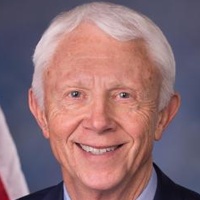
Jack Bergman
Representative
MI
Jack Bergman
Representative
MI
The Veterans Spinal Trauma Access to New Devices (STAND) Act mandates an annual preventative health evaluation for veterans with spinal cord injuries or disorders. This comprehensive assessment will cover risks, pain management, nutrition, and the need for advanced assistive technologies, including neuromodulation devices. The VA is required to consult with specialists and manufacturers when developing implementation guidelines. Furthermore, the Secretary must report biennially to Congress on the utilization and outcomes of these evaluations and assistive technologies.
The STORE Act of 2025 expands and modernizes the Emergency Food Assistance Program’s infrastructure grants to better support food distribution in underserved communities while mandating a national study on cold storage needs.
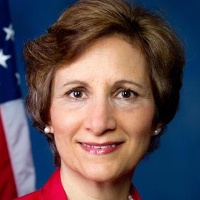
Suzanne Bonamici
Representative
OR
Suzanne Bonamici
Representative
OR
The STORE Act of 2025 strengthens the Emergency Food Assistance Program by increasing annual funding to $25 million and modernizing infrastructure grants to better support food storage, distribution technology, and delivery services. The bill expands grant eligibility to prioritize Tribal, low-income, and remote communities while mandating a national study to assess and address critical shortages in cold storage and transportation equipment.
The Tobacco TRACE Act mandates that the Secretary of Health and Human Services establish a mandatory tracking and tracing system for tobacco products by June 1, 2026.
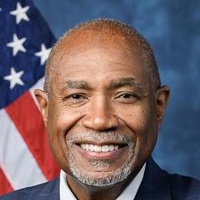
Herbert Conaway
Representative
NJ
Herbert Conaway
Representative
NJ
The Tobacco TRACE Act mandates that the Secretary of Health and Human Services establish a comprehensive tracking and tracing system for all tobacco products. By converting previous discretionary authority into a firm requirement, the bill sets a deadline of June 1, 2026, to implement these product codes to improve regulatory compliance and enforcement.
The Vaccine Transportation Access Act establishes a grant program and increases federal Medicaid funding to eliminate transportation barriers for individuals seeking essential vaccinations.
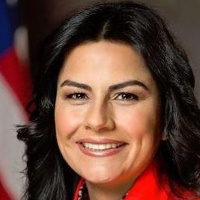
Nanette Barragán
Representative
CA
Nanette Barragán
Representative
CA
The Vaccine Transportation Access Act establishes a grant program for community organizations to provide reliable transportation services, helping individuals in underserved or low-income areas reach vaccination appointments. Additionally, the bill increases federal Medicaid support by covering 100% of the costs for nonemergency transportation specifically related to receiving eligible vaccines. These measures aim to remove critical mobility barriers and improve equitable access to essential immunizations.
The American Affordability Act of 2025 is a comprehensive bill designed to lower costs for families through expanded housing assistance, clean energy tax credits, monthly child payments, education relief, and enhanced healthcare subsidies.
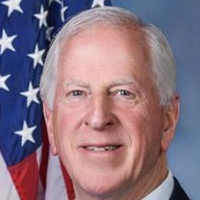
Mike Thompson
Representative
CA
Mike Thompson
Representative
CA
The American Affordability Act of 2025 is a comprehensive bill designed to lower costs across five key areas: housing, energy, family care, education, and healthcare. It achieves this by expanding tax credits for housing construction and homebuyers, extending incentives for clean energy manufacturing and consumer adoption, replacing the Child Tax Credit with larger monthly payments, making higher education expenses more affordable, and permanently expanding subsidies to lower health insurance premiums for millions. Overall, the legislation aims to provide direct financial relief and increase access to essential services for American families and workers.
This bill imposes comprehensive sanctions on Russia for its war against Ukraine while permanently extending the U.S. sanctions authority against Iran.
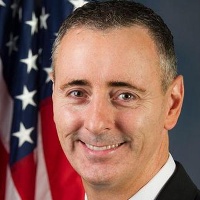
Brian Fitzpatrick
Representative
PA
Brian Fitzpatrick
Representative
PA
The Peace Through Strength Against Russia Act of 2025 imposes comprehensive sanctions on Russia's financial, military, and energy sectors in response to its war against Ukraine. This legislation cuts off major Russian banks from the U.S. financial system and bans new American investment in Russia. Additionally, the bill makes the existing sanctions authority against Iran permanent by removing its expiration date.
This bill establishes a federal multi-agency task force to combat the illegal importation, distribution, and sale of e-cigarettes.
Herbert Conaway
Representative
NJ
Herbert Conaway
Representative
NJ
The S.T.O.P. Illicit Vapes Act establishes a high-level, multi-agency federal task force to combat the illegal importation, distribution, and sale of unauthorized e-cigarettes. Co-chaired by the Attorney General and the Secretary of Health and Human Services, this group will coordinate enforcement strategies and share information. The task force is required to meet regularly and submit detailed semi-annual reports to Congress outlining enforcement actions and recommendations for new legal authorities.
This bill restricts immigration enforcement authority to federal officials, rescinding the ability of state and local entities to inquire about or apprehend individuals for immigration violations.

Mike Quigley
Representative
IL
Mike Quigley
Representative
IL
The PROTECT Immigration Act of 2025 aims to centralize immigration enforcement exclusively with federal officials. This legislation amends existing law to restrict state and local entities from inquiring about, apprehending, or detaining individuals based on immigration status, with only three specific statutory exceptions. Essentially, it removes the authority granted under Section 287(g) from non-federal personnel.
This bill aims to prohibit most U.S. natural gas exports to lower domestic energy costs and mitigate environmental impacts.
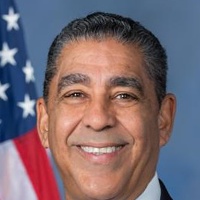
Adriano Espaillat
Representative
NY
Adriano Espaillat
Representative
NY
The Lowering American Energy Costs Act of 2025 seeks to reduce domestic energy prices by restricting the export of natural gas. Citing findings that exports increase consumer costs and harm the environment, the bill mandates the President to establish rules prohibiting most U.S. natural gas exports. Any exemptions to this prohibition must align with the national interest and receive approval via a joint resolution of Congress.