
Legislative Activity
Track Eleanor's sponsored bills, co-sponsored legislation, and voting record
This bill prohibits political appointees from managing NIH programs or participating in NIH funding decisions, and prevents the NIH from unilaterally canceling existing research agreements without documented findings of mismanagement or fraud.

Diana DeGette
Representative
CO
Diana DeGette
Representative
CO
The Follow the Science Act aims to insulate the National Institutes of Health (NIH) from political influence by prohibiting most political appointees from working on or managing NIH programs. This legislation specifically bars political employees from participating in the review, selection, or awarding of NIH grants and contracts. Furthermore, it restricts the NIH Director from canceling or delaying existing funding agreements unless specific findings of mismanagement or fraud are documented and reported to Congress.
This act prohibits the deployment of U.S. troops to Greenland without an explicit invitation from the Kingdom of Denmark.
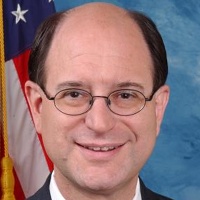
Brad Sherman
Representative
CA
Brad Sherman
Representative
CA
The Hands Off Greenland Act prohibits the President from deploying U.S. troops to Greenland without an explicit invitation from the Kingdom of Denmark. This legislation also bars the use of federal funds for any unauthorized troop deployments after the enactment date.
The TRACK ICE Act mandates increased public transparency for certain aircraft flights conducted by federal agencies for immigration enforcement purposes, including the disclosure of flight data and passenger details.

Jasmine Crockett
Representative
TX
Jasmine Crockett
Representative
TX
The TRACK ICE Act aims to increase transparency regarding certain immigration enforcement flights. It removes privacy protections for private aircraft used by agencies like ICE or CBP for detaining or deporting individuals. The bill mandates the Department of Homeland Security to publicly report specific flight data, including passenger demographics and restraint usage, within 72 hours of these operations.
This Act mandates the translation of federal gun violence prevention materials and prioritizes grant funding for outreach to limited English proficient populations.
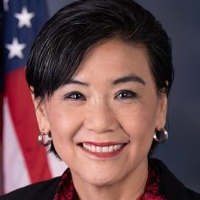
Judy Chu
Representative
CA
Judy Chu
Representative
CA
The Language Access to Gun Violence Prevention Strategies Act of 2026 mandates that federal agencies translate critical gun violence prevention materials into priority languages. It prioritizes federal grant funding for efforts that include targeted outreach to limited English proficient populations. The Act also establishes national public awareness campaigns by the DOJ and HHS specifically designed to increase language access to prevention strategies like Extreme Risk Protection Orders.
This bill establishes a non-legislative Permanent Select Committee on Aging in the House of Representatives to comprehensively study and coordinate policies affecting older Americans.
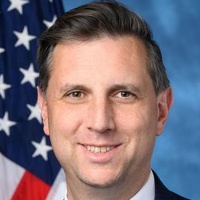
Seth Magaziner
Representative
RI
Seth Magaziner
Representative
RI
This bill proposes establishing a **Permanent Select Committee on Aging** within the House of Representatives. This committee will focus on conducting comprehensive studies regarding the challenges and needs of older Americans across various areas like health, income, and housing. It is important to note that this committee will not have legislative authority to write or vote on bills.
This bill prohibits the Department of Homeland Security from using private contractors for activities like skip tracing, surveillance, or location verification in civil immigration enforcement.
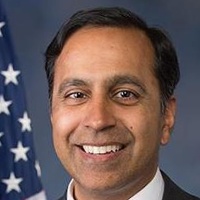
Raja Krishnamoorthi
Representative
IL
Raja Krishnamoorthi
Representative
IL
This bill, the "No Private Bounty Hunters for Immigration Enforcement Act," prohibits the Department of Homeland Security (DHS) from using private contractors for activities like skip tracing, surveillance, or location verification in civil immigration enforcement. It mandates the termination or amendment of all existing contracts that involve these practices. Furthermore, the legislation generally bans paying private entities on a per-person or bonus basis for locating individuals subject to civil immigration detainers.
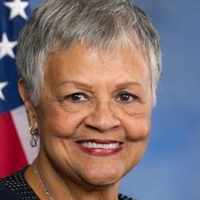
This bill establishes federal licensing for ammunition dealers and mandates in-person sales with ID verification, while also requiring recordkeeping for large purchases.
Bonnie Watson Coleman
Representative
NJ
Bonnie Watson Coleman
Representative
NJ
The Stop Online Ammunition Sales Act of 2026 establishes new federal requirements for the sale and transfer of ammunition. This includes mandating federal licensing for all ammunition dealers and requiring all sales to be conducted face-to-face with ID verification. The bill also institutes recordkeeping for large-quantity sales and restricts interstate ammunition shipments that violate local laws.
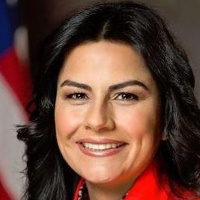
This bill establishes programs to provide technical assistance and competitive grants to faith-based organizations, higher education institutions, and local governments to increase the supply of affordable rental housing on their property.
Nanette Barragán
Representative
CA
Nanette Barragán
Representative
CA
The Yes in God's Backyard Act establishes a new federal program to increase the supply of affordable rental housing on property owned by faith-based organizations and institutions of higher education. This initiative will provide technical assistance and competitive challenge grants to local governments and other entities to remove regulatory barriers to development. The goal is to facilitate the creation or preservation of housing targeted toward low-income, homeless, and special needs populations.
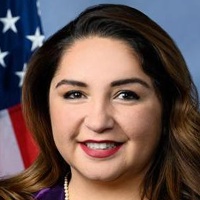
This bill establishes a comprehensive, department-wide use of force policy for DHS law enforcement, mandates regular public reporting of use of force data, and requires enhanced training and oversight.
Delia Ramirez
Representative
IL
Delia Ramirez
Representative
IL
The DHS Use of Force Oversight Act establishes a comprehensive, department-wide policy for the use of force by all DHS law enforcement personnel. This policy mandates de-escalation as the preferred approach, prohibits chokeholds, and requires extensive training. Furthermore, the bill mandates regular public reporting of use-of-force data and requires timely briefings to Congress following serious incidents.
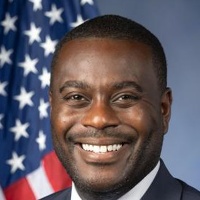
The PARK Act prohibits waiving or reducing entrance fees to National Parks and Wildlife Refuges to celebrate a sitting President's birthday, unless that day is already a Federal holiday.
Gabe Amo
Representative
RI
Gabe Amo
Representative
RI
The PARK Act, or Protecting Americas Resources from Kings Act, amends existing law to prohibit the waiving or reduction of entrance fees at National Parks and Wildlife Refuges to celebrate a sitting President's birthday. This restriction applies unless the birthday also falls on a recognized Federal holiday.
This Act mandates that newly elected House members from special elections must be sworn in within five legislative days of their election certification.
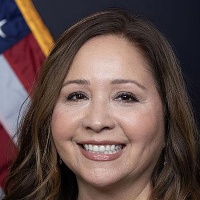
Adelita Grijalva
Representative
AZ
Adelita Grijalva
Representative
AZ
The No Delay in Representation Act ensures that individuals elected to the House of Representatives through special elections are seated promptly. It mandates that these new members must be given the opportunity to take the oath of office within five legislative days of their election certification. This act aims to prevent delays in representation for newly elected members.
This act requires states and local governments to stop charging fees for public access to specific law enforcement camera footage to remain eligible for major federal grants.
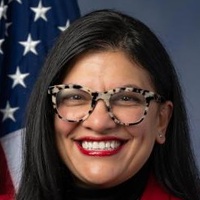
Rashida Tlaib
Representative
MI
Rashida Tlaib
Representative
MI
The Stop Body Camera Paywalls Act requires states and local governments to stop charging the public fees to access or obtain copies of specific law enforcement camera footage, including body-worn and dash camera video. To receive funding from major federal law enforcement grant programs, applicants must certify they comply with this requirement. Non-compliant governments will be ineligible for these federal grants.
This act prohibits the US government from using funds to purchase any NATO member country or NATO-protected territory.
Gabe Amo
Representative
RI
Gabe Amo
Representative
RI
This bill, the "NO NATO for Purchase Act," strictly prohibits any federal department or agency from using funds or taking action to purchase a country that is a member of NATO or any territory protected under the North Atlantic Treaty. Essentially, it bans the U.S. government from acquiring NATO member nations or their protected territories.
This bill establishes a federal sepsis program within the CDC to enhance education, data collection, and best practices for sepsis prevention and treatment nationwide.
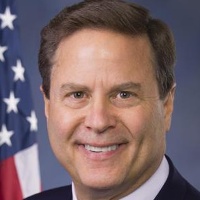
Donald Norcross
Representative
NJ
Donald Norcross
Representative
NJ
The Securing Enhanced Programs, Systems, and Initiatives for Sepsis Act (SEPSIS Act) establishes a new federal sepsis program within the CDC to combat the high rates of sepsis-related illness and death. This program will focus on leading education campaigns, improving data collection, and developing outcome measures for sepsis. The bill also authorizes funding to support these critical efforts and may establish a voluntary recognition program for hospitals with effective sepsis protocols.
This resolution recognizes the vital role of the Older Americans Act nutrition programs in combating senior hunger, malnutrition, and isolation while improving the health and quality of life for millions of older adults.
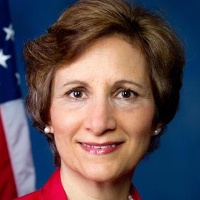
Suzanne Bonamici
Representative
OR
Suzanne Bonamici
Representative
OR
This resolution recognizes the vital role of the Older Americans Act (OAA) nutrition programs in combating hunger, malnutrition, and social isolation among seniors and individuals with disabilities. It highlights how these essential services improve health outcomes and reduce long-term medical costs while calling on Congress to support local providers through sustained funding and active volunteer participation.
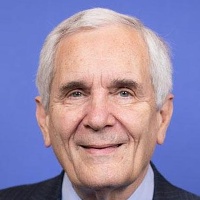
This bill prohibits the export of petroleum-related equipment and services to Russia and mandates sanctions on foreign persons who facilitate such transactions.
Lloyd Doggett
Representative
TX
Lloyd Doggett
Representative
TX
The No Aid for Russian Energy Act prohibits U.S. persons and entities from exporting petroleum-related equipment, technology, and services to the Russian Federation. It further mandates strict sanctions, including asset blocking and visa restrictions, against any foreign persons or companies that facilitate such trade with Russia. The bill provides limited exceptions for humanitarian aid and medical supplies while granting the President authority to issue temporary national security waivers.
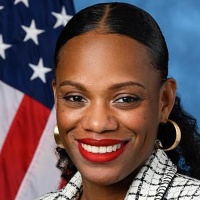
This Act mandates federal agencies to establish civil rights offices and report biennially on efforts to mitigate bias and discrimination in covered algorithmic systems that affect protected characteristics.
Summer Lee
Representative
PA
Summer Lee
Representative
PA
The Eliminating Bias in Algorithmic Systems Act of 2026 mandates that federal agencies address bias and discrimination in automated systems that materially affect individuals based on protected characteristics. This requires covered agencies to establish specialized civil rights offices focused on algorithmic harms. These offices must submit biennial reports to Congress detailing risks, mitigation efforts, stakeholder engagement, and legislative recommendations regarding biased algorithms.
This bill prohibits the importation of energy products refined outside of Russia if they were produced using Russian crude oil.
Lloyd Doggett
Representative
TX
Lloyd Doggett
Representative
TX
The Ending Importation of Laundered Russian Oil Act closes a loophole in existing sanctions by banning the import of petroleum products refined outside of Russia if they were produced using Russian crude oil. This legislation ensures that energy products derived from Russian sources cannot enter the U.S. market, subjecting violators to the same penalties as those who import Russian oil directly.
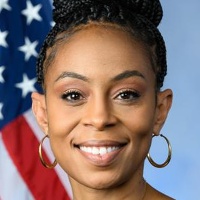
This resolution honors the 97th anniversary of Dr. Martin Luther King, Jr.’s birth by reaffirming his legacy of equality, condemning hate, and promoting tolerance and civil discourse.
Shontel Brown
Representative
OH
Shontel Brown
Representative
OH
This resolution honors the 97th anniversary of the birth of Reverend Dr. Martin Luther King, Jr. by celebrating his legacy of equality, diversity, and civil discourse. It reaffirms a national commitment to his values of justice and tolerance while explicitly condemning all forms of hate, discrimination, and prejudice.
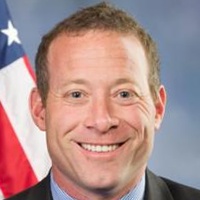
This bill establishes a Department of Justice Task Force to combat anti-Sikh hate and discrimination through definition, education, and reporting.
Josh Gottheimer
Representative
NJ
Josh Gottheimer
Representative
NJ
The Sikh American Anti-Discrimination Act of 2026 establishes a Department of Justice Task Force dedicated to combating anti-Sikh hate and discrimination. This Task Force is charged with formally defining anti-Sikh hate, developing educational programs for law enforcement and schools, and collaborating with the Sikh community. The bill mandates annual reporting to Congress on hate crimes, legal actions, and ongoing threats against Sikhs.