Legislative Activity
Track Eleanor's sponsored bills, co-sponsored legislation, and voting record
This Act ensures federal employees and certain contractors are paid during any government shutdown in fiscal year 2026 and prohibits workforce reductions during such funding gaps.
James Walkinshaw
Representative
VA
James Walkinshaw
Representative
VA
The True Shutdown Fairness Act ensures that federal employees and certain contract employees receive their full pay and benefits during any government shutdown in fiscal year 2026. It also mandates retroactive contract price adjustments to compensate contractors for costs incurred during previous shutdowns. Furthermore, the bill prohibits federal agencies from implementing workforce reductions or placing employees on extended administrative leave during funding lapses.
This bill renames and significantly expands the existing organic cost-share program to provide comprehensive financial, technical, and capacity-building support for farmers transitioning to and maintaining organic operations.
Jimmy Panetta
Representative
CA
Jimmy Panetta
Representative
CA
The Opportunities in Organic Act renames and significantly expands the existing organic certification cost-share program. This new program will provide financial assistance for organic certification costs, while also offering crucial support and technical assistance for farmers transitioning to organic management. The bill directs funding to eligible nonprofits to build capacity, offer direct producer support during transition, and strengthen the organic supply chain. Finally, it mandates increased reporting to Congress on program outcomes and barriers faced by participants.
This bill designates the week of February 2-6, 2026, as National School Counseling Week to honor school counselors and promote awareness of their vital role in student success.
Linda Sánchez
Representative
CA
Linda Sánchez
Representative
CA
This bill officially designates the week of February 2, 2026, through February 6, 2026, as National School Counseling Week. It aims to honor school counselors and encourage public recognition of their vital contributions to student success. The observance promotes awareness of the crucial role counselors play in preparing students for fulfilling lives.
This act mandates a public report from the FBI and State Department detailing responsibility for the death of Shireen Abu Akleh and any U.S. involvement.
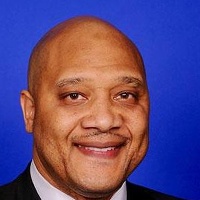
André Carson
Representative
IN
André Carson
Representative
IN
The Justice for Shireen Act mandates that the FBI Director and Secretary of State submit a comprehensive, unclassified report to Congress within 30 days regarding the death of Shireen Abu Akleh. This report must identify responsible parties and any U.S. materials implicated in the incident. The findings will also be made publicly available on the Department of State's website.
This bill ensures Medicare reimburses qualified providers for essential on-scene and support ambulance services even when patient transportation does not occur.
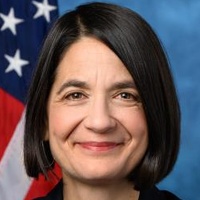
Becca Balint
Representative
VT
Becca Balint
Representative
VT
This bill, the Emergency Medical Services Reimbursement for On-Scene and Support Act, amends Medicare rules to ensure payment for certain ambulance services even when the patient is not transported. Beginning in 2026, Medicare will cover these on-scene or support services provided by qualified suppliers at a rate comparable to standard transport reimbursement.
This Act establishes a national system for tracking and publicly reporting judgments and settlements related to law enforcement misconduct across federal, state, and local agencies.
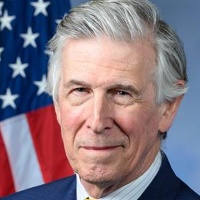
Donald Beyer
Representative
VA
Donald Beyer
Representative
VA
The Cost of Police Misconduct Act of 2026 establishes a national system for tracking and publicly reporting all financial judgments and settlements related to law enforcement misconduct. This requirement applies to federal, state, and local agencies, mandating detailed annual data collection on allegations, officer demographics, and payment sources. The collected information will be compiled into a public, searchable database maintained by the Department of Justice. Non-compliant state and local jurisdictions face potential reductions in federal grant funding.
This Act establishes a grant program administered by the Attorney General to fund library services in prisons to advance reintegration, reduce recidivism, and increase educational opportunities for incarcerated individuals.
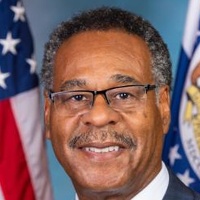
Emanuel Cleaver
Representative
MO
Emanuel Cleaver
Representative
MO
The Prison Libraries Act of 2026 establishes a federal grant program, administered by the Attorney General, to fund essential library services for incarcerated individuals. These grants aim to reduce recidivism and boost reintegration efforts by supporting education, job training, and access to modern library materials. States and territories can apply for these renewable, multi-year grants, which must be used strictly for library-related activities and cannot charge inmates for access to resources.
This bill seeks to disapprove and nullify the Department of Veterans Affairs' final rule regarding "Reproductive Health Services."
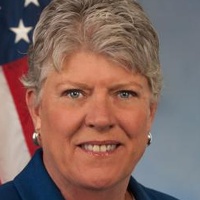
Julia Brownley
Representative
CA
Julia Brownley
Representative
CA
This resolution seeks to disapprove the Department of Veterans Affairs' final rule concerning "Reproductive Health Services" issued in September 2024. If enacted, this disapproval, made under the Congressional Review Act, would prevent the VA rule from taking legal effect.
This act prohibits the use of images of living elected officials or political figures on the National Parks and Federal Recreational Lands Pass.
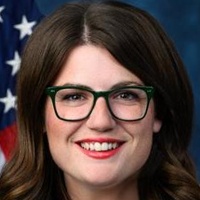
Sarah Elfreth
Representative
MD
Sarah Elfreth
Representative
MD
This bill, the Prohibit Partisan Park Passes Act, amends existing law to restrict the imagery allowed on the National Parks and Federal Recreational Lands Pass. Specifically, it prohibits the use of images of any living current or former elected official or living political figure on the pass.
This bill establishes a commission to investigate and recommend remedies for historical and ongoing racial, ethnic, and LGBTQ+ discrimination within the uniformed services.
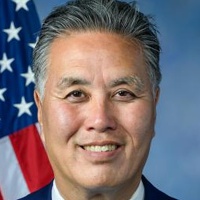
Mark Takano
Representative
CA
Mark Takano
Representative
CA
This bill establishes the Commission on Equity and Reconciliation in the Uniformed Services to investigate and document the history of racial, ethnic, and LGBTQ+ discrimination within the U.S. military since 1775. The Commission is tasked with holding hearings, gathering testimony, and developing recommendations for remedies, including apologies, compensation, and policy changes. It must submit a final report to Congress and the President detailing its findings and proposed actions within 18 months of its first meeting.
This bill mandates the removal of U.S. Armed Forces from Venezuela unless explicitly authorized by Congress.
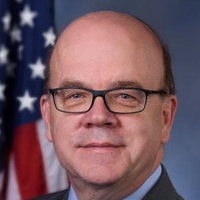
James McGovern
Representative
MA
James McGovern
Representative
MA
This bill mandates the President to withdraw all United States Armed Forces from Venezuela. This action is required unless Congress has formally declared war or passed specific legislation authorizing the use of military force in that country.
This act establishes a loan repayment program for general surgeons who commit to working in underserved areas and mandates a study to better define and designate general surgery shortage areas.
Ami Bera
Representative
CA
Ami Bera
Representative
CA
The Ensuring Access to General Surgery Act of 2026 establishes a federal program to address the shortage of general surgeons in underserved communities. This program offers loan repayment assistance of up to $200,000 over four years for eligible surgeons who commit to working in designated shortage areas. Additionally, the bill mandates a comprehensive study to develop a standardized methodology for accurately identifying and designating general surgery shortage areas across the nation.
This resolution expresses the House's sense that protecting women's rights and leadership is critical for Haiti's stability while condemning current failures in centering their needs and calling for urgent human rights measures.
Yvette Clarke
Representative
NY
Yvette Clarke
Representative
NY
This resolution asserts that advancing the rights of women and girls in Haiti is crucial for the nation's stability and successful transition from crisis. It condemns the widespread gender-based violence and the exclusion of women from leadership roles in the transitional government. The bill calls for urgent measures to center women's needs, ensure their representation in government, and prioritize funding for survivor services and accountability for violence.
The Language Access for All Act of 2026 mandates that federal agencies implement comprehensive language assistance services, including translation and interpretation, to ensure meaningful access for individuals with limited English proficiency.
Grace Meng
Representative
NY
Grace Meng
Representative
NY
The Language Access for All Act of 2026 mandates that federal agencies provide meaningful access to programs and services for individuals with limited English proficiency. The bill requires agencies to implement comprehensive language access plans, establish technical standards for translation and interpretation, and appoint dedicated coordinators to ensure compliance. Additionally, it creates a public complaint system and sets strict guidelines for the use of AI in language services to ensure accuracy and accountability.
This bill establishes strict procedures, including public notification and Inspector General review, for closing or reducing access to Social Security field offices while mandating minimum staffing levels to ensure continued vital services.
Gwen Moore
Representative
WI
Gwen Moore
Representative
WI
This bill establishes strict procedures, including public notification and hearings, that the Social Security Administration must follow before closing or reducing access to any field office. It mandates that field offices maintain adequate staffing and operating hours to ensure comprehensive and convenient public services. Furthermore, the legislation requires the Inspector General to review and approve any proposed office closure actions.
This bill eliminates out-of-pocket costs for mental health and substance use disorder services for pregnant and postpartum individuals under most health plans.
Gwen Moore
Representative
WI
Gwen Moore
Representative
WI
The Mental Health and MAMA Act of 2026 aims to improve access to care for new and expecting mothers. This legislation prohibits certain health plans from charging out-of-pocket costs for in-network mental health and substance use disorder services for pregnant and postpartum individuals. Furthermore, it updates continuity of care protections to explicitly cover postpartum individuals receiving ongoing mental health or substance use disorder treatment. These provisions will also apply to the Federal Employees Health Benefits Program.
This Act mandates the translation of federal gun violence prevention materials and prioritizes grant funding for outreach to limited English proficient populations.
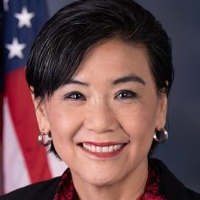
Judy Chu
Representative
CA
Judy Chu
Representative
CA
The Language Access to Gun Violence Prevention Strategies Act of 2026 mandates that federal agencies translate critical gun violence prevention materials into priority languages. It prioritizes federal grant funding for efforts that include targeted outreach to limited English proficient populations. The Act also establishes national public awareness campaigns by the DOJ and HHS specifically designed to increase language access to prevention strategies like Extreme Risk Protection Orders.
This act amends Medicare Part B to cover pharmacist-provided HIV prevention services, including PrEP and PEP management, starting January 1, 2027.
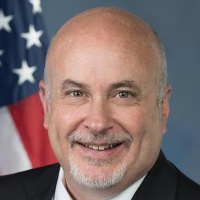
Mark Pocan
Representative
WI
Mark Pocan
Representative
WI
The PrEP Access Act aims to expand access to HIV prevention by amending Medicare Part B to cover HIV prevention services, such as PrEP and PEP management, when provided by pharmacists. This coverage will take effect on January 1, 2027. The bill also establishes specific payment rates and prohibits pharmacists from balance billing Medicare beneficiaries for these services.
This bill establishes competitive federal grants for states to implement and expand financial literacy education in public elementary and secondary schools.
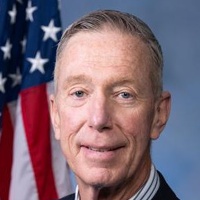
Stephen Lynch
Representative
MA
Stephen Lynch
Representative
MA
The Youth Financial Learning Act establishes a competitive grant program to incentivize states to integrate comprehensive financial literacy education into public elementary and secondary schools. State educational agencies will receive federal grants to award subgrants to local school districts for implementing and expanding curriculum on topics like credit and student loans. States must secure matching funds and prioritize districts demonstrating the greatest need to ensure broad access to financial education.
This bill establishes a grant program to provide legal assistance and resources for individuals seeking extreme risk protection orders and shields petitioners from most federal lawsuits related to filing those orders.
Judy Chu
Representative
CA
Judy Chu
Representative
CA
The Fair Legal Access Grants Act establishes a grant program to provide legal assistance and resources for individuals seeking extreme risk protection orders. This funding will help ensure petitioners have access to lawyers, translation services, and educational resources regarding the order process. Additionally, the bill protects individuals who file these petitions from being sued in federal court, unless the petition is false or harassing.