Legislative Activity
Track Dave's sponsored bills, co-sponsored legislation, and voting record
The RECAPTURE Act redirects unspent BEAD program funds that result from eligible entities missing deadlines to a combination of the original entity and the Treasury's general fund for deficit reduction.

Joni Ernst
Senator
IA
Joni Ernst
Senator
IA
The RECAPTURE Act amends the Infrastructure Investment and Jobs Act to change how unspent federal broadband (BEAD) grant funds are handled when states or entities miss deadlines. Under this bill, any unallocated remaining grant funds that were not designated for a specific purpose will be deposited into the U.S. Treasury for deficit reduction. The remaining funds designated for specific purposes may still be made available to the eligible entity.
This bill prohibits Medicare-funded residency programs from mandating abortion training or penalizing residents who opt out of such procedures.
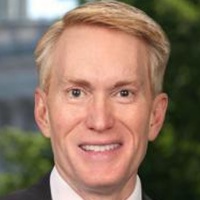
James Lankford
Senator
OK
James Lankford
Senator
OK
This Act, the Conscience Protections for Medical Residents Act, amends Medicare rules to prohibit residency programs from requiring participation in abortion training. Programs that mandate abortion training or discriminate against residents who opt out or refuse to participate will no longer qualify as "approved" under Medicare. This ensures medical residents are not forced to perform, assist, or refer for abortions as a condition of their training.
The Greenlighting Growth Act modifies financial reporting requirements for emerging growth companies during initial public offerings and exchange registrations by streamlining the presentation of historical financial statements.
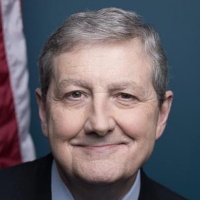
John Kennedy
Senator
LA
John Kennedy
Senator
LA
The Greenlighting Growth Act modifies financial reporting requirements for emerging growth companies during their initial public offerings and exchange registrations. Specifically, it reduces the need for these companies to present historical financial statements from acquired companies or their own prior periods. This aims to streamline the process for emerging companies going public or listing on an exchange.
This bill establishes a presumption against pretrial release for non-citizen defendants who are not lawful permanent residents, requiring a detention hearing and limiting the evidence they can use to overcome that presumption.
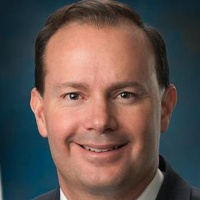
Mike Lee
Senator
UT
Mike Lee
Senator
UT
The Flight Risk Reduction Act amends federal law to establish a new presumption against pretrial release for non-citizens who are not lawful permanent residents. This change mandates a detention hearing for these individuals and requires courts to presume detention is necessary. Crucially, defendants cannot use ties to family or employment in the U.S. to overcome this presumption.
This act renames Coverdell Education Savings Accounts to Coverdell Lifelong Learning Accounts, expands allowable education and skill development expenses, and introduces new employer tax credits and beneficiary deductions to encourage lifelong skill investment.
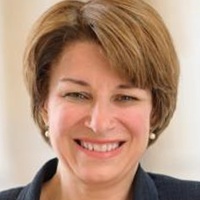
Amy Klobuchar
Senator
MN
Amy Klobuchar
Senator
MN
The Skills Investment Act of 2025 renames and significantly expands Coverdell savings accounts into "Coverdell Lifelong Learning Accounts" to support workforce training and skill development for all ages. This legislation allows tax-free withdrawals for qualified educational and training expenses, introduces new tax credits for employers, and allows adult beneficiaries to deduct their own contributions. The bill aims to broaden access to lifelong education and career advancement opportunities.
This bill revokes security clearances for former defense personnel who lobby for specific Chinese military companies.
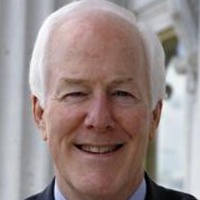
John Cornyn
Senator
TX
John Cornyn
Senator
TX
The Restricting Ex-Vetted Officials from Knowledge Exploitation (REVOKE) Act prohibits former Department of Defense personnel from holding security clearances if they lobby for specific Chinese military companies identified by the Department of Defense and Treasury. This measure aims to prevent the exploitation of sensitive knowledge by individuals working on behalf of foreign adversaries. The Secretary of Defense retains a limited waiver authority based on national security interests.
This bill amends the Housing and Community Development Act of 1974 to allow local governments to use federal funds for the construction of new residential housing for low- and moderate-income persons.

Andy Kim
Senator
NJ
Andy Kim
Senator
NJ
The UNLOCK Housing Act aims to increase the supply of affordable housing by allowing local governments and tribes to use federal funds for the direct construction of new residential housing for low- and moderate-income persons. This amendment to the Housing and Community Development Act of 1974 expands the eligible uses of these funds. The legislation permits this construction activity with or without the involvement of nonprofit organizations.
This bill guarantees that essential government employees, including active-duty military, will receive their regular pay during a government funding lapse beginning in fiscal year 2026.
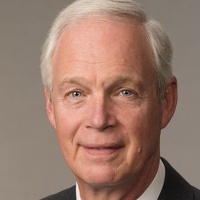
Ron Johnson
Senator
WI
Ron Johnson
Senator
WI
The Shutdown Fairness Act ensures that essential government employees, military personnel, and supporting contractors who must work during a lapse in appropriations receive their guaranteed pay. This bill automatically sets aside necessary funds from the Treasury to cover the salaries and benefits of these "excepted employees" for the duration of the shutdown. These special appropriations remain available until a full-year budget is enacted, at which point the payments are reconciled against the new funding law.
This Act establishes a five-year VA pilot program utilizing the Zero Suicide Institute curriculum across five medical centers to significantly improve suicide care and lower suicide rates among veterans.
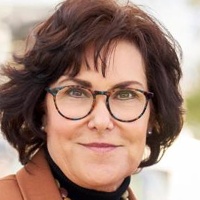
Jacky Rosen
Senator
NV
Jacky Rosen
Senator
NV
This Act establishes the VA Zero Suicide Demonstration Project, a pilot program within the Department of Veterans Affairs designed to significantly lower veteran suicide rates. The program will implement the Zero Suicide Institute's curriculum and training across five selected VA medical centers over five years. The VA Secretary is required to consult with various experts and submit annual progress reports comparing outcomes at pilot sites to other VA centers.
This resolution affirms the critical importance of preserving and achieving United States dominance in artificial intelligence for national security and economic leadership.
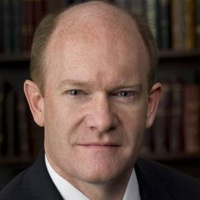
Christopher Coons
Senator
DE
Christopher Coons
Senator
DE
This resolution affirms the critical importance of the United States achieving and maintaining dominance in artificial intelligence (AI) development. It recognizes AI leadership as vital for future military capabilities, economic strength, and geopolitical influence against global competitors like China. The bill calls for prioritizing domestic AI innovation by ensuring US companies have access to necessary compute power and talent while restricting adversaries' access to advanced technology. Ultimately, it stresses the need for continued investment in the infrastructure supporting the next generation of AI.
The GAIN AI Act of 2025 restricts the export of advanced integrated circuits to countries of concern unless the exporter certifies that US persons were given priority access and favorable terms.
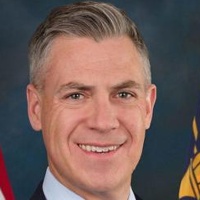
Jim Banks
Senator
IN
Jim Banks
Senator
IN
The GAIN AI Act of 2025 establishes strict export controls on advanced integrated circuits to designated "countries of concern." It mandates that exporters must certify they have given U.S. persons a right of first refusal before selling these critical components abroad. Furthermore, the bill sets standards for designating "trusted United States persons" to potentially exempt them from certain licensing requirements.
The TRAFFIC Act of 2025 permanently disqualifies individuals convicted of human trafficking violations from obtaining various transportation-related licenses and certificates.

Marsha Blackburn
Senator
TN
Marsha Blackburn
Senator
TN
The TRAFFIC Act of 2025 establishes permanent disqualification from holding various transportation-related licenses and certificates for individuals convicted of human trafficking violations. This applies across sectors including maritime, rail, commercial driving, and aviation. The legislation mandates that federal authorities deny or revoke credentials for those convicted of offenses related to human trafficking under federal, state, local, or tribal law.
This bill, the ISLET Act, clarifies that human cadaveric islets are excluded from the regulatory definitions of "drug," "biological product," and HCTPs to support life-saving endocrine transplantation.
Mike Lee
Senator
UT
Mike Lee
Senator
UT
The Increase Support for Life-saving Endocrine Transplantation Act (ISLET Act) clarifies that human cadaveric islets are specifically excluded from the regulatory definitions of "drug," "biological product," and HCTPs. This action aims to streamline the process for life-saving endocrine transplantation procedures. The Secretary of HHS is required to update relevant regulations within one year of enactment.
This resolution honors the strategic importance of the C5+1 diplomatic platform and recognizes the deepening partnership between the United States and the Central Asian nations of Kazakhstan, Kyrgyzstan, Tajikistan, Turkmenistan, and Uzbekistan across security, trade, and energy sectors.
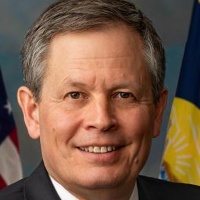
Steve Daines
Senator
MT
Steve Daines
Senator
MT
This resolution honors the strategic importance of the C5+1 diplomatic platform, recognizing the deepening partnership between the United States and the Central Asian nations of Kazakhstan, Kyrgyzstan, Tajikistan, Turkmenistan, and Uzbekistan. It acknowledges past cooperation, particularly regarding Afghanistan operations, and highlights the platform's role in fostering regional stability, security, and economic opportunities. The Senate affirms the platform's value in promoting shared interests in energy, critical minerals, and counterterrorism efforts.
The SAFE KIDS Act voids surrogacy agreements involving citizens of "foreign entities of concern" and penalizes brokers who facilitate these contracts to prevent exploitation and national security risks.
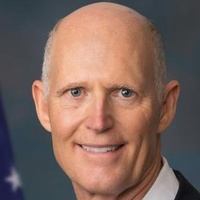
Rick Scott
Senator
FL
Rick Scott
Senator
FL
The SAFE KIDS Act addresses concerns that foreign entities of concern are exploiting U.S. surrogacy laws, potentially risking national security and human trafficking. This bill voids surrogacy agreements involving citizens from these designated foreign entities and establishes criminal penalties for brokers who facilitate such arrangements. Custody of any resulting child will be determined by state law based on the child's best interests, disregarding the voided contract.
This bill grants the President the authority to extend normal trade relations to products from any country except Belarus, Cuba, and North Korea.
Steve Daines
Senator
MT
Steve Daines
Senator
MT
This bill grants the President the authority to extend nondiscriminatory trade treatment (normal trade relations) to products from specific countries. This action would terminate the application of Title IV of the Trade Act of 1974 for those designated countries. The authority applies to all countries except Belarus, Cuba, and North Korea.
This bill mandates the Department of Homeland Security to update its drug detection capabilities to specifically include the identification of nitazenes.
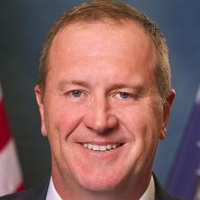
Eric Schmitt
Senator
MO
Eric Schmitt
Senator
MO
The DETECT Nitazenes Act of 2025 mandates that the Department of Homeland Security update its drug detection and identification requirements. This legislation specifically requires the Secretary of Homeland Security to include nitazenes, alongside fentanyl and xylazine, when developing capabilities to detect illicit drugs. The goal is to enhance national security measures against emerging synthetic opioid threats.
This Act establishes a strategy to combat the production and flow of potent synthetic opioids known as nitazenes, primarily by imposing sanctions related to entities in the People's Republic of China.
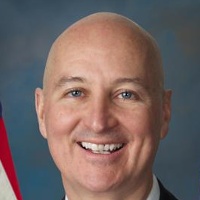
Pete Ricketts
Senator
NE
Pete Ricketts
Senator
NE
The Nitazene Sanctions Act aims to combat the production and flow of dangerous 2-benzylbenzimidazole opioids, which are potent synthetic substances. The bill mandates a report detailing China's role in precursor production and outlines strategies for international cooperation to curb this flow. Furthermore, it amends the Fentanyl Sanctions Act to specifically target Chinese entities and officials involved in opioid trafficking and expands the authority to impose sanctions on foreign governments materially contributing to this crisis.
This bill mandates the HUD Inspector General to provide annual testimony to Congress detailing efforts to combat fraud, waste, and abuse, and to assess HUD's efficiency and resource needs.
John Cornyn
Senator
TX
John Cornyn
Senator
TX
The HUD Transparency Act of 2025 mandates that the Inspector General of the Department of Housing and Urban Development (HUD) provide annual testimony to Congress. This testimony must detail the office's efforts to combat fraud, waste, and abuse, assess HUD program effectiveness, and evaluate the agency's resource needs. The goal is to enhance public accountability and oversight of HUD operations.
This bill establishes a U.S. policy to hold Chinese officials accountable for religious freedom abuses through sanctions and directs the State Department to actively promote religious freedom and monitor repression in China.
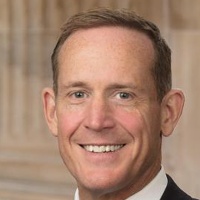
Ted Budd
Senator
NC
Ted Budd
Senator
NC
This Act establishes a clear U.S. policy to hold Chinese officials accountable for gross human rights violations against religious groups by making them subject to sanctions. It mandates that the Department of State actively promote and monitor religious freedom within the People's Republic of China. Furthermore, Congress urges the designation of China as a "country of particular concern" and calls for robust diplomatic action to secure the release of unjustly detained religious prisoners.