This bill grants the President the authority to extend normal trade relations to products from any country except Belarus, Cuba, and North Korea.
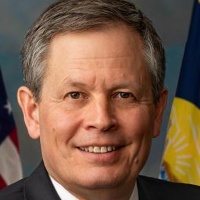
Steve Daines
Senator
MT
This bill grants the President the authority to extend nondiscriminatory trade treatment (normal trade relations) to products from specific countries. This action would terminate the application of Title IV of the Trade Act of 1974 for those designated countries. The authority applies to all countries except Belarus, Cuba, and North Korea.
New Bill Gives President Power to Grant Normal Trade Status to Nearly Any Country, Excluding Belarus, Cuba, and North Korea
If you’ve ever tried to read a trade bill, you know it’s usually a dry, jargon-filled slog. But this one is straightforward: it’s about who gets to play nice in the global sandbox and who doesn’t. This legislation grants the President the authority to terminate the application of Title IV of the Trade Act of 1974 for specific nations—essentially, allowing the President to extend “nondiscriminatory treatment,” or Normal Trade Relations (NTR), to their products. Think of NTR as the standard, non-punitive tariff treatment the U.S. grants most trading partners. The bill clearly defines the scope of this power, stating that the President can apply this change to any country except Belarus, Cuba, and North Korea.
The Presidential Trade Toolkit
Title IV of the 1974 Trade Act is a legacy piece of legislation often associated with Cold War-era restrictions and human rights conditions. When a country is subject to Title IV, it doesn't automatically get the favorable trade treatment the U.S. offers most other nations. This bill is basically a procedural update, giving the President a specific tool: the ability to decide that Title IV no longer applies to a specific “covered country.” Once that determination is made, the President can issue a proclamation extending NTR status, which means their goods face the same standard tariffs as products from the vast majority of our trading partners.
This move streamlines the process for the executive branch to adjust trade relationships quickly based on evolving foreign policy and economic goals. For instance, if the U.S. wants to reward a developing nation for a significant policy shift or solidify a new alliance, this mechanism allows for a swift upgrade in trade status. For U.S. consumers, this could eventually mean slightly lower prices on imported goods from those newly designated countries, as their products would face lower U.S. tariffs.
Who’s In and Who’s Out
The most interesting part of this bill is the fine print defining who can be a “covered country.” The list is exhaustive: every country in the world except Belarus, Cuba, and North Korea. This explicit exclusion means that while the President gets broad authority to grant NTR status to almost anyone else, the trade restrictions currently applied to those three nations remain firmly in place. This clarity is important for anyone tracking international relations, as it signals a continued, specific trade stance against those three regimes.
For the average person, this bill doesn't change anything tomorrow, but it matters for the long game. It expands the President’s discretion to use trade status as a diplomatic and economic lever. It’s a procedural bill with real-world consequences for global supply chains and international relations. It’s a clear grant of authority that says, “Mr. President, you can give normal trade status to almost anyone, but these three countries are off the table.”