This bill mandates the Department of Homeland Security to update its drug detection capabilities to specifically include the identification of nitazenes.
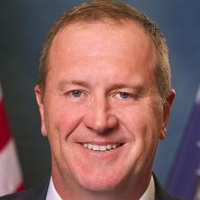
Eric Schmitt
Senator
MO
The DETECT Nitazenes Act of 2025 mandates that the Department of Homeland Security update its drug detection and identification requirements. This legislation specifically requires the Secretary of Homeland Security to include nitazenes, alongside fentanyl and xylazine, when developing capabilities to detect illicit drugs. The goal is to enhance national security measures against emerging synthetic opioid threats.
DHS Mandated to Develop Nitazene Detection Tech, Adding New Synthetic Opioid to Fentanyl Watchlist
This bill, officially called the DETECT Nitazenes Act of 2025, is a straightforward update to the way the Department of Homeland Security (DHS) handles drug interdiction technology. Essentially, it amends Section 302(15) of the Homeland Security Act to explicitly add “nitazenes” to the list of dangerous substances that the Secretary of Homeland Security must consider when developing the capacity to detect and identify illicit drugs. This means that alongside fentanyl and xylazine—which are already on the list—DHS must now ensure its detection equipment and methods can specifically spot this emerging class of synthetic opioids.
The New Threat on the Radar
For those of us who aren't constantly tracking the synthetic drug market (which is most of us, thankfully), nitazenes are a relatively new, extremely potent class of opioids—often many times stronger than heroin and, in some cases, even stronger than fentanyl. They are a serious public health and safety threat, often mixed into other illicit drugs without the user's knowledge. This bill is the government’s way of saying: “We see the new threat, and we need to update our technology to keep up.”
What this means in the real world is that the federal government is dedicating resources and mandating that technology developers focus on creating tools that can identify nitazenes at the border, in packages, and in the field. Think about the high-tech scanners, chemical analyzers, and field testing kits used by Customs and Border Protection (CBP) or local law enforcement agencies working with federal partners. This legislation ensures that the next generation of that gear isn't just looking for fentanyl but is also specifically calibrated to flag nitazenes.
Why This Procedural Change Matters
While this is a purely administrative change—it doesn't create new penalties or dramatically shift policy—it’s crucial for public safety. Without this specific mandate, technology development might lag, leaving a gap in the detection net. For instance, if a CBP agent is screening a shipment, the current technology might be excellent at finding fentanyl but completely blind to a nitazene analog. By adding nitazenes to the legal requirement, the bill closes that potential loophole.
For the everyday person, the impact is indirect but positive: better detection technology at the border means a higher chance of interdicting these dangerous substances before they hit the streets. For the DHS teams tasked with developing and acquiring this technology, the mandate is now clear: their new gear must be able to detect fentanyl, xylazine, and nitazenes. It’s a necessary, if unexciting, update to ensure that federal security measures keep pace with the rapidly evolving chemistry of illicit drug manufacturers.