Legislative Activity
Track Dave's sponsored bills, co-sponsored legislation, and voting record
This Act imposes sweeping, mandatory sanctions, tariffs, and investment prohibitions on the Russian Federation and its affiliates until Russia negotiates a lasting peace with Ukraine.
Brian Fitzpatrick
Representative
PA
Brian Fitzpatrick
Representative
PA
The Sanctioning Russia Act of 2025 imposes sweeping economic penalties on the Russian Federation in response to its aggression against Ukraine. This legislation mandates severe, immediate sanctions against key Russian officials, financial institutions, and energy sector entities, including asset freezes and trade prohibitions. Furthermore, the Act dramatically increases import duties on Russian goods and requires the President to review and reimpose these measures until Russia negotiates a lasting peace with Ukraine.
This resolution demands the President transmit unredacted documents within 14 days regarding the potentially dangerous and unaccountable use of AI by the U.S. DOGE Service that jeopardizes American private information and essential services.
Melanie Stansbury
Representative
NM
Melanie Stansbury
Representative
NM
This resolution is an official request demanding the President transmit unredacted documents within 14 days concerning the deployment and use of Artificial Intelligence (AI) by the U.S. DOGE Service since January 20, 2025. Congress seeks detailed information on the AI systems, the sensitive Federal data used to train them, and the individuals involved in their policy and implementation. The inquiry specifically targets concerns regarding privacy violations, potential misuse of data, and the legality of AI-driven decisions affecting American services and benefits.
This bill prohibits the use of federal funds for the removal of 3 percent or more of the Department of Health and Human Services (HHS) employees or any of its sub-agencies within any 60-day period.
Jennifer McClellan
Representative
VA
Jennifer McClellan
Representative
VA
This bill restricts the use of federal funds to carry out large-scale removals of employees within the Department of Health and Human Services (HHS). Specifically, it prohibits using federal money for terminations if 3% or more of the total HHS workforce, or 3% or more of any individual sub-agency's staff, are removed within a 60-day period. This measure aims to prevent sudden, mass layoffs across the department and its major divisions.
This Act expands and reforms the Low-Income Home Energy Assistance Program (LIHEAP) to increase funding, simplify eligibility, mandate energy efficiency upgrades, and protect low-income families from high utility costs and shutoffs.
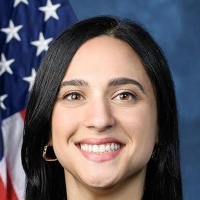
Yassamin Ansari
Representative
AZ
Yassamin Ansari
Representative
AZ
The Heating and Cooling Relief Act aims to significantly expand and modernize energy assistance for low-income families facing high utility costs and extreme weather. It increases funding for the Low-Income Home Energy Assistance Program (LIHEAP), streamlines eligibility requirements, and mandates that energy suppliers take steps to prevent shutoffs and eliminate late fees for recipients. Furthermore, the bill prioritizes using funds for weatherization and home retrofitting to reduce fossil fuel dependence and improve climate resilience for vulnerable households.
The Hot Foods Act of 2025 lifts the general ban on purchasing ready-to-eat hot foods with SNAP benefits while imposing a sales cap on retailers that primarily sell such items.

Grace Meng
Representative
NY
Grace Meng
Representative
NY
The Hot Foods Act of 2025 removes the general federal ban on using Supplemental Nutrition Assistance Program (SNAP) benefits to purchase hot, ready-to-eat foods. This legislation clarifies that hot foods are now eligible for purchase with SNAP benefits, while also setting a new rule that limits SNAP-participating retailers to deriving no more than 50% of their gross sales from these ready-to-eat hot items. The act updates existing statutes to reflect this expanded purchasing power for recipients.
This bill reauthorizes the military and civilian partnership for trauma readiness grant program for an additional five years, from fiscal years 2025 through 2029.
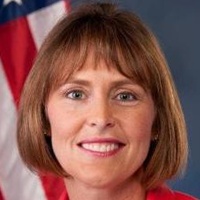
Kathy Castor
Representative
FL
Kathy Castor
Representative
FL
This bill reauthorizes the Military and Civilian Partnership for Trauma Readiness Grant Program under the Public Health Service Act. It extends the authorization for this grant program, which supports trauma readiness training and coordination between military and civilian medical systems. The reauthorization shifts the funding authorization period from fiscal years 2019-2023 to fiscal years 2025-2029.
This resolution demands the President transmit all documents related to the security clearances of Elon Musk and members of the DOGE team to the House of Representatives within 14 days.
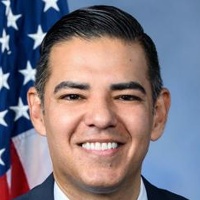
Robert Garcia
Representative
CA
Robert Garcia
Representative
CA
This resolution of inquiry formally requests the President to transmit all documents in his possession related to the security clearances, vetting, and background checks for Elon Musk and several named members of the United States Department of Government Efficiency Service (DOGE). The House demands these unredacted records within 14 days of the resolution's adoption. This action seeks transparency regarding the clearance process for these specific individuals associated with the DOGE team.
This Act raises the minimum age for Federal Firearms Licensees to sell certain semiautomatic rifles and shotguns to 21, with exceptions for qualified individuals aged 18-20, and mandates an FBI report on its public access line operations.
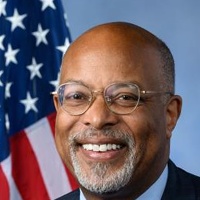
Glenn Ivey
Representative
MD
Glenn Ivey
Representative
MD
The Raise the Age Act of 2025 generally prohibits Federal Firearms Licensees from selling certain semiautomatic centerfire rifles or shotguns capable of holding magazines over five rounds to anyone under 21, with exceptions for qualified military or government personnel. The bill also maintains the existing minimum age of 18 for general firearm purchases, excluding the newly restricted categories. Finally, it mandates that the FBI Director report on the operational procedures of its public access line within 90 days of enactment.
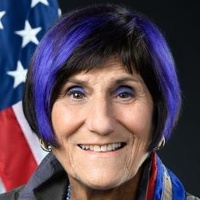
The Paycheck Fairness Act strengthens equal pay enforcement by tightening defenses against pay discrimination, expanding protections against retaliation, increasing penalties for violations, and requiring comprehensive data collection and training initiatives.
Rosa DeLauro
Representative
CT
Rosa DeLauro
Representative
CT
The Paycheck Fairness Act significantly strengthens federal equal pay protections by broadening definitions of sex discrimination, tightening employer defenses against pay disparities, and increasing penalties for violations. It also prohibits employers from using salary history in hiring decisions and mandates new data collection by the EEOC to better enforce anti-discrimination laws. Furthermore, the bill establishes new training and outreach programs to combat systemic wage bias.
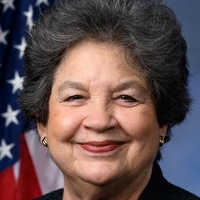
This resolution formally recognizes the persistent gender wage gap and reaffirms Congress's commitment to achieving pay equity.
Lois Frankel
Representative
FL
Lois Frankel
Representative
FL
This resolution formally recognizes the significant and persistent wage gap between men and women in the United States, highlighting statistics that show women earn substantially less. It serves as a strong public statement reaffirming Congress's commitment to achieving pay equity. The measure does not enact new laws but emphasizes the economic harm caused by unequal pay for women and their families.
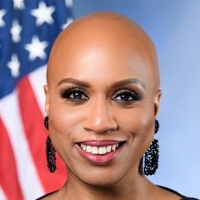
This bill officially ratifies the Equal Rights Amendment, validating its inclusion in the Constitution regardless of any prior ratification deadlines.
Ayanna Pressley
Representative
MA
Ayanna Pressley
Representative
MA
This bill officially ratifies the Equal Rights Amendment, declaring it a valid part of the U.S. Constitution. It specifically removes any previously imposed deadlines for state ratification. If three-fourths of the states have approved the amendment, this law confirms its official status regardless of past time constraints.
This resolution expresses Congressional support for designating Iranian American Heritage Month to recognize the community's significant cultural, economic, and scientific contributions to the United States.
Yassamin Ansari
Representative
AZ
Yassamin Ansari
Representative
AZ
This resolution expresses the strong support of Congress for designating an Iranian American Heritage Month. It recognizes the significant cultural, economic, and scientific contributions of the Iranian-American community to the United States. The bill encourages nationwide celebration of this heritage, including traditions like Nowruz. Furthermore, it affirms support for the Iranian people's pursuit of freedom and democracy.
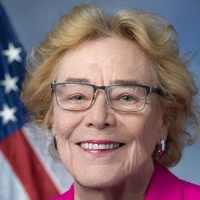
This resolution officially recognizes the cultural and historical significance of Nowruz, celebrating the Iranian New Year while supporting the human rights and freedoms of the Iranian people.
Zoe Lofgren
Representative
CA
Zoe Lofgren
Representative
CA
This resolution officially recognizes the cultural and historical significance of Nowruz, the traditional Iranian New Year celebrated by millions worldwide. Congress acknowledges the enduring contributions of Persian civilization and Iranian Americans to the United States. Furthermore, the resolution supports the Iranian people's pursuit of fundamental human rights, including freedom of expression and internet access.
The Puppy Protection Act of 2025 establishes stricter housing, daily care, veterinary, and breeding standards for dog dealers under the Animal Welfare Act.
Brian Fitzpatrick
Representative
PA
Brian Fitzpatrick
Representative
PA
The Puppy Protection Act of 2025 significantly increases humane treatment standards for dog dealers under the Animal Welfare Act. This legislation mandates specific minimum space requirements, daily exercise access, and mandatory socialization for housed dogs. Furthermore, it establishes strict limits on female dog breeding frequency and age, alongside enhanced veterinary care protocols.
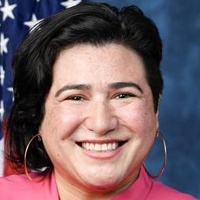
This Act establishes an independent Inspector General within the Office of Management and Budget to conduct audits and investigations of OMB operations.
Emily Randall
Representative
WA
Emily Randall
Representative
WA
This Act establishes a new, independent Office of the Inspector General (IG) within the Office of Management and Budget (OMB). The IG will serve as an internal watchdog, auditing and investigating activities specifically assigned to the OMB by law. The President is required to appoint this Inspector General within 120 days of the Act's enactment.
The Protect Our Watchdogs Act of 2025 establishes a "for cause" removal standard, requiring documented proof of specific misconduct or incapacity before an Inspector General can be fired or transferred.

Gerald Connolly
Representative
VA
Gerald Connolly
Representative
VA
The Protect Our Watchdogs Act of 2025 establishes a "for cause" removal standard for Inspectors General (IGs). This legislation mandates that the President must provide specific, documented reasons—such as documented neglect of duty or gross mismanagement—to remove or transfer an Inspector General. The bill aims to strengthen the independence and tenure of IGs by limiting arbitrary dismissals.
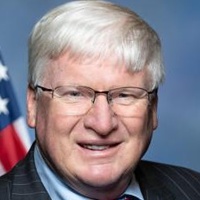
The Air America Act of 2025 authorizes one-time monetary awards to former Air America employees or their survivors for service supporting the CIA between 1950 and 1976.
Glenn Grothman
Representative
WI
Glenn Grothman
Representative
WI
The Air America Act of 2025 recognizes the sacrifices of former Air America employees who served the U.S. Government between 1950 and 1976. This Act authorizes a one-time monetary award, up to $40,000 plus potential additional amounts, for qualifying service members or their survivors. The CIA Director is responsible for administering these payments, which are capped at a total of $60 million, and establishing the application procedures. Decisions made by the Director regarding these awards are final and not subject to judicial review.
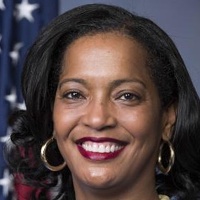
This Act expands eligibility for certain SNAP benefits for veterans based on specific disability ratings or pension status, effective October 1, 2030.
Jahana Hayes
Representative
CT
Jahana Hayes
Representative
CT
The Feed Hungry Veterans Act of 2025 expands eligibility for certain food assistance benefits for veterans. It updates the criteria for veterans based on service-connected disability ratings and adds specific categories of disabled or pensioned veterans who will now qualify. These changes are scheduled to take effect on October 1, 2030.
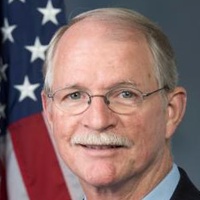
The HELPER Act of 2025 establishes a new FHA mortgage insurance program offering 100% financing with an upfront premium and no monthly premiums for eligible first responders, educators, and law enforcement officers.
John Rutherford
Representative
FL
John Rutherford
Representative
FL
The HELPER Act of 2025 establishes a new FHA mortgage insurance program to assist first responders, educators, and law enforcement officers in purchasing homes. This program offers eligible first-time homebuyers 100% financing with no down payment required. Instead of monthly premiums, borrowers pay an upfront FHA insurance premium at closing.
This Act establishes a federal strategy to prevent the trafficking of machinegun conversion devices, mandates forfeiture of profits from illegal machine gun activities, and requires specific reporting on these devices.
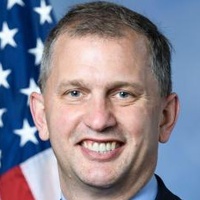
Sean Casten
Representative
IL
Sean Casten
Representative
IL
The Preventing Illegal Weapons Trafficking Act of 2025 mandates the creation of a federal strategy to intercept and seize illegal machinegun conversion devices entering or moving within the U.S. It also enhances penalties by allowing the forfeiture of proceeds derived from illegal machine gun trafficking. Furthermore, the Attorney General must now specifically report on crimes involving these conversion devices in the annual firearms trafficking report.