Legislative Activity
Track Dave's sponsored bills, co-sponsored legislation, and voting record
This bill amends the Family and Medical Leave Act to explicitly qualify time taken for an employee's own organ donation surgery as a serious health condition.
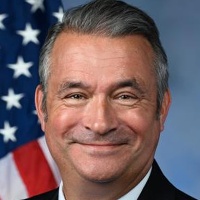
Don Bacon
Representative
NE
Don Bacon
Representative
NE
This bill amends the Family and Medical Leave Act (FMLA) to explicitly clarify that time taken off for an employee's own organ donation surgery qualifies as a serious health condition. This ensures both private and federal sector workers receive FMLA protection for recovery from organ donation. The legislation also specifies how federal employees must substitute existing paid leave when taking FMLA time for this purpose.
This Act prohibits insurance companies from discriminating against living organ donors when issuing life, disability, or long-term care policies and mandates the updating of educational materials regarding donation risks and insurance implications.
Don Bacon
Representative
NE
Don Bacon
Representative
NE
The Living Donor Protection Act of 2025 prohibits life, disability, and long-term care insurance companies from denying coverage or increasing premiums solely because an individual is a living organ donor. This legislation ensures that living donors are not financially penalized for their altruistic act. Additionally, the bill requires the Secretary of HHS to update educational materials to accurately reflect the insurance protections afforded to living donors.
This constitutional amendment prohibits immunity from criminal prosecution for federal officials based on their official duties and bars the President from self-pardoning.
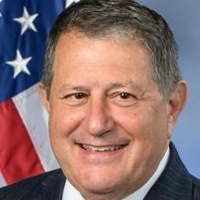
Joseph Morelle
Representative
NY
Joseph Morelle
Representative
NY
This proposed constitutional amendment would eliminate immunity from criminal prosecution for federal officials, including the President, based on their official duties. It also explicitly prohibits the President from issuing a self-pardon for any federal crimes. If ratified, these changes would take effect immediately.
The SUPPLY Act establishes a new HUD insurance program for second mortgages used to finance the construction of accessory dwelling units (ADUs) and directs Fannie Mae and Freddie Mac to purchase and securitize those insured loans.
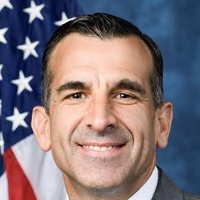
Sam Liccardo
Representative
CA
Sam Liccardo
Representative
CA
The Supporting Upgraded Property Projects and Lending for Yards (SUPPLY) Act establishes a new federal insurance program, managed by HUD, to specifically back second mortgages used for financing the construction of Accessory Dwelling Units (ADUs). This legislation also directs the FHFA to allow Fannie Mae and Freddie Mac to purchase and securitize these newly insured ADU construction loans, subject to risk oversight. The goal is to increase the availability of financing for property owners looking to add secondary housing units.
The Healing Partnerships for Survivors Act establishes grants to foster collaboration between health, behavioral health, disability, and sexual assault service providers to create stronger, coordinated support systems for survivors of sexual assault.
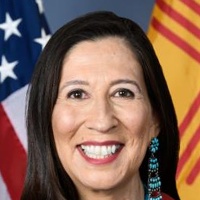
Teresa Leger Fernandez
Representative
NM
Teresa Leger Fernandez
Representative
NM
The Healing Partnerships for Survivors Act establishes new federal grants to foster stronger collaborations between health providers, behavioral health programs, disability services, and sexual assault organizations. These funds aim to create coordinated, trauma-informed systems of care that improve comprehensive support for survivors of sexual assault, including adult survivors of childhood sexual abuse. The grants will support activities like direct services, specialized training, and culturally relevant wellness options.
The Silver Shield Act of 2025 establishes a Department of State program to monitor the end-use of U.S. defense items overseas for evidence of civilian harm or human rights violations, and amends existing law to require written agreements prohibiting such misuse before any transfer.
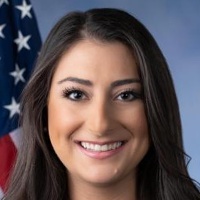
Sara Jacobs
Representative
CA
Sara Jacobs
Representative
CA
The Silver Shield Act of 2025 establishes a new Department of State-led program to rigorously monitor U.S. defense items and services transferred overseas for evidence of use in committing serious human rights or international law violations. The Act mandates written agreements ensuring recipients comply with international law and authorizes the suspension of future transfers if violations are confirmed. Furthermore, it requires comprehensive reporting to Congress on the program's operations, staffing, and ongoing investigations.
This bill establishes strict limits and reporting requirements for donations made to Presidential Libraries and Centers, particularly targeting lobbyists, federal contractors, and foreign nationals while a president is in or recently out of office.
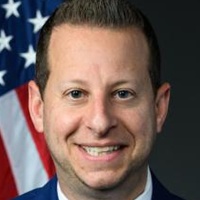
Jared Moskowitz
Representative
FL
Jared Moskowitz
Representative
FL
This bill amends federal law to establish strict limits and reporting requirements for donations made to Presidential Libraries and Centers. It prohibits certain restricted entities, such as lobbyists and federal contractors, from donating while a President is in office or for two years after they leave. The legislation also imposes an aggregate $10,000 lifetime donation cap per person and mandates public disclosure of all significant contributions.
This resolution declares the Trump administration's fossil fuel directives a health and safety emergency disproportionately harming children's fundamental rights by worsening climate change and suppressing climate science.

Janice Schakowsky
Representative
IL
Janice Schakowsky
Representative
IL
This resolution declares a health and safety emergency disproportionately affecting children due to prior administration directives that promoted fossil fuels and suppressed climate science. Congress asserts that these actions harm children's fundamental rights to life and a stable environment by worsening climate change impacts. The bill demands the current administration cease policies that increase greenhouse gases and restore access to suppressed climate research. Ultimately, it calls for aligning all energy and climate laws with the duty to protect the rights and future of young people.
This Act extends funding allocation rules for sport fish restoration, removes spending caps for the Interstate Fisheries Commission, prioritizes alternative fuel infrastructure for recreational boating, and reduces the excise tax on portable, electronically-aerated bait containers.

Debbie Dingell
Representative
MI
Debbie Dingell
Representative
MI
The Sport Fish Restoration, Recreational Boating Safety, and Wildlife Restoration Act of 2025 extends the timeline for current Sport Fish Restoration funding allocation rules until 2031 and removes the spending cap for Interstate Fisheries Commission activities. The bill also updates boating infrastructure priorities to specifically include funding for alternative marine fuel facilities for larger vessels. Finally, it significantly reduces the federal excise tax rate on portable, electronically-aerated bait containers from 10 percent to 3 percent.
This bill authorizes the creation and sale of commemorative coins for the 2028 Los Angeles and 2034 Salt Lake City Olympic and Paralympic Games to help fund the events, with all surcharges going to the respective organizing committees after covering production costs.
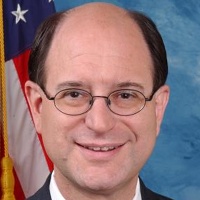
Brad Sherman
Representative
CA
Brad Sherman
Representative
CA
This Act authorizes the Secretary of the Treasury to mint and sell special commemorative coins for the 2028 Los Angeles Olympic and Paralympic Games and the 2034 Salt Lake City Winter Olympic and Paralympic Games. The coins will feature designs celebrating American athletes and the Games themselves. All surcharges collected from the sale of these coins will be directed to the respective organizing committees to help fund the events and related youth sports programs. The entire program must be conducted at no cost to the U.S. Government.
This bill amends the Family and Medical Leave Act to allow spouses of active duty service members to qualify for leave after only 90 days of employment with their current employer.
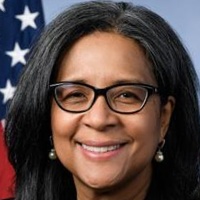
Marilyn Strickland
Representative
WA
Marilyn Strickland
Representative
WA
This bill amends the Family and Medical Leave Act (FMLA) to lower the eligibility requirements for spouses of active duty service members. It reduces the required length of employment from 12 months to just 90 days for these military spouses to qualify for job-protected leave. This change ensures military families can access necessary leave more quickly during active duty periods.
This bill establishes a grant program to help high-need school districts hire, retain, and diversify mental health professionals to expand student access to services.
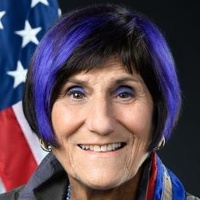
Rosa DeLauro
Representative
CT
Rosa DeLauro
Representative
CT
The Expanding Access to Mental Health Services in Schools Act of 2025 establishes a new federal grant program to increase the number of mental health professionals in high-need school districts. This funding is specifically designed to help eligible agencies recruit, hire, and retain school counselors, psychologists, and social workers. Grantees must demonstrate a plan to improve student-to-provider ratios and report annually on staffing improvements and provider retention.
This Act strengthens protections for domestic violence and stalking survivors by expanding the definition of an intimate partner, clarifying dating relationships, protecting children of dating partners, and prohibiting firearm possession for those convicted of misdemeanor stalking.
Debbie Dingell
Representative
MI
Debbie Dingell
Representative
MI
The Strengthening Protections for Domestic Violence and Stalking Survivors Act of 2025 updates federal law to broaden protections against intimate partner violence by expanding the definition of an "intimate partner" to explicitly include dating relationships. This bill also introduces a new federal prohibition on firearm possession for individuals convicted of a misdemeanor crime of stalking. These changes aim to close loopholes and ensure comprehensive safety measures for survivors of abuse and harassment.
This Act mandates that federal officers involved in border security or immigration enforcement must clearly display identification, wear visible uniforms or badges, and not conceal their faces during detentions or arrests.

Dan Goldman
Representative
NY
Dan Goldman
Representative
NY
The No Secret Police Act of 2025 mandates that federal officers engaged in border security or immigration enforcement must clearly display identification, wear visible badges or uniforms, and refrain from wearing face coverings during detentions or arrests. This ensures accountability by requiring clear identification from Department of Homeland Security (DHS) personnel. The bill also requires the Secretary of Homeland Security to report on current tactical gear policies and research methods to improve officer visibility.
Canyon's Law prohibits the use and requires the removal of M44 sodium cyanide predator control devices on all public lands due to documented harm to people, pets, and non-target wildlife.
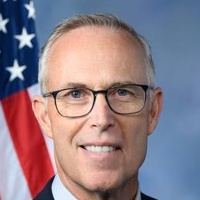
Jared Huffman
Representative
CA
Jared Huffman
Representative
CA
Canyon's Law prohibits the use of M44 cyanide predator control devices on all public lands across the United States. This action is taken due to documented incidents where these highly toxic devices have harmed people, pets, and non-target wildlife. Any M44 devices currently deployed on public land must be removed within 30 days of this Act's enactment.
This Act directs NOAA to overhaul its computing infrastructure by prioritizing artificial intelligence, machine learning, and high-performance computing to significantly improve weather and water forecasting capabilities.

Max Miller
Representative
OH
Max Miller
Representative
OH
The Advanced Weather Model Computing Development Act directs the National Oceanic and Atmospheric Administration (NOAA) to significantly upgrade its capabilities by integrating advanced computing, artificial intelligence (AI), and machine learning into its weather and climate modeling. This legislation mandates the creation of Centers of Excellence and a comprehensive 10-year strategic plan to ensure NOAA has the necessary high-performance computing infrastructure for faster and more accurate forecasting of hazardous weather events. The bill also requires collaboration with the Department of Energy and regular reporting to Congress on progress and future needs.
This resolution recognizes the right to peaceful protest while condemning violence and criticizing the federal government's controversial deployment of military forces during recent Los Angeles demonstrations.
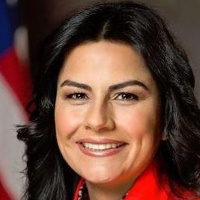
Nanette Barragán
Representative
CA
Nanette Barragán
Representative
CA
This resolution formally recognizes the constitutional right to peaceful protest while strongly condemning violence and illegal acts committed during demonstrations. It criticizes the federal government's deployment of military forces during recent events, arguing the actions were an overreach that bypassed proper legal and state authority. Ultimately, the bill asserts the importance of transparency in law enforcement and denounces rhetoric that escalates community tensions.
This Act establishes pilot and education grant programs to combat technological abuse against victims of domestic violence, dating violence, sexual assault, and stalking by funding partnerships between tech experts and victim service providers.
Debbie Dingell
Representative
MI
Debbie Dingell
Representative
MI
The Tech Safety for Victims of Domestic Violence, Dating Violence, Sexual Assault, and Stalking Act addresses the growing problem of technological abuse against survivors. This bill establishes a temporary pilot program to fund partnerships between tech experts and victim service providers to combat digital abuse. Additionally, it creates a separate grant program to develop and provide educational resources and training on technological abuse for support organizations.
The Women’s Health Protection Act of 2025 establishes a federal right to access abortion services before fetal viability and protects the right to travel for care, overriding state restrictions that place burdens on abortion access not imposed on comparable medical procedures.
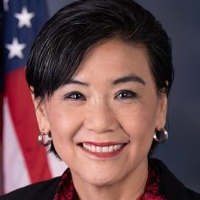
Judy Chu
Representative
CA
Judy Chu
Representative
CA
The Women’s Health Protection Act of 2025 establishes a federal statutory right to access abortion services, prohibiting medically unnecessary restrictions that impede care before fetal viability. This Act protects the right of patients to travel across state lines to receive reproductive healthcare and allows providers to offer services free from state interference that conflicts with established medical standards. It preempts conflicting state and local laws and provides robust enforcement mechanisms for individuals and the Attorney General to challenge violations.
This Act prohibits states from interfering with or penalizing individuals who provide, receive, or facilitate abortion services that are legal in the state where the service occurs, including interstate travel for such care.

Lizzie Fletcher
Representative
TX
Lizzie Fletcher
Representative
TX
The Ensuring Women’s Right to Reproductive Freedom Act prohibits states from interfering with or retaliating against individuals who provide or receive abortion services that are legal in the state where the service occurs. This protection extends to interstate travel for legal abortion care and the movement of FDA-approved abortion-related drugs across state lines. Individuals harmed by violations can sue in federal court for damages and legal fees.