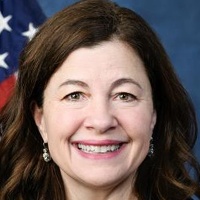
Legislative Activity
Track Kristen's sponsored bills, co-sponsored legislation, and voting record
The Safe Vehicle Access for Survivors Act mandates that connected vehicle service providers quickly terminate an abuser's remote access to a survivor's vehicle upon request, while protecting the survivor's privacy and ensuring no fees are charged for the action.
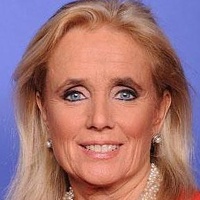
Debbie Dingell
Representative
MI
Debbie Dingell
Representative
MI
The Safe Vehicle Access for Survivors Act mandates that providers of connected vehicle services must quickly terminate an abuser's remote access to a survivor's vehicle upon request, without imposing fees or requiring co-owner consent. This legislation requires providers to secure the survivor's information, offer clear instructions for regaining sole control, and establish specific notification procedures for all actions taken. The FCC is tasked with creating detailed regulations to ensure survivor safety and data confidentiality within two years of the bill's enactment.
Recognizes and celebrates Delta Air Lines' 100th anniversary, acknowledging its global impact and commitment to community.
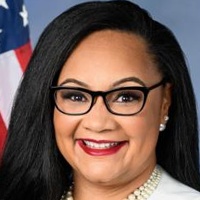
Nikema Williams
Representative
GA
Nikema Williams
Representative
GA
This bill recognizes and celebrates the 100th anniversary of Delta Air Lines, acknowledging its historical significance as the first U.S. airline to reach this milestone. It highlights Delta's growth, global connectivity, commitment to community, and industry leadership.
The Major Richard Star Act ensures that military retirees with combat-related disabilities can concurrently receive their full military retirement pay and VA disability compensation without reduction.

Gus Bilirakis
Representative
FL
Gus Bilirakis
Representative
FL
The Major Richard Star Act ensures that military retirees with combat-related disabilities can receive both their military retirement pay and VA disability compensation concurrently without reduction. This law removes previous restrictions that caused military retirement pay to be offset by VA disability payments for these specific cases. The changes take effect on the first day of the month following the Act's enactment.
This Act eliminates the waiting periods for Social Security disability benefits and Medicare coverage for individuals diagnosed with metastatic breast cancer.
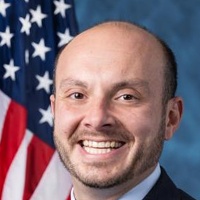
Andrew Garbarino
Representative
NY
Andrew Garbarino
Representative
NY
The Metastatic Breast Cancer Access to Care Act aims to improve support for individuals diagnosed with metastatic breast cancer. This bill eliminates the standard waiting period for receiving Social Security disability insurance benefits and waives the 24-month waiting period for Medicare coverage. These changes ensure immediate access to crucial financial and healthcare support upon diagnosis.
This Act establishes a federal long-term care insurance benefit under Social Security to help seniors finance extended care needs and remain at home, while also funding public education on long-term planning.
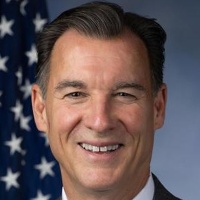
Thomas Suozzi
Representative
NY
Thomas Suozzi
Representative
NY
The Well-Being Insurance for Seniors to be at Home Act (WISH Act) establishes a new federal long-term care insurance benefit under Social Security to help seniors financially plan for extended care needs and remain in their communities. This benefit is funded through a newly created Trust Fund and is designed to supplement, not replace, personal savings and existing care options. The Act also mandates a national education campaign and requires the Social Security Administration to send personalized notices informing individuals about their potential coverage status.
The REDI Act allows medical and dental interns and residents to defer both principal and interest payments on their student loans while in training.
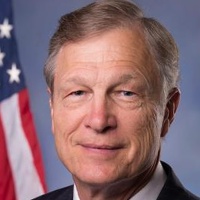
Brian Babin
Representative
TX
Brian Babin
Representative
TX
The Resident Education Deferred Interest (REDI) Act amends federal student loan regulations to provide a specific deferment for medical and dental residents. This allows borrowers currently serving in an internship or residency program to pause principal payments and prevent interest accrual on their student loans during that training period.
This Act establishes a statutory right to access Assisted Reproductive Technology (ART) services and prohibits overly burdensome state or local regulations that interfere with that access.
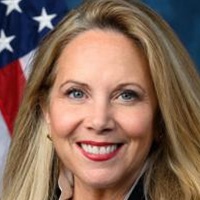
Laura Gillen
Representative
NY
Laura Gillen
Representative
NY
The Access to Family Building Act aims to guarantee that patients can access Assisted Reproductive Technology (ART) services and that healthcare providers can offer them without unreasonable interference. This legislation preempts state and local laws that impose burdens on ART services not required for similar medical procedures or that hinder access without improving safety. The Act establishes the right to access ART and provides robust legal avenues for individuals, providers, and the government to challenge and strike down restrictive regulations.
This bill officially designates the United States Postal Service facility at 620 East Pecan Boulevard in McAllen, Texas, as the "Agent Raul H. Gonzalez Jr. Memorial Post Office Building."
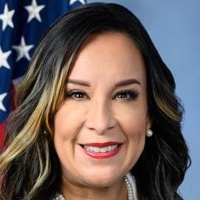
Mónica De La Cruz
Representative
TX
Mónica De La Cruz
Representative
TX
This bill officially designates the United States Postal Service facility located at 620 East Pecan Boulevard in McAllen, Texas, as the "Agent Raul H. Gonzalez Jr. Memorial Post Office Building." The legislation ensures that all official records and documents reflect this new memorial name for the building.
This bill significantly increases federal loan limits for farm ownership, operating, and microloans, updates inflation calculations for rural programs, and establishes conditions for refinancing distressed guaranteed loans into direct FSA loans.
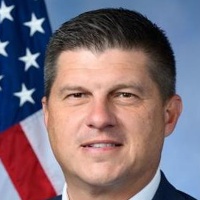
Brad Finstad
Representative
MN
Brad Finstad
Representative
MN
The Producer and Agricultural Credit Enhancement Act of 2025 significantly increases the maximum loan amounts available through federal farm ownership and operating loan programs, effective in fiscal year 2025. The bill also updates the calculation method for inflation adjustments in rural development programs and raises the cap for agricultural microloans from $\$50,000$ to $\$100,000$. Finally, it establishes conditions under which distressed FSA guaranteed loans may be refinanced into direct loans, provided the operation has a reasonable chance of success.
The FARMLAND Act of 2025 aims to protect U.S. agriculture by restricting foreign investment, increasing oversight, and enforcing regulations against foreign entities of concern.
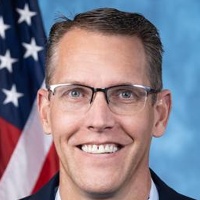
Randy Feenstra
Representative
IA
Randy Feenstra
Representative
IA
The FARMLAND Act of 2025 aims to protect U.S. agriculture and national security by modernizing and enforcing laws against malign foreign investments in U.S. agricultural land and businesses, particularly from countries of concern. It increases penalties for non-compliance with reporting requirements, mandates detailed reports on foreign land ownership and potential threats, and enhances the Committee on Foreign Investment in the United States (CFIUS) authority to review real estate transactions involving foreign entities. The act also directs the creation of a comprehensive database of foreign-owned agricultural land and prohibits foreign individuals/entities from participating in Farm Service Agency programs. Finally, the act authorizes appropriations for secure workspace construction, database development, and other activities related to enforcing the act.
The "Mamas and Babies in Underserved Communities Act of 2025" aims to improve maternal healthcare and reduce disparities in underserved communities by providing grants to healthcare providers for expanded and enhanced services.
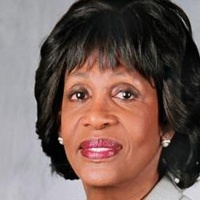
Maxine Waters
Representative
CA
Maxine Waters
Representative
CA
The "Mamas and Babies in Underserved Communities Act of 2025" aims to improve maternal health outcomes and reduce disparities in underserved communities by providing grants to healthcare providers. These grants will support the expansion and enhancement of maternal health services, including prenatal, postnatal care for infants, and postpartum care for mothers. Priority is given to entities serving minority, low-income, or medically underserved areas, particularly those led by community members. The act allocates necessary funds from 2026 to 2030 to facilitate these improvements.
The HERO Act establishes a national data system for tracking public safety officer suicides, funds peer-support mental health programs for fire and EMS personnel, supports wellness programs for healthcare providers, and develops educational resources and best practices for treating first responder mental health issues.
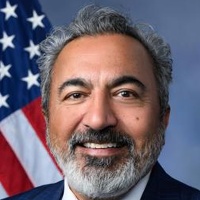
Ami Bera
Representative
CA
Ami Bera
Representative
CA
The HERO Act establishes a national system to track suicides among public safety officers to better understand prevention needs. It also creates grant programs to fund peer-support and wellness programs for fire, EMS, and healthcare workers. Finally, the bill mandates the development of educational resources to improve mental health treatment for first responders dealing with trauma and PTSD.
The "Delphi Retirees Pension Restoration Act" restores full pension benefits to eligible Delphi retirees and beneficiaries, compensating for past underpayments with interest, using existing funds and allowing for favorable tax treatment of lump-sum payments.
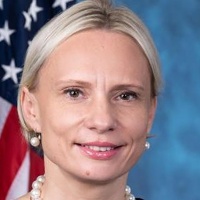
Victoria Spartz
Representative
IN
Victoria Spartz
Representative
IN
The Delphi Retirees Pension Restoration Act aims to restore the full pension benefits to eligible participants and beneficiaries under specific terminated pension plans, such as the Delphi Hourly-Rate Employees Pension Plan. It mandates the recalculation of benefits to match the full vested plan benefit, provides for lump-sum payments to cover past underpayments with interest, and funds these increased benefits through existing resources. The bill also includes provisions for the tax treatment of these payments, allowing recipients to spread the income over three years.
The John R. Lewis Voting Rights Advancement Act of 2025 aims to strengthen and update the Voting Rights Act of 1965 by addressing vote dilution and denial, establishing updated criteria for federal oversight of states and political subdivisions with a history of voting rights violations, and promoting transparency in election-related changes.
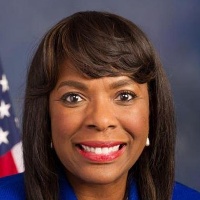
Terri Sewell
Representative
AL
Terri Sewell
Representative
AL
The John R. Lewis Voting Rights Advancement Act of 2025 amends the Voting Rights Act of 1965 to address vote dilution, denial, and abridgment claims, and to update which states and political subdivisions are subject to federal oversight based on a history of voting rights violations. It broadens the types of violations that allow a court to retain jurisdiction over a case, clarifies the Attorney General's authority to assign observers, and ensures transparency in voting-related changes. The Act also authorizes the Attorney General to demand documents and information to enforce voting rights and provides grants to small jurisdictions to assist with notification requirements.
The "Keeping Our Field Offices Open Act" prevents the Social Security Administration from closing or limiting access to field offices, hearing offices, and resident stations, ensuring continued service availability for the public.
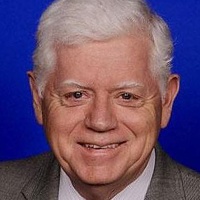
John Larson
Representative
CT
John Larson
Representative
CT
The "Keeping Our Field Offices Open Act" prevents the Social Security Administration (SSA) from closing or consolidating field offices, hearing offices, and resident stations, ensuring continued access to services. It requires the SSA Commissioner to justify any planned closures to Congress with detailed analysis and cost-benefit assessments, considering the impact on vulnerable populations. The bill mandates public notice, hearings, and a final report to Congress before any changes, allowing appeals and maintaining the number of offices at or above the January 20, 2025 level, excluding temporary emergency closures.
The Richard L. Trumka Protecting the Right to Organize Act of 2025 strengthens protections for workers' rights to organize and collectively bargain by modernizing labor laws, addressing unfair labor practices, and enhancing enforcement mechanisms.
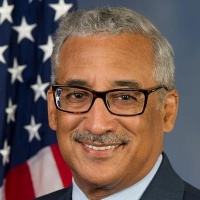
Robert Scott
Representative
VA
Robert Scott
Representative
VA
This bill, the Richard L. Trumka Protecting the Right to Organize Act of 2025, seeks to amend the National Labor Relations Act and other labor laws to strengthen protections for workers' rights to organize and collectively bargain. It aims to modernize labor regulations by clarifying definitions, addressing unfair labor practices, enhancing enforcement, and increasing transparency in labor-management relations. The bill introduces measures such as electronic voting in union elections, strengthens whistleblower protections, and mandates studies on collective bargaining practices. Ultimately, the goal is to ensure fair treatment of workers and promote equitable labor practices.
This resolution expresses support for designating March 6, 2025, as "Great Lakes Day" to recognize the region's vital environmental, economic, and cultural importance while committing to its ongoing protection.
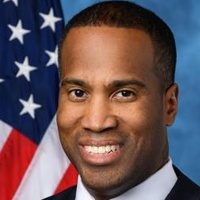
John James
Representative
MI
John James
Representative
MI
This resolution expresses support for designating March 6, 2025, as "Great Lakes Day" to recognize the region's vital importance to the environment, economy, and public health of the United States. It highlights the Great Lakes' role as a critical source of fresh water and commerce while reaffirming a commitment to their ongoing protection and restoration. Additionally, the bill designates Lake St. Clair as the "Heart of the Great Lakes" and calls for accelerated efforts to preserve these essential natural resources.
The Veterans Fellowship Act establishes a pilot program allowing select states to offer short-term, paid fellowships to veterans, aiming for long-term employment with the host employer.
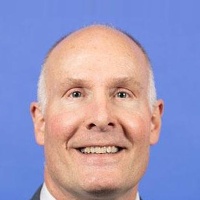
John Moolenaar
Representative
MI
John Moolenaar
Representative
MI
The Veterans Fellowship Act establishes a new pilot program allowing select states to offer short-term fellowships for veterans. These fellowships, managed in partnership with non-profits, will provide veterans with up to 20 weeks of work experience, a monthly stipend, and a pathway to long-term employment. The program is authorized for five fiscal years, with a required review of its effectiveness.
This bill restricts political appointees and special government employees from accessing Social Security data, establishes civil damages for unauthorized access, mandates Inspector General investigations, and requires a GAO study on the changes.
John Larson
Representative
CT
John Larson
Representative
CT
The Protecting Americans’ Social Security Data Act restricts political appointees and special government employees from accessing sensitive Social Security beneficiary data systems. It establishes a right for individuals to sue the government or responsible parties for unauthorized access or disclosure of their private Social Security information, including specified minimum damages. Furthermore, the bill mandates the Inspector General to investigate such violations and report findings to Congress within 30 days. Finally, it requires the GAO to conduct a comprehensive study on the impact of these new privacy and enforcement measures.
The ACRE Act of 2025 creates a federal tax exemption for qualified lenders on interest earned from loans secured by rural or agricultural real property, excluding loans to foreign adversary entities.
Randy Feenstra
Representative
IA
Randy Feenstra
Representative
IA
The Access to Credit for our Rural Economy Act of 2025 (ACRE Act) creates a new federal tax incentive for qualified lenders. This incentive excludes income earned from interest on loans secured by rural or agricultural real property from taxation. The goal is to encourage lending for agricultural, forestry, and certain rural home improvement purposes while prohibiting loans to foreign adversary entities.