Legislative Activity
Track April's sponsored bills, co-sponsored legislation, and voting record
The PLANT Act establishes a federal crime with severe penalties for the reckless importation of dangerous agricultural pathogens that threaten U.S. crops and livestock.
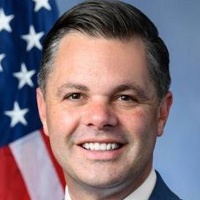
Zachary (Zach) Nunn
Representative
IA
Zachary (Zach) Nunn
Representative
IA
The Preventing Lethal Agricultural and National Threats (PLANT) Act establishes a new federal crime for the reckless importation of high-risk agricultural pathogens without proper authorization. This legislation imposes significant penalties, including up to 10 years in prison, which can increase to 20 years if the act involves foreign government ties or causes substantial economic damage. The Department of Agriculture is tasked with defining which specific pathogens are considered high-risk under this new law.
The FIGHT Act of 2025 strengthens federal prohibitions against animal fighting, enhances enforcement mechanisms, and allows citizens to sue violators of animal fighting provisions.
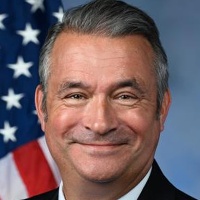
Don Bacon
Representative
NE
Don Bacon
Representative
NE
The FIGHT Act of 2025 significantly strengthens federal prohibitions against animal fighting ventures, specifically targeting the sponsorship, exhibition, and gambling associated with these events. This legislation clarifies the definition of a rooster for legal purposes and bans the interstate transport of roosters for fighting. Furthermore, it empowers private citizens to file lawsuits against violators, allowing for civil penalties and the potential seizure of property used to facilitate illegal animal fighting.
The PHARA Act of 2025 mandates the immediate release of existing NIH grant funding, requires termination clauses in future agreements, and prohibits the NIH from ending funding solely due to shifting agency priorities.
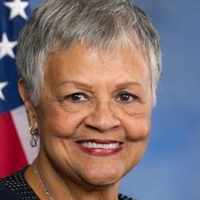
Bonnie Watson Coleman
Representative
NJ
Bonnie Watson Coleman
Representative
NJ
The PHARA Act of 2025 mandates the immediate release of all existing National Institutes of Health (NIH) grant funding and prohibits the cancellation of active research agreements. Moving forward, all new NIH grant agreements must include specific termination clauses requiring a 90-day notice and good-faith negotiation before ending the funding. Furthermore, this Act explicitly prevents the NIH from terminating agreements solely because the research no longer aligns with current agency goals or priorities.
This bill directs HUD and the Census Bureau to study and report on how federal agencies identify and record various forms of housing loss across the United States.
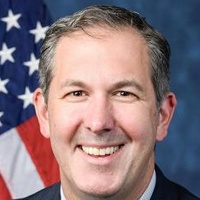
Johnny Olszewski
Representative
MD
Johnny Olszewski
Representative
MD
This bill directs the Secretary of Housing and Urban Development and the Director of the Census Bureau to conduct a comprehensive study on how federal agencies currently identify and record various forms of housing loss in the United States. The resulting report must define different types of housing loss, identify current data collection methods, and recommend improvements for federal tracking. The goal is to enhance the government's ability to accurately count and understand involuntary displacement since 2022.
The LEAPS Act mandates the USDA to educate farmers on the financial and environmental benefits of energy-efficient pumping systems and develop an online tool to estimate potential savings.
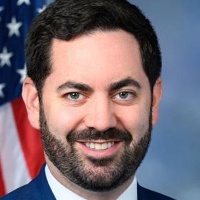
Michael Lawler
Representative
NY
Michael Lawler
Representative
NY
The LEAPS Act aims to promote energy efficiency in agricultural water pumping systems to save farmers money and reduce environmental impact. It mandates the USDA to provide farmers with information and an online tool to calculate potential savings from upgrading pumps, pipes, and related equipment. Furthermore, the bill ensures that energy-efficient system installations qualify for conservation program credits.
This act increases funding for the Defense Health Agency's research, development, testing, and evaluation, specifically ensuring support for Congressionally Directed Medical Research Programs as outlined in prior appropriations acts.
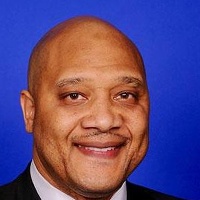
André Carson
Representative
IN
André Carson
Representative
IN
The Medical Research for Our Troops Act increases the budget for the Defense Health Agency's research, development, testing, and evaluation (RDT&E). This legislation specifically restores and increases funding for these critical defense health programs. The restored funds must be used to support all previously directed medical research programs and initiatives as outlined in prior appropriations acts.
The Community TEAMS Act of 2025 establishes grants for medical schools to partner with rural and underserved health facilities to expand community-based clinical training for medical students.
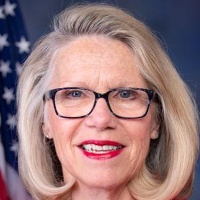
Carol Miller
Representative
WV
Carol Miller
Representative
WV
The Community TEAMS Act of 2025 establishes new federal grants to fund partnerships between medical schools and local health facilities in rural and medically underserved communities. These grants aim to expand clinical training opportunities for medical students in high-need areas. The ultimate goal is to encourage these students to establish long-term medical practices within those communities after graduation.
This Act mandates that most private firearm transfers must go through a licensed dealer to ensure background checks are performed on all purchasers.
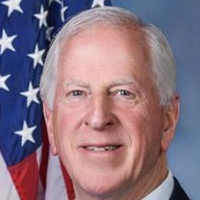
Mike Thompson
Representative
CA
Mike Thompson
Representative
CA
The Bipartisan Background Checks Act of 2025 aims to strengthen existing federal background check systems to prevent prohibited persons from acquiring firearms. This bill primarily mandates that most private firearm transfers must be facilitated through a licensed dealer who will conduct a background check. The legislation includes specific exceptions for family gifts, law enforcement, and temporary transfers under emergency circumstances.
This Act establishes new procedures for Federal Firearms Licensees when background checks are delayed, mandates reporting on delayed and denied transfers, and removes a specific time limit from existing background check law.
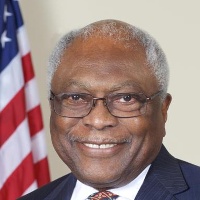
James Clyburn
Representative
SC
James Clyburn
Representative
SC
The Enhanced Background Checks Act of 2025 reforms federal firearm background check procedures, establishing a formal petition process for buyers when the system delays a decision beyond 10 business days. This bill removes the previous 10-day time limit on background checks under the Brady Act while mandating extensive reporting from the GAO and FBI on the effectiveness and outcomes of these delayed transfers. Furthermore, the Attorney General must report on the law's impact on domestic violence victims within 150 days of enactment.
This act ensures and expands Medicare coverage for mental and behavioral health services provided through telehealth, effective retroactively to 2021.

Doris Matsui
Representative
CA
Doris Matsui
Representative
CA
The Telemental Health Care Access Act of 2025 updates Medicare rules to ensure comprehensive coverage for mental and behavioral health services delivered via telehealth. This legislation clarifies and expands the scope of telehealth coverage under Medicare for these essential services. Furthermore, it removes previous restrictions, making the expanded coverage effective retroactively to the Consolidated Appropriations Act of 2021.
This bill establishes minimum and emergency staffing requirements for the Low-Income Home Energy Assistance Program (LIHEAP) and limits the use of contractors.
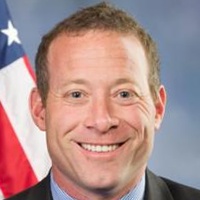
Josh Gottheimer
Representative
NJ
Josh Gottheimer
Representative
NJ
The LIHEAP Staffing Support Act establishes minimum staffing requirements for the Low-Income Home Energy Assistance Program (LIHEAP) to ensure effective program administration. It mandates a baseline of at least 20 dedicated employees, with limits on contractor usage during normal operations. Furthermore, the bill requires an emergency staffing boost to at least 30 employees within 45 days of declaring an energy crisis.
This bill increases the monthly housing stipend for veterans pursuing education solely through distance learning under the Post-9/11 Educational Assistance Program.
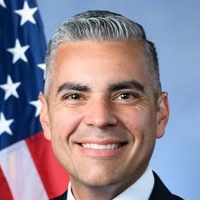
Juan Ciscomani
Representative
AZ
Juan Ciscomani
Representative
AZ
The Expanding Access for Online Veteran Students Act aims to increase financial support for veterans pursuing education entirely online. This bill eliminates the current 50% cap on the monthly housing stipend for eligible Post-9/11 GI Bill recipients enrolled more than half-time in distance learning programs. If enacted, this change would allow these students to receive the full monthly housing allowance rate, effective for terms beginning on or after August 1, 2025.
The Pride In Mental Health Act of 2025 establishes grants and federal initiatives to improve mental health services and research specifically for LGBTQ+ youth while explicitly prohibiting the use of funds for conversion therapy.
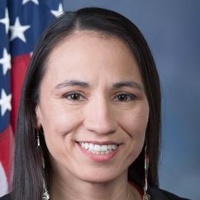
Sharice Davids
Representative
KS
Sharice Davids
Representative
KS
The Pride In Mental Health Act of 2025 establishes a new grant program to improve mental health and substance abuse outcomes for LGBTQ+ youth through culturally competent care and resource development. These grants strictly prohibit funding for conversion therapy practices. The bill also mandates federal data collection on LGBTQ+ youth mental health and requires a report on the needs of those in foster care.
This Act immediately repeals specific Executive Orders that harm LGBTQI+ individuals and prohibits the use of federal funds to enforce them, while preserving the President's constitutional authority.
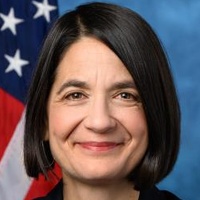
Becca Balint
Representative
VT
Becca Balint
Representative
VT
The No Place for LGBTQ+ Hate Act immediately repeals specific Executive Orders that reportedly targeted or limited the rights of LGBTQI individuals across federal areas like employment and healthcare. This legislation also prohibits the use of any federal funds to enforce or carry out these canceled orders. The bill includes a savings provision to ensure it does not infringe upon the President's existing constitutional authority.
This Act establishes a coordinated federal response to extreme heat by creating an interagency committee and a National Integrated Heat Health Information System within NOAA to reduce heat-related health risks.
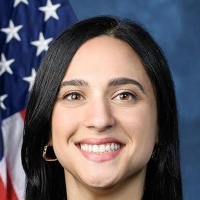
Yassamin Ansari
Representative
AZ
Yassamin Ansari
Representative
AZ
The Coordinated Federal Response to Extreme Heat Act of 2025 establishes a unified federal approach to mitigating the health and safety risks posed by extreme heat. It creates an Interagency Committee within NOAA to coordinate efforts across numerous federal departments and mandates the development of a National Integrated Heat Health Information System (NIHHIS). This new system will provide open access to data, forecasts, and science-backed tools to improve national preparedness and response to dangerous heat events. The Act authorizes $5 million annually through fiscal year 2029 to support these initiatives.
The Excess Urban Heat Mitigation Act of 2025 establishes a grant program to fund projects, prioritizing low-income areas, that reduce extreme heat in urban environments through measures like tree planting and installing cooling infrastructure.
Yassamin Ansari
Representative
AZ
Yassamin Ansari
Representative
AZ
The Excess Urban Heat Mitigation Act of 2025 establishes a new grant program to combat dangerous urban heat islands, which disproportionately affect low-income and minority communities. This program will fund eligible entities for projects like tree planting, installing cool pavements, and establishing cooling centers. At least 75% of the annual funding must target designated low-income census tracts, ensuring resources are directed to the most vulnerable areas. The Act authorizes $30 million annually through fiscal year 2033 to support these essential mitigation efforts.
This act repeals certain provisions of the Protection of Lawful Commerce in Arms Act and allows federal gun trace information to be discoverable and admissible in civil proceedings.
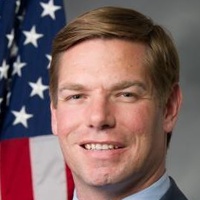
Eric Swalwell
Representative
CA
Eric Swalwell
Representative
CA
The Equal Access to Justice for Victims of Gun Violence Act of 2025 repeals key provisions of the Protection of Lawful Commerce in Arms Act. This legislation allows federal gun trace information to be discoverable and admissible as evidence in civil lawsuits and administrative hearings. The bill aims to provide victims of gun violence with greater access to relevant data in legal proceedings.
This bill mandates a comprehensive economic study to quantify the financial costs of extreme heat across health, property, labor, and infrastructure sectors.
Yassamin Ansari
Representative
AZ
Yassamin Ansari
Representative
AZ
The Extreme Heat Economic Study Act of 2025 mandates a comprehensive study, led by NOAA, to quantify the full financial costs of extreme heat events in the United States. This study must analyze impacts across health, property damage, labor productivity, and critical infrastructure like energy and agriculture. The final report will recommend a national system for tracking and publicly reporting these economic losses within four years of enactment.
The VET PFAS Act expands VA healthcare and disability benefits for veterans and their families exposed to toxic PFAS chemicals at military installations by establishing presumptions of service connection for related illnesses.
Michael Lawler
Representative
NY
Michael Lawler
Representative
NY
The VET PFAS Act expands healthcare and disability benefits for veterans and their families exposed to toxic PFAS chemicals, like PFOA, at contaminated military installations. It establishes a presumption of service connection for specific related illnesses, making it easier for veterans to receive disability compensation. Furthermore, the bill grants eligible family members access to VA medical care, contingent upon future appropriations. The VA is also required to report annually on the implementation and utilization of these new provisions for three years.
The MARSHALS Act restructures the U.S. Marshals Service, moving its organization and leadership entirely under the judicial branch, overseen by the Chief Justice and a new Board.
Eric Swalwell
Representative
CA
Eric Swalwell
Representative
CA
The MARSHALS Act fundamentally restructures the United States Marshals Service (USMS), moving its organization entirely into the judicial branch. This bill establishes that the Director and all U.S. Marshals will be appointed by the Chief Justice, subject to oversight from a new Board. The legislation also clarifies the USMS's authority to protect federal judicial personnel and outlines specific conditions under which the Service can assist the Department of Justice.