Legislative Activity
Track April's sponsored bills, co-sponsored legislation, and voting record
The Fit to Serve Act prohibits discrimination against service members and recruits in the Armed Forces based on their gender identity.
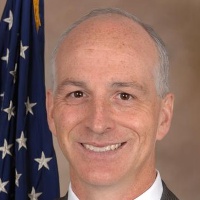
Adam Smith
Representative
WA
Adam Smith
Representative
WA
The Fit to Serve Act prohibits the U.S. Armed Forces from discriminating against service members based on their gender identity. This means military branches cannot set different standards, involuntarily discharge personnel, or deny medically necessary healthcare due to a service member's gender identity. The bill ensures equal opportunity for joining, serving, and receiving care regardless of one's internal sense of self.
This bill posthumously awards a Congressional Gold Medal to Henrietta Lacks to recognize the monumental contributions of her immortal HeLa cells to science and medicine.
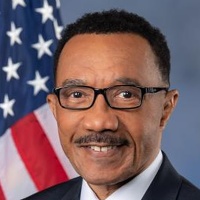
Kweisi Mfume
Representative
MD
Kweisi Mfume
Representative
MD
This bill, the Henrietta Lacks Congressional Gold Medal Act, posthumously awards a Congressional Gold Medal to Henrietta Lacks to recognize her foundational contributions to science and medicine through her immortal HeLa cells. The legislation directs the Secretary of the Treasury to strike the medal, which will ultimately be housed at the Smithsonian Institution. Furthermore, the Act authorizes the creation and sale of bronze duplicates to cover production costs.
This Act establishes the new Forest Conservation Easement Program to protect and restore private and Tribal forests through easements, while simultaneously repealing the existing Healthy Forests Reserve Program.
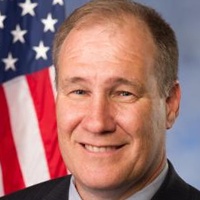
Trent Kelly
Representative
MS
Trent Kelly
Representative
MS
The Forest Conservation Easement Program Act of 2025 establishes a new federal program to protect and restore private and Tribal forest lands through conservation easements. This program offers two types of easements—Forest Land and Forest Reserve—with federal cost-share assistance available to eligible entities and landowners, prioritizing working forests and species recovery. The Act also allocates $100 million annually for this new program from 2026 through 2030 while simultaneously repealing the existing Healthy Forests Reserve Program, ensuring existing contracts remain honored. Finally, Congress stipulates that the costs associated with implementing this Act must be offset by savings or new revenue.
The SNAP Administrator Retention Act of 2025 mandates that states align SNAP administrator pay with comparable federal wages in exchange for 100% federal funding of approved administrative staffing costs.
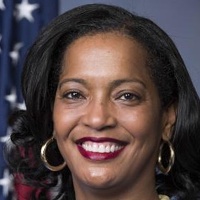
Jahana Hayes
Representative
CT
Jahana Hayes
Representative
CT
The SNAP Administrator Retention Act of 2025 aims to improve staffing and retention for the Supplemental Nutrition Assistance Program (SNAP) by setting new minimum pay standards for state administrators based on comparable federal salaries. If states adopt these standards and have their pay structure approved, the federal government will cover 100% of their administrative personnel costs. This increased federal funding must supplement, not replace, existing state spending on SNAP administration.
This resolution commemorates the National Science Foundation's 75th anniversary by recognizing its vital contributions to U.S. science, engineering, and education while reaffirming Congress's commitment to its future support.
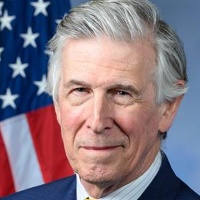
Donald Beyer
Representative
VA
Donald Beyer
Representative
VA
This resolution commemorates the 75th anniversary of the National Science Foundation (NSF), recognizing its vital role in advancing U.S. science, engineering, and education since 1950. Congress acknowledges the NSF's foundational support for groundbreaking innovations, including the internet and advancements in medical technology. The bill reaffirms Congress's commitment to ensuring the NSF continues to lead in scientific discovery for decades to come.
This Act amends budget control laws to reinforce Congress's exclusive power of the purse, clarify when funds can be withheld, and establish legal remedies, including private lawsuits, for improper impoundments.
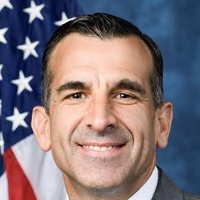
Sam Liccardo
Representative
CA
Sam Liccardo
Representative
CA
The Protecting Our Constitution and Communities Act aims to reassert Congress's exclusive constitutional authority over federal spending by clarifying that the President cannot unilaterally withhold appropriated funds. It strengthens the Comptroller General's oversight role and establishes new legal avenues for private citizens and governments to sue for damages if funds are improperly impounded. Furthermore, the bill tightens the definition of budgetary "contingencies" and ensures that judicial review of these spending disputes remains robust.
The AGRITOURISM Act establishes a new Office of Agritourism within the USDA to promote and support farm-based tourism for rural economic growth.
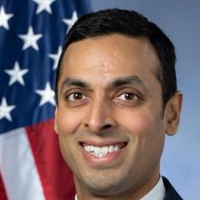
Suhas Subramanyam
Representative
VA
Suhas Subramanyam
Representative
VA
The AGRITOURISM Act establishes a new Office of Agritourism within the Department of Agriculture, led by a dedicated Director. This office is tasked with promoting and supporting farm-based tourism activities across the nation. The goal is to boost rural economies by helping agricultural businesses diversify through educational, recreational, and direct-sale opportunities.
This Act reinstates and extends the ability for taxpayers to deduct personal casualty losses from unexpected events like crimes, scams, and disasters without previous limitations.
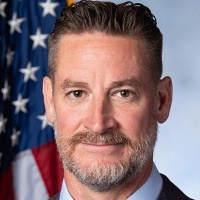
W. Steube
Representative
FL
W. Steube
Representative
FL
The Tax Relief for Victims of Crimes, Scams, and Disasters Act reinstates and removes limitations on the federal income tax deduction for personal casualty losses resulting from unexpected events like fires or floods. This legislation also extends the deadline for taxpayers to file claims for refunds related to these casualty loss deductions for past tax years. These changes apply to tax years beginning after December 31, 2017.
This resolution expresses the House's view that President Trump must immediately submit plans to Congress for accepting a jumbo jet gift from Qatar to comply with the Foreign Emoluments Clause.
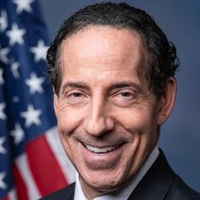
Jamie Raskin
Representative
MD
Jamie Raskin
Representative
MD
This resolution expresses the sense of the House that President Trump must comply with the Foreign Emoluments Clause regarding a reported gift of a jumbo jet from Qatar. It calls on the President to immediately submit all plans for accepting this significant gift to Congress. The bill emphasizes that the Constitution requires Congressional consent before the President can accept valuable items from foreign governments.
The Water Affordability, Transparency, Equity, and Reliability Act of 2025 establishes a dedicated trust fund financed by a corporate tax increase to improve water infrastructure, mandate affordability and equity reporting, and expand job training and assistance for underserved communities.
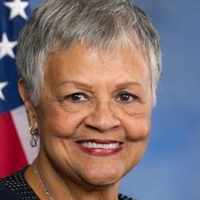
Bonnie Watson Coleman
Representative
NJ
Bonnie Watson Coleman
Representative
NJ
The Water Affordability, Transparency, Equity, and Reliability Act of 2025 establishes a dedicated federal Trust Fund, financed by an increase in the corporate tax rate, to support water infrastructure and affordability programs nationwide. The bill mandates a comprehensive EPA report analyzing water affordability, civil rights compliance, and public participation in water planning. It also significantly increases funding for household water well systems and revises state revolving loan fund rules to expand eligible projects, including lead line replacement and PFAS contamination cleanup. Finally, the Act creates new job training grants for the water sector and enhances drinking water assistance for colonias.
This bill prohibits individuals under 18 from having direct contact with tobacco plants or dried tobacco leaves on farms to strengthen child labor protections in tobacco agriculture.

Rosa DeLauro
Representative
CT
Rosa DeLauro
Representative
CT
The Children Don't Belong on Tobacco Farms Act amends child labor laws to prohibit individuals under 18 from having direct contact with tobacco plants or dried tobacco leaves. This change ensures that agricultural work involving direct handling of tobacco falls under federal child labor protections. The bill specifically updates exemptions to reflect this new restriction on youth employment in tobacco agriculture.
This Act mandates that health plans cover medically necessary treatment for congenital anomalies or birth defects affecting the eyes, ears, teeth, mouth, or jaw to restore normal function and appearance.
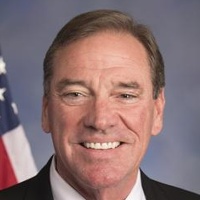
Neal Dunn
Representative
FL
Neal Dunn
Representative
FL
The Ensuring Lasting Smiles Act mandates that group health plans and insurance policies provide comprehensive coverage for medically necessary treatment related to congenital anomalies or birth defects affecting the eyes, ears, teeth, mouth, or jaw. This coverage must include services needed to restore normal function and appearance, including necessary dental and orthodontic support. Plans must apply cost-sharing rules no more restrictive than those for other medical benefits, excluding purely cosmetic procedures.
This resolution officially recognizes and celebrates Asian American, Native Hawaiian, and Pacific Islander Heritage Month to honor their significant contributions to U.S. history while acknowledging past hardships and ongoing challenges.

Grace Meng
Representative
NY
Grace Meng
Representative
NY
This resolution officially recognizes and celebrates Asian American, Native Hawaiian, and Pacific Islander (AANHPI) Heritage Month every May. It highlights the significant historical contributions of these communities to the United States, while also acknowledging past hardships and ongoing challenges. The bill encourages the nation to observe this month to appreciate the diversity and strength AANHPI individuals bring to the country.
This Act prohibits the advertising and provision of paid conversion therapy intended to change an individual's sexual orientation or gender identity, empowering the FTC and State Attorneys General to enforce these prohibitions.
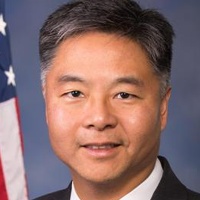
Ted Lieu
Representative
CA
Ted Lieu
Representative
CA
The Therapeutic Fraud Prevention Act of 2025 declares that practices attempting to change an individual's sexual orientation or gender identity for payment constitute an unfair and deceptive business practice. Citing professional consensus on the ineffectiveness and harm of such "conversion therapy," the bill prohibits its provision and advertising. Enforcement authority is granted to the Federal Trade Commission (FTC), and the law allows both the U.S. Attorney General and State Attorneys General to file civil actions against violators.
This Act restricts law enforcement from using intercepted communications or compelled records containing reproductive or sexual health information to investigate or prosecute individuals seeking or providing related care.
Ted Lieu
Representative
CA
Ted Lieu
Representative
CA
The Reproductive Data Privacy and Protection Act restricts law enforcement from using intercepted communications or compelled records that contain reproductive or sexual health information to investigate or prosecute individuals seeking or providing related care. This bill mandates specific sworn statements in wiretap applications and court orders, and in demands for electronic records, affirming that sensitive health details will not be used for such purposes. The Act broadly defines reproductive and sexual health information to ensure comprehensive protection.
This act establishes research grants and training programs to develop and implement PFAS-free, next-generation turnout gear to protect firefighters from occupational illness and injury.

Debbie Dingell
Representative
MI
Debbie Dingell
Representative
MI
The PFAS Alternatives Act aims to protect firefighters by funding research and development for next-generation turnout gear that eliminates harmful PFAS chemicals. The bill establishes grants through NIOSH to create safer, PFAS-free protective equipment and separate funding for training programs on the proper care of this new gear. Ultimately, this legislation seeks to reduce occupational illness and injury among fire and EMS personnel.
This Act establishes federal penalties for assaulting hospital personnel and creates a grant program to help medical facilities improve workforce safety.

Madeleine Dean
Representative
PA
Madeleine Dean
Representative
PA
The Save Healthcare Workers Act aims to protect hospital personnel by making assault against them a federal crime with severe penalties. It also establishes a new federal grant program to help hospitals implement crucial safety measures, such as violence prevention training and physical security upgrades. This legislation seeks to reduce workplace violence in healthcare settings across the nation.
The Shipbuilding and Harbor Infrastructure for Prosperity and Security for America Act of 2025 establishes a centralized maritime authority, creates a dedicated funding trust, strengthens sealift capability, mandates increased use of U.S.-flagged vessels, invests heavily in domestic shipbuilding, and enhances workforce development and tax incentives for the maritime industry.
Trent Kelly
Representative
MS
Trent Kelly
Representative
MS
The **Shipbuilding and Harbor Infrastructure for Prosperity and Security for America Act of 2025** is a comprehensive bill designed to revitalize the U.S. maritime industry and secure critical supply chains. It establishes new centralized oversight for maritime policy, creates a dedicated Maritime Security Trust Fund financed by new vessel taxes, and mandates significant federal investment in domestic shipbuilding and workforce development. The legislation also imposes stricter cargo preference rules and tax incentives to ensure U.S.-flagged vessels dominate international commerce and defense sealift operations.
The SALUTE Act establishes a pilot program allowing certain active military members and their dependents to purchase supplemental, self-funded insurance to cover out-of-pocket cancer-related medical expenses not covered by TRICARE.
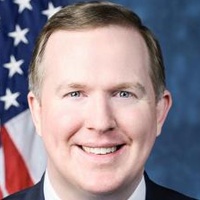
Brian Jack
Representative
GA
Brian Jack
Representative
GA
The SALUTE Act establishes a pilot program to allow certain active-duty service members and their dependents to purchase supplemental private insurance for uncovered cancer-related medical expenses. This optional coverage will be offered through agreements with selected insurance companies, with participants paying the full premium cost. The Department of Defense must report on the program's success after three years to determine if it should become permanent.
This Act prohibits the use of federal funds for emergency response maps after fiscal year 2026 unless the maps meet strict digital, storage, interoperability, and detailed content requirements, and mandates a federal strategy for acquiring and distributing these compliant maps.
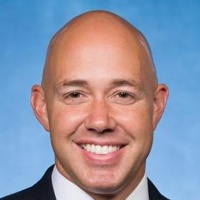
Brian Mast
Representative
FL
Brian Mast
Representative
FL
The Uniform School Mapping Act prohibits the use of federal funds to purchase emergency response maps after fiscal year 2026 unless those maps meet strict digital, storage, and content requirements. These mandated maps must detail critical building features and be easily shareable with public safety agencies at no cost. Furthermore, the Secretary of Homeland Security must develop a strategy to ensure the federal government acquires and distributes these standardized maps for critical properties.