Legislative Activity
Track LaMonica's sponsored bills, co-sponsored legislation, and voting record
The New York-New Jersey Watershed Protection Act of 2025 establishes a grant program and restoration efforts, funded through 2031, to protect and improve fish and wildlife habitats and water quality in the New York-New Jersey Harbor watershed, prioritizing environmental justice communities.
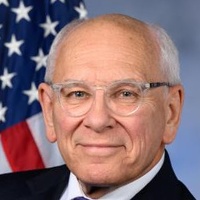
Paul Tonko
Representative
NY
Paul Tonko
Representative
NY
The New York-New Jersey Watershed Protection Act of 2025 establishes a new program to coordinate the restoration and protection of fish and wildlife habitats across the New York-New Jersey Watershed. This legislation creates a competitive grant program to fund local restoration projects, with special consideration for communities facing environmental injustice. The Act authorizes $20 million annually through fiscal year 2031 to support these science-based conservation efforts.
This Act mandates that all states must operate the WIC program and guarantees necessary funding through permanent appropriation starting in fiscal year 2026.
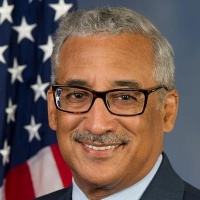
Robert Scott
Representative
VA
Robert Scott
Representative
VA
The WIC Benefits Protection Act mandates that all states must operate the Special Supplemental Nutrition Program for Women, Infants, and Children (WIC). This legislation also guarantees permanent, mandatory funding for WIC starting in fiscal year 2026, ensuring the program has the necessary resources annually. Furthermore, it clarifies eligibility language within the program's governing statute.
This resolution expresses deep concern over the surge in book banning and threats to free expression, urging the immediate restoration of removed materials in federal schools and the repeal of restrictive directives.
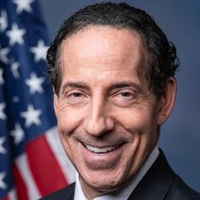
Jamie Raskin
Representative
MD
Jamie Raskin
Representative
MD
This resolution expresses deep concern over the growing trend of book banning and threats to freedom of expression in U.S. schools and libraries. It asserts that such censorship undermines democratic values and harms students by restricting access to diverse ideas and histories. The bill urges local entities to follow best practices for book challenges and calls for the immediate reinstatement of books removed from Department of Defense schools. Ultimately, it reaffirms the nation's commitment to First Amendment rights and the freedom to read.
This Act establishes strict evidence requirements for states to remove registered voters from the rolls for federal elections and mandates timely notification to those affected.
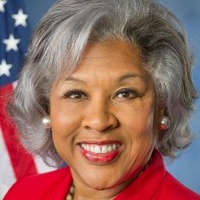
Joyce Beatty
Representative
OH
Joyce Beatty
Representative
OH
The Voter Purge Protection Act establishes strict new evidence requirements for states before they can remove registered voters from the rolls for federal elections. States must have objective proof that a voter is ineligible and cannot remove someone solely for not voting or failing to respond to a notice unless it was returned as undeliverable. If a voter is removed, the state must notify them within 48 hours with instructions on how to re-register.
This bill authorizes the Federal Government to reimburse states for using their own funds to maintain WIC program operations during a lapse in federal appropriations.
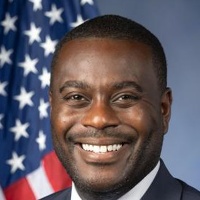
Gabe Amo
Representative
RI
Gabe Amo
Representative
RI
This bill ensures that states are reimbursed by the Federal Government for any state funds they use to maintain essential operations of the Special Supplemental Nutrition Program for Women, Infants, and Children (WIC) during a lapse in federal appropriations. It provides a mechanism for the Federal Government to pay back states that cover WIC costs during a government shutdown. This protects state budgets while keeping vital nutrition assistance running.
This resolution expresses support for designating October 2025 as National Learning Disabilities Awareness Month while urging action to address the significant achievement gaps faced by students with Specific Learning Disabilities.
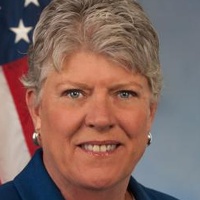
Julia Brownley
Representative
CA
Julia Brownley
Representative
CA
This resolution expresses support for designating October 2025 as National Learning Disabilities Awareness Month to highlight the significant academic challenges faced by students with Specific Learning Disabilities (SLD). It emphasizes that SLDs are the most common disability category under IDEA, yet these students show alarmingly low proficiency rates in reading and math. The bill urges early screening and calls on educational agencies to ensure these students receive the required specialized instruction and support to achieve success.
This Act waives the 10% early withdrawal penalty on Thrift Savings Plan distributions up to $30,000 during a federal government shutdown and provides special provisions for TSP hardship withdrawals and loan payments affected by the lapse in appropriations.
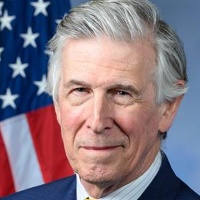
Donald Beyer
Representative
VA
Donald Beyer
Representative
VA
The Emergency Relief for Federal Workers Act of 2025 provides financial relief to federal employees affected by government shutdowns. This bill waives the 10% early withdrawal penalty on Thrift Savings Plan (TSP) distributions up to $30,000 during a qualifying shutdown. Additionally, it allows affected employees greater access to TSP hardship withdrawals and loans, and prevents missed TSP loan payments due to a shutdown from being treated as a taxable distribution.
This bill establishes the Artist Compensation Royalty Fund, funded by streaming service fees and non-subscription revenue, to ensure quarterly payments to eligible featured and non-featured musical artists.
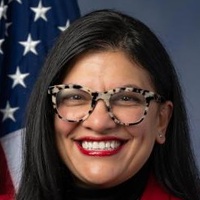
Rashida Tlaib
Representative
MI
Rashida Tlaib
Representative
MI
The Living Wage for Musicians Act of 2025 establishes the Artist Compensation Royalty Fund, financed by a mandatory new "living wage royalty fee" charged to streaming subscribers and a percentage of service providers' non-subscription revenue. This fund will distribute 90% of its proceeds quarterly to eligible featured artists based on their stream share, with the remaining 10% going to non-featured artists via established unions. The Act also mandates that streaming platforms clearly itemize this new fee and subjects them to audits by the designated Fund Administrator.
This bill establishes a process for federal employees, contractors, and states to be reimbursed for financial costs incurred due to government shutdowns.
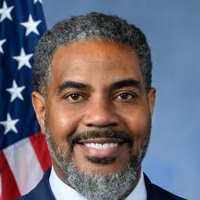
Steven Horsford
Representative
NV
Steven Horsford
Representative
NV
The Pay Workers What They've Earned Act aims to reimburse federal employees and contractors for direct financial costs incurred due to government shutdowns. This legislation specifically covers expenses like late fees and interest charges resulting from missed paychecks during a lapse in funding. It also establishes a process for states to be reimbursed if they use their own funds to cover normally federal responsibilities during extended shutdowns. The bill creates a dedicated Treasury fund to ensure timely payments to affected workers in the future.
This bill prohibits active duty military and National Guard members operating under Title 32 from enforcing or assisting in the enforcement of immigration laws.
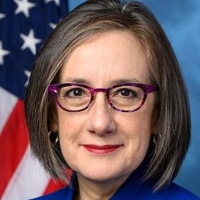
Andrea Salinas
Representative
OR
Andrea Salinas
Representative
OR
The National Guard Proper Use Act prohibits active duty military personnel and National Guard members serving under Title 32 orders from enforcing or assisting in the enforcement of immigration laws. This measure restricts the use of the Armed Forces for domestic immigration enforcement, aligning with existing statutes that govern such deployments.
The Rail Passenger Fairness Act grants Amtrak the direct authority to sue freight railroads in federal court to enforce its statutory right to priority on shared tracks.
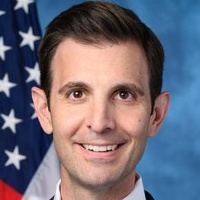
Chris Deluzio
Representative
PA
Chris Deluzio
Representative
PA
The Rail Passenger Fairness Act aims to restore Amtrak's statutory right to priority over freight trains on shared tracks, which has been frequently ignored by freight railroads, causing significant passenger delays. This bill grants Amtrak the direct authority to file civil lawsuits in federal court to enforce these crucial preference rights. By ensuring passenger trains run on time, the Act is expected to improve service reliability and generate substantial cost savings.
This bill prohibits the removal of Federal employees during a lapse in discretionary appropriations, ensuring job security for civil servants during government shutdowns.
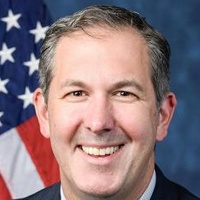
Johnny Olszewski
Representative
MD
Johnny Olszewski
Representative
MD
This bill prohibits federal agencies from removing civil service employees during any lapse in discretionary appropriations, commonly known as a government shutdown. If an employee is terminated in violation of this rule during a shutdown, they will have the option to be reinstated with full back pay once funding resumes. This measure aims to protect federal workers from job loss caused by budget impasses.
This Act ensures that payments made for car, home/renter, and flood insurance policies are excluded when determining income for eligibility in federal, state, or local assistance programs.
Rashida Tlaib
Representative
MI
Rashida Tlaib
Representative
MI
The Cost-of-Living Fairness Act ensures that payments made for essential insurance policies, such as car, home/renter, and flood insurance, are excluded when determining eligibility for federal, state, or local assistance programs. This change prevents necessary insurance expenses from negatively impacting a household's income calculation for benefits. The goal is to make it fairer for families to maintain necessary coverage while accessing public aid.
This resolution officially recognizes the critical disparities in Black youth mental health access and treatment and urges the administration to implement recommendations to address the crisis.
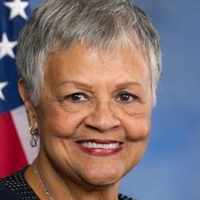
Bonnie Watson Coleman
Representative
NJ
Bonnie Watson Coleman
Representative
NJ
This resolution formally recognizes the critical disparities in mental health access and treatment for Black youth, citing alarming increases in suicide rates among this population. It calls on the current administration to build upon previous efforts and implement recommendations from the *Ring the Alarm* report. The bill specifically urges increased funding, promotion of community education to reduce stigma, and protection of existing mental health service structures.
This resolution condemns using federal regulatory power or litigation to suppress lawful political speech critical of a party or the President, warning against authoritarianism.
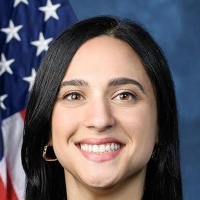
Yassamin Ansari
Representative
AZ
Yassamin Ansari
Representative
AZ
This resolution strongly condemns attempts to use federal regulatory power or litigation to suppress lawful speech critical of a political party or the President. It reaffirms the fundamental importance of the First Amendment and warns that such actions resemble tactics used by authoritarian regimes. The bill urges government agencies to protect free expression and ensure accountability, not political censorship.
This bill posthumously awards a Congressional Gold Medal to Welles Remy Crowther for his heroic actions during the September 11, 2001, attacks.
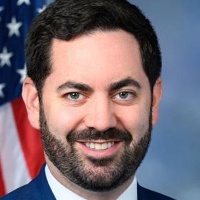
Michael Lawler
Representative
NY
Michael Lawler
Representative
NY
This bill, the Welles Remy Crowther Congressional Gold Medal Act, authorizes the posthumous presentation of a Congressional Gold Medal to Welles Remy Crowther for his extraordinary heroism and sacrifice during the September 11, 2001, attacks. The medal will be presented to his mother, Alison Crowther, on behalf of Congress. The Act also permits the creation and sale of bronze duplicates to cover production costs.
This bill establishes a mechanism to ensure the Federal Aviation Administration remains funded and operational during a lapse in appropriations.
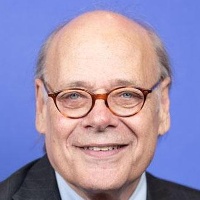
Steve Cohen
Representative
TN
Steve Cohen
Representative
TN
The Aviation Funding Stability Act of 2025 establishes an automatic mechanism to ensure the Federal Aviation Administration (FAA) remains funded during a lapse in appropriations. This allows the FAA to continue essential operations using existing funds from the Airport and Airway Trust Fund until a new budget or continuing resolution is enacted. Funding will cease after 30 days if no new appropriations are passed. This ensures continuity for core FAA programs, including operations, infrastructure, and grants.
The SHINE for Autumn Act of 2025 establishes federal grants for states to improve stillbirth surveillance, data collection, and risk factor research while mandating the development of standardized educational guidelines on stillbirth.
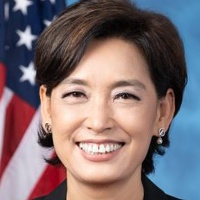
Young Kim
Representative
CA
Young Kim
Representative
CA
The SHINE for Autumn Act of 2025 aims to significantly improve federal support for state-level stillbirth research and data collection. It authorizes grants for states to enhance surveillance, track risk factors, and build local capacity for analyzing stillbirth data, provided the information remains de-identified. Furthermore, the bill mandates the development of standardized guidelines and educational materials regarding stillbirth awareness and risk factors, developed in consultation with experts and bereaved families.
This House resolution strongly condemns all forms of political violence and demands an end to dehumanizing rhetoric against political opponents.
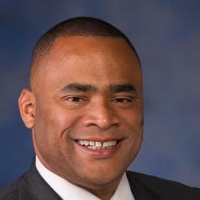
Marc Veasey
Representative
TX
Marc Veasey
Representative
TX
This House Resolution strongly condemns all forms of political violence and threats against elected officials and public figures, regardless of political affiliation. It affirms that disagreements must be resolved through peaceful and democratic means, not intimidation or force. The resolution urges law enforcement to prosecute those who commit or encourage such violence. Finally, it calls on all leaders to cease using dehumanizing rhetoric and promote civil discourse.
This bill mandates that federally funded higher education institutions update their harassment policies to explicitly cover technology-facilitated harassment and establishes a competitive grant program to fund anti-harassment initiatives.
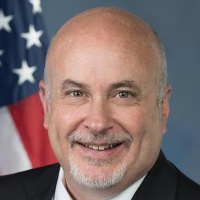
Mark Pocan
Representative
WI
Mark Pocan
Representative
WI
The Tyler Clementi Higher Education Anti-Harassment Act of 2025 mandates that colleges receiving federal funds update their policies to explicitly prohibit and detail procedures for addressing harassment based on protected characteristics, including technology-facilitated abuse. The bill also establishes a competitive grant program, funded up to $50 million annually, to support campus efforts in harassment prevention, training, and support services. This legislation adds new requirements without superseding existing civil rights protections.