Legislative Activity
Track LaMonica's sponsored bills, co-sponsored legislation, and voting record
This bill directs the Small Business Administration to develop and distribute multilingual educational resources to help small business owners and their employees understand their rights and responsibilities regarding immigration enforcement and compliance.
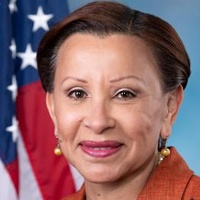
Nydia Velázquez
Representative
NY
Nydia Velázquez
Representative
NY
The Businessowner Immigration Rights and Responsibilities Information Act of 2026 directs the Small Business Administration to develop and distribute comprehensive educational resources regarding immigration enforcement. These materials will provide small business owners and their employees with clear guidance on their legal rights, compliance responsibilities, and best practices for handling enforcement actions. Available in multiple languages, these resources aim to ensure businesses are well-informed and prepared while navigating complex immigration regulations.
This bill officially renames the United States Postal Service facility in Willingboro, New Jersey, as the "James A. Cotten Post Office."
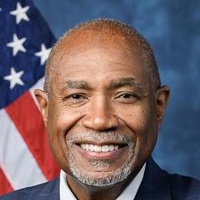
Herbert Conaway
Representative
NJ
Herbert Conaway
Representative
NJ
This bill officially designates the United States Postal Service facility located at 16 Rev Dr Martin Luther King Jr Drive in Willingboro, New Jersey, as the "James A. Cotten Post Office." This action ensures the facility will be formally known by this name in all federal records and documents.
The Tuskegee Airmen Memorial Act of 2026 authorizes the establishment of a privately funded commemorative work in Washington, D.C., to honor the Tuskegee Airmen of World War II.
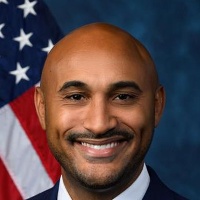
Shomari Figures
Representative
AL
Shomari Figures
Representative
AL
The Tuskegee Airmen Memorial Act of 2026 authorizes Tuskegee Airmen, Inc. to establish a commemorative work on federal land in Washington, D.C., to honor the original Tuskegee Airmen of World War II. The project will be funded entirely through private donations, with no federal funds permitted for its construction or maintenance.
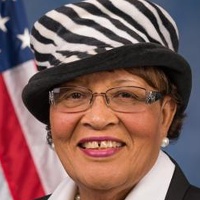
This resolution recognizes July 21, 2026, as Black Women’s Equal Pay Day to raise awareness of the persistent wage gap and reaffirm the commitment to achieving pay equity.
Alma Adams
Representative
NC
Alma Adams
Representative
NC
This resolution recognizes July 21, 2026, as Black Women’s Equal Pay Day to highlight the persistent and significant wage gap between Black women and white, non-Hispanic men. It calls attention to the systemic racial and gender-based barriers contributing to this disparity and reaffirms a commitment to achieving true pay equity.
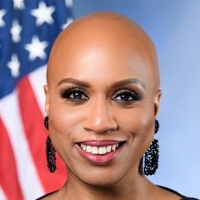
The MOMMIES Act strengthens maternal health outcomes by extending Medicaid and CHIP postpartum coverage to one year, mandating comprehensive oral health benefits, and establishing demonstration projects to improve maternity care access and equity.
Ayanna Pressley
Representative
MA
Ayanna Pressley
Representative
MA
The MOMMIES Act aims to improve maternal health outcomes by expanding Medicaid and CHIP coverage for pregnant and postpartum individuals to a full year. The bill mandates comprehensive benefits, including oral health services, and establishes a maternity care home demonstration project to provide coordinated, culturally appropriate care. Additionally, it increases provider reimbursement rates for primary care, promotes access to doula services, and requires federal studies to address disparities and improve telehealth access in maternal care.
The Justice for Incarcerated Moms Act aims to improve maternal health outcomes for incarcerated individuals by prohibiting the shackling of pregnant prisoners and establishing federal and state programs to provide comprehensive prenatal and postpartum care.
Ayanna Pressley
Representative
MA
Ayanna Pressley
Representative
MA
The Justice for Incarcerated Moms Act aims to improve maternal health outcomes and reduce disparities for pregnant and postpartum individuals in the criminal justice system. The bill mandates the end of shackling for pregnant individuals in federal and state facilities and establishes comprehensive model programs to provide prenatal and postpartum care. Additionally, it creates a grant program for state and local facilities to improve maternal health services and requires a federal report to identify and address systemic barriers to care.
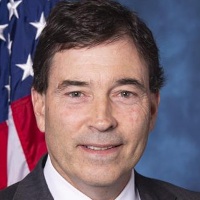
The AADAPT Act expands grant eligibility and funding to integrate dementia care services into health centers through 2031.
Troy Balderson
Representative
OH
Troy Balderson
Representative
OH
The AADAPT Act expands access to specialized dementia care by authorizing grants for public and nonprofit health centers to integrate these services into their programs. Additionally, the bill extends federal funding authorization through 2031 to ensure the continued growth and sustainability of these critical health outcomes.
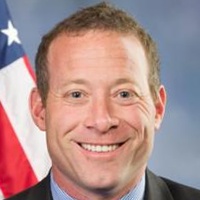
This bill officially designates the Department of Veterans Affairs community-based outpatient clinic in Newton, New Jersey, as the "Anthony 'Tony' J. Gallopo VA Clinic."
Josh Gottheimer
Representative
NJ
Josh Gottheimer
Representative
NJ
This bill officially designates the Department of Veterans Affairs community-based outpatient clinic in Newton, New Jersey, as the "Anthony 'Tony' J. Gallopo VA Clinic." All official federal documents and records will be updated to reflect this new name.
This bill mandates electronic prior authorization, increases transparency through required data reporting, and establishes faster decision timelines for Medicare Advantage plans to improve timely access to care for seniors.
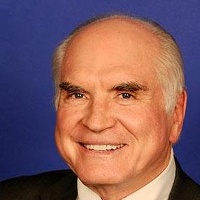
Mike Kelly
Representative
PA
Mike Kelly
Representative
PA
The Improving Seniors’ Timely Access to Care Act of 2025 aims to streamline and modernize the prior authorization process within Medicare Advantage plans. This bill mandates the adoption of electronic prior authorization systems and significantly increases transparency regarding approval rates and decision times starting in 2027. Furthermore, it establishes new enrollee protections and grants the Secretary authority to enforce faster decision timeframes for medical services.
This resolution designates July 10th as Journeyman Lineworkers Recognition Day to honor the essential service and sacrifices of the professionals who maintain our nation’s power grid.
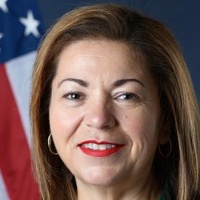
Linda Sánchez
Representative
CA
Linda Sánchez
Representative
CA
This resolution designates July 10th as Journeyman Lineworkers Recognition Day to honor the essential, high-risk work performed by these skilled professionals. It pays tribute to the lineworkers who provide critical service during emergencies and recognizes those who have made the ultimate sacrifice in the line of duty.
The Extreme Temperatures Injustice in Prisons Act of 2026 mandates upgrades to HVAC systems, establishes strict temperature safety standards, and requires regular monitoring and oversight to protect incarcerated individuals and staff from extreme heat and cold in federal prisons.
Alma Adams
Representative
NC
Alma Adams
Representative
NC
The Extreme Temperatures Injustice in Prisons Act of 2026 mandates that the Bureau of Prisons upgrade HVAC systems and implement strict temperature monitoring across all federal correctional facilities. The bill establishes enforceable standards to protect both incarcerated individuals and staff from extreme heat and cold while requiring the provision of essential mitigation supplies. Additionally, it mandates regular health reporting, oversight by the Inspector General, and specialized protections for medically vulnerable populations.
The Living Wage for Federal Contractors Act establishes a phased-in $25 hourly minimum wage for federal contract workers, adjusted annually for inflation, while strengthening enforcement and compliance standards across federal procurement.
Alma Adams
Representative
NC
Alma Adams
Representative
NC
The Living Wage for Federal Contractors Act establishes a phased increase in the minimum hourly wage for federal contract employees, reaching $25.00 per hour within five years, followed by annual inflation-based adjustments. The bill mandates strict enforcement mechanisms, including contract termination, debarment for violators, and civil penalties, while aligning existing federal wage standards with these new requirements.
This bill strengthens the Department of Homeland Security’s Office for Civil Rights and Civil Liberties by formalizing its authority, expanding its oversight and investigative powers, and mandating greater transparency and accountability in protecting civil rights across the Department.
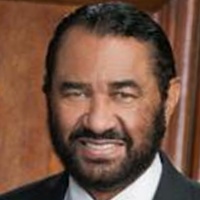
Al Green
Representative
TX
Al Green
Representative
TX
The Department of Homeland Security Office for Civil Rights and Civil Liberties Authorization Act strengthens the oversight and authority of the Office for Civil Rights and Civil Liberties. This legislation ensures the Office has the necessary resources, access, and independence to integrate civil rights protections into all Department policies, investigate potential abuses, and provide transparent reporting to Congress and the public.
The Community Housing Act of 2026 provides comprehensive federal funding and policy reforms to expand the national housing supply, increase affordable rental options, and support pathways to homeownership for low-income and rural families.
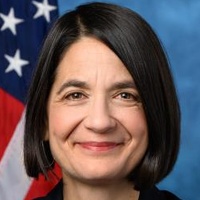
Becca Balint
Representative
VT
Becca Balint
Representative
VT
The Community Housing Act of 2026 is a comprehensive legislative package designed to increase the nation’s housing supply and improve long-term affordability. The bill provides billions in federal funding for affordable housing construction, incentivizes local zoning reform, and expands support for rural homeownership and tenant protections. By streamlining financing and removing regulatory barriers, the act aims to create more housing options for low- and middle-income families across the country.
This resolution reaffirms the nation's founding ideals and commits the House to advancing equity and opportunity for all immigrant communities as the U.S. approaches its 250th anniversary.
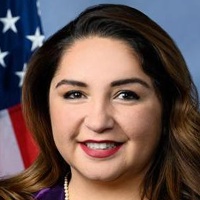
Delia Ramirez
Representative
IL
Delia Ramirez
Representative
IL
This resolution reaffirms the House of Representatives' commitment to the founding ideals of liberty, equality, and opportunity for all immigrant communities as the nation approaches its 250th anniversary. It acknowledges past failures to fully realize these ideals and highlights the significant contributions immigrants make to the United States. The bill supports expanding programs that help immigrants overcome barriers to full participation and urges increased investment in equitable community strengthening initiatives.
This act strengthens worker protections by increasing pay transparency, expanding recovery for wage theft, and establishing grants to combat illegal pay practices.

Rosa DeLauro
Representative
CT
Rosa DeLauro
Representative
CT
The Wage Theft Prevention and Wage Recovery Act strengthens worker protections by amending the Fair Labor Standards Act to mandate pay transparency, guarantee timely final pay, and significantly increase penalties for wage theft. It also extends the statute of limitations for filing wage claims and establishes a federal grant program to support local efforts in preventing wage theft and assisting workers with recovery. Overall, the bill aims to ensure workers receive the full wages they are owed through stricter enforcement and greater accountability for employers.
This bill establishes a federal income tax deduction of up to \$5,000 annually for parents' qualified expenses related to their children's academic, athletic, or artistic enrichment programs, subject to certain income limitations.
Shomari Figures
Representative
AL
Shomari Figures
Representative
AL
The Affordable Youth Enrichment Opportunities Act establishes a new federal income tax deduction for parents covering expenses for their children's participation in qualified enrichment programs, such as academic tutoring, athletics, or arts activities. Beginning in tax year 2027, eligible taxpayers can deduct up to $5,000 annually, subject to specific income limitations. This provision aims to make youth enrichment opportunities more financially accessible for families.
The LIFT the BAR Act restores federal public benefit eligibility, including SNAP, Medicaid, and housing assistance, for many lawfully present noncitizens by repealing restrictions from the 1996 welfare law and updating terminology.

Pramila Jayapal
Representative
WA
Pramila Jayapal
Representative
WA
The LIFT the BAR Act repeals decades-old restrictions that barred many lawfully present noncitizens from accessing essential federal public benefits. This legislation restores eligibility for programs like SNAP, Medicaid, CHIP, and housing assistance for qualified noncitizens. The bill also updates terminology, replacing "alien" with "noncitizen" throughout relevant statutes.
This Act establishes a moratorium on the construction and upgrading of new artificial intelligence data centers until Congress passes legislation ensuring AI safety, equitable economic benefits, and community approval, while also imposing export controls on related computing hardware.
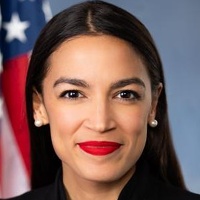
Alexandria Ocasio-Cortez
Representative
NY
Alexandria Ocasio-Cortez
Representative
NY
This Act imposes an immediate moratorium on the construction and upgrading of new or existing large-scale Artificial Intelligence Data Centers. The pause will remain in effect until Congress passes legislation that mandates federal safety reviews for AI products and ensures the economic benefits of AI are shared broadly. Upon lifting the moratorium, any new or upgraded facilities must meet strict environmental, community approval, and labor standards.
This resolution urges Congress to take immediate action to restore and strengthen voting rights protections and consider structural reforms to the Senate and Supreme Court to safeguard American democracy.
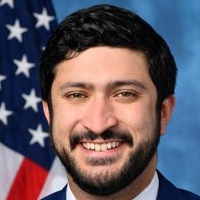
Gregorio Casar
Representative
TX
Gregorio Casar
Representative
TX
This resolution expresses the House's urgent call for Congress to restore and strengthen civil rights and fair political representation for all Americans. It specifically condemns recent Supreme Court decisions that have weakened the Voting Rights Act and enabled partisan gerrymandering. The bill asserts that Congress must act boldly, including considering Senate and Supreme Court reforms, to protect multiracial democracy.