Legislative Activity
Track James's sponsored bills, co-sponsored legislation, and voting record
This resolution condemns Russia's forced deportation and Russification of Ukrainian children and demands their return before any final peace agreement is reached.
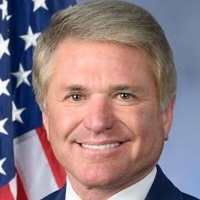
Michael McCaul
Representative
TX
Michael McCaul
Representative
TX
This resolution strongly condemns Russia for the abduction and forced "Russification" of Ukrainian children, highlighting these actions as grave violations of international law. It emphasizes that these children must be safely returned to Ukraine before any final peace agreement to end the war is considered. The document also underscores the heightened risks of trafficking, violence, and trauma faced by Ukrainian children due to the ongoing invasion.
This act establishes a new federal crime specifically targeting individuals who knowingly defraud veterans or attempt to steal their federal benefits.
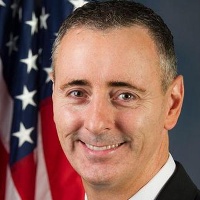
Brian Fitzpatrick
Representative
PA
Brian Fitzpatrick
Representative
PA
The Preventing Crimes Against Veterans Act of 2025 establishes a new federal crime specifically targeting individuals who knowingly defraud veterans or attempt to steal their federal benefits. This legislation creates enhanced penalties, including potential fines and imprisonment up to five years, for those convicted of such schemes. The Act ensures robust legal tools are in place to protect veterans from financial exploitation related to their earned benefits.
This resolution expresses support for designating September 25th as National Stop SuiSilence Day to encourage open conversation and action regarding suicide prevention.

Morgan Luttrell
Representative
TX
Morgan Luttrell
Representative
TX
This resolution expresses strong support for designating **September 25th** as **National Stop SuiSilence Day**. The bill emphasizes that open conversation is crucial for reducing the stigma surrounding suicide and preventing loss of life. It encourages individuals, communities, and the government to actively engage in suicide prevention awareness and action on this designated day.
The CONNECT for Health Act of 2025 permanently expands Medicare telehealth access by removing geographic restrictions, increasing practitioner flexibility, bolstering program integrity, and mandating supports for quality remote care delivery.
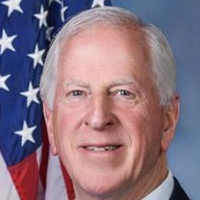
Mike Thompson
Representative
CA
Mike Thompson
Representative
CA
The CONNECT for Health Act of 2025 significantly expands and permanently secures access to Medicare telehealth services by eliminating outdated geographic restrictions and allowing more practitioners to offer remote care. The bill also strengthens program integrity by dedicating funds for telehealth oversight while clarifying rules around providing necessary technology to patients. Finally, it mandates the creation of tailored educational resources and public reporting to improve quality measurement and transparency in remote care delivery.
This bill updates federal ocean acidification research and monitoring to enhance collaboration with coastal communities, including mandated coordination and representation for Indian Tribes and Native Hawaiian organizations.

Chellie Pingree
Representative
ME
Chellie Pingree
Representative
ME
The Coastal Communities Ocean Acidification Act of 2025 amends existing federal law to significantly enhance collaboration on ocean acidification research and monitoring. This bill mandates increased input from diverse stakeholders, including industry, coastal networks, and Indigenous groups, in guiding federal research priorities. Furthermore, it restructures the Advisory Board to ensure stronger representation from Tribal entities and requires the development of specific coordination policies with affected Tribes. The legislation also directs NOAA to prioritize collaboration with State, local, and Tribal governments when conducting vulnerability assessments.
This bill repeals the Caesar Syria Civilian Protection Act of 2019.
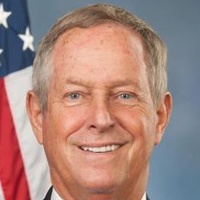
Joe Wilson
Representative
SC
Joe Wilson
Representative
SC
This bill proposes the complete repeal of the Caesar Syria Civilian Protection Act of 2019. By repealing this previous legislation, the bill removes all existing rules and requirements established under that Act.
The BUDS Resolution allows legislation in the House of Representatives to have two primary sponsors, one from the majority and one from the minority party, to encourage bipartisan introduction of bills.
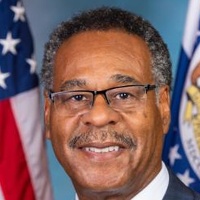
Emanuel Cleaver
Representative
MO
Emanuel Cleaver
Representative
MO
The Building Unity through Dual Sponsors (BUDS) Resolution amends House rules to allow public bills and resolutions to have two primary sponsors, provided one is from the majority party and the other from the minority party. This formalizes bipartisan introduction of legislation from the outset. The resolution also adjusts related rules concerning cosponsorship and required submission statements for these jointly sponsored measures.
The MARITIME Act establishes U.S. policy to ensure that rising sea levels do not diminish the sovereign status or established maritime zones of coastal nations, and mandates a report on diplomatic efforts to promote this stance internationally.
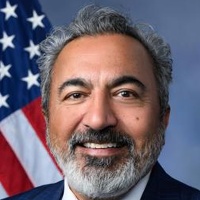
Ami Bera
Representative
CA
Ami Bera
Representative
CA
The MARITIME Act establishes the official U.S. policy that rising sea levels must not diminish a nation's sovereignty or shrink its established maritime zones, such as fishing and economic areas. The law commits the U.S. to supporting international efforts, particularly those by Pacific island nations, to officially map and secure their coastlines under existing international law. Furthermore, it mandates the Secretary of State to report on diplomatic efforts to encourage other nations to adopt this protective stance.
This resolution commemorates the victims of the 1989 Tiananmen Square massacre while condemning the Chinese Communist Party's ongoing suppression of human rights and freedoms in mainland China and Hong Kong.
Ami Bera
Representative
CA
Ami Bera
Representative
CA
This resolution formally condemns the Chinese Communist Party for the 1989 Tiananmen Square massacre and its ongoing crackdown on human rights and freedoms in mainland China and Hong Kong. It demands that the PRC cease censorship regarding the massacre and uphold its commitments to Hong Kong's autonomy. Furthermore, the resolution expresses solidarity with victims and calls for accountability regarding abuses in Xinjiang and the suppression of democracy.
This act updates WIC terminology and mandates the development of specialized nutrition education and outreach for participants affected by substance use disorder.
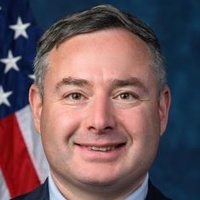
Eugene Vindman
Representative
VA
Eugene Vindman
Representative
VA
The Supporting Healthy Mothers and Infants Act of 2025 updates the WIC program by replacing outdated terminology with "substance use disorder." This legislation mandates the development of specialized, evidence-based nutrition education materials for WIC participants affected by substance use disorder. Furthermore, it requires the Secretary of Agriculture to actively reach out to and support these families through training and resource sharing. The Act authorizes $1 million for fiscal year 2026 to implement these new support activities.
The HOME Act of 2025 improves VA guidance for lenders on veteran residual income, establishes a voluntary financial counseling option for VA loan recipients, creates a database of adapted housing for sale, and mandates outreach to veterans residing in U.S. Territories.
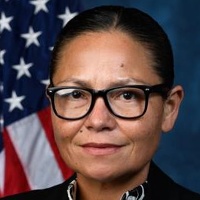
Kimberlyn King-Hinds
Representative
MP
Kimberlyn King-Hinds
Representative
MP
The Heroes Owning and Materializing Equity (HOME) Act of 2025 aims to improve VA home loan processes for veterans. It mandates clearer guidance for lenders on veteran residual income and establishes voluntary financial counseling options. Additionally, the bill requires the VA to create a database of pre-adapted homes for sale and mandates proactive outreach to veterans residing in U.S. Territories regarding their benefits.
The **Sustaining America’s Fisheries for the Future Act of 2025** comprehensively modernizes U.S. fisheries management by mandating climate resilience planning, supporting coastal communities, increasing transparency, advancing scientific data collection, and strengthening ecosystem-based conservation.
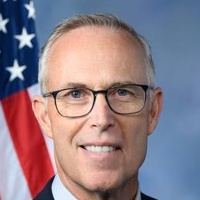
Jared Huffman
Representative
CA
Jared Huffman
Representative
CA
The Sustaining America’s Fisheries for the Future Act of 2025 is a comprehensive bill designed to modernize U.S. fisheries management by explicitly incorporating climate change resilience into all planning and decision-making. It strengthens support for fishing communities through new infrastructure grants and formal recognition of subsistence fishing, while significantly increasing transparency and Tribal representation on regional management councils. Finally, the Act mandates the modernization of scientific data collection through technology and tightens ecological standards for habitat protection and bycatch reduction.
This resolution officially designates the Friday before Memorial Day as National Poppy Day to honor veterans and encourage the wearing of the poppy as a symbol of remembrance.

André Carson
Representative
IN
André Carson
Representative
IN
This resolution officially designates the Friday before Memorial Day as **National Poppy Day** to honor U.S. veterans. It recognizes the poppy as a long-standing symbol of remembrance for those who died in service, inspired by World War I. The bill encourages all citizens to wear a red poppy on this day to show appreciation for our fallen service members.
This resolution calls upon all Americans to observe Memorial Day 2025 by honoring the service members who died defending freedom and peace.
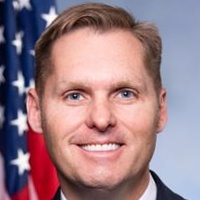
Michael Guest
Representative
MS
Michael Guest
Representative
MS
This resolution calls upon all Americans to observe Memorial Day, 2025, as a solemn occasion to honor the men and women of the Armed Forces who made the ultimate sacrifice in the pursuit of freedom and peace. Congress recognizes the profound debt owed to these patriots who have died defending American values globally. The bill encourages a national expression of respect, pride, and gratitude for their service and sacrifice.
This bill establishes a 25% tax credit for purchasing U.S.-made circuit boards and substrates while also creating a $3 billion federal incentive program to boost domestic manufacturing and research in these critical electronic components.
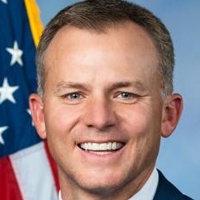
Blake Moore
Representative
UT
Blake Moore
Representative
UT
The Protecting Circuit Boards and Substrates Act establishes a 25% tax credit for purchasing U.S.-made printed circuit boards and integrated circuit substrates starting in 2026. It also creates a federal incentive program, managed by the Commerce Department, to provide up to $3 billion in funding to boost domestic manufacturing and research and development in these critical electronic components. The program prioritizes national security needs, workforce development, and supports for small and diverse-owned businesses.
This Act mandates the mapping of critical global ports and requires a joint State and Defense Department report analyzing foreign influence, particularly from China, to secure U.S. strategic interests.
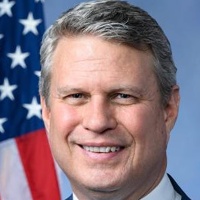
Bill Huizenga
Representative
MI
Bill Huizenga
Representative
MI
The Strategic Ports Reporting Act mandates that the Secretaries of State and Defense map critical global ports and report on any efforts by the People's Republic of China to gain influence over them. This legislation requires a detailed study assessing the national security and economic risks posed by Chinese control of these strategic locations. The resulting report must include a proposed strategy for securing trusted investment and protecting these vital maritime assets from foreign influence.
The FREE Act mandates federal agencies to develop and implement a "permitting by rule" system to streamline and expedite permit issuance based on applicant certification of compliance with established standards.

Celeste Maloy
Representative
UT
Celeste Maloy
Representative
UT
The Full Responsibility and Expedited Enforcement (FREE) Act mandates that federal agencies develop and implement a "permitting by rule" system as an alternative to slow, traditional permitting processes. This new system requires applicants to certify compliance with written standards, streamlining approval with a 180-day automatic grant deadline if the agency fails to act. Agencies retain the right to audit and enforce compliance after permits are issued, with the burden of proof shifting to the agency during appeals.
This act increases the penalty-free withdrawal limit from retirement accounts for first-time homebuyers from $\$10,000$ to $\$50,000$.
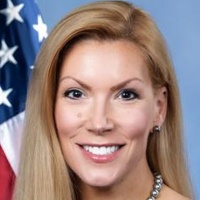
Beth Van Duyne
Representative
TX
Beth Van Duyne
Representative
TX
The Uplifting First-Time Homebuyers Act of 2025 significantly increases the penalty-free withdrawal limit from retirement accounts for first-time homebuyers. This legislation raises the maximum allowable distribution from $\$10,000$ to $\$50,000$. This change is designed to provide greater financial flexibility for individuals purchasing their first home, taking effect for tax years beginning after December 31, 2024.
This Act codifies the Six Assurances made to Taiwan and establishes a mandatory Congressional review process for any executive action that would alter U.S. policy regarding arms sales, mediation, or Taiwan's sovereignty status.
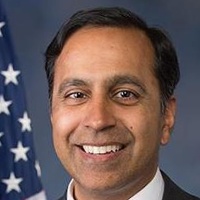
Raja Krishnamoorthi
Representative
IL
Raja Krishnamoorthi
Representative
IL
The Six Assurances to Taiwan Act codifies the historical U.S. commitments known as the Six Assurances, reinforcing the foundation of U.S. policy toward Taiwan. It explicitly states that the U.S. has not agreed to set a date for ending arms sales or to consult with Beijing on those sales. Furthermore, the Act establishes a mandatory Congressional review process before the President can pause arms sales or take actions that significantly alter the U.S. position on Taiwan's sovereignty. This legislation aims to ensure stability in the Taiwan Strait by upholding these long-standing policy guidelines.
The Pacific Ready Coast Guard Act establishes a Center of Expertise for Indo-Pacific maritime governance, mandates annual operational planning and budgeting for Coast Guard activities in the Pacific, and requires several feasibility studies regarding permanent task forces, forward operating bases, and embassy attaché staffing in the region.
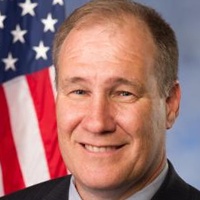
Trent Kelly
Representative
MS
Trent Kelly
Representative
MS
The Pacific Ready Coast Guard Act establishes a Center of Expertise for Indo-Pacific Maritime Governance to enhance regional training and cooperation. It mandates the Coast Guard to produce an annual operational plan and budget specifically for Pacific activities, aligning with State and Defense goals. Furthermore, the bill requires several key reports assessing the feasibility of a standing maritime group, the need for forward operating bases, and the expansion of Coast Guard diplomatic attaché presence in the region.