Legislative Activity
Track James's sponsored bills, co-sponsored legislation, and voting record
This act establishes a federal grant program to help law enforcement officers afford and access childcare during their off-hours.
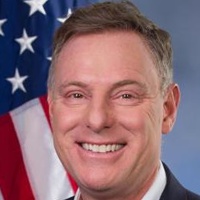
Scott Peters
Representative
CA
Scott Peters
Representative
CA
The Providing Child Care for Police Officers Act of 2025 establishes a new federal grant program to help law enforcement officers secure childcare during non-traditional hours. Administered by HHS, these competitive grants will fund local agencies to offer subsidies, start new facilities, or cover operational costs for officers. The program requires state agencies to apply and secure matching funds, with a sunset date of September 30, 2030.
This bill expands the Family and Medical Leave Act (FMLA) to grant eligible employees up to 26 weeks of leave to care for a covered service member or for their own service-related injuries, while also broadening the definition of "family" for military leave purposes.
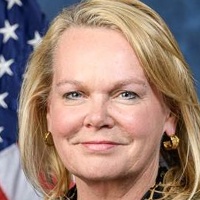
April McClain Delaney
Representative
MD
April McClain Delaney
Representative
MD
The MIL FMLA Act significantly expands existing family and medical leave protections under the FMLA for military families and veterans. It broadens the definition of covered family relationships to include domestic partners and other close relations when caring for a service member. The bill establishes a new entitlement of up to 26 workweeks of leave for caring for a covered service member or for a service member's own serious service-related injury or illness. These changes also apply to federal civilian employees, updating definitions and leave entitlements within Title 5 of the U.S. Code.
This Act establishes severe penalties for fraud targeting critical infrastructure and mandates sanctions, including asset blocking and entry bans, against foreign persons who knowingly access such systems to harm U.S. national security.
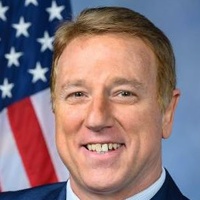
Patrick Fallon
Representative
TX
Patrick Fallon
Representative
TX
The Protecting Critical Infrastructure Act significantly increases penalties for fraud targeting essential systems like power grids and communication networks, mandating decades-long prison sentences. Furthermore, it requires the President to impose strict sanctions, including asset freezes and entry bans, on foreign persons who knowingly access U.S. critical infrastructure to harm national security. The bill grants the President authority under IEEPA to enforce these measures, with specific reporting requirements to Congress.
This Act establishes an optional block grant program allowing states to receive a lump sum of federal funds for post-disaster temporary housing instead of the standard individual application process.
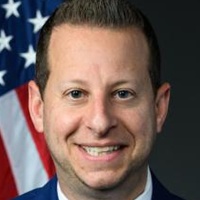
Jared Moskowitz
Representative
FL
Jared Moskowitz
Representative
FL
The Disaster Housing Flexibility Act of 2025 establishes an optional Alternative Block Grant Program allowing states to receive a lump sum of federal funds for temporary disaster housing instead of the standard individual application process. This program requires FEMA to estimate the total assistance cost, which states can then manage directly. If funds remain after recovery, states may repurpose the surplus for eligible preparedness or mitigation activities. States accepting the grant must adhere to strict reporting requirements detailing fund usage and effectiveness.
This bill requires the Treasury Secretary to determine if Hong Kong is a major money laundering concern and mandates a State Department report on Hong Kong's role in sanctions and export control violations involving Russia, Iran, and China.
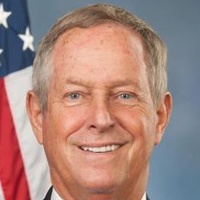
Joe Wilson
Representative
SC
Joe Wilson
Representative
SC
This bill mandates the Treasury Secretary to determine if Hong Kong should be designated as a jurisdiction of primary money laundering concern. Furthermore, it requires the State Department to report on Hong Kong's role in facilitating violations of U.S. export controls and sanctions against adversaries like Russia and Iran. The report must also assess the impact of Hong Kong's National Security Law on financial compliance.
The MEGOBARI Act suspends the U.S.-Georgia Strategic Partnership Commission and authorizes sanctions against Georgian officials who undermine democracy or Western integration, while outlining a strategy to support Georgia's Euro-Atlantic path.
Joe Wilson
Representative
SC
Joe Wilson
Representative
SC
The MEGOBARI Act expresses Congress's concern over Georgia's democratic backsliding and growing alignment with authoritarian states. It directs the Secretary of State to suspend the U.S.-Georgia Strategic Partnership Commission until Georgia demonstrates commitment to democratic principles and EU/NATO aspirations. Furthermore, the Act establishes a policy supporting Georgia's Western trajectory while mandating reports on Russian influence and authorizing targeted sanctions against officials undermining Georgian democracy or stability.
This bill exempts the shipment of energy products and equipment between the contiguous United States and noncontiguous areas from certain maritime transportation restrictions.

Ritchie Torres
Representative
NY
Ritchie Torres
Representative
NY
The Noncontiguous Energy Relief and Access Act of 2025 creates a specific exemption for shipping essential energy products and equipment between the mainland United States and noncontiguous areas like Alaska, Hawaii, and Puerto Rico. This change waives certain existing maritime restrictions for the transport of fuel, generators, and related materials necessary for energy infrastructure in these regions. The goal is to streamline the movement of vital energy supplies to these territories.
The Shipbuilding and Harbor Infrastructure for Prosperity and Security for America Act of 2025 establishes a centralized maritime authority, creates a dedicated funding trust, strengthens sealift capability, mandates increased use of U.S.-flagged vessels, invests heavily in domestic shipbuilding, and enhances workforce development and tax incentives for the maritime industry.
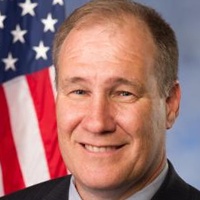
Trent Kelly
Representative
MS
Trent Kelly
Representative
MS
The **Shipbuilding and Harbor Infrastructure for Prosperity and Security for America Act of 2025** is a comprehensive bill designed to revitalize the U.S. maritime industry and secure critical supply chains. It establishes new centralized oversight for maritime policy, creates a dedicated Maritime Security Trust Fund financed by new vessel taxes, and mandates significant federal investment in domestic shipbuilding and workforce development. The legislation also imposes stricter cargo preference rules and tax incentives to ensure U.S.-flagged vessels dominate international commerce and defense sealift operations.
This bill eliminates the federal Medicaid funding caps for U.S. territories beginning in fiscal year 2025.
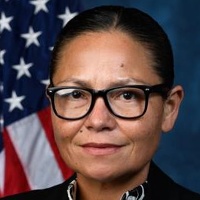
Kimberlyn King-Hinds
Representative
MP
Kimberlyn King-Hinds
Representative
MP
The Medicaid Improvement for Insular Areas Act of 2025 aims to significantly boost healthcare funding in U.S. territories. This bill eliminates the existing federal spending caps on Medicaid for Puerto Rico, the Virgin Islands, Guam, the Northern Mariana Islands, and American Samoa. Effective in fiscal year 2025, this change ensures these territories receive full federal Medicaid support without current funding restrictions.
This act establishes a grant program to provide financial assistance to eligible rural hospitals for facility upgrades and operational costs to ensure continued local access to care.
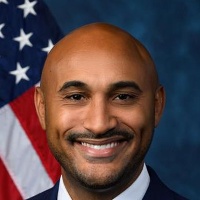
Shomari Figures
Representative
AL
Shomari Figures
Representative
AL
The Rural Hospital Stabilization Act of 2025 establishes a new federal grant program to provide financial assistance to qualifying rural hospitals. These grants can be used for facility upgrades or to cover essential operational costs, ensuring continued local access to care. Hospitals must demonstrate a plan for long-term sustainability to receive funding, which is capped at $5 million per facility over five years.
This Act establishes Easter Monday as a new legal public holiday in the United States.
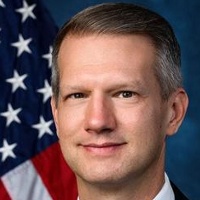
Riley Moore
Representative
WV
Riley Moore
Representative
WV
The Easter Monday Act of 2025 officially establishes Easter Monday as a new legal public holiday in the United States. This legislation amends federal law to insert Easter Monday into the official list of recognized federal holidays. Consequently, Easter Monday will be observed by federal employees and agencies with the same status as existing holidays.
This act officially recognizes accounting education as part of a well-rounded curriculum to improve access to accounting programs, especially for underrepresented students.
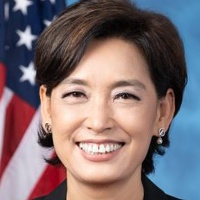
Young Kim
Representative
CA
Young Kim
Representative
CA
The Accounting STEM Pursuit Act of 2025 officially recognizes accounting education as a vital component of a well-rounded K-12 curriculum. This legislation amends federal education law to ensure accounting is counted within core curriculum planning frameworks. The Act specifically directs states and districts to improve access to quality accounting programs, with a focus on increasing opportunities for underrepresented students.
The Housing Supply Frameworks Act directs the federal government to create guidelines and best practices for state and local governments to reform restrictive zoning and land-use regulations to increase housing supply across all income levels.
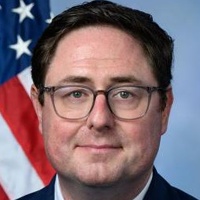
Mike Flood
Representative
NE
Mike Flood
Representative
NE
The Housing Supply Frameworks Act aims to address the national housing shortage by encouraging state and local governments to reform restrictive zoning and land use regulations. It directs the Department of Housing and Urban Development (HUD) to develop and publish comprehensive guidelines and best practices for these reforms. The Act also establishes reporting requirements to track the adoption of these new frameworks and authorizes funding to support these efforts.
This Act establishes a federal tax credit for individuals who donate to high-performing charter school organizations for expansion purposes, subject to annual caps and specific spending requirements.
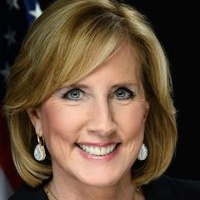
Claudia Tenney
Representative
NY
Claudia Tenney
Representative
NY
The High-Quality Charter Schools Act establishes a new federal tax credit for individuals who donate to eligible, high-performing charter school organizations for expansion purposes. This credit is set at 75% of the qualified contribution, subject to annual income limitations and an overall national cap of $5 billion starting in 2026. The bill also mandates specific spending deadlines for recipient organizations and ensures that participation does not subject these charter schools to government control. These provisions will take effect for tax years beginning after December 31, 2025.
The National Biotechnology Initiative Act of 2025 establishes a coordinated federal effort, led by a new Coordination Office, to advance U.S. national security, economic productivity, and competitiveness through biotechnology research, development, and commercialization.
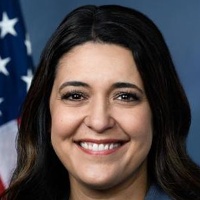
Stephanie Bice
Representative
OK
Stephanie Bice
Representative
OK
The National Biotechnology Initiative Act of 2025 establishes a comprehensive, whole-of-government effort to advance U.S. leadership in biotechnology for national security and economic competitiveness. This Act creates the National Biotechnology Initiative, overseen by a new National Biotechnology Coordination Office within the Executive Office of the President. Participating federal agencies are mandated to coordinate strategies across research, data management, biomanufacturing, regulatory streamlining, and workforce development. The law also establishes mechanisms for interagency coordination, public reporting, and the development of a national biotechnology strategy.
This bill mandates the development of a modernized 10-year strategy by the Secretaries of HHS and Defense to ensure the nation has sufficient anthrax countermeasures to protect civilians and service members.
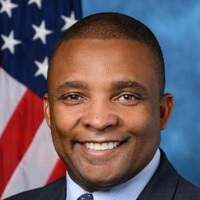
Donald Davis
Representative
NC
Donald Davis
Representative
NC
The Protecting American Families and Servicemembers from Anthrax Act mandates the Secretaries of Health and Human Services and Defense to develop a modernized 10-year strategy to defend against the anthrax threat. This plan must ensure a sustainable supply of anthrax countermeasures for the Strategic National Stockpile and outline protections for civilians and military families. The Secretaries are required to submit an initial classified report detailing the threat and the full strategy to Congress within 180 days, followed by annual updates.
The Save Our Seas 2.0 Amendments Act restructures the Marine Debris Act, updates NOAA's funding authority, makes significant organizational and oversight changes to the Marine Debris Foundation, and clarifies key definitions, including those related to Tribal engagement.
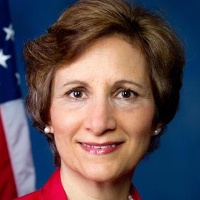
Suzanne Bonamici
Representative
OR
Suzanne Bonamici
Representative
OR
The Save Our Seas 2.0 Amendments Act primarily restructures and updates the existing Marine Debris Act to improve how the National Oceanic and Atmospheric Administration (NOAA) manages cleanup projects, including new authority for in-kind contributions. The bill also makes significant structural and operational changes to the Marine Debris Foundation, expanding its focus to include explicit outreach to Indian Tribes. Finally, the legislation cleans up numerous cross-references, renumbers sections, and updates official titles throughout the relevant laws to align with the new framework.
This Act imposes sweeping, mandatory sanctions, tariffs, and investment prohibitions on the Russian Federation and its affiliates until Russia negotiates a lasting peace with Ukraine.
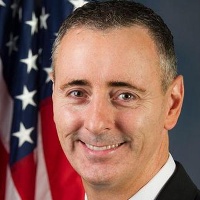
Brian Fitzpatrick
Representative
PA
Brian Fitzpatrick
Representative
PA
The Sanctioning Russia Act of 2025 imposes sweeping economic penalties on the Russian Federation in response to its aggression against Ukraine. This legislation mandates severe, immediate sanctions against key Russian officials, financial institutions, and energy sector entities, including asset freezes and trade prohibitions. Furthermore, the Act dramatically increases import duties on Russian goods and requires the President to review and reimpose these measures until Russia negotiates a lasting peace with Ukraine.
The Taiwan Allies Fund Act establishes a fund to provide financial assistance to nations facing pressure from the PRC for maintaining ties with Taiwan, while also encouraging deeper U.S. support for Taiwan's international presence.
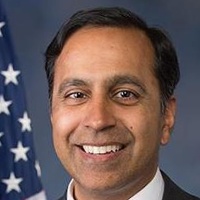
Raja Krishnamoorthi
Representative
IL
Raja Krishnamoorthi
Representative
IL
The Taiwan Allies Fund Act establishes a dedicated fund to support countries that maintain relationships with Taiwan despite pressure from the People's Republic of China (PRC). This fund authorizes up to $40 million annually for fiscal years 2026 through 2028 to help eligible nations counter PRC coercion. Aid will focus on strengthening democratic partnerships, supporting Taiwan's international participation, and offering alternatives to PRC economic influence. The Secretary of State will manage the fund, coordinating with Taiwan, and must report annually to Congress on the fund's activities and Taiwan's matching contributions.
The Hot Foods Act of 2025 lifts the general ban on purchasing ready-to-eat hot foods with SNAP benefits while imposing a sales cap on retailers that primarily sell such items.

Grace Meng
Representative
NY
Grace Meng
Representative
NY
The Hot Foods Act of 2025 removes the general federal ban on using Supplemental Nutrition Assistance Program (SNAP) benefits to purchase hot, ready-to-eat foods. This legislation clarifies that hot foods are now eligible for purchase with SNAP benefits, while also setting a new rule that limits SNAP-participating retailers to deriving no more than 50% of their gross sales from these ready-to-eat hot items. The act updates existing statutes to reflect this expanded purchasing power for recipients.