
Legislative Activity
Track Mariannette's sponsored bills, co-sponsored legislation, and voting record
This bill establishes national reciprocity for concealed carry permits, allowing individuals legally permitted to carry in their home state to carry a handgun in any other state that allows concealed carry.

Richard Hudson
Representative
NC
Richard Hudson
Representative
NC
The Constitutional Concealed Carry Reciprocity Act of 2025 establishes a national standard for carrying concealed handguns across state lines. This act allows individuals legally permitted to carry in their home state to carry concealed in any other state that allows its residents to carry concealed firearms. The law does not override private property restrictions or prohibitions on government property, but it provides protections and legal recourse for those traveling in compliance with the new federal standard.
This bill mandates the National Weather Service to replace its current instant messaging system with a modern, commercially available, public cloud-hosted solution by October 1, 2027, funded through existing appropriations.

Randy Feenstra
Representative
IA
Randy Feenstra
Representative
IA
This bill, the National Weather Service Communications Improvement Act, mandates the replacement of the current NWSChat instant messaging system with a modern, commercially available, public cloud-hosted solution by October 1, 2027. The new system must meet standards for scalability and usability. Funding for this upgrade, up to \$3 million annually from 2026 to 2029, will be sourced from the existing NWS Operations, Research, and Facilities budget.
The WING Act of 2025 establishes a research program to develop and implement solutions for maintaining accurate weather radar detection despite obstructions like wind turbines and buildings.
Randy Feenstra
Representative
IA
Randy Feenstra
Representative
IA
The Weather Innovation for the Next Generation Act of 2025 (WING Act) establishes a new research program to ensure the accuracy of weather radar systems despite physical obstructions like wind turbines and buildings. This initiative directs the National Weather Service to develop and test new technologies and forecasting methods to mitigate issues such as beam blockage and ghost echoes. The program will prioritize proven fixes and require annual reports to Congress until its conclusion in 2030.
This act permanently establishes a 7-year recovery period for the depreciation of motorsports entertainment complexes for tax purposes.

Claudia Tenney
Representative
NY
Claudia Tenney
Representative
NY
The Motorsports Fairness and Permanency Act of 2025 makes permanent a significant tax benefit for motorsports entertainment complexes. This legislation ensures these large venues can continue to use an accelerated 7-year recovery period for depreciating their building costs. By removing the previous expiration date, the Act provides long-term financial certainty for the industry.
This bill revises physician self-referral rules to create a special exemption for certain rural, physician-owned hospitals and removes expansion restrictions for existing physician-owned hospitals.

H. Griffith
Representative
VA
H. Griffith
Representative
VA
The Physician Led and Rural Access to Quality Care Act revises physician self-referral rules to improve healthcare access in underserved areas. Specifically, it creates a new exception allowing physician self-referrals to hospitals located in designated rural areas that meet specific distance requirements. Furthermore, the bill removes existing restrictions that previously limited the expansion of services at physician-owned hospitals.
The Comparison of Sustainable Transportation Act (COST Act) mandates cost analyses for converting the federal fleet to electric or flex-fuel vehicles and requires an analysis of the lifecycle emissions of these vehicle types compared to gasoline vehicles.
Randy Feenstra
Representative
IA
Randy Feenstra
Representative
IA
The Comparison of Sustainable Transportation Act (COST Act) mandates two key studies comparing alternative fuel options for the federal fleet. First, it requires a cost analysis for replacing gasoline vehicles with either electric vehicles (EVs/PHEVs) or flex-fuel ethanol vehicles, including infrastructure costs. Second, it directs an analysis of the full lifecycle emissions for gasoline, flex-fuel, and electric vehicles. Both studies must be completed and made public within one year of enactment.
The Innovative FEED Act of 2025 establishes a new regulatory pathway under the FDA for substances added to animal food intended to modify digestive byproducts, reduce foodborne pathogens, or alter gut function without providing nutrition.

Nicholas Langworthy
Representative
NY
Nicholas Langworthy
Representative
NY
The Innovative FEED Act of 2025 establishes a new regulatory category for "zootechnical animal food substances" intended to modify animal digestive byproducts or reduce foodborne pathogens without treating disease. This bill mandates that these new substances must undergo the standard food additive approval process with the FDA, requiring petitioners to provide extensive data on their intended effects. Approval is contingent upon proving the substance achieves its claimed function under proposed use conditions, and all resulting animal food must carry a specific disclaimer stating it is not for disease treatment.
This Act updates Medicare coverage and payment rules for home infusion therapy starting in 2026 to ensure continued patient access, clarify covered services, and adjust supplier reimbursement.

Vern Buchanan
Representative
FL
Vern Buchanan
Representative
FL
The Preserving Patient Access to Home Infusion Act updates Medicare coverage and payment rules for home infusion therapy starting in 2026 to ensure continued patient access. The bill explicitly adds pharmacy services to covered home infusion care and clarifies payment calculations for suppliers, including transitional rules based on infusion hours. Furthermore, it expands who can establish and review patient care plans to include nurse practitioners and physician assistants. Finally, the Act modifies definitions and payment rules for certain non-pump infusion drugs and stops separate Medicare payment for specific disposable supplies when infusion therapy is already being reimbursed.
This Act establishes the authority to create trusted trade agreements to diversify and strengthen the U.S. medical supply chain against future crises.

Nicole Malliotakis
Representative
NY
Nicole Malliotakis
Representative
NY
The Medical Supply Chain Resiliency Act aims to secure the U.S. supply of critical medical goods by diversifying trade relationships and reducing reliance on high-risk sources. It authorizes the President to enter into special "trusted trade partner agreements" that lower trade barriers with reliable allies. These agreements focus on regulatory cooperation, intellectual property protection, and ensuring supply chain stability during public health emergencies. The bill also establishes strict reporting and oversight mechanisms for Congress before any such agreement can take effect.
This bill restores protections to prevent private health insurance plans from discriminating against dialysis patients with End-Stage Renal Disease (ESRD) or shifting their treatment costs unfairly onto Medicare.

Mike Kelly
Representative
PA
Mike Kelly
Representative
PA
The Restore Protections for Dialysis Patients Act aims to prevent private health insurance plans from discriminating against patients with End-Stage Renal Disease (ESRD). This legislation clarifies that plans cannot offer worse benefits or unfairly limit coverage for dialysis treatments compared to other medical services. Furthermore, it stops these plans from shifting the primary financial responsibility for ESRD care onto Medicare. The bill maintains existing rules ensuring fair treatment while preserving a health plan's ability to select its network of dialysis providers.
The Major Richard Star Act ensures that military retirees with combat-related disabilities can concurrently receive their full military retirement pay and VA disability compensation without reduction.

Gus Bilirakis
Representative
FL
Gus Bilirakis
Representative
FL
The Major Richard Star Act ensures that military retirees with combat-related disabilities can receive both their military retirement pay and VA disability compensation concurrently without reduction. This law removes previous restrictions that caused military retirement pay to be offset by VA disability payments for these specific cases. The changes take effect on the first day of the month following the Act's enactment.
This bill reauthorizes funding for children's hospital graduate medical education programs through 2030 while restricting payments to hospitals that provide certain gender-affirming surgeries and medications to minors.

Dan Crenshaw
Representative
TX
Dan Crenshaw
Representative
TX
The Children’s Hospital GME Support Reauthorization Act of 2025 extends critical federal funding for graduate medical education programs at children's hospitals through fiscal year 2030. The bill increases annual funding allocations for the program during this extension period. Notably, it introduces a new restriction that prohibits payments to hospitals that provided certain gender-affirming surgeries and high-dose hormone treatments to minors in the preceding year, with specific exceptions for emergency care and treatment of certain medical conditions.
This bill seeks to nullify the EPA’s rule regarding waste emissions charges for petroleum and natural gas systems.
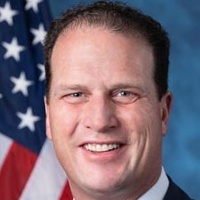
August Pfluger
Representative
TX
August Pfluger
Representative
TX
This resolution seeks to exercise congressional disapproval of the EPA’s "Waste Emissions Charge for Petroleum and Natural Gas Systems" rule. If passed, the measure would nullify the rule, ensuring it has no legal force or effect.
This Act extends the eligibility period for beginning and veteran farmers and ranchers to receive enhanced crop insurance premium assistance.
Randy Feenstra
Representative
IA
Randy Feenstra
Representative
IA
The Crop Insurance for Future Farmers Act expands eligibility for enhanced crop insurance support by increasing the definition of a "beginning farmer or rancher" from five to ten crop years. This legislation also extends the qualifying period for "veteran farmers and ranchers" under the same terms. Furthermore, it restructures the premium assistance structure for these groups, providing tiered, decreasing levels of extra financial help over their first ten years of participation.
The REDI Act allows medical and dental interns and residents to defer both principal and interest payments on their student loans while in training.

Brian Babin
Representative
TX
Brian Babin
Representative
TX
The Resident Education Deferred Interest (REDI) Act amends federal student loan regulations to provide a specific deferment for medical and dental residents. This allows borrowers currently serving in an internship or residency program to pause principal payments and prevent interest accrual on their student loans during that training period.
This Act eliminates the waiting periods for Social Security disability benefits and Medicare coverage for individuals diagnosed with metastatic breast cancer.

Andrew Garbarino
Representative
NY
Andrew Garbarino
Representative
NY
The Metastatic Breast Cancer Access to Care Act aims to improve support for individuals diagnosed with metastatic breast cancer. This bill eliminates the standard waiting period for receiving Social Security disability insurance benefits and waives the 24-month waiting period for Medicare coverage. These changes ensure immediate access to crucial financial and healthcare support upon diagnosis.
This bill allows investors to defer taxes on capital gain dividends from mutual funds when those dividends are automatically reinvested until the shares are sold or the investor passes away.

Beth Van Duyne
Representative
TX
Beth Van Duyne
Representative
TX
This bill, the Generating Retirement Ownership through Long-Term Holding Act, allows individual investors to defer paying taxes on capital gain dividends from mutual funds if those dividends are automatically reinvested into more fund shares. Taxes on these deferred gains are only due when the investor sells the shares or upon death. This provision aims to encourage long-term investment in mutual funds by providing immediate tax relief on reinvested earnings.
This bill mandates an annual report assessing U.S. reliance on China for critical agricultural inputs and recommends strategies to boost domestic or allied production.

Ashley Hinson
Representative
IA
Ashley Hinson
Representative
IA
The Securing American Agriculture Act mandates an annual report from the Secretary of Agriculture detailing U.S. reliance on China for critical farming supplies like fertilizers, seeds, and veterinary drugs. This study must assess domestic production capabilities and identify supply chain vulnerabilities that China could exploit. The goal is to provide Congress with actionable recommendations for reducing dependency through onshore or nearshore production.
This Act establishes a program to automatically reduce the interest rate on eligible federal student loans to 2.0 percent and sets the future interest rate for new direct loans at 2.0 percent.

Michael Lawler
Representative
NY
Michael Lawler
Representative
NY
The Affordable Loans for Students Act establishes a sweeping program to lower student debt burdens by automatically refinancing eligible federal loans held by the government to a fixed 2.0% interest rate. It also creates procedures for refinancing other federal loans into new Direct Consolidation Loans at the same low 2.0% rate, without origination fees. Furthermore, new federal student loans disbursed after the Act's enactment will also carry a fixed 2.0% interest rate.
This bill reauthorizes and modifies the pilot program supporting state and regional medical stockpiles, extending funding through fiscal year 2030 and adding new requirements for sharing best practices and regional coordination.

Earl Carter
Representative
GA
Earl Carter
Representative
GA
The State Strategic Stockpile Act of 2025 primarily focuses on reauthorizing and refining the pilot program that supports state and regional medical supply stockpiles. This bill extends the program's operational timeline through 2025 and mandates increased coordination and sharing of best practices among participating states. Additionally, it updates reporting requirements for the Government Accountability Office (GAO) to specifically assess the effectiveness of regional stockpiling efforts.