Legislative Activity
Track Mariannette's sponsored bills, co-sponsored legislation, and voting record
The FARMLAND Act of 2025 aims to protect U.S. agriculture by restricting foreign investment, increasing oversight, and enforcing regulations against foreign entities of concern.
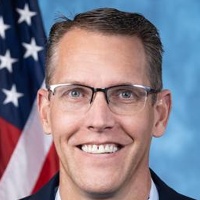
Randy Feenstra
Representative
IA
Randy Feenstra
Representative
IA
The FARMLAND Act of 2025 aims to protect U.S. agriculture and national security by modernizing and enforcing laws against malign foreign investments in U.S. agricultural land and businesses, particularly from countries of concern. It increases penalties for non-compliance with reporting requirements, mandates detailed reports on foreign land ownership and potential threats, and enhances the Committee on Foreign Investment in the United States (CFIUS) authority to review real estate transactions involving foreign entities. The act also directs the creation of a comprehensive database of foreign-owned agricultural land and prohibits foreign individuals/entities from participating in Farm Service Agency programs. Finally, the act authorizes appropriations for secure workspace construction, database development, and other activities related to enforcing the act.
This bill establishes a process for setting Medicare payment rates for new medical technologies specifically designed for children.
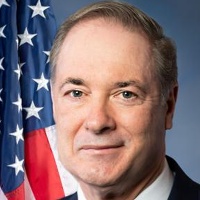
John Joyce
Representative
PA
John Joyce
Representative
PA
The Access to Pediatric Technologies Act of 2025 aims to establish clear Medicare payment rates for new medical tools specifically designed for children. This bill mandates that the Secretary establish national relative value units (RVUs) for qualifying pediatric technologies upon manufacturer request and sufficient data submission. The goal is to ensure these specialized pediatric devices receive appropriate reimbursement under the physician fee schedule starting in 2026.
The SPEED for BEAD Act aims to streamline broadband deployment by modifying the Infrastructure Investment and Jobs Act, preventing unnecessary regulations, and prioritizing efficient use of funds for broadband expansion.
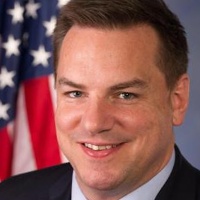
Richard Hudson
Representative
NC
Richard Hudson
Representative
NC
The SPEED for BEAD Act amends the Infrastructure Investment and Jobs Act to streamline broadband deployment grants. It renames the "Equity" program to "Expansion," allows funds for workforce development, and permits removal of high-cost locations from project areas. The act also prohibits certain conditions related to labor, climate change, and network management, and ensures consideration of all broadband technologies.
The ACRE Act of 2025 creates a federal tax exemption for qualified lenders on interest earned from loans secured by rural or agricultural real property, excluding loans to foreign adversary entities.
Randy Feenstra
Representative
IA
Randy Feenstra
Representative
IA
The Access to Credit for our Rural Economy Act of 2025 (ACRE Act) creates a new federal tax incentive for qualified lenders. This incentive excludes income earned from interest on loans secured by rural or agricultural real property from taxation. The goal is to encourage lending for agricultural, forestry, and certain rural home improvement purposes while prohibiting loans to foreign adversary entities.
The "Roberto Clemente Commemorative Coin Act" directs the Treasury to mint coins in 2027 honoring Roberto Clemente, with surcharges benefiting the Roberto Clemente Foundation.
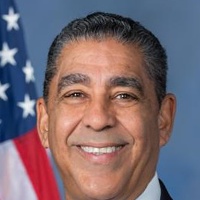
Adriano Espaillat
Representative
NY
Adriano Espaillat
Representative
NY
The Roberto Clemente Commemorative Coin Act directs the Department of Treasury to mint and issue gold, silver, and half-dollar coins in 2027 to commemorate the life and legacy of Roberto Clemente. The coins' designs will represent Clemente's life, including his baseball achievements and humanitarian work. Surcharges from the coin sales will benefit the Roberto Clemente Foundation, supporting their educational programs, youth sports initiatives, disaster relief efforts, and historic preservation projects. The Act ensures that the coin program will not incur any net cost to the United States government.
This bill modifies the definition of "qualifying single source drug" under the Social Security Act to include certain advanced drugs using genetically targeted technology for a limited time.
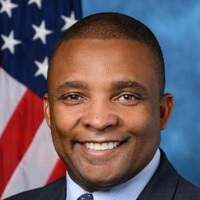
Donald Davis
Representative
NC
Donald Davis
Representative
NC
The "Maintaining Investments in New Innovation Act" amends the Social Security Act's definition of "qualifying single source drug" to include advanced drugs using genetically targeted technology. This update applies to drugs that can modify gene function, potentially impacting drug pricing and access regulations under the Act.
The "Farm to Fly Act of 2025" aims to boost sustainable aviation fuel production and usage by including it in USDA bioenergy programs, supporting farmers, and promoting rural economic development.
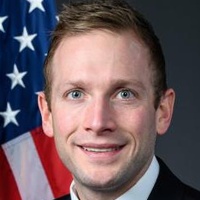
Max Miller
Representative
OH
Max Miller
Representative
OH
The "Farm to Fly Act of 2025" aims to boost the production and use of sustainable aviation fuels by including them in Department of Agriculture bio-energy programs. It amends existing definitions to recognize sustainable aviation fuel and directs the Secretary of Agriculture to promote its development through collaborative initiatives and manufacturing assistance. This act supports U.S. agriculture, enhances energy security, and promotes clean energy in the aviation sector by utilizing sustainable biomass resources.
The "PLUS for Veterans Act of 2025" aims to protect veterans by clarifying who can assist with VA claims, regulating fees charged by agents and attorneys, and reinstating penalties for unauthorized charges.
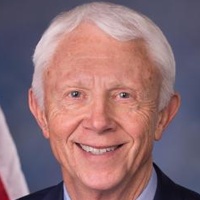
Jack Bergman
Representative
MI
Jack Bergman
Representative
MI
The PLUS for Veterans Act of 2025 aims to protect veterans by clarifying who can assist with VA claims, reinstating penalties for charging unauthorized fees, and ensuring fair representation. It requires agents and attorneys to apply for recognition, limits fees for initial claims, and mandates transparency regarding free services available to veterans. The Act also overrides conflicting state laws to ensure consistent enforcement of these protections.
To award a Congressional Gold Medal to the 761st Tank Battalion, the first Black soldiers to serve in an American armored unit, for their valor and crucial contributions to the Allied victory in Europe.
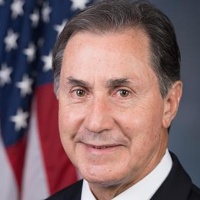
Gary Palmer
Representative
AL
Gary Palmer
Representative
AL
This bill authorizes the Speaker of the House and the President pro tempore of the Senate to award a Congressional Gold Medal to the 761st Tank Battalion, also known as the "Black Panthers," in recognition of their courageous service and crucial contributions during World War II. The medal will be given to the National Museum of African American History and Culture for display, honoring the 761st as the first Black soldiers to serve in an American armored unit and their significant role in the Allied victory in Europe. The bill also allows for the creation and sale of bronze duplicates of the medal to support the United States Mint Public Enterprise Fund.
This resolution condemns the Iranian regime’s terrorism and human rights abuses while affirming support for the Iranian people’s right to establish a democratic, secular, and non-nuclear republic.
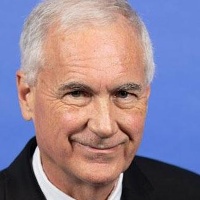
Tom McClintock
Representative
CA
Tom McClintock
Representative
CA
This resolution condemns the Iranian regime for its ongoing human rights abuses, state-sponsored terrorism, and regional instability. It expresses strong support for the Iranian people's struggle for a democratic, secular, and non-nuclear republic. Furthermore, the bill advocates for international accountability for the regime's crimes and calls for the protection of Iranian political refugees.
Prohibits the purchase of real estate near U.S. federal lands by agents or businesses associated with the government of the People's Republic of China with 25% or more equity interest.
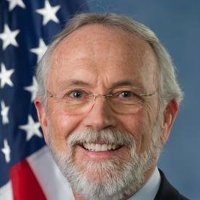
Dan Newhouse
Representative
WA
Dan Newhouse
Representative
WA
The "No American Land for Communist China Act" prohibits the President from allowing individuals or entities associated with the Chinese government from purchasing real estate near covered federal lands. Covered lands include those managed by the Departments of Interior, Defense, Agriculture (Forest Service), and Energy, as well as Indian country. This restriction applies to entities with at least 25% equity interest held by Chinese government-affiliated individuals or businesses. The Act defines "United States" broadly to include states, territories, and other U.S. possessions.
This bill adds the Secretary of Agriculture to the Committee on Foreign Investment in the United States (CFIUS) and requires CFIUS to review agricultural land transactions, especially those involving entities from China, North Korea, Russia, or Iran.
Dan Newhouse
Representative
WA
Dan Newhouse
Representative
WA
The "Protecting American Agriculture from Foreign Adversaries Act of 2025" adds the Secretary of Agriculture to the Committee on Foreign Investment in the United States (CFIUS) for agricultural matters. It mandates CFIUS review of agricultural land transactions, particularly those involving entities from China, North Korea, Russia, or Iran, to safeguard American agriculture. This ensures scrutiny of foreign investments in agricultural land and related industries, addressing potential threats to national security. The requirements for a specific country will end if that country is removed from the list of foreign adversaries in section 791.4 of title 15, Code of Federal Regulations.
The "Medical Device Electronic Labeling Act" allows medical device manufacturers to provide labeling electronically, provided it is easily accessible and paper copies are available upon request, while maintaining device safety and effectiveness.
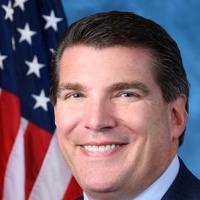
Jay Obernolte
Representative
CA
Jay Obernolte
Representative
CA
The "Medical Device Electronic Labeling Act" amends the Federal Food, Drug, and Cosmetic Act, permitting manufacturers to provide device labeling electronically, provided it is easily accessible. Paper copies must be available upon request without charge, and the device label itself must still comply with current regulations. The Secretary can implement additional requirements or exceptions for electronic labeling to ensure device safety and effectiveness.
This bill authorizes the creation of a Congressional Gold Medal to honor the volunteers and communities involved with the North Platte Canteen during World War II.
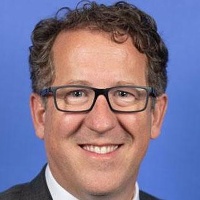
Adrian Smith
Representative
NE
Adrian Smith
Representative
NE
The North Platte Canteen Congressional Gold Medal Act recognizes and honors the volunteers and donors of the North Platte Canteen in Nebraska during World War II with a Congressional Gold Medal. This medal will be presented by the Speaker of the House and the President pro tempore of the Senate, and then displayed at the Lincoln County Historical Museum. The Act also authorizes the creation and sale of bronze duplicates of the gold medal to cover production costs, with proceeds deposited into the Mint's Public Enterprise Fund.
Prohibits federal funding for the FDA's rule on laboratory developed tests.
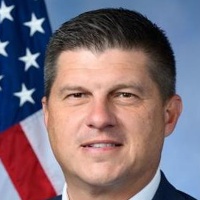
Brad Finstad
Representative
MN
Brad Finstad
Representative
MN
This bill prohibits the use of federal funds to implement or enforce the Food and Drug Administration's final rule regarding the regulation of laboratory developed tests as medical devices.
This bill equalizes the negotiation period for drug price negotiations under the Drug Price Negotiation Program by extending the period for small-molecule drugs from 7 years to 11 years, matching that of biologic drugs.
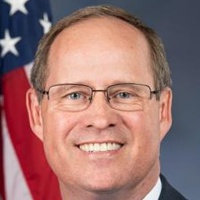
Gregory Murphy
Representative
NC
Gregory Murphy
Representative
NC
This bill amends the Social Security Act to equalize the negotiation period for drug price negotiations under the Drug Price Negotiation Program. It changes the negotiation period for small-molecule drugs from 7 years to 11 years, matching the period already in place for biologic drugs. This adjustment aims to create parity in negotiation timelines between different types of medications, effective as if included in the original legislation.
The "Accelerating Kids’ Access to Care Act of 2025" streamlines Medicaid and CHIP enrollment for out-of-state providers, increasing healthcare access for children.
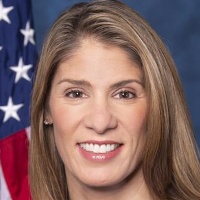
Lori Trahan
Representative
MA
Lori Trahan
Representative
MA
The "Accelerating Kids Access to Care Act of 2025" streamlines the enrollment process for out-of-state healthcare providers in Medicaid and CHIP, ensuring children under 21 have access to care from eligible providers across state lines. By reducing administrative burdens and unnecessary screening requirements, the Act aims to improve healthcare access for children while maintaining necessary safeguards against fraud and abuse. Participating providers will be enrolled for a 5-year period, and the changes will take effect three years after the Act's enactment.
The "SBA Disaster Transparency Act" mandates the Small Business Administration to publicly post reports on disaster assistance submitted to Congress on its website.
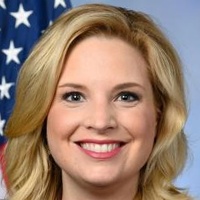
Ashley Hinson
Representative
IA
Ashley Hinson
Representative
IA
The SBA Disaster Transparency Act requires the Small Business Administration (SBA) to publish reports related to disaster assistance on its website. This ensures transparency by making information accessible to the public after the reports are submitted to Representatives.
The "CURD Act" formally defines "natural cheese" to help consumers distinguish it from processed cheese, ensuring consistent labeling and preventing misuse of the term.
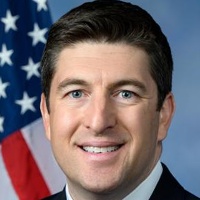
Bryan Steil
Representative
WI
Bryan Steil
Representative
WI
The "Codifying Useful Regulatory Definitions Act" defines "natural cheese" to differentiate it from processed cheese products, setting standards for its composition, ingredients, and labeling. It ensures that only products meeting the defined criteria can be labeled as "natural cheese," while allowing "natural" or "all-natural" claims consistent with existing regulations. This act aims to provide clarity for consumers and consistency in labeling requirements across the country.
The Agent Raul Gonzalez Officer Safety Act establishes federal criminal penalties and immigration consequences for individuals who use a motor vehicle to evade law enforcement near the U.S. border.
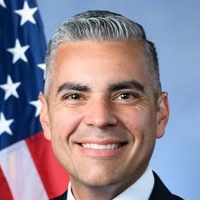
Juan Ciscomani
Representative
AZ
Juan Ciscomani
Representative
AZ
The Agent Raul Gonzalez Officer Safety Act establishes a new federal criminal offense for using a motor vehicle to evade law enforcement near the U.S. border, with penalties increasing significantly if the act results in injury or death. Additionally, the bill mandates that non-citizens convicted of this offense are inadmissible to the U.S., subject to deportation, and ineligible for immigration relief such as asylum. The legislation also requires the Attorney General to submit annual reports to Congress detailing enforcement data and prosecution outcomes.