
Legislative Activity
Track John's sponsored bills, co-sponsored legislation, and voting record
The MATCH Act mandates stricter export controls on semiconductor manufacturing equipment to countries of concern and requires the U.S. to coordinate with allied nations to prevent the transfer of critical technology to adversarial entities.
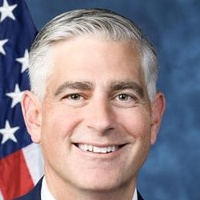
Michael Baumgartner
Representative
WA
Michael Baumgartner
Representative
WA
The Multilateral Alignment of Technology Controls on Hardware (MATCH) Act aims to protect U.S. national security by restricting adversary access to advanced semiconductor manufacturing equipment. The bill mandates diplomatic efforts to align export controls with allied nations and establishes a framework to impose strict U.S. regulations if those partners fail to implement sufficient safeguards. By targeting specific entities and facilities in countries of concern, the legislation seeks to close gaps in the current export control regime and maintain America’s technological advantage.
This bill establishes a whistleblower incentive and protection program within the Department of Commerce to encourage reporting of violations of U.S. export control laws, particularly concerning advanced AI chips.
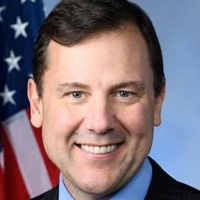
Thomas Kean
Representative
NJ
Thomas Kean
Representative
NJ
This bill, the "Stop Stealing our Chips Act," establishes a new whistleblower incentive and protection program within the Department of Commerce. It rewards individuals who provide original information leading to successful enforcement actions against violations of U.S. export control laws, particularly concerning advanced AI chips. The legislation also prohibits employers from retaliating against whistleblowers who report these violations.
This Act establishes penalties and restrictions to deter foreign adversaries from stealing proprietary, closed-source artificial intelligence models owned by U.S. entities through model extraction attacks.
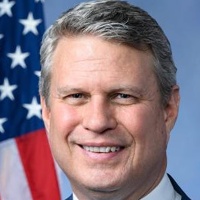
Bill Huizenga
Representative
MI
Bill Huizenga
Representative
MI
The Deterring American AI Model Theft Act of 2026 aims to protect proprietary, closed-source Artificial Intelligence models owned by U.S. entities from theft by foreign adversaries. It establishes new legal restrictions and penalties targeting "model extraction attacks" used by designated "entities of concern" to replicate advanced AI capabilities. The bill mandates government assessments, public reporting, and grants the President authority to impose sanctions against those found violating these provisions.
This Act repeals the federal beneficial ownership information reporting requirements for domestic persons and entities, limiting them only to foreign individuals and foreign-connected companies, and mandates the deletion of existing domestic data.
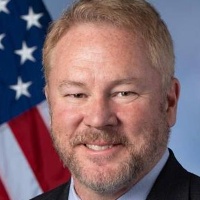
Warren Davidson
Representative
OH
Warren Davidson
Representative
OH
The Repealing Big Brother Overreach Act significantly narrows the federal beneficial ownership information reporting requirements. This legislation limits reporting obligations exclusively to foreign individuals and foreign-connected companies. Furthermore, it mandates the deletion of all previously collected data pertaining to domestic persons and entities.
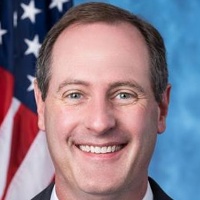
This bill designates April as Distracted Driving Awareness Month to promote efforts to prevent crashes, deaths, and injuries caused by distracted driving.
Tracey Mann
Representative
KS
Tracey Mann
Representative
KS
This bill officially designates April as National Distracted Driving Awareness Month to combat the rising number of tragic crashes caused by distracted driving. It highlights the severe dangers of visual, manual, and cognitive distractions, such as texting while driving. The resolution supports ongoing public education and enforcement efforts aimed at encouraging drivers to put away their phones and focus solely on the road.
This resolution honors the University of Michigan Wolverines for their historic 2026 NCAA Division I Men's Basketball Championship victory.

Debbie Dingell
Representative
MI
Debbie Dingell
Representative
MI
This resolution formally congratulates the University of Michigan men's basketball team on winning the 2026 NCAA Division I National Championship. It honors the players, coaching staff, and the university community for their historic season and record-breaking performance. The bill further invites the team to be recognized at the United States Capitol for their achievement.
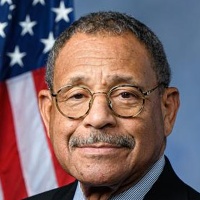
This resolution commends the American Chemical Society on its 150th anniversary and recognizes its enduring contributions to scientific innovation, education, and the economic strength of the United States.
Sanford Bishop
Representative
GA
Sanford Bishop
Representative
GA
This resolution commemorates the American Chemical Society’s 150th anniversary, honoring its long-standing contributions to scientific innovation, economic growth, and national security. It recognizes the organization's vital role in advancing chemistry and reaffirms a commitment to promoting STEM education for future generations.
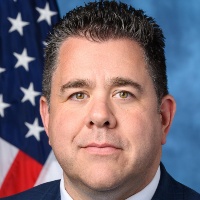
The Interstate Ferry Fairness Act expands federal funding eligibility under the Ferry Boat Program to include qualifying privately owned ferry boats and terminal facilities that serve interstate routes.
Nicolas LaLota
Representative
NY
Nicolas LaLota
Representative
NY
The Interstate Ferry Fairness Act expands the federal Ferry Boat Program to include privately owned ferry boats and terminal facilities that provide substantial public benefits. This legislation allows private operators on qualifying interstate routes to access federal construction and maintenance funding, provided they adhere to regulated fare structures. The bill aims to improve surface transportation connectivity by integrating private ferry services into the national infrastructure framework.
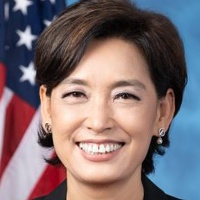
This resolution condemns China's coercive actions against Japan following statements on Taiwan and reaffirms the U.S. commitment to its Indo-Pacific allies.
Young Kim
Representative
CA
Young Kim
Representative
CA
This resolution condemns the People's Republic of China's coercive military and economic actions against Japan following statements regarding Taiwan. It reaffirms the strong U.S.-Japan alliance and commitment to regional stability. Furthermore, the bill calls on the PRC to cease its pressure tactics and urges the U.S. to work with allies to counter such coercion in the Indo-Pacific.
This Act mandates the implementation of security mechanisms on advanced integrated circuit products before export to protect U.S. technology and enhance national security.
Bill Huizenga
Representative
MI
Bill Huizenga
Representative
MI
The Chip Security Act mandates the installation of security mechanisms on advanced integrated circuit products before they are exported from the United States. These requirements aim to verify chip location, prevent diversion, and protect U.S. technological leadership. The Secretary of Commerce must also study and implement additional security features to enhance export control enforcement and national security.
This bill repeals recent modifications to the calculation of adjusted taxable income, restoring previous standards for business interest expense deductions starting in 2026.
Ron Estes
Representative
KS
Ron Estes
Representative
KS
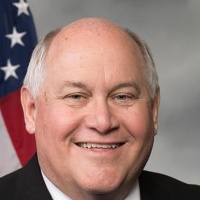
The Ensuring Better Interest Treatment and Deductibility (EBITDA) Act repeals recent modifications to the calculation of adjusted taxable income regarding business interest limitations. By removing these specific constraints, the bill aims to restore previous tax treatment standards for businesses starting in the 2026 tax year.
This bill prohibits federal agencies from banning the use of lead ammunition and tackle on federal lands and waters unless specific, evidence-based criteria and state-level coordination requirements are met.

Robert Wittman
Representative
VA
Robert Wittman
Representative
VA
The Protecting Access for Hunters and Anglers Act prevents federal agencies from banning the use of lead ammunition and tackle on federal lands and waters open to hunting and fishing. Exceptions to this rule are only permitted if specific, site-based field data proves lead is causing a wildlife population decline and the action is approved by or consistent with state wildlife policies.
The Enhanced Iran Sanctions Act of 2025 mandates broad economic and immigration sanctions on foreign individuals, entities, and financial institutions that support Iran’s nuclear, missile, drone, or terrorist activities, while specifically targeting the country's petroleum and petrochemical sectors.

Michael Lawler
Representative
NY
Michael Lawler
Representative
NY
The Enhanced Iran Sanctions Act of 2025 strengthens U.S. policy by imposing mandatory sanctions on foreign persons and financial institutions that support Iran’s nuclear, ballistic missile, drone, and terrorist activities. The bill specifically targets Iran’s petroleum and petrochemical sectors to cut off funding for these malign programs. Additionally, it expands the State Department’s "Rewards for Justice" program to incentivize the reporting of individuals who evade these sanctions.
The Tribal Tax and Investment Reform Act of 2026 aims to promote tribal economic development and sovereignty by aligning federal tax and benefit policies for Indian Tribal Governments with those of state and local governments.
Gwen Moore
Representative
WI
Gwen Moore
Representative
WI
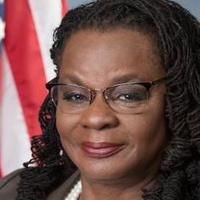
The Tribal Tax and Investment Reform Act of 2026 aims to achieve tax parity for Tribal governments by aligning federal tax treatment with that of state and local governments. The bill facilitates economic development by expanding access to tax-exempt bond financing, creating new tax credits for tribal area investments, and extending the Indian employment tax credit. Additionally, it clarifies the tax status of tribal pension plans, charitable foundations, and specific health-related scholarship and loan repayment programs to support tribal self-governance and community well-being.
The Justice for Allie Act establishes a federal crime for the sexual exploitation of vulnerable adults through the coerced transmission of intimate visual depictions.

Haley Stevens
Representative
MI
Haley Stevens
Representative
MI
The Justice for Allie Act establishes a new federal crime to protect vulnerable adults from sexual exploitation. This legislation criminalizes the coercion of individuals with specific developmental or cognitive disabilities into sending intimate visual depictions when the intent is to cause physical, psychological, financial, or reputational harm.
This bill prohibits federal agencies from providing funding or support for the creation or maintenance of state-level firearm ownership databases, with exceptions for records of lost or stolen weapons.

Paul Gosar
Representative
AZ
Paul Gosar
Representative
AZ
The Gun Owner Registration Information Protection Act prohibits federal agencies from providing funding or support for the creation and maintenance of state-level firearm ownership databases. This legislation ensures that federal resources cannot be used to track lawful gun owners, with a specific exception for databases tracking lost or stolen firearms.
This Act reforms the H-2B temporary worker program by adjusting visa caps, exempting rural employers, increasing penalties for fraud, mandating safety plans, prohibiting worker fees, and strengthening program integrity and eligibility requirements.
Jack Bergman
Representative
MI
Jack Bergman
Representative
MI
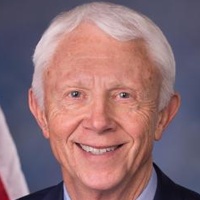
The Closing the Workforce Gap Act of 2026 reforms the H-2B temporary worker program by adjusting the annual visa cap based on prior need and exempting certain rural employers. The bill also increases penalties for employer fraud, mandates written workplace safety plans, and prohibits recruiters from charging fees to workers. Finally, it establishes new integrity measures, including country eligibility requirements and strict employer notification rules for worker absences or early departures.
This bill expresses support for the National FFA Organization by designating February 21-28, 2026, as National FFA Week and celebrating the 50th anniversary of the Alaska State FFA Association.
Tracey Mann
Representative
KS
Tracey Mann
Representative
KS
This resolution expresses support for the National FFA Organization and designates February 21–28, 2026, as National FFA Week. It recognizes the FFA's vital role in developing future leaders through agricultural education. The bill also celebrates the 50th anniversary of the chartering of the Alaska State FFA Association.
This resolution congratulates and honors the Michigan athletes who competed in the 2026 Olympic and Paralympic Games in Italy.
Debbie Dingell
Representative
MI
Debbie Dingell
Representative
MI
This resolution congratulates and honors the dedicated Olympians and Paralympians from Michigan who competed in the 2026 Milano Cortina Games. It recognizes their patriotic efforts, highlights the significance of the Games in promoting peace, and specifically names the Michigan athletes who represented Team USA. The resolution celebrates their heroic accomplishments and contributions to the United States.
The Iran Human Rights, Internet Freedom, and Accountability Act of 2026 aims to support the Iranian people by expanding internet access, strengthening sanctions against regime officials, and establishing a Treasury initiative to combat Iranian government corruption and kleptocracy.
Michael Lawler
Representative
NY
Michael Lawler
Representative
NY
The Iran Human Rights, Internet Freedom, and Accountability Act of 2026 aims to support the Iranian people by expanding access to uncensored internet and communication technologies. The bill strengthens U.S. policy against regime repression by mandating investigations into human rights abuses and establishing a new Treasury initiative to combat corruption and money laundering by Iranian officials. Additionally, it enhances congressional oversight of sanctions and promotes independent media to counter state-sponsored censorship.