The CBW Fentanyl Act mandates presidential investigations and escalating sanctions against foreign governments and individuals involved in the development or distribution of chemical and biological weapons, including specific fentanyl precursors.
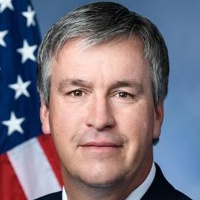
Barry Moore
Representative
AL-1
The Countering Beijing's Weaponization of Fentanyl (CBW) Act amends the Chemical and Biological Weapons Control and Warfare Elimination Act of 1991 to mandate investigations and escalating sanctions against foreign governments and officials involved in the development or distribution of chemical and biological weapons, including specific fentanyl precursors. The bill establishes strict reporting requirements for the President and provides a framework for imposing severe economic and trade penalties on countries that fail to address such harmful activities.
New Fentanyl Act Mandates Escalating Trade Sanctions and Investigative Deadlines for Foreign Officials Within 60 Days
The CBW Fentanyl Act is a major legislative pivot that treats the production of fentanyl precursors like chemical warfare. By amending the Chemical and Biological Weapons Control and Warfare Elimination Act of 1991, this bill expands the U.S. government’s definition of a 'chemical program' to specifically include benzylfentanyl, 4-anilinopiperidine, and norfentanyl. The goal is simple: if a foreign official or government agent is caught helping manufacture or distribute these precursors knowing they will cause harm, the U.S. is legally required to drop the hammer on that country’s economy.
The 60-Day Clock and Personal Accountability
Under Section 3, the President no longer has the luxury of 'wait and see.' If there is credible info that a foreign official committed a 'covered act'—essentially any action involving a chemical program that injures another country—the President has exactly 60 days to make a determination. If they're found responsible, personal sanctions under Section 310 kick in immediately. Think of it as a professional blacklist: the bill requires the President to look at whether the foreign entity tried to hide info or if they’re actually playing by the rules of international treaties. For anyone working in international trade or shipping, this means the people you do business with across the globe could suddenly become 'persona non grata' with very little lead time.
Escalating Economic Consequences
This isn't just about individual bad actors; Section 4 targets entire national economies through a three-stage escalation. Within 30 days of a finding, the U.S. must cut off all scientific cooperation and stop buying any goods or services from that country’s chemical or biological sectors. If the foreign government doesn't clean up its act within 120 days, the President must pick two more 'heavy hitters,' which could include killing foreign aid or blocking export licenses for electronics and machinery controlled under the Export Control Reform Act of 2018. For a local business owner who relies on imported specialty chemicals or a tech worker whose company exports components, these mandatory shifts could disrupt supply chains overnight.
The 'Nuclear Option' for Finance
If a country still hasn't made restitution or fixed the problem after 210 days, the bill triggers a total financial freeze. Section 4 mandates a prohibition on any transaction involving that country’s financial interests that passes through a U.S. bank. This is the ultimate economic 'off' switch. While the President can issue a 180-day waiver for national security, that power expires after five years. Because the bill defines 'foreign governmental entity' broadly enough to include any company receiving 'significant material support' from their government, the reach of these sanctions could extend far beyond politicians and into the factories and labs that fuel the global market.