The Interstate Ferry Fairness Act expands federal funding eligibility under the Ferry Boat Program to include qualifying privately owned ferry boats and terminal facilities that serve interstate routes.
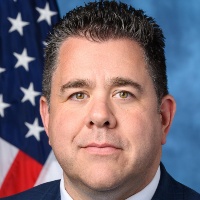
Nicolas LaLota
Representative
NY-1
The Interstate Ferry Fairness Act expands the federal Ferry Boat Program to include privately owned ferry boats and terminal facilities that provide substantial public benefits. This legislation allows private operators on qualifying interstate routes to access federal construction and maintenance funding, provided they adhere to regulated fare structures. The bill aims to improve surface transportation connectivity by integrating private ferry services into the national infrastructure framework.
Interstate Ferry Fairness Act Opens Federal Funding to Private Operators: New Fare Caps and Profit Limits Set to Begin in One Year
The Interstate Ferry Fairness Act aims to bridge the gap between public and private transportation by allowing privately owned ferry boats and terminals to tap into the federal Ferry Boat Program. Under current law, this federal cash is largely reserved for public agencies. This bill changes the game by making private companies eligible for construction and purchase funds, provided they operate routes between two states or connect public roads. For example, a private ferry company running a route between New Jersey and New York could suddenly qualify for the same federal grants used to fix public bridges or highways, provided the Secretary of Transportation decides the service offers a "substantial public benefit."
The Profit Cap and Your Ticket Price
One of the most interesting parts of this bill is how it handles your commute costs. If a private company takes this federal money for an interstate route, they can’t just charge whatever the market will bear. Section 2 of the bill mandates a strict fare structure: the price of a ticket can only cover the actual costs of running the boat—think fuel, maintenance, and staff—plus a "reasonable rate of return" (basically a capped profit) determined by the Secretary of Transportation. This means if you’re a daily commuter on a private line, your fares would be tied to the company’s transparent operating costs rather than a CEO's whim. However, the bill doesn't define exactly what a "reasonable" profit looks like, leaving a lot of power in the hands of government officials to decide how much extra you pay at the toll booth.
Competition for the Commuter Dollar
While this could mean better boats and nicer terminals for passengers, it creates a new challenge for the public systems we already use. By opening the Ferry Boat Program to private players, the bill increases the number of hands reaching into the same pot of federal money. If you rely on a city-run ferry, that system might now be competing for grants against a for-profit corporation. The bill requires these private projects to meet the "foremost needs of the surface transportation system," but it doesn't add new money to the pot—it just invites more people to the table. For taxpayers, the trade-off is clear: your tax dollars could soon be subsidizing a private company’s infrastructure, but in exchange, that company has to play by government rules regarding their profits and maintenance.
Rolling Out the Red Carpet (Slowly)
Don't expect your local private ferry to start a renovation project tomorrow. The Act includes a one-year waiting period after it becomes law before the new eligibility rules kick in. This gives the Department of Transportation time to figure out the math on those "reasonable rates of return" and for private owners to get their books in order. For a small business owner who uses a ferry to move goods between states, this could eventually mean more reliable service or upgraded loading docks. The real-world impact hinges entirely on how the Secretary of Transportation defines "public benefit"—a term that is currently broad enough to include anything from reducing traffic on a nearby bridge to simply providing a faster way across the water.