This Act reforms the H-2B temporary worker program by adjusting visa caps, exempting rural employers, increasing penalties for fraud, mandating safety plans, prohibiting worker fees, and strengthening program integrity and eligibility requirements.
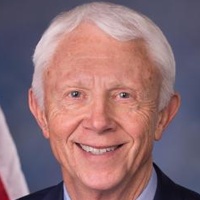
Jack Bergman
Representative
MI-1
The Closing the Workforce Gap Act of 2026 reforms the H-2B temporary worker program by adjusting the annual visa cap based on prior need and exempting certain rural employers. The bill also increases penalties for employer fraud, mandates written workplace safety plans, and prohibits recruiters from charging fees to workers. Finally, it establishes new integrity measures, including country eligibility requirements and strict employer notification rules for worker absences or early departures.
New H-2B Visa Rules: Cap Changes, Rural Exemptions, and Stricter Employer Penalties on the Horizon
Alright, let's talk about the 'Closing the Workforce Gap Act of 2026.' This bill is a significant shake-up for how businesses can hire temporary foreign workers, specifically through the H-2B visa program. Essentially, it’s trying to make it easier for some employers to get the help they need, while also cracking down on bad actors and beefing up worker protections. If you’re a business owner relying on seasonal labor, or an H-2B worker, this one’s definitely for you.
The Cap Just Got a Makeover
First up, the big one: the H-2B visa cap. For years, this has been a fixed number, often leading to a mad dash for visas. This bill, under Section 2, scraps that fixed number. Instead, the annual limit will now be based on the actual number of H-2B positions the Department of Labor certified in the previous fiscal year. Think of it like this: if businesses genuinely needed and got approval for 100,000 H-2B workers last year, the cap for the next year starts at 100,000. This is a pretty big shift, aiming to make the cap more responsive to real economic needs rather than an arbitrary number. Plus, the separate cap for returning workers is now half of this new, dynamic total.
But wait, there's more. Section 2 also carves out a special exemption for what it calls 'rural and seasonal locations.' If an employer is in an area that's not a metro hub and has a population surge of at least 50% during certain times of the year (think tourist towns or agricultural regions), the H-2B workers they hire won't count towards that national cap. This could be a game-changer for businesses in places like resort towns or specialized agriculture that struggle to find local workers for their peak seasons.
Cracking Down on the Crooks
Now, for those employers who might try to play fast and loose with the rules, Section 3 of this bill brings the hammer down. It significantly increases penalties for willful misrepresentation or failing to meet H-2B petition requirements. For example, if an employer lies on an H-2B petition, the penalty jumps from $150 to $350 per violation. More importantly, it makes civil monetary penalties mandatory for violations, ranging from $1,000 to $10,000 per violation. No more discretion for the Secretary of Homeland Security to let things slide. This is a clear signal: integrity in the H-2B program is a serious business.
Safer Workplaces, No More Fees
This bill also steps up protections for H-2B workers. Section 4 mandates that employers must have a written worksite safety and compliance plan. This isn't just about hard hats and safety goggles; these plans must specifically include measures to protect workers from sexual harassment and violence, provide ways to resolve complaints, and prevent retaliation for reporting issues. This plan needs to be posted visibly and given to workers in their language. For anyone who’s ever worried about workplace safety, this is a welcome addition.
Section 5 tackles a really problematic issue: fees. It explicitly prohibits employers and their agents from charging H-2B workers any fees related to the petition process. This means no application fees, no attorney fees, no recruitment costs passed on to the worker. If an employer uses a recruiter, they have to disclose that recruiter’s identity and make sure their contract forbids charging workers. If they find out a recruiter is charging fees, the employer has to terminate that contract. This is huge for preventing the exploitation of vulnerable workers who often arrive in the U.S. already in debt from recruitment fees.
Who Gets In? And Who's Watching?
Section 7 introduces a new layer of eligibility: country designation. H-2B visas will only be approved for nationals from countries specifically designated by the Secretary of Homeland Security, in consultation with the Secretary of State. This designation will be based on factors like fraud rates, visa denial rates, and overstay rates for H-2 visa holders from that country. So, if a country has a high rate of issues, its citizens might not be eligible. However, there’s a catch: the Secretary of Homeland Security can, in their 'sole and unreviewable discretion,' allow a national from a non-listed country if it’s deemed in the U.S. interest. This broad discretionary power could be a double-edged sword, offering flexibility but also raising questions about transparency and potential for inconsistent application.
Finally, Section 8 puts more responsibility on employers to keep the government in the loop. Employers will now need to notify the Department of Homeland Security within three business days if an H-2B worker doesn't show up for work, finishes their job early, or stops working without consent. Failure to do so comes with civil monetary penalties of $500 to $1,000 per violation. This is about tightening oversight and making sure everyone knows who’s where, when.
Overall, this bill is a mixed bag. It offers some much-needed flexibility for certain employers and significantly boosts protections for H-2B workers, which is great. But the broad discretionary powers given to the Secretary of Homeland Security and the potential for a country's citizens to be excluded based on various metrics could lead to some complex situations. It’s a bill that aims to streamline and secure a critical workforce program, but the real-world impact will depend heavily on how these new rules are implemented and enforced.