Legislative Activity
Track Grace's sponsored bills, co-sponsored legislation, and voting record
This resolution designates January 13th as Korean American Day to honor the contributions of Korean Americans and recognize the anniversary of the first Korean immigrants' arrival.
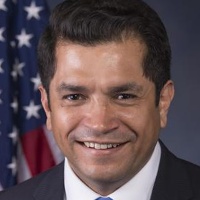
Jimmy Gomez
Representative
CA
Jimmy Gomez
Representative
CA
This resolution officially designates January 13th as Korean American Day. It expresses support for the day's ideals and encourages Americans to observe it. The resolution also honors the 123rd anniversary of the first Korean immigrants arriving in the United States.
This bill expresses support for the Iranian people protesting for a free and democratic Iran while condemning the Islamic Republic's violent repression.
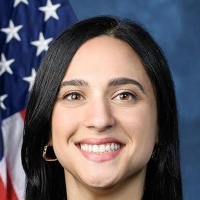
Yassamin Ansari
Representative
AZ
Yassamin Ansari
Representative
AZ
This resolution expresses strong support for the Iranian people protesting for freedom, democracy, and basic human rights against the repressive Islamic Republic. It condemns the regime's brutal crackdown on demonstrators and demands an end to violence and the release of political prisoners. Furthermore, it urges the U.S. government to work with allies to deter further lethal violence against protesters.
This bill establishes a special base pay system that increases the salaries of Bureau of Prisons correctional officers and certain hourly employees by 35 percent for a five-year period, subject to review.

Dan Goldman
Representative
NY
Dan Goldman
Representative
NY
The Federal Correctional Officer Paycheck Protection Act of 2026 establishes a special pay system to increase the base pay for Bureau of Prisons (BOP) correctional officers by 35 percent. This legislation also provides a similar 35 percent wage increase for certain hourly BOP employees involved in inmate custody. The new pay authority is set to expire after five years, unless the Department of Justice Inspector General reports measurable progress in reducing the use of non-custodial staff for officer duties and excessive overtime.
This bill modifies deposits into the Crime Victims Fund by excluding certain False Claims Act recoveries and mandates an Inspector General audit of the Fund's sustainability.
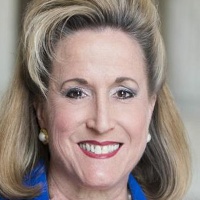
Ann Wagner
Representative
MO
Ann Wagner
Representative
MO
This bill amends the Victims of Crime Act of 1984 to temporarily exclude certain False Claims Act recoveries from being deposited into the Crime Victims Fund through fiscal year 2029. It also mandates a comprehensive audit by the Department of Justice Inspector General on the Fund's sustainability and the impact of recent legislative changes. The resulting report will provide recommendations for improving the Fund's effectiveness and oversight.
This act prohibits federal officials and employees from trading prediction market contracts while possessing material nonpublic government information.
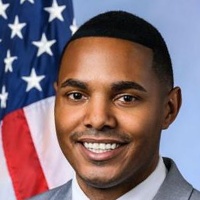
Ritchie Torres
Representative
NY
Ritchie Torres
Representative
NY
The Public Integrity in Financial Prediction Markets Act of 2026 prohibits federal officials and employees from trading in prediction market contracts while possessing material, nonpublic government information. This ban specifically targets transactions related to government policy, actions, or political outcomes. The goal is to prevent insider trading within these emerging financial markets by those with privileged access to government knowledge.
This resolution recognizes the 15th anniversary of the 2011 Tucson shooting, honoring the victims, survivors, and the ongoing advocacy of Gabby Giffords.
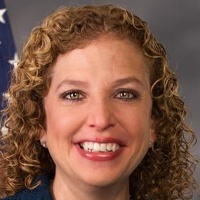
Debbie Wasserman Schultz
Representative
FL
Debbie Wasserman Schultz
Representative
FL
This resolution commemorates the 15th anniversary of the tragic January 8, 2011, Tucson shooting, honoring the six lives lost and the thirteen injured. It specifically commends the courage and ongoing advocacy of gun violence survivor and former Congresswoman Gabby Giffords. The resolution also recognizes the resilience of the community and reaffirms a commitment to ending political violence.
This act mandates the EPA to list all PFAS chemicals with fully fluorinated carbon atoms as hazardous air pollutants and identify their emission source categories under the Clean Air Act.
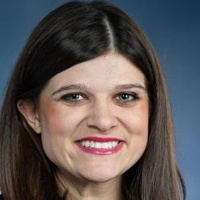
Haley Stevens
Representative
MI
Haley Stevens
Representative
MI
The PROTECT Act of 2026 mandates the Environmental Protection Agency (EPA) to list all perfluoroalkyl and polyfluoroalkyl substances (PFAS) with at least one fully fluorinated carbon atom as hazardous air pollutants. This action requires the EPA to identify and list the specific source categories that emit these newly designated hazardous substances under the Clean Air Act.
This bill mandates a Title VI awareness campaign, requires colleges to post civil rights information, and establishes monthly congressional briefings and annual audits regarding discrimination complaints on campus.
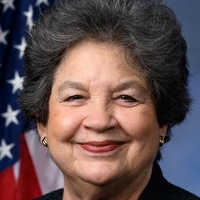
Lois Frankel
Representative
FL
Lois Frankel
Representative
FL
The Protecting Students on Campus Act of 2025 aims to increase awareness of civil rights protections for students under Title VI of the Civil Rights Act. The bill mandates a public awareness campaign and requires colleges receiving federal aid to prominently display links and materials related to filing discrimination complaints. Furthermore, it establishes regular congressional briefings and requires annual reporting and targeted audits on how institutions handle complaints of discrimination based on race, color, or national origin.
This bill imposes comprehensive sanctions on Russia for its war against Ukraine while permanently extending the U.S. sanctions authority against Iran.
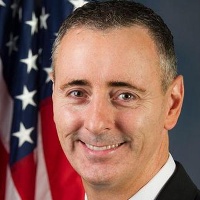
Brian Fitzpatrick
Representative
PA
Brian Fitzpatrick
Representative
PA
The Peace Through Strength Against Russia Act of 2025 imposes comprehensive sanctions on Russia's financial, military, and energy sectors in response to its war against Ukraine. This legislation cuts off major Russian banks from the U.S. financial system and bans new American investment in Russia. Additionally, the bill makes the existing sanctions authority against Iran permanent by removing its expiration date.
The ARMENIA Security Partnership Act mandates a review of U.S. security assistance for Armenia and restricts aid to Azerbaijan unless specific conditions regarding regional peace and human rights are met.

Gus Bilirakis
Representative
FL
Gus Bilirakis
Representative
FL
The ARMENIA Security Partnership Act requires the Secretary of Defense to certify that Azerbaijan has taken specific steps toward peace and regional stability before continuing certain security waivers. If this certification cannot be made, the Act mandates a comprehensive review of Armenia’s defense needs and restricts the President’s authority to waive security assistance limitations. This legislation aims to bolster Armenia’s self-defense capabilities and deter regional aggression.
The Schedules That Work Act establishes rights for employees to request flexible schedules, mandates advance notice and predictability pay for schedule changes in covered sectors, and grants employees rest time between shifts.
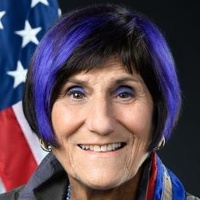
Rosa DeLauro
Representative
CT
Rosa DeLauro
Representative
CT
The Schedules That Work Act aims to provide workers with greater stability and predictability in their work hours. It grants employees the right to request flexible or stable schedules and requires employers to engage in a good-faith discussion about these requests. For covered sector employees (like retail and food service), the bill mandates 14 days' advance notice of schedules and establishes "predictability pay" for last-minute changes or split shifts. The Act also grants employees the right to 11 hours of rest between shifts, with premium pay required if this rest period is violated.
The Fair Competition for Small Business Act of 2025 empowers state attorneys general to sue on behalf of residents for damages resulting from antitrust violations under the Sherman Act.
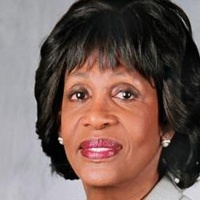
Maxine Waters
Representative
CA
Maxine Waters
Representative
CA
The Fair Competition for Small Business Act of 2025 empowers state attorneys general to file lawsuits on behalf of their residents against companies violating federal antitrust laws. This legislation strengthens consumer protections by allowing states to seek damages for anti-competitive practices under the Sherman Act.
The Essential Caregivers Act of 2025 guarantees nursing home and long-term care residents the right to designate an essential caregiver who maintains access to them even during public health emergencies.
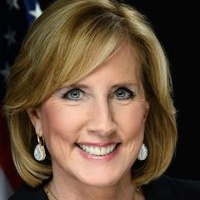
Claudia Tenney
Representative
NY
Claudia Tenney
Representative
NY
The Essential Caregivers Act of 2025 protects the rights of residents in long-term care facilities to designate an essential caregiver who can provide support and companionship. This legislation ensures that these caregivers maintain in-person access to residents even during public health emergencies when general visitation is restricted. By establishing clear protocols and an appeals process, the bill aims to prevent the harmful effects of isolation and ensure residents continue to receive vital care and advocacy.
This act restricts senior government officials and their families from owning or trading specific investments, requiring divestment of existing holdings to restore public trust.
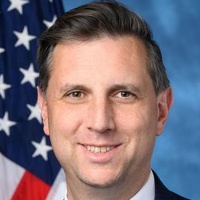
Seth Magaziner
Representative
RI
Seth Magaziner
Representative
RI
The Restore Trust in Government Act establishes strict new federal restrictions on senior government officials and their immediate families regarding the ownership and trading of specific financial investments. Covered individuals must divest existing investments that fall under the law's definition within a set timeframe, with limited exceptions. Violators face significant financial penalties, including a 10% fee on the investment value and disgorgement of any profits earned from prohibited transactions.
This bill officially renames the United States Postal Service facility at 130 North Winton Road in Rochester, New York, as the "Lieutenant James N. Lyons Post Office."
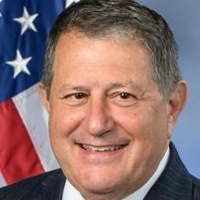
Joseph Morelle
Representative
NY
Joseph Morelle
Representative
NY
This bill officially designates the United States Postal Service facility located at 130 North Winton Road in Rochester, New York, as the "Lieutenant James N. Lyons Post Office." The legislation ensures that all future official references to this location will use the new designated name.
This act nullifies a recent Executive Order regarding federal labor relations and ensures existing collective bargaining agreements remain in effect.
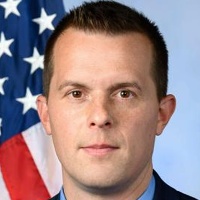
Jared Golden
Representative
ME
Jared Golden
Representative
ME
The Protect America's Workforce Act nullifies a specific Executive Order issued in March 2025 concerning exclusions from federal labor-management relations programs. This legislation ensures that any existing collective bargaining agreements between federal agencies and employee unions remain fully in effect until their stated expiration dates. The Act also prohibits the use of federal funds to implement the overturned Executive Order.
This bill commemorates the 50th anniversary of Southeast Asian refugee resettlement and honors the enduring contributions and sacrifices of Southeast Asian Americans to the United States.
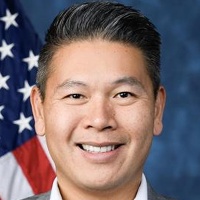
Derek Tran
Representative
CA
Derek Tran
Representative
CA
This bill commemorates the 50th anniversary of Southeast Asian refugee resettlement in the United States, recognizing the profound sacrifices and immense contributions of Southeast Asian Americans. It honors the historical alliance and acknowledges the challenges faced by these communities since their arrival. The legislation celebrates the vibrant cultural and economic impact of over three million Southeast Asian Americans today.
This bill establishes the Federal Food Administration within the Department of Health and Human Services to oversee food safety, inspection, and regulation, transferring relevant authority from the FDA.
Rosa DeLauro
Representative
CT
Rosa DeLauro
Representative
CT
The Federal Food Administration Act of 2025 establishes a new independent agency, the Federal Food Administration, within the Department of Health and Human Services to oversee food safety and nutrition. This Act transfers all food-related regulatory authority from the FDA to this new Administration, led by a Commissioner of Foods. The new agency is mandated to implement a risk-based inspection program for food facilities and promote public health through research and timely action on food products.
This act increases the annual and aggregate loan limits for Federal Direct Unsubsidized Stafford Loans for graduate and professional students, effective July 1, 2026.
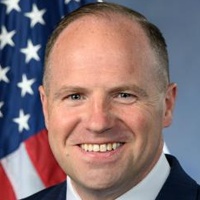
Timothy Kennedy
Representative
NY
Timothy Kennedy
Representative
NY
The Loan Equity for Advanced Professionals Act raises the federal student loan limits for graduate and professional students. Effective July 1, 2026, the annual borrowing limit for Federal Direct Unsubsidized Stafford Loans will increase to \$50,000, and the aggregate limit will rise to \$200,000. This aims to provide greater financial support for advanced degree candidates.
This act waives entrance fees for all National Parks and National Wildlife Refuges on Federal holidays.
Ritchie Torres
Representative
NY
Ritchie Torres
Representative
NY
The Our Parks Act aims to increase public access to federal lands by eliminating entrance fees at National Parks and National Wildlife Refuges on all Federal holidays. This legislation directs the Secretary of the Interior to waive any normally charged admission fees on these designated days.