
Legislative Activity
Track Grace's sponsored bills, co-sponsored legislation, and voting record
The African American History Act of 2026 authorizes the National Museum of African American History and Culture to develop and support educational programs, resources, and curricula to enhance the teaching of African American history nationwide.
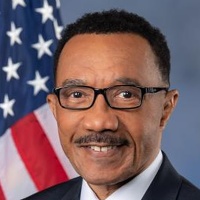
Kweisi Mfume
Representative
MD
Kweisi Mfume
Representative
MD
The African American History Act of 2026 authorizes the National Museum of African American History and Culture to develop and expand educational resources, curricula, and digital programming for students and educators nationwide. By providing $10 million in annual funding through 2030, the Act aims to promote a deeper understanding of African American history through a social justice and anti-bias lens. Additionally, the legislation encourages the development of similar educational initiatives across other Smithsonian museums dedicated to diverse American histories.
This resolution expresses support for designating February 2026 as Hawaiian Language Month to recognize and promote the revitalization of the Native Hawaiian language, ʻŌlelo Hawaiʻi.
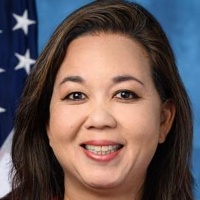
Jill Tokuda
Representative
HI
Jill Tokuda
Representative
HI
This resolution expresses support for designating February 2026 as Hawaiian Language Month, or *ʻŌlelo Hawaiʻi* Month. It recognizes the historical suppression and recent revitalization of the Native Hawaiian language. The bill commits to preserving and promoting *ʻŌlelo Hawaiʻi* and urges public celebration of the month.
This resolution designates Black History Month 2026, honors the contributions of Black Americans through the "Unsung Souls" and "Righteous Intercessors" recognitions, and affirms the importance of a complete national narrative.
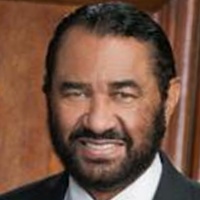
Al Green
Representative
TX
Al Green
Representative
TX
This resolution officially recognizes Black History Month and adopts "A Century of Black History Commemorations" as the theme for 2026. It honors the contributions of Black Americans by establishing categories for "Unsung Souls" and "Righteous Intercessors." Ultimately, the bill affirms that Black history commemorations are essential for a complete national narrative and inspiring future progress toward liberty and justice for all.
The Iran Human Rights, Internet Freedom, and Accountability Act of 2026 aims to support the Iranian people by expanding internet access, strengthening sanctions against regime officials, and establishing a Treasury initiative to combat Iranian government corruption and kleptocracy.
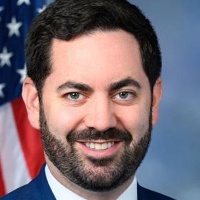
Michael Lawler
Representative
NY
Michael Lawler
Representative
NY
The Iran Human Rights, Internet Freedom, and Accountability Act of 2026 aims to support the Iranian people by expanding access to uncensored internet and communication technologies. The bill strengthens U.S. policy against regime repression by mandating investigations into human rights abuses and establishing a new Treasury initiative to combat corruption and money laundering by Iranian officials. Additionally, it enhances congressional oversight of sanctions and promotes independent media to counter state-sponsored censorship.
The Southeast Asian Deportation Relief Act of 2026 provides relief from detention and removal, grants work authorization, and establishes a process for reopening cases for certain long-term residents from Cambodia, Laos, and Vietnam.
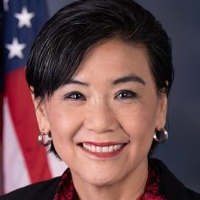
Judy Chu
Representative
CA
Judy Chu
Representative
CA
The Southeast Asian Deportation Relief Act of 2026 provides significant relief for long-term residents from Cambodia, Laos, and Vietnam facing deportation. It prohibits the detention and removal of eligible individuals who entered the U.S. before 2008 and grants them permanent work authorization. Furthermore, the Act establishes a streamlined process for those previously ordered removed to reopen and terminate their immigration cases, effectively vacating past removal orders.
This bill establishes a federal process for Extreme Risk Protection Orders, creates a grant program to incentivize states to adopt similar laws, and mandates the recognition of such orders across state lines.
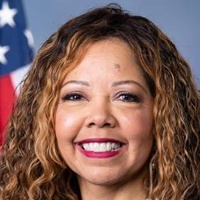
Lucy McBath
Representative
GA
Lucy McBath
Representative
GA
The Federal Extreme Risk Protection Order Act of 2026 establishes a federal process for issuing Extreme Risk Protection Orders (ERPOs) that temporarily prohibit individuals deemed a danger from possessing firearms. The bill allows family members or law enforcement to petition federal courts for temporary or long-term orders based on evidence of imminent risk of harm. Furthermore, it creates a federal grant program to incentivize and support states and tribes in implementing their own qualifying ERPO laws. Finally, it mandates that individuals subject to these federal orders surrender their firearms and ensures these orders are recognized across state lines.
The Representing our Seniors at VA Act of 2026 updates the membership requirements of the VA Geriatrics and Gerontology Advisory Committee to include representatives from veterans service organizations, State homes, and nursing home administration.
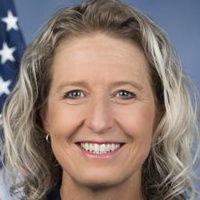
Jennifer Kiggans
Representative
VA
Jennifer Kiggans
Representative
VA
The Representing our Seniors at VA Act of 2026 updates the membership requirements for the Department of Veterans Affairs Geriatrics and Gerontology Advisory Committee. This legislation ensures the committee includes diverse representation from veterans service organizations, State homes, and licensed nursing home administrators to better support aging veterans.
The Healthy Families Act establishes a national standard requiring most employers to provide employees with earned paid sick leave for personal or family health needs and related safety issues.
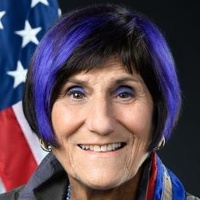
Rosa DeLauro
Representative
CT
Rosa DeLauro
Representative
CT
The Healthy Families Act establishes a national standard requiring most employers to provide employees with earned paid sick leave. Employees will accrue a minimum of one hour of paid time for every 30 hours worked, usable for personal or family health needs, domestic violence, sexual assault, or stalking. The Act prohibits employer retaliation for using this leave and ensures existing, more generous leave policies are not diminished.
This bill establishes a comprehensive Transgender Bill of Rights to codify and protect the rights of transgender and nonbinary people across healthcare, employment, legal recognition, and safety.
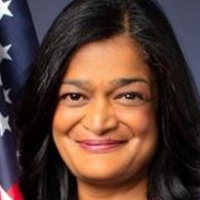
Pramila Jayapal
Representative
WA
Pramila Jayapal
Representative
WA
This resolution establishes a comprehensive Transgender Bill of Rights to codify and protect the rights of transgender and nonbinary people across the United States. It mandates federal action to ensure equal access to healthcare, employment, housing, legal recognition, and safety. The bill aims to eliminate discrimination and affirm bodily autonomy by amending existing federal civil rights laws.
This bill officially renames the United States Postal Service facility in Martville, New York, as the "Sergeant Staret J. Engleston Memorial Post Office Building."

Claudia Tenney
Representative
NY
Claudia Tenney
Representative
NY
This bill officially renames the United States Postal Service facility in Martville, New York, located at 15422 NY 104. The building will now be known as the "Sergeant Staret J. Engleston Memorial Post Office Building." This designation must be used in all future official federal references to the facility.
This Act establishes minimum humane standards for ICE detention facilities, mandates public reporting and real-time health tracking systems, and strengthens oversight to ensure detainee welfare.
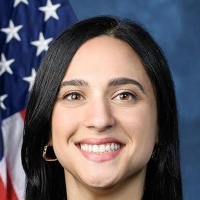
Yassamin Ansari
Representative
AZ
Yassamin Ansari
Representative
AZ
The Stop Inhumane Conditions in ICE Detention Act of 2026 mandates minimum health, safety, and legal standards for all ICE detention facilities, prohibiting funding for non-compliant sites. It establishes rigorous, real-time health reporting systems and requires unannounced inspections with penalties, including contract termination, for facilities that fail to meet these standards. Furthermore, the bill creates anonymous complaint channels and mandates annual audits focusing on gender-related health protections.
This bill seeks to disapprove and nullify the Department of Veterans Affairs' final rule regarding "Reproductive Health Services."
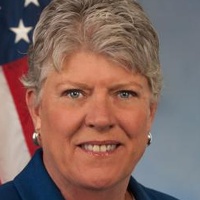
Julia Brownley
Representative
CA
Julia Brownley
Representative
CA
This resolution seeks to disapprove the Department of Veterans Affairs' final rule concerning "Reproductive Health Services" issued in September 2024. If enacted, this disapproval, made under the Congressional Review Act, would prevent the VA rule from taking legal effect.
This resolution expresses the House's sense that protecting women's rights and leadership is critical for Haiti's stability while condemning current failures in centering their needs and calling for urgent human rights measures.
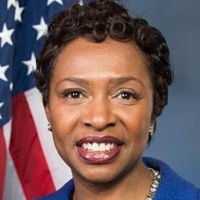
Yvette Clarke
Representative
NY
Yvette Clarke
Representative
NY
This resolution asserts that advancing the rights of women and girls in Haiti is crucial for the nation's stability and successful transition from crisis. It condemns the widespread gender-based violence and the exclusion of women from leadership roles in the transitional government. The bill calls for urgent measures to center women's needs, ensure their representation in government, and prioritize funding for survivor services and accountability for violence.
This Act supports Eastern Mediterranean nations as a strategic gateway for the India-Middle East-Europe Economic Corridor (IMEC) by prioritizing diplomacy, energy security, and defense cooperation.
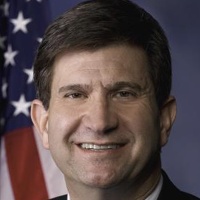
Bradley Schneider
Representative
IL
Bradley Schneider
Representative
IL
The Eastern Mediterranean Gateway Act supports key Eastern Mediterranean nations—Egypt, Greece, Cyprus, and Israel—as strategic partners for the India-Middle East-Europe Economic Corridor (IMEC). The bill directs the U.S. to prioritize diplomatic engagement, energy security, and defense cooperation in the region. It also mandates several reports to Congress detailing implementation, multilateral initiatives, and potential expansions of successful U.S.-Israel partnership models to other regional allies.
This bill redirects federal enforcement funding to significantly increase resources for local police departments through the COPS Hiring Program and the Byrne JAG Program.
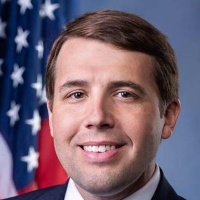
Chris Pappas
Representative
NH
Chris Pappas
Representative
NH
This bill, the PUBLIC SAFETY Act, redirects $2 billion from U.S. Immigration and Customs Enforcement (ICE) to significantly boost the COPS Hiring Program to support local law enforcement. It also allocates an additional $45 billion to the Edward Byrne Memorial Justice Assistance Grant (JAG) Program for local criminal justice initiatives. The legislation aims to increase federal funding available directly to local police departments for hiring and operations.
This bill establishes a Department of Justice Task Force to combat anti-Sikh hate and discrimination through definition, education, and reporting.
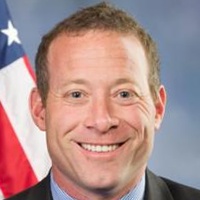
Josh Gottheimer
Representative
NJ
Josh Gottheimer
Representative
NJ
The Sikh American Anti-Discrimination Act of 2026 establishes a Department of Justice Task Force dedicated to combating anti-Sikh hate and discrimination. This Task Force is charged with formally defining anti-Sikh hate, developing educational programs for law enforcement and schools, and collaborating with the Sikh community. The bill mandates annual reporting to Congress on hate crimes, legal actions, and ongoing threats against Sikhs.
This resolution honors the 97th anniversary of Dr. Martin Luther King, Jr.’s birth by reaffirming his legacy of equality, condemning hate, and promoting tolerance and civil discourse.
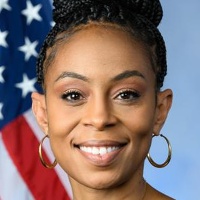
Shontel Brown
Representative
OH
Shontel Brown
Representative
OH
This resolution honors the 97th anniversary of the birth of Reverend Dr. Martin Luther King, Jr. by celebrating his legacy of equality, diversity, and civil discourse. It reaffirms a national commitment to his values of justice and tolerance while explicitly condemning all forms of hate, discrimination, and prejudice.
This bill restricts the Department of Homeland Security's use and sharing of specific facial recognition mobile applications to only identifying individuals at ports of entry and mandates the destruction of captured U.S. citizen biometric data.
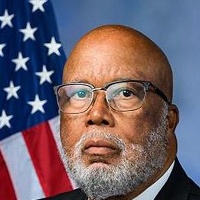
Bennie Thompson
Representative
MS
Bennie Thompson
Representative
MS
This bill, the Realigning Mobile Phone Biometrics for American Privacy Protection Act, restricts the Department of Homeland Security's use of specific facial recognition mobile applications to identifying individuals only at ports of entry. It prohibits sharing these applications with other agencies and mandates the destruction of U.S. citizen biometric data captured by them. The law requires immediate removal and deactivation of these applications from non-essential systems and remote disabling of downloaded copies.
This act establishes federal preemption over state laws that restrict real property purchases based on a buyer's citizenship.
Al Green
Representative
TX
Al Green
Representative
TX
The Preemption of Real Property Discrimination Act establishes federal law over state restrictions on real estate purchases based on a buyer's citizenship. This legislation voids any state or territorial law that prohibits or restricts property ownership due to citizenship. The Attorney General is authorized to enforce this preemption, and individuals harmed by such laws can sue in federal court.
This bill impeaches Secretary of Homeland Security Kristi Lynn Arnold Noem for high crimes and misdemeanors, citing willful refusal to comply with oversight law, violating the Impoundment Control Act, directing unlawful ICE misconduct, and misusing federal funds for personal gain.
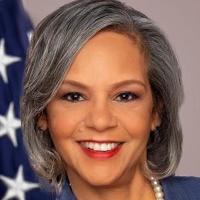
Robin Kelly
Representative
IL
Robin Kelly
Representative
IL
This resolution initiates impeachment proceedings against Secretary of Homeland Security Kristi Lynn Arnold Noem for high crimes and misdemeanors. The articles of impeachment charge her with willfully refusing to comply with Congressional oversight laws and violating the Impoundment Control Act by improperly withholding funds. Further articles allege she directed widespread misconduct by ICE agents that violated federal law and constitutional rights, and misused taxpayer funds for personal gain through improper contracting.