Legislative Activity
Track Grace's sponsored bills, co-sponsored legislation, and voting record
This bill officially names the United States Postal Service facility in Martville, New York, as the "Sergeant Staret J. Ingleston Memorial Post Office Building."
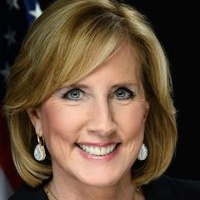
Claudia Tenney
Representative
NY
Claudia Tenney
Representative
NY
This bill officially renames the United States Postal Service facility located at 15422 NY 104 in Martville, New York. The facility will now be known as the "Sergeant Staret J. Ingleston Memorial Post Office Building."
This bill establishes a demonstration project for states to test alternative payment models in Medicaid and CHIP to improve maternal health outcomes for pregnant and postpartum individuals.

Janice Schakowsky
Representative
IL
Janice Schakowsky
Representative
IL
The IMPACT to Save Moms Act establishes a demonstration project for states to test alternative payment models for maternity care within Medicaid and CHIP programs. This project aims to improve maternal health outcomes, particularly for high-risk groups, by considering factors like risk stratification and social determinants of health. The Secretary of HHS must evaluate the project's impact and report recommendations to Congress on potential national expansion.
This Act restores overtime pay protections by phasing in higher minimum salary thresholds and tightening the duties test for executive, administrative, and professional employees exempt from federal overtime requirements.
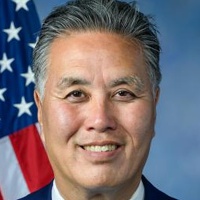
Mark Takano
Representative
CA
Mark Takano
Representative
CA
The Restoring Overtime Pay Act of 2026 significantly updates overtime exemptions under the Fair Labor Standards Act. It establishes a phased-in, rising minimum salary threshold for executive, administrative, and professional employees to qualify for overtime exemption, eventually tying it to national earnings data. Additionally, the bill tightens the "duties test," reducing the amount of non-exempt work an employee can perform while remaining exempt from overtime pay. These changes aim to restore overtime eligibility to more salaried workers.
This resolution calls for a fundamental shift in U.S. trade policy to prioritize the interests of workers, farmers, small businesses, and the environment over corporate gains.
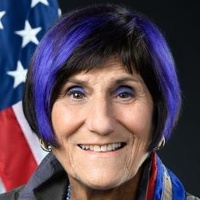
Rosa DeLauro
Representative
CT
Rosa DeLauro
Representative
CT
This resolution calls for a fundamental shift in U.S. trade policy to prioritize American workers, family farmers, and domestic production over corporate interests. It asserts that decades of corporate-centered trade have harmed communities and calls for a new framework built on strong labor, environmental, and domestic manufacturing standards. The bill demands that future trade policy actively support fair wages, strengthen "Buy America" requirements, and penalize offshoring.
This Act funds data collection, research, public communication, and task force recommendations to improve maternal health outcomes during public health emergencies.
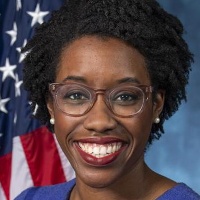
Lauren Underwood
Representative
IL
Lauren Underwood
Representative
IL
The Maternal Health Pandemic Response Act aims to improve maternal and infant health outcomes during public health emergencies. It authorizes significant funding for enhanced data collection, surveillance, and research across various CDC programs. Furthermore, the bill mandates public data disclosure, requires public health communication campaigns, and establishes a task force to develop federal recommendations for ensuring safe, respectful, and equitable maternity care during crises.
This resolution condemns attacks on civilians in Sudan, demands an end to external support for the warring parties, and calls for efforts to negotiate a settlement to the civil war.
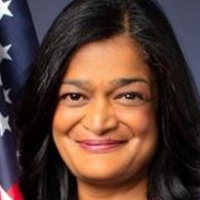
Pramila Jayapal
Representative
WA
Pramila Jayapal
Representative
WA
This resolution condemns the devastating attacks on civilians in the Sudanese civil war and calls for an immediate end to external support fueling the conflict. It urges all parties to cease hostilities and demands robust international efforts to negotiate a settlement leading to civilian-led democratic governance. The bill emphasizes the urgent need to address the massive humanitarian crisis and hold perpetrators of atrocities accountable.
The YALI Act of 2025 establishes and expands the Young African Leaders Initiative to invest in sub-Saharan African leaders through training, networking, and fellowships like the Mandela Washington Fellowship, while also setting up regional centers and requiring regular progress reports.
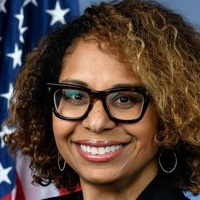
Sydney Kamlager-Dove
Representative
CA
Sydney Kamlager-Dove
Representative
CA
The YALI Act of 2025 formally establishes and expands the Young African Leaders Initiative to invest in emerging African leaders across sub-Saharan Africa. This legislation mandates the creation of professional development, training, and networking opportunities focused on business, civic engagement, and public administration. The bill specifically supports the Mandela Washington Fellowship and requires the establishment of regional leadership centers and online networks to foster ongoing engagement and U.S.-Africa ties.
This act establishes universal free breakfast and lunch programs in schools, eliminates meal debt, and updates poverty metrics across various federal education and nutrition programs.
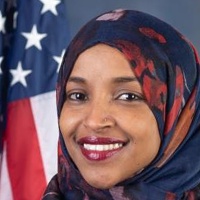
Ilhan Omar
Representative
MN
Ilhan Omar
Representative
MN
The Universal School Meals Program Act of 2026 establishes permanent, universal free breakfast and lunch programs for all enrolled students at participating schools, eliminating income tests and meal debt collection. The bill significantly updates federal funding mechanisms by replacing reliance on free and reduced-price lunch data with new measures for identifying economically disadvantaged students across various education and social programs. Furthermore, it expands access to summer and afterschool meals while making technical amendments across several federal education and nutrition laws.
This bill affirms the strong U.S.-South Korea alliance, emphasizing its importance for security, economic growth, and shared values, while also recognizing the contributions of Korean Americans. It supports stronger ties and celebrates Korean culture.
Thomas Suozzi
Representative
NY
Thomas Suozzi
Representative
NY
This bill reaffirms the strong alliance between the United States and the Republic of Korea, emphasizing its importance for security, economic growth, and shared values. It recognizes the deep economic ties, the contributions of Korean Americans, and continued commitment to the Mutual Defense Treaty. The bill also supports strengthening security, economic, and cultural bonds between the two nations, and celebrates Korean Culture-Kimchi Day.
This resolution supports designating May 10, 2026, as "National Asian American, Native Hawaiian, and Pacific Islander Mental Health Day" to raise awareness and improve mental health care access for these communities.
Judy Chu
Representative
CA
Judy Chu
Representative
CA
This resolution supports designating May 10, 2026, as "National Asian American, Native Hawaiian, and Pacific Islander Mental Health Day." It aims to raise awareness about the significant mental health challenges and barriers to care faced by the AANHPI community. The bill encourages improving mental health literacy, increasing culturally competent providers, and adopting policies to better serve these diverse populations.
This act repeals Executive Order 14399 and cancels related contracts and funding.
Stephen Lynch
Representative
MA
Stephen Lynch
Representative
MA
The Vote by Mail Protection Act of 2026 officially establishes its name and immediately repeals Executive Order 14399. This action cancels any existing contracts made under that order and prohibits the use of agency funds to support its related activities.
This Act establishes the Language Access Board to create standards and enforce requirements ensuring individuals with limited English proficiency can meaningfully access federal programs and services.
Judy Chu
Representative
CA
Judy Chu
Representative
CA
The Language Access Board Act of 2026 establishes a framework to ensure individuals with limited English proficiency (LEP) can meaningfully access federal programs and services. It creates a 32-member Language Access Board responsible for setting and enforcing language access standards across federal agencies. The Act mandates that federal agencies make public-facing materials accessible to LEP individuals, comparable to those provided to English speakers. Finally, the Board is empowered to investigate violations, develop corrective action plans, and report on compliance to Congress.
This bill officially renames the U.S. Postal Service facility at 2200 South Salina Street in Syracuse, New York, as the "Wallie Howard Jr. Post Office Building."
John Mannion
Representative
NY
John Mannion
Representative
NY
This bill officially designates the United States Postal Service facility at 2200 South Salina Street in Syracuse, New York, as the "Wallie Howard Jr. Post Office Building." This renaming standardizes all future references to the building across federal documents and records.
This Act expands eligibility for certain Small Business Administration loans to include businesses owned by lawfully present non-citizens and those with principal residences outside the U.S.
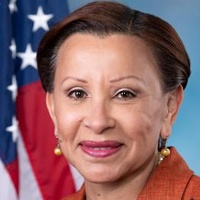
Nydia Velázquez
Representative
NY
Nydia Velázquez
Representative
NY
The Investing in the American Dream Act expands eligibility for Small Business Administration (SBA) loans and guarantees. It allows small businesses owned by certain lawfully present immigrants, refugees, and even some individuals residing outside the U.S. to qualify for covered loans. This legislation ensures that businesses meeting specific ownership and location criteria are not denied SBA assistance solely based on the immigration status of their eligible owners.
This resolution expresses support for designating April as Sikh History Month to recognize Sikh history, culture, and contributions while promoting public education and awareness.
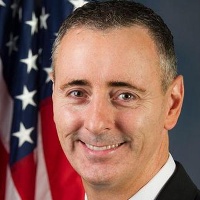
Brian Fitzpatrick
Representative
PA
Brian Fitzpatrick
Representative
PA
This resolution expresses support for designating April as Sikh History Month. The designation aims to recognize the rich history, culture, and significant contributions of Sikh Americans. It encourages public education to promote awareness, combat stereotypes, and foster respect for religious diversity.
This bill establishes a Social Security credit for individuals who provide substantial unpaid care to dependent relatives by granting them deemed wage credits toward future benefits.
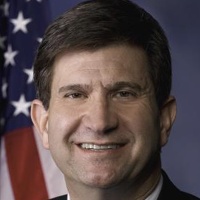
Bradley Schneider
Representative
IL
Bradley Schneider
Representative
IL
The Social Security Caregiver Credit Act of 2026 establishes a new program to grant Social Security credit to individuals providing substantial unpaid care for dependent relatives. This credit is calculated based on "deemed wages" for qualifying months where at least 80 hours are spent caregiving for a child under 12 or a chronically dependent individual. The goal is to improve the economic outlook and retirement security for these unpaid caregivers.
This Act mandates a comprehensive report to Congress detailing emerging military, cyber, and political threats to the Baltic states and recommending strategies to enhance their security and U.S. partnership.
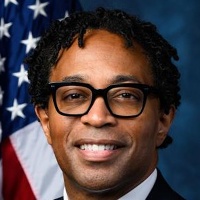
Wesley Bell
Representative
MO
Wesley Bell
Representative
MO
The Baltic Security Assessment Act of 2025 affirms the critical importance of Estonia, Latvia, and Lithuania to U.S. national security amidst Russian aggression. This bill mandates that the Secretary of State and Secretary of Defense deliver a comprehensive report to Congress detailing emerging military, cyber, and political threats to the Baltic states. The report must also recommend specific actions to enhance U.S. and NATO defense cooperation and bolster Baltic resilience.
This bill expands eligibility for the Vaccines for Children program, mandates minimum payment rates for vaccine administration under Medicaid and CHIP, and increases the federal matching rate for states that conduct targeted vaccination outreach.
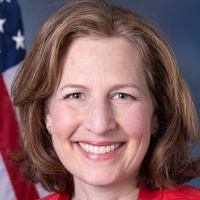
Kim Schrier
Representative
WA
Kim Schrier
Representative
WA
The Strengthening the Vaccines for Children Program Act of 2026 aims to expand access to childhood immunizations by broadening eligibility for the VFC program and setting minimum payment rates for vaccine administration under Medicaid and CHIP. The bill mandates that Medicaid and CHIP programs pay providers at least 100% of the Medicare Part B rate for vaccine administration and counseling services through 2028. Additionally, it increases the federal Medicaid matching rate contingent upon states implementing culturally competent vaccination outreach efforts.
This Act establishes federal programs to address the impact of climate change risks, like extreme heat and pollution, on maternal and infant health through grants, education, research, and risk zone identification.
Lauren Underwood
Representative
IL
Lauren Underwood
Representative
IL
The Protecting Moms and Babies Against Climate Change Act directs the Department of Health and Human Services to address how climate change risks, like extreme heat and pollution, harm maternal and infant health. The bill establishes grant programs to support local efforts and education, and mandates research and strategies to identify high-risk zones for pregnant individuals and young children. Its goal is to reduce adverse outcomes such as preterm birth, low birth weight, and maternal mortality linked to climate change.
This resolution commemorates the 5-year remembrance of the Indianapolis FedEx mass shooting, denounces all forms of anti-Asian hate, and calls for enhanced federal support to combat hate crimes and protect targeted communities.
Pramila Jayapal
Representative
WA
Pramila Jayapal
Representative
WA
This resolution commemorates the five-year remembrance of the 2021 Indianapolis FedEx mass shooting, which tragically killed eight people, many of whom were Sikh. It strongly denounces all forms of anti-Asian hate, discrimination, and violence targeting South Asian communities. Furthermore, the resolution calls for strengthening federal programs to combat hate crimes and reaffirms the commitment to protecting the civil rights of all communities.