Legislative Activity
Track Tracey's sponsored bills, co-sponsored legislation, and voting record
This bill, the SCAM Act, establishes new grounds and procedures for the government to revoke the citizenship of naturalized individuals who commit specific serious offenses or fraud within ten years of naturalization.
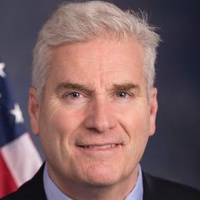
Tom Emmer
Representative
MN
Tom Emmer
Representative
MN
The SCAM Act establishes new grounds for the government to revoke the citizenship of naturalized individuals. It allows for denaturalization if a person commits fraud against the government, joins a terrorist organization, or commits an aggravated felony within ten years of naturalization. These actions are deemed proof that the individual lacked good moral character at the time they became a citizen. Revocation of citizenship under this Act is retroactive to the original date of naturalization.
This bill automatically appropriates funds to ensure federal employees and essential contractors receive their regular pay during a government shutdown.
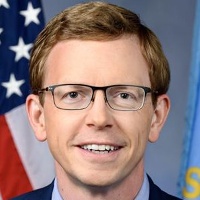
Dusty Johnson
Representative
SD
Dusty Johnson
Representative
SD
The Shutdown Fairness Act automatically appropriates necessary funds to ensure federal employees and essential contractors receive their regular pay during a government shutdown. This legislation mandates timely payment for covered personnel, regardless of whether they were deemed "excepted" or furloughed. The funds are charged against the agency's subsequent regular appropriations once they are enacted.
The PORCUPINE Act amends the Arms Export Control Act to include Taiwan in existing certification and reporting requirements and mandates a feasibility study for expediting military equipment transfers to Taiwan from key allies.

Robert Wittman
Representative
VA
Robert Wittman
Representative
VA
The PORCUPINE Act amends the Arms Export Control Act to formally include Taiwan in existing certification and reporting requirements. It also mandates a feasibility study for expediting the licensing process for allied nations transferring U.S.-origin military equipment to Taiwan. The legislation is intended to enhance security cooperation while affirming that it does not alter existing U.S. policy as defined by the Taiwan Relations Act.
This bill updates the criteria for approving nurse aide training programs in skilled nursing and nursing facilities under Medicare and Medicaid based on a facility's penalty history and quality of care citations.
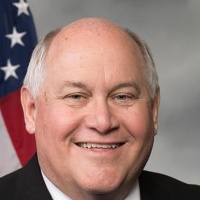
Ron Estes
Representative
KS
Ron Estes
Representative
KS
The Ensuring Seniors’ Access to Quality Care Act updates the requirements for approving nurse aide training programs in skilled nursing and nursing facilities under Medicare and Medicaid. This bill specifies that facilities with significant penalties or quality of care deficiencies will be disqualified from having their training programs approved. The goal is to ensure that training programs are overseen by facilities meeting high standards of care.
This act mandates an annual joint hearing where the Comptroller General presents an objective analysis of the federal government's financial audit findings to the Budget Committees.
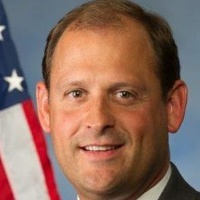
Garland Barr
Representative
KY
Garland Barr
Representative
KY
The Fiscal State of the Nation Act mandates an annual joint hearing where the Comptroller General presents the findings of the federal government's financial audit to the Budget Committees. This presentation must objectively analyze the nation's financial position and sustainability measures based on the Treasury Secretary's report. The hearing ensures public review of the government's fiscal health, open to all members of Congress.
This act reforms the requirements and procedures for determining and maintaining duty status.
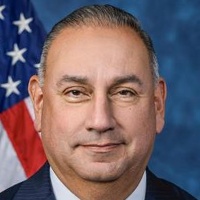
Gilbert Cisneros
Representative
CA
Gilbert Cisneros
Representative
CA
The Duty Status Reform Act aims to modernize and streamline the process for determining and managing duty status for federal employees. This legislation seeks to clarify existing regulations and ensure fair and consistent application of duty status rules across government agencies.
This bill temporarily funds the FAA using the Aviation Insurance Revolving Fund during a lapse in appropriations and extends non-premium war risk insurance provisions.
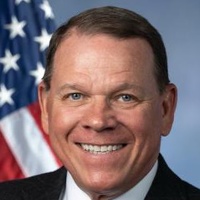
Sam Graves
Representative
MO
Sam Graves
Representative
MO
The Aviation Funding Solvency Act establishes a temporary mechanism to ensure the Federal Aviation Administration (FAA) can continue essential operations if Congress fails to pass regular appropriations. This allows the FAA Administrator to draw upon the Aviation Insurance Revolving Fund to maintain operations at the previous year's funding rate. The temporary funding ceases once a new appropriation or continuing resolution is enacted. The bill also makes a technical amendment regarding non-premium war risk insurance.
This act mandates annual reliability assessments and establishes a federal agency review process for regulations that could negatively impact the power grid when generation shortfalls are projected.
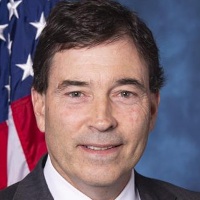
Troy Balderson
Representative
OH
Troy Balderson
Representative
OH
The Reliable Power Act mandates annual long-term reliability assessments by the Electric Reliability Organization (ERO) to proactively identify risks of power shortages. If a "generation inadequacy" is found, it triggers a review process for certain federal agency regulations that affect power generation resources. This ensures federal agencies must address and respond to FERC's recommendations on how their proposed rules might impact the reliability of the bulk-power system before finalizing those actions.
This act removes Section 4024(c) from the CARES Act to clarify the enforcement of state housing laws.
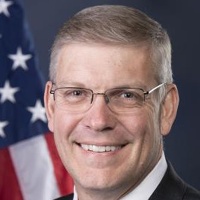
Barry Loudermilk
Representative
GA
Barry Loudermilk
Representative
GA
The Respect State Housing Laws Act aims to clarify federal housing regulations by amending the CARES Act. Specifically, this legislation removes Section 4024(c) from the CARES Act.
The Essential Caregivers Act of 2025 guarantees nursing home and long-term care residents the right to designate an essential caregiver who maintains access to them even during public health emergencies.
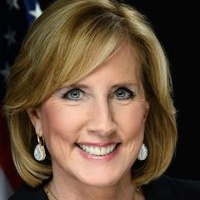
Claudia Tenney
Representative
NY
Claudia Tenney
Representative
NY
The Essential Caregivers Act of 2025 protects the rights of residents in long-term care facilities to designate an essential caregiver who can provide support and companionship. This legislation ensures that these caregivers maintain in-person access to residents even during public health emergencies when general visitation is restricted. By establishing clear protocols and an appeals process, the bill aims to prevent the harmful effects of isolation and ensure residents continue to receive vital care and advocacy.
This bill authorizes Congress to award Congressional Gold Medals to the 1980 U.S. Men's Olympic Ice Hockey team for their historic "Miracle on Ice" victory.
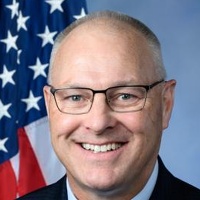
Pete Stauber
Representative
MN
Pete Stauber
Representative
MN
This bill, the Miracle on Ice Congressional Gold Medal Act, officially authorizes Congress to award Congressional Gold Medals to the 1980 U.S. Men's Olympic Ice Hockey Team for their historic "Miracle on Ice" victory. The medals will be struck by the Treasury and permanently displayed at specific national sports museums. The Act also permits the sale of duplicate bronze medals to cover production costs.
This bill establishes new payment standards, rebate requirements, and anti-steering rules for Pharmacy Benefit Managers in Medicare and Medicaid while increasing transparency in Medicaid drug price reporting.
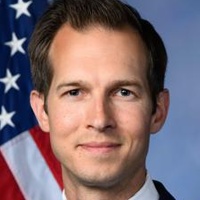
Jake Auchincloss
Representative
MA
Jake Auchincloss
Representative
MA
This bill establishes new federal requirements for Pharmacy Benefit Managers (PBMs) contracting with Medicare Part D and Medicaid plans, effective in 2027. It mandates specific payment standards for pharmacies, requires PBMs to pass manufacturer rebates directly to patients and plan sponsors, and strictly prohibits steering patients toward specific pharmacies. Additionally, the legislation enhances transparency by expanding drug price reporting requirements for all types of pharmacies within the Medicaid program.
This bill establishes the ROUTE Act, creating a limited exception allowing CDL holders aged 18-20 to operate commercial vehicles in interstate commerce within a 150-air-mile radius under strict working hour and location restrictions.
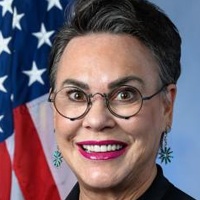
Harriet Hageman
Representative
WY
Harriet Hageman
Representative
WY
The Responsible Opportunity for Under-21 Trucking Engagement (ROUTE) Act creates a limited exception allowing eligible drivers aged 18 to 20, who already hold an intrastate CDL, to operate commercial motor vehicles in interstate commerce. This operation is strictly confined to a 150 air-mile radius of their normal reporting location. The bill mandates specific rest and duty hour requirements for these younger drivers.
This bill mandates that federal agencies submit annual reports detailing lawsuits, length, cost, and timelines associated with their National Environmental Policy Act (NEPA) compliance.
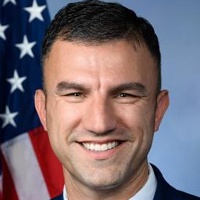
Rudy Yakym
Representative
IN
Rudy Yakym
Representative
IN
This bill, the "Studying NEPA’s Impact on Projects Act," mandates that federal agencies submit annual reports detailing the impact of the National Environmental Policy Act (NEPA) on their projects. These reports must cover lawsuits alleging NEPA violations, as well as data on the length, cost, and timelines associated with preparing Environmental Impact Statements. The Council on Environmental Quality will then publish these comprehensive reports publicly.
This bill mandates that states provide SNAP recipient data to the Secretary of Agriculture upon request to enhance program oversight and enforcement.
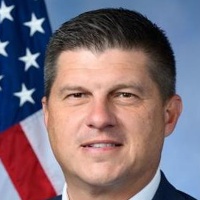
Brad Finstad
Representative
MN
Brad Finstad
Representative
MN
The SNAP Data Transparency and Oversight Act of 2025 mandates that states provide recipient-level SNAP data to the Secretary of Agriculture upon request as a condition of program participation. This ensures greater federal oversight and strengthens the ability to enforce program integrity and investigate potential fraud. Failure to comply may result in the withholding of federal administrative funds.
The SAF Act extends and significantly increases the clean fuel production tax credit specifically for sustainable aviation fuel.
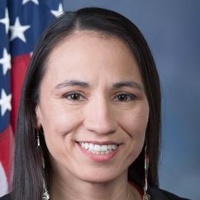
Sharice Davids
Representative
KS
Sharice Davids
Representative
KS
The Securing Americas Fuels (SAF) Act extends and significantly increases the clean fuel production tax credit specifically for sustainable aviation fuel. This legislation establishes higher credit rates per gallon based on carbon capture technology used in production. The bill also extends the applicability of this credit through 2033 for qualifying sustainable aviation fuels.
This bill establishes a five-year VA pilot program to implement the Zero Suicide Initiative curriculum across five medical centers to reduce veteran suicide rates.
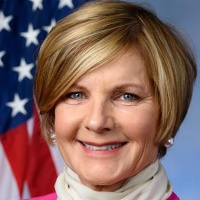
Susie Lee
Representative
NV
Susie Lee
Representative
NV
This act establishes the VA Zero Suicide Demonstration Project, a five-year pilot program to reduce veteran suicide rates. The initiative will implement the Zero Suicide Institute's curriculum across five selected VA medical centers, including one serving rural veterans. The program focuses on intensive staff training, policy development, and rigorous data collection to evaluate effectiveness. Annual reports will track progress and compare outcomes against other VA facilities.
This act prohibits state and local governments from enacting regulations that restrict energy service based on the type or source of energy sold in interstate commerce.
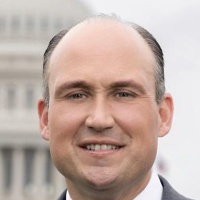
Nicholas Langworthy
Representative
NY
Nicholas Langworthy
Representative
NY
The Energy Choice Act places federal restrictions on state and local governments, preventing them from enacting regulations that prohibit or limit energy service based on its type or source. This means local governments cannot ban or restrict access to energy services sold in interstate commerce. The legislation aims to ensure consistent access to various energy sources across jurisdictions.
This resolution supports recognizing December 2025 as "Impaired Driving Prevention Month" to promote awareness and efforts to prevent crashes caused by impaired driving.
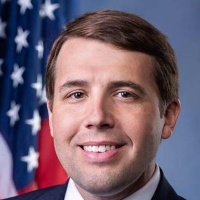
Chris Pappas
Representative
NH
Chris Pappas
Representative
NH
This resolution officially recognizes December 2025 as "Impaired Driving Prevention Month" to raise public awareness about the dangers of driving while impaired. It supports the efforts of various transportation and law enforcement agencies dedicated to preventing these tragic crashes. Furthermore, the resolution urges all Americans to commit to driving sober and planning safe transportation alternatives.
This act mandates the inclusion of a citizenship question on future decennial censuses and requires that only U.S. citizens be counted when apportioning congressional representation and electoral votes.
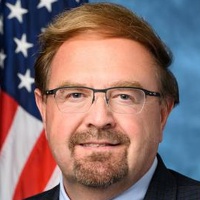
Charles (Chuck) Edwards
Representative
NC
Charles (Chuck) Edwards
Representative
NC
The Equal Representation Act of 2025 mandates the inclusion of a citizenship question on the decennial census starting in 2030. This legislation requires that the population counts used for apportioning seats in the House of Representatives and determining electoral votes exclude non-citizens. The bill ensures that representation is based solely on the count of U.S. citizens within each state.