Legislative Activity
Track Tracey's sponsored bills, co-sponsored legislation, and voting record
This Act prohibits state and local governments from imposing excise taxes on the sale of firearms, ammunition, or related parts in interstate or foreign commerce.
Darrell Issa
Representative
CA
Darrell Issa
Representative
CA
The Freedom from Unfair Gun Taxes Act of 2025 prohibits state and local governments from imposing excise taxes on the sale of firearms, ammunition, or firearm parts. This restriction specifically targets taxes levied on sales that involve interstate or foreign commerce. The Act explicitly preserves existing federal laws, such as the Pittman-Robertson Wildlife Restoration Act.
This bill excludes certain veterinary student loan repayments and forgiveness amounts from taxable income to encourage veterinarians to practice in rural areas.

Adrian Smith
Representative
NE
Adrian Smith
Representative
NE
The Rural Veterinary Workforce Act aims to encourage more veterinarians to serve in underserved rural areas by making participation in certain loan repayment or forgiveness programs more financially appealing. This bill amends the tax code to exclude amounts received through qualifying state or federal veterinary student loan repayment programs from being counted as taxable income. This tax benefit applies to amounts received for taxable years beginning after December 31, 2025.
The Safer Skies Act of 2025 mandates that certain smaller charter and commuter air carriers currently exempt from TSA checkpoints must adopt the same security screening standards as larger airlines.

Nicholas Langworthy
Representative
NY
Nicholas Langworthy
Representative
NY
The Safer Skies Act of 2025 mandates enhanced security screening for certain smaller charter and commuter air carriers that sell individual passenger seats publicly. This legislation requires these specific operations, currently exempt from TSA checkpoints, to adopt the security standards applied to larger commercial airlines. The goal is to raise the baseline security level across a broader segment of air travel operations.
This Act permits tax-exempt charities to fund collegiate housing and infrastructure projects for college social or athletic organizations without jeopardizing their charitable status, provided the housing primarily serves full-time students.

Blake Moore
Representative
UT
Blake Moore
Representative
UT
The Collegiate Housing and Infrastructure Act of 2025 permits qualifying charities to provide grants to college social or athletic organizations specifically for collegiate housing and infrastructure projects without jeopardizing their tax-exempt status. This legislation clarifies that such grants remain eligible for donor deductions, provided the housing primarily serves full-time students. The Act specifically excludes funding for physical fitness facilities from these provisions.
This bill permanently extends the exemption allowing school bus drivers to skip the engine compartment portion of the pre-trip vehicle inspection skills test for their CDL.

John Carter
Representative
TX
John Carter
Representative
TX
This bill permanently extends the existing exemption allowing qualified school bus drivers to skip the engine compartment portion of the commercial driver's license (CDL) skills test. It mandates the Secretary of Transportation to maintain this specific "under-the-hood" inspection waiver indefinitely. States utilizing this permanent exemption must still submit annual reports on the number of drivers licensed under it for the next six years.
This bill establishes national reciprocity for concealed carry permits, allowing individuals legally permitted to carry in their home state to carry a handgun in any other state that allows concealed carry.
Richard Hudson
Representative
NC
Richard Hudson
Representative
NC
The Constitutional Concealed Carry Reciprocity Act of 2025 establishes a national standard for carrying concealed handguns across state lines. This act allows individuals legally permitted to carry in their home state to carry concealed in any other state that allows its residents to carry concealed firearms. The law does not override private property restrictions or prohibitions on government property, but it provides protections and legal recourse for those traveling in compliance with the new federal standard.
The FRIDGE Act of 2025 authorizes funding to provide technical assistance for improving refrigeration and supply chain infrastructure in foreign markets to boost U.S. agricultural exports.
Randy Feenstra
Representative
IA
Randy Feenstra
Representative
IA
The FRIDGE Act of 2025 aims to boost U.S. agricultural exports by addressing critical infrastructure weaknesses in foreign markets. This legislation authorizes funding to provide technical assistance and training specifically focused on improving foreign cold chain capacity and storage. By strengthening these global supply chains, the bill seeks to reduce spoilage of American food products and expand market access for U.S. commodities.
This act establishes expedited judicial review and shifts the burden of proof to the government when individuals challenge NICS denials, while also mandating annual reporting on record challenges.
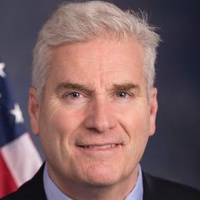
Tom Emmer
Representative
MN
Tom Emmer
Representative
MN
The Firearm Due Process Protection Act of 2025 aims to strengthen due process rights for individuals challenging denials in the National Instant Criminal Background Check System (NICS). It mandates expedited court hearings for record correction lawsuits and shifts the burden of proof onto the government to demonstrate why a person should be ineligible to own a firearm. Additionally, the bill requires the FBI to submit annual reports detailing the outcomes and timelines of all NICS record challenges.
The Dietary Guidelines Reform Act of 2025 overhauls the development of official dietary guidelines, shifting the update cycle to every 10 years, mandating evidence-based review procedures, and establishing an independent advisory board for early updates.
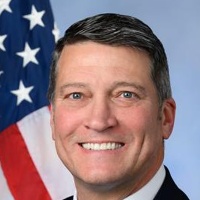
Ronny Jackson
Representative
TX
Ronny Jackson
Representative
TX
The Dietary Guidelines Reform Act of 2025 changes the required update cycle for official dietary guidelines from every five years to at least every ten years, requiring adherence to formal rulemaking procedures. The bill mandates that future guidelines must be based on rigorous, evidence-based scientific review and address accessibility and affordability for all populations. If updates occur sooner than the ten-year cycle, an independent, temporary advisory board must be established to submit guiding scientific questions. The Act also strictly limits the scope of the guidelines, excluding topics like taxation, social welfare, and food production methods.
This Act prohibits performing an abortion solely because an unborn child has been diagnosed with Down syndrome and establishes penalties and civil actions for violations.
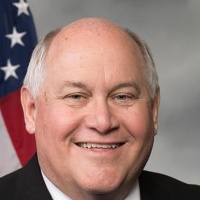
Ron Estes
Representative
KS
Ron Estes
Representative
KS
The Protecting Individuals with Down Syndrome Act prohibits performing an abortion solely because an unborn child has been diagnosed with Down syndrome. This law establishes criminal penalties for providers who violate the prohibition and allows civil lawsuits to be brought by qualified relatives. It also requires medical professionals to report suspected violations.
Supports the designation of March 18, 2025, as "National Agriculture Day" and recognizes the importance of agriculture in the United States.
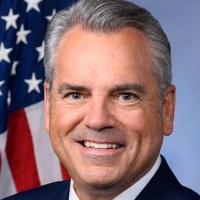
Mark Alford
Representative
MO
Mark Alford
Representative
MO
This resolution expresses support for designating March 18, 2025, as "National Agriculture Day." It recognizes and celebrates the significant impact of agriculture as a leading industry in the United States.
This bill restores protections to prevent private health insurance plans from discriminating against dialysis patients with End-Stage Renal Disease (ESRD) or shifting their treatment costs unfairly onto Medicare.
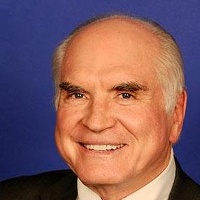
Mike Kelly
Representative
PA
Mike Kelly
Representative
PA
The Restore Protections for Dialysis Patients Act aims to prevent private health insurance plans from discriminating against patients with End-Stage Renal Disease (ESRD). This legislation clarifies that plans cannot offer worse benefits or unfairly limit coverage for dialysis treatments compared to other medical services. Furthermore, it stops these plans from shifting the primary financial responsibility for ESRD care onto Medicare. The bill maintains existing rules ensuring fair treatment while preserving a health plan's ability to select its network of dialysis providers.
Urges Congress and the administration to collaborate on food and agricultural trade policies that expand market access, eliminate trade barriers, and ensure global competitiveness for U.S. farmers and ranchers.

Dusty Johnson
Representative
SD
Dusty Johnson
Representative
SD
This resolution urges Congress and the administration to work together to address the decline in U.S. food and agricultural exports by expanding market access, reducing trade barriers, and supporting domestic trade promotion programs. It emphasizes the importance of trade agreements and the enforcement of existing commitments to ensure global competitiveness for U.S. farmers and ranchers. The resolution seeks a global trading system grounded in scientific principles to bolster the U.S. agricultural sector.
This bill extends the Medicare ground ambulance payment pilot program through 2028 to ensure continued patient access to these essential medical services.

Claudia Tenney
Representative
NY
Claudia Tenney
Representative
NY
The Protecting Access to Ground Ambulance Medical Services Act of 2025 extends the current Medicare payment structure for ground ambulance services. This change ensures continuity in how these vital services are reimbursed under existing rules. Specifically, the temporary payment pilot program is extended through 2028, preventing an immediate change in payment policy.
The Air America Act of 2025 authorizes one-time monetary awards to former Air America employees or their survivors for service supporting the CIA between 1950 and 1976.
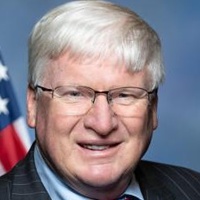
Glenn Grothman
Representative
WI
Glenn Grothman
Representative
WI
The Air America Act of 2025 recognizes the sacrifices of former Air America employees who served the U.S. Government between 1950 and 1976. This Act authorizes a one-time monetary award, up to $40,000 plus potential additional amounts, for qualifying service members or their survivors. The CIA Director is responsible for administering these payments, which are capped at a total of $60 million, and establishing the application procedures. Decisions made by the Director regarding these awards are final and not subject to judicial review.
This Act establishes a voluntary apprenticeship program, overseen by the Secretary of Transportation, to create a pipeline of qualified commercial pilots through certified flight training providers.

Byron Donalds
Representative
FL
Byron Donalds
Representative
FL
The Pre-Pilot Pathway Act establishes a new, voluntary apprenticeship program designed to create a steady pipeline of qualified commercial pilots. This program allows certified flight training providers to enroll apprentices who must complete all standard flight curriculum requirements. The Secretary of Transportation is tasked with overseeing the program, setting regulations, and encouraging experienced pilots to become instructors. Annual reports will track the program's effectiveness in addressing pilot shortages.
The Major Richard Star Act ensures that military retirees with combat-related disabilities can concurrently receive their full military retirement pay and VA disability compensation without reduction.

Gus Bilirakis
Representative
FL
Gus Bilirakis
Representative
FL
The Major Richard Star Act ensures that military retirees with combat-related disabilities can receive both their military retirement pay and VA disability compensation concurrently without reduction. This law removes previous restrictions that caused military retirement pay to be offset by VA disability payments for these specific cases. The changes take effect on the first day of the month following the Act's enactment.
This act prohibits the EPA from issuing tailpipe emission regulations that mandate specific vehicle technologies or limit the availability of new motor vehicles based on engine type.
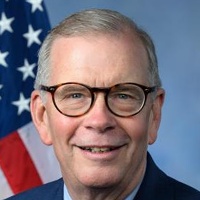
Tim Walberg
Representative
MI
Tim Walberg
Representative
MI
The Choice in Automobile Retail Sales Act of 2025 restricts the Environmental Protection Agency (EPA) from issuing tailpipe emission regulations that mandate specific vehicle technologies or limit the availability of new motor vehicles based on engine type. This ensures manufacturers maintain flexibility in meeting performance standards set by the EPA. The Act requires the EPA to update existing rules within two years to comply with these new limitations.
The Fair and Open Competition Act of 2025 prohibits the federal government from requiring or penalizing bidders or contractors on federally funded construction projects based on their agreement or non-agreement with labor unions.
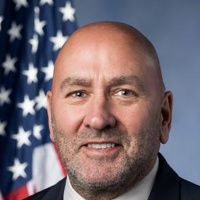
Clay Higgins
Representative
LA
Clay Higgins
Representative
LA
The Fair and Open Competition Act of 2025 ensures fair competition on federally funded construction projects by prohibiting the government from requiring or penalizing bidders based on union agreements. This legislation aims to keep federal agencies neutral in labor relations while promoting cost savings and opening opportunities for all businesses. Exceptions to this neutrality rule are strictly limited to specific public health, safety, or national security emergencies.
This bill establishes a new federal tax credit to incentivize investments in maintaining and improving existing hydroelectric facilities and restoring rivers through approved environmental and safety upgrades.
Adrian Smith
Representative
NE
Adrian Smith
Representative
NE
The Maintaining and Enhancing Hydroelectricity and River Restoration Act establishes a new federal tax credit to incentivize investments in improving existing hydroelectric facilities. This credit covers 30% of the cost for property that enhances fish passage, water quality, dam safety, or facilitates the removal of obsolete river obstructions. Furthermore, the bill allows taxpayers to elect direct payment or transferability for this new credit.