Legislative Activity
Track Jim's sponsored bills, co-sponsored legislation, and voting record
This act eliminates qualified immunity as a defense for law enforcement officers in civil lawsuits alleging constitutional rights violations and establishes a right to sue federal officers for such violations.

Ayanna Pressley
Representative
MA
Ayanna Pressley
Representative
MA
The Qualified Immunity Abolition Act of 2026 eliminates qualified immunity as a defense for law enforcement officers in civil lawsuits alleging constitutional rights violations. This means officers can no longer claim good faith or lack of clearly established law to avoid liability. The Act also establishes a new civil cause of action allowing citizens to sue federal law enforcement officers for constitutional violations.
This bill mandates Federal Reserve regulations to promote competition in credit card processing networks by requiring large issuers to allow merchants to choose between eligible networks for transaction routing.
Lance Gooden
Representative
TX
Lance Gooden
Representative
TX
The Credit Card Competition Act of 2026 aims to increase competition in credit card processing by requiring large issuers and networks to allow merchants to choose which network processes their transactions. This legislation mandates new Federal Reserve Board regulations that prohibit restrictions preventing merchants from selecting an eligible processing network. The rules specifically target large card issuers and networks, while exempting certain three-party payment systems.
This bill expresses support for the Iranian people protesting for a free and democratic Iran while condemning the Islamic Republic's violent repression.
Yassamin Ansari
Representative
AZ
Yassamin Ansari
Representative
AZ
This resolution expresses strong support for the Iranian people protesting for freedom, democracy, and basic human rights against the repressive Islamic Republic. It condemns the regime's brutal crackdown on demonstrators and demands an end to violence and the release of political prisoners. Furthermore, it urges the U.S. government to work with allies to deter further lethal violence against protesters.
This bill modifies deposits into the Crime Victims Fund by excluding certain False Claims Act recoveries and mandates an Inspector General audit of the Fund's sustainability.
Ann Wagner
Representative
MO
Ann Wagner
Representative
MO
This bill amends the Victims of Crime Act of 1984 to temporarily exclude certain False Claims Act recoveries from being deposited into the Crime Victims Fund through fiscal year 2029. It also mandates a comprehensive audit by the Department of Justice Inspector General on the Fund's sustainability and the impact of recent legislative changes. The resulting report will provide recommendations for improving the Fund's effectiveness and oversight.
This bill designates Burma for Temporary Protected Status (TPS) for eligible nationals present in the U.S. since enactment.
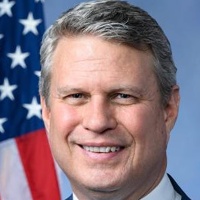
Bill Huizenga
Representative
MI
Bill Huizenga
Representative
MI
This bill designates Burma for Temporary Protected Status (TPS) for an initial period of 18 months, beginning November 25, 2025. It establishes eligibility requirements for Burmese nationals already present in the U.S. and outlines conditions for emergency travel authorization.
This act prohibits the use of federal funds and official action for any invasion of NATO member territory.
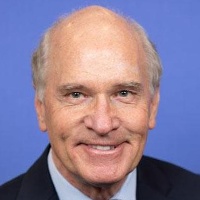
William Keating
Representative
MA
William Keating
Representative
MA
The **No Funds for NATO Invasion Act** prohibits the use of any federal funds for an invasion of any territory belonging to a member nation of the North Atlantic Treaty Organization (NATO). Furthermore, the bill bars U.S. officials from taking any action to execute such an invasion.
This resolution recognizes the 15th anniversary of the 2011 Tucson shooting, honoring the victims, survivors, and the ongoing advocacy of Gabby Giffords.
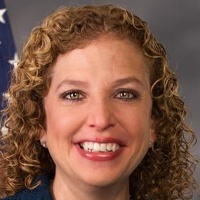
Debbie Wasserman Schultz
Representative
FL
Debbie Wasserman Schultz
Representative
FL
This resolution commemorates the 15th anniversary of the tragic January 8, 2011, Tucson shooting, honoring the six lives lost and the thirteen injured. It specifically commends the courage and ongoing advocacy of gun violence survivor and former Congresswoman Gabby Giffords. The resolution also recognizes the resilience of the community and reaffirms a commitment to ending political violence.
This bill establishes a five-year prohibition and strict licensing requirements for exporting advanced integrated circuits to designated countries of concern.
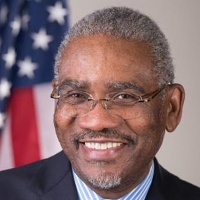
Gregory Meeks
Representative
NY
Gregory Meeks
Representative
NY
The RESTRICT Act establishes a five-year prohibition on exporting certain advanced integrated circuits to designated "countries of concern." It amends export control laws to require a license for exporting these sensitive chips to any "covered country." The bill also sets strict criteria for U.S. persons to qualify for an exemption from these licensing requirements.
This bill restricts immigration enforcement authority to federal officials, rescinding the ability of state and local entities to inquire about or apprehend individuals for immigration violations.

Mike Quigley
Representative
IL
Mike Quigley
Representative
IL
The PROTECT Immigration Act of 2025 aims to centralize immigration enforcement exclusively with federal officials. This legislation amends existing law to restrict state and local entities from inquiring about, apprehending, or detaining individuals based on immigration status, with only three specific statutory exceptions. Essentially, it removes the authority granted under Section 287(g) from non-federal personnel.
This bill directs the President to withdraw U.S. Armed Forces from hostilities with presidentially designated terrorist organizations in the Western Hemisphere unless Congress authorizes the action.
Gregory Meeks
Representative
NY
Gregory Meeks
Representative
NY
This bill directs the President to withdraw U.S. Armed Forces from hostilities involving designated terrorist organizations in the Western Hemisphere. Such withdrawal must occur unless Congress has explicitly authorized the military action through a declaration of war or a specific use of force authorization. The directive is issued under the authority of the War Powers Resolution.
This Act establishes a comprehensive federal strategy to combat rising antisemitism through policy statements, enhanced security grants, improved hate crime reporting, and specific mandates for educational institutions and federal agencies, while prohibiting the weaponization of antisemitism for partisan goals.
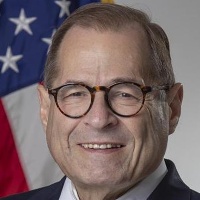
Jerrold Nadler
Representative
NY
Jerrold Nadler
Representative
NY
The Antisemitism Response and Prevention Act of 2025 aims to combat rising antisemitism through comprehensive federal action, emphasizing evidence-based strategies consistent with democratic values. The bill establishes new offices within the DOJ and FBI to coordinate counter-efforts and improve hate crime data collection. Furthermore, it mandates specific compliance and reporting requirements for colleges regarding civil rights and prohibits partisan conditions on nonprofit security grants.
This bill establishes federal programs and research priorities to advance domestic capabilities in food biomanufacturing, workforce development, and innovation for diversifying edible protein sources.
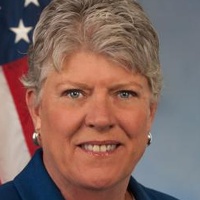
Julia Brownley
Representative
CA
Julia Brownley
Representative
CA
This bill aims to bolster the U.S. bioeconomy and food system resilience by promoting innovation in edible protein production, particularly through biomanufacturing and utilizing under-utilized biomass. It establishes new research centers, prioritizes funding for alternative protein research through existing programs, and creates grant opportunities for commercial-scale production and workforce development. Ultimately, the Act seeks to secure the nation's protein supply, create economic opportunities, and maintain U.S. leadership in food technology.
The Part-Time Worker Bill of Rights Act expands FMLA eligibility to part-time employees and establishes protections against scheduling discrimination, ensuring fair access to benefits and work hours.

Janice Schakowsky
Representative
IL
Janice Schakowsky
Representative
IL
The Part-Time Worker Bill of Rights Act aims to strengthen protections and expand benefits for part-time and temporary employees. The legislation eliminates restrictive hours-of-service requirements for FMLA leave and prohibits discrimination based on hours worked regarding pay, benefits, and promotion opportunities. Additionally, it mandates that employers offer available work hours to existing staff before hiring new employees or contractors.
This resolution reaffirms the U.S. commitment to leading global efforts to eliminate new pediatric HIV infections and expand treatment for children and women affected by the epidemic.
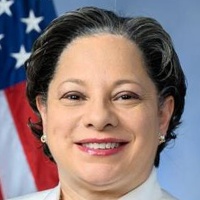
Jennifer McClellan
Representative
VA
Jennifer McClellan
Representative
VA
This resolution reaffirms the United States' commitment to ending pediatric HIV/AIDS globally by supporting critical prevention and treatment efforts. It emphasizes the need to close gaps in care, particularly for women and children in high-burden areas, and supports expanding access to testing, antiretroviral therapy, and new prevention methods. The bill specifically encourages continued U.S. leadership through initiatives like PEPFAR to achieve the goal of eliminating new pediatric HIV infections by 2030.
The Schedules That Work Act establishes rights for employees to request flexible schedules, mandates advance notice and predictability pay for schedule changes in covered sectors, and grants employees rest time between shifts.

Rosa DeLauro
Representative
CT
Rosa DeLauro
Representative
CT
The Schedules That Work Act aims to provide workers with greater stability and predictability in their work hours. It grants employees the right to request flexible or stable schedules and requires employers to engage in a good-faith discussion about these requests. For covered sector employees (like retail and food service), the bill mandates 14 days' advance notice of schedules and establishes "predictability pay" for last-minute changes or split shifts. The Act also grants employees the right to 11 hours of rest between shifts, with premium pay required if this rest period is violated.
This bill repeals the 2001 Authorization for Use of Military Force Act 240 days after enactment, citing its broad interpretation as inconsistent with Congress's war powers.

Pramila Jayapal
Representative
WA
Pramila Jayapal
Representative
WA
This bill proposes to repeal the 2001 Authorization for Use of Military Force (AUMF) 240 days after enactment. Congress finds that the current interpretation of the 2001 AUMF grants overly broad, open-ended military authority. The legislation aims to restore Congress's constitutional role in authorizing military action.
The Essential Caregivers Act of 2025 guarantees nursing home and long-term care residents the right to designate an essential caregiver who maintains access to them even during public health emergencies.

Claudia Tenney
Representative
NY
Claudia Tenney
Representative
NY
The Essential Caregivers Act of 2025 protects the rights of residents in long-term care facilities to designate an essential caregiver who can provide support and companionship. This legislation ensures that these caregivers maintain in-person access to residents even during public health emergencies when general visitation is restricted. By establishing clear protocols and an appeals process, the bill aims to prevent the harmful effects of isolation and ensure residents continue to receive vital care and advocacy.
This act restricts senior government officials and their families from owning or trading specific investments, requiring divestment of existing holdings to restore public trust.
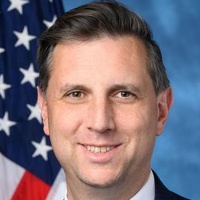
Seth Magaziner
Representative
RI
Seth Magaziner
Representative
RI
The Restore Trust in Government Act establishes strict new federal restrictions on senior government officials and their immediate families regarding the ownership and trading of specific financial investments. Covered individuals must divest existing investments that fall under the law's definition within a set timeframe, with limited exceptions. Violators face significant financial penalties, including a 10% fee on the investment value and disgorgement of any profits earned from prohibited transactions.
This Act shifts control of certain munitions exports from the Commerce Department to the State Department and establishes new strategies and reporting requirements to combat illegal U.S. firearm trafficking to Mexico, Central America, and the Caribbean.
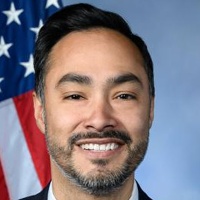
Joaquin Castro
Representative
TX
Joaquin Castro
Representative
TX
The Americas Regional Monitoring of Arms Sales (ARMAS) Act of 2025 seeks to combat illegal firearms trafficking to Mexico, Central America, and the Caribbean. It transfers regulatory control of certain munitions exports from the Department of Commerce back to the Department of State. The bill also mandates comprehensive reporting, strategy development, and increased tracking of U.S. firearm exports to designated "covered countries."
The EFFECTIVE Food Procurement Act mandates that the USDA prioritize purchasing food that supports regional economies, worker well-being, environmental sustainability, and equity for specific producers.
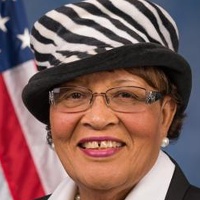
Alma Adams
Representative
NC
Alma Adams
Representative
NC
The EFFECTIVE Food Procurement Act directs the USDA to reform its food purchasing practices to support a more just, healthy, and sustainable food system. This is achieved by mandating the purchase of foods that prioritize equity, resilient supply chains, worker well-being, and climate mitigation. The bill also establishes reporting requirements, a set-aside for specific producers, and pilot programs to help smaller and targeted producers participate in USDA contracts.