
Legislative Activity
Track Nancy's sponsored bills, co-sponsored legislation, and voting record
This act mandates that hospitals and birth centers notify parents of their options for the disposition of a fetus following a miscarriage or stillbirth.
Katherine Cammack
Representative
FL
Katherine Cammack
Representative
FL
The Bereaved Parents Rights Act mandates that hospitals and birth centers must notify parents of their options for the disposition of a fetus following a miscarriage or stillbirth. This notice must be provided quickly, and facilities must honor the parents' written choice for private burial or cremation. The Act also establishes a right for individuals harmed by violations to seek legal relief.
This bill establishes the Combating Organized Retail Crime Act of 2025 to enhance federal prosecution tools against organized retail and supply chain crime and create a DHS-led coordination center to align law enforcement efforts.
David Joyce
Representative
OH
David Joyce
Representative
OH
The Combating Organized Retail Crime Act of 2025 aims to combat sophisticated, cross-jurisdictional organized retail and supply chain theft. It achieves this by strengthening federal laws regarding money laundering and stolen property offenses, including lowering monetary thresholds for prosecution. Furthermore, the bill establishes a dedicated Center within the Department of Homeland Security to coordinate federal, state, and local enforcement efforts against these criminal organizations.
This act mandates the U.S. representative at international financial institutions to oppose funding for foreign shrimp farming, processing, or export projects, with a limited waiver option.
Troy Nehls
Representative
TX
Troy Nehls
Representative
TX
The Save Our Shrimpers Act mandates that the U.S. representative at international financial institutions must vote against and formally oppose any financial assistance for projects related to shrimp farming, processing, or exports in borrowing countries. This action aims to protect the domestic shrimping industry. The Treasury Secretary can waive this requirement if deemed in the U.S. national interest, and the mandate is set to expire after seven years.
This act exempts capital gains from the sale of a qualified family farm to a qualified family member from gross income.
Thomas Massie
Representative
KY
Thomas Massie
Representative
KY
This act eliminates capital gains tax for family members selling qualified farm property to a direct relative. The exclusion applies to the seller's profit, provided the farm meets specific ownership and usage requirements. This measure aims to facilitate the transfer of family farms across generations while establishing beneficial basis rules for the purchasing family member.
This bill, TREY's Law, voids and prohibits the enforcement of any contract clause that prevents disclosure regarding the sexual abuse of a minor person.

Brandon Gill
Representative
TX
Brandon Gill
Representative
TX
This bill, known as TREY's Law, bans the use of nondisclosure clauses in any contract related to claims of sexual abuse against a minor. It renders such clauses void and unenforceable, even in agreements signed previously, to prevent silencing survivors. The law ensures victims and others can freely disclose information about child sexual abuse without fear of civil liability.
This resolution condemns the politically motivated assassination attempt against President Trump at the 2026 White House Correspondents' Dinner and denounces all forms of political violence.

Young Kim
Representative
CA
Young Kim
Representative
CA
This resolution strongly condemns the politically motivated assassination attempt against President Trump at the 2026 White House Correspondents' Dinner. It denounces all forms of political violence as antithetical to democracy and commends the swift action of law enforcement. Furthermore, the bill urges national unity, peaceful resolution of differences, and increased funding for the Secret Service.
The PRIMATE Act generally bans the importation of live nonhuman primates into the U.S., with a narrow exception for accredited zoos and aquariums that certify the animals will not be used for experiments or testing.
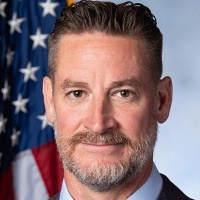
W. Steube
Representative
FL
W. Steube
Representative
FL
The PRIMATE Act generally bans the importation of live nonhuman primates into the United States to prevent toxic exposures. This prohibition includes a narrow exception allowing importation only by AZA-accredited facilities under strict conditions regarding the animal's future use. Violations of this ban are subject to significant civil penalties and forfeiture of the illegally imported primates.
This act repeals the Temporary Protected Status (TPS) program, immediately ending all current TPS grants and requiring recipients to depart the U.S. within 60 days.
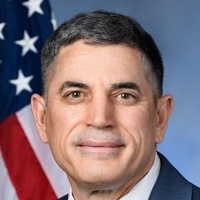
Andrew Clyde
Representative
GA
Andrew Clyde
Representative
GA
The Territorial Protection and Sovereignty Act immediately repeals the Temporary Protected Status (TPS) program. This action terminates all existing TPS grants upon the bill's enactment. Individuals previously granted TPS must depart the United States within 60 days.
This Act repeals the federal beneficial ownership information reporting requirements for domestic persons and entities, limiting them only to foreign individuals and foreign-connected companies, and mandates the deletion of existing domestic data.
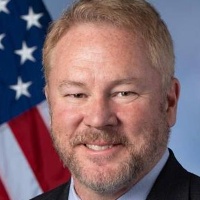
Warren Davidson
Representative
OH
Warren Davidson
Representative
OH
The Repealing Big Brother Overreach Act significantly narrows the federal beneficial ownership information reporting requirements. This legislation limits reporting obligations exclusively to foreign individuals and foreign-connected companies. Furthermore, it mandates the deletion of all previously collected data pertaining to domestic persons and entities.
The **Fighting Foreign Illegal Seafood Harvests Act of 2025 (FISH Act of 2025)** establishes a public blacklist of vessels involved in illegal, unreported, and unregulated (IUU) fishing or forced labor, imposes sanctions on offenders, and enhances U.S. international and domestic strategies to combat these illicit activities.

Dan Crenshaw
Representative
TX
Dan Crenshaw
Representative
TX
The Fighting Foreign Illegal Seafood Harvests Act of 2025 (FISH Act of 2025) establishes a public "black list" of foreign vessels involved in illegal, unreported, and unregulated (IUU) fishing or forced labor, banning them from U.S. ports and commerce. The bill mandates increased interagency cooperation to combat IUU fishing, including developing strategies to optimize data sharing and prevent seafood caught illegally or with forced labor from entering U.S. markets. Furthermore, it authorizes the Treasury Secretary to impose sanctions on entities engaged in these illicit activities and encourages international agreements to strengthen global enforcement.
This act prohibits members of Congress convicted of certain felonies related to their official duties or found to have engaged in sexual misconduct with a subordinate from receiving their federal pension.

Suhas Subramanyam
Representative
VA
Suhas Subramanyam
Representative
VA
The Congressional Pension Integrity Act of 2026 aims to prevent members of Congress convicted of serious crimes related to their official duties—such as bribery, fraud, or sexual assault—from receiving federal pensions based on their service. The bill also allows each chamber of Congress to block pension payments if a member is found to have sexually harassed or abused a staffer under their supervision. This forfeiture applies only to convictions or determinations made after the bill's effective date.
This bill establishes new terrorism-related attestations for naturalization, creates presumptions for denaturalization based on terrorism convictions or conduct, and mandates the revocation of immigration benefits for noncitizens convicted of covered terrorism offenses.
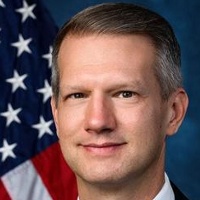
Riley Moore
Representative
WV
Riley Moore
Representative
WV
The Denaturalization and Expulsion of Persons who Orchestrate Radical Terrorism Act of 2026 (DEPORT Act of 2026) establishes new terrorism-related attestations required for naturalization. It allows terrorism convictions and conduct to serve as evidence that citizenship was illegally procured, potentially leading to denaturalization. Furthermore, the bill makes individuals convicted of covered terrorism offenses inadmissible, subject to mandatory revocation of existing immigration benefits, and permanently barred from future admission.
This Act mandates that federal agencies must purchase only United States-produced seafood for covered food programs, with limited exceptions based on domestic availability or quality.

Julia Letlow
Representative
LA
Julia Letlow
Representative
LA
The Buy American Seafood Act mandates that federal agencies must purchase only United States-produced seafood for covered food programs, including school meals and disaster relief. This requires seafood to be caught by U.S.-flagged vessels or domestically farmed and processed within the U.S. Waivers are permitted only if the Secretary of Agriculture certifies that domestic supply is insufficient or fails to meet quality standards.
This act permanently extends and enhances the Trump Accounts contribution program, adjusting the contribution amount for inflation starting in 2029.

Adrian Smith
Representative
NE
Adrian Smith
Representative
NE
The Trump Accounts for All Generations Act makes the existing Trump Accounts contribution program permanent, removing its scheduled expiration date. It also adjusts the annual contribution amount for inflation starting in 2029, ensuring the program's long-term stability. These changes are effective for tax years beginning after December 31, 2026.
This act establishes a federal crime with severe penalties for knowingly misrepresenting the source of DNA used in assisted reproductive technology or artificial insemination.
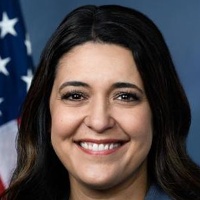
Stephanie Bice
Representative
OK
Stephanie Bice
Representative
OK
The Protecting Families from Fertility Fraud Act of 2026 establishes a new federal crime for knowingly misrepresenting the source of DNA used in assisted reproductive technology (ART) or artificial insemination. This offense, which applies when interstate or foreign commerce is involved, carries penalties of a fine and up to 10 years in prison. The bill also extends the statute of limitations for prosecution once the perpetrator is identified.
This bill clarifies that, under Title VII of the Civil Rights Act of 1964, discrimination based on sex does not include discrimination based on gender identity.
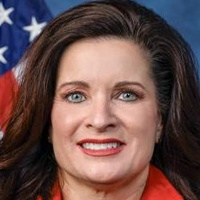
Sheri Biggs
Representative
SC
Sheri Biggs
Representative
SC
The Defending Women in the Workplace Act clarifies the interpretation of Title VII of the Civil Rights Act of 1964. It establishes that, for the purposes of federal anti-discrimination law, the terms "because of sex" or "on the basis of sex" do not include gender identity.
This bill prohibits individuals responsible for severe violations of religious freedom from entering the United States and mandates the public disclosure of their identities.
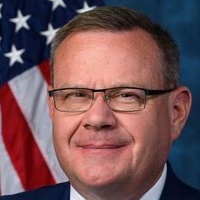
Tim Moore
Representative
NC
Tim Moore
Representative
NC
The Banning Perpetrators of Religious Persecution Act of 2026 restricts foreign individuals who have committed severe violations of religious freedom from entering the United States. The bill mandates that the State Department maintain a public list of these inadmissible individuals, ensuring transparency regarding those responsible for religious persecution. Exceptions to this public disclosure may be granted by the Secretary of State only when necessary to protect U.S. foreign policy interests.
The Federal Working Animal Protection Act makes non-citizens who harm law enforcement animals inadmissible to the United States and subject to deportation.
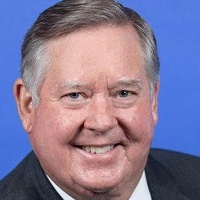
Ken Calvert
Representative
CA
Ken Calvert
Representative
CA
The Federal Working Animal Protection Act amends the Immigration and Nationality Act to make individuals who harm law enforcement animals inadmissible to the United States. Additionally, the bill establishes that such individuals are subject to deportation if they have been convicted of or admit to committing these offenses.
The SNAP Fraud Reporting Act of 2026 mandates that states submit comprehensive annual data on Supplemental Nutrition Assistance Program fraud to the Secretary of Agriculture to improve oversight and reporting to Congress.
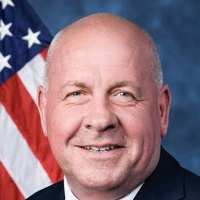
David Taylor
Representative
OH
David Taylor
Representative
OH
The SNAP Fraud Reporting Act of 2026 mandates that states submit detailed annual reports to the U.S. Secretary of Agriculture regarding fraud investigations, recoveries, and enforcement actions within the Supplemental Nutrition Assistance Program. This legislation aims to increase transparency and accountability by requiring the federal government to compile and publish this data for Congressional review. States that fail to comply with these reporting requirements will face a withholding of administrative funding.
The Deporting Fraudsters Act of 2026 mandates the inadmissibility and deportation of non-citizens convicted of defrauding the U.S. government or unlawfully receiving public benefits.
David Taylor
Representative
OH
David Taylor
Representative
OH
The Deporting Fraudsters Act of 2026 amends the Immigration and Nationality Act to make non-citizens inadmissible to and deportable from the United States if they commit fraud against the government or unlawfully receive public benefits. Additionally, the bill renders individuals convicted of these offenses ineligible for any form of immigration relief.