Legislative Activity
Track Nancy's sponsored bills, co-sponsored legislation, and voting record
This resolution honors law enforcement officers killed in the line of duty, specifically recognizing those who died in 2024, and expresses support for active officers and their need for proper resources.
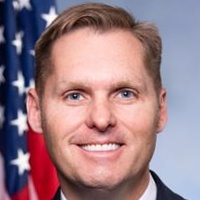
Michael Guest
Representative
MS
Michael Guest
Representative
MS
This resolution formally honors law enforcement officers killed in the line of duty, specifically recognizing the 345 officers whose service ended in 2024. It reaffirms support for all active officers and emphasizes the need to ensure they have the proper resources and training to perform their duties safely. The bill serves as a formal expression of gratitude and remembrance for their ultimate sacrifice.
This Act requires foreign shrimp facilities to meet U.S. safety standards through bilateral agreements or risk having their products blocked at the border.
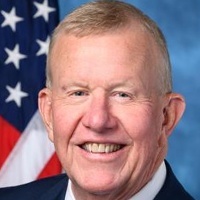
Mike Ezell
Representative
MS
Mike Ezell
Representative
MS
The Safer Shrimp Imports Act establishes new requirements for foreign facilities that process or pack shrimp destined for the U.S. market. It mandates that foreign governments must agree to U.S. safety standards or demonstrate that their inspection systems are equivalent to the FDA's. Shrimp from countries refusing cooperation or lacking adequate oversight will be blocked from entering the United States.
This bill mandates that federal research entities report detailed, categorized data on the number of animals used in research based on pain and distress levels, making this information publicly accessible through an NIH database.
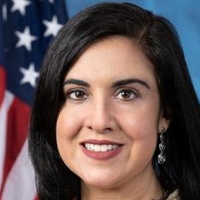
Nicole Malliotakis
Representative
NY
Nicole Malliotakis
Representative
NY
The Federal Animal Research Accountability Act of 2025 mandates that entities using animals in NIH-funded research must annually report detailed data on animal use, broken down by the level of pain or distress experienced. This comprehensive information, including the number of animals bred or housed but not yet used, will be made publicly available in a searchable database by the NIH. These new transparency requirements are set to begin two years after the bill's enactment.
The Captive Primate Safety Act of 2025 bans the interstate commerce, breeding, and possession of most nonhuman primates, with limited exceptions for existing registered owners and research facilities.

Mike Quigley
Representative
IL
Mike Quigley
Representative
IL
The Captive Primate Safety Act of 2025 amends the Lacey Act to prohibit the importation, sale, breeding, and possession of most nonhuman primates across state lines. This sweeping ban includes species like monkeys and lemurs, with limited exceptions for registered research facilities and existing owners who register their animals promptly. The law establishes immediate prohibitions, even before the Secretary of the Interior finalizes all associated regulations.
This Act establishes a grant program through the Department of Homeland Security to fund medical care for retired Federal working dogs living with their former handlers.
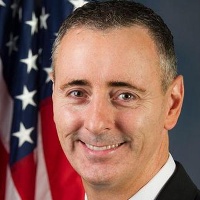
Brian Fitzpatrick
Representative
PA
Brian Fitzpatrick
Representative
PA
The Honoring our K9 Heroes Act establishes a new grant program administered by the Department of Homeland Security to help cover medical expenses for retired Federal working dogs. Eligible non-profit organizations with a history of supporting these retired K9s can apply for funding. This initiative is authorized with $1 million annually from Fiscal Year 2026 through 2030 to support dogs living with their former handlers.
The Better CARE for Animals Act of 2025 strengthens the enforcement of the Animal Welfare Act by expanding investigative authority, establishing new civil penalties up to \$10,000 per day, and explicitly granting the Attorney General power to file civil actions, including seeking seizure and forfeiture of animals.
Nicole Malliotakis
Representative
NY
Nicole Malliotakis
Representative
NY
The Better CARE for Animals Act of 2025 significantly strengthens enforcement of the Animal Welfare Act by clarifying definitions and expanding the scope of investigations. It grants the Attorney General explicit authority to file civil actions seeking penalties up to $10,000 per day, and mandates that collected fines help cover temporary animal care costs. The bill also requires the Secretary of Agriculture and the Attorney General to establish a formal agreement for coordinated enforcement.
This Act prohibits the use of federal funds for medical research involving live animal testing in designated foreign countries, including China, Iran, North Korea, and Russia.

Lisa McClain
Representative
MI
Lisa McClain
Representative
MI
The Accountability in Foreign Animal Research Act prohibits the use of federal funds for medical research or experiments involving live vertebrate animals conducted in or controlled by designated foreign countries, including China, Iran, North Korea, and Russia. This legislation prevents the Department of Health and Human Services from directly funding or supporting any entity in these nations that conducts such animal testing. The Secretary of HHS is also granted the authority to add other "countries of concern" to this banned list, subject to reporting requirements to Congress.
This bill prohibits landlords of federally assisted rental housing from banning tenants from lawfully possessing firearms within their private dwelling units.
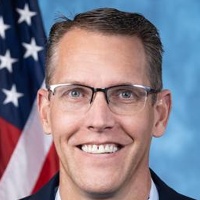
Randy Feenstra
Representative
IA
Randy Feenstra
Representative
IA
This bill, the PROTECT the Second Amendment Act, prevents landlords of federally assisted rental housing from banning tenants who lawfully possess firearms within their private dwelling units. It ensures residents in subsidized housing can legally keep their firearms inside their apartments. The legislation also permits the transportation of firearms through common areas only when moving directly to or from the unit.
The Safeguard American Voter Eligibility (SAVE) Act mandates that individuals registering to vote in federal elections must present documentary proof of U.S. citizenship.

Chip Roy
Representative
TX
Chip Roy
Representative
TX
The Safeguard American Voter Eligibility Act (SAVE Act) significantly amends federal law to require individuals registering to vote in federal elections to present documentary proof of U.S. citizenship. This legislation mandates that states actively clean their voter rolls and cooperate with federal agencies to verify citizenship status. It establishes new criminal penalties for officials who fail to enforce these documentation requirements.
This bill prohibits the sale or release of petroleum products from the Strategic Petroleum Reserve to any entity owned, controlled, or influenced by the Chinese Communist Party, and bars exports of SPR oil to the People's Republic of China.
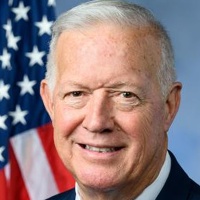
Randy Weber
Representative
TX
Randy Weber
Representative
TX
This bill, the Protecting America’s Strategic Petroleum Reserve from China Act, strictly prohibits the sale or release of oil from the U.S. Strategic Petroleum Reserve (SPR) to any entity owned, controlled, or influenced by the Chinese Communist Party. Furthermore, it prevents the sale of SPR products to non-Chinese buyers if those products are intended for export to the People's Republic of China. The legislation aims to safeguard U.S. energy reserves from benefiting the Chinese government.
This Act redefines immediate relatives for immigration, caps family-sponsored visas, and creates a new, non-work, temporary visa for parents of adult U.S. citizens.
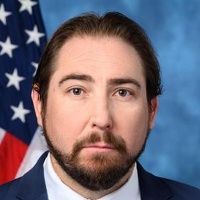
Eli Crane
Representative
AZ
Eli Crane
Representative
AZ
The Nuclear Family Priority Act significantly restructures U.S. family-based immigration by redefining "immediate relatives" to only include spouses and children of U.S. citizens, removing parents from that top category. It also establishes a new, temporary nonimmigrant visa for parents of adult U.S. citizens, which prohibits work and public benefits. Furthermore, the bill revises the annual cap for family-sponsored visas and makes numerous technical amendments across immigration law to align with these changes.
The POWER Act of 2025 establishes a temporary, income-limited tax credit of up to \$500 for qualified homeowners in disaster-prone areas who purchase an emergency generator.
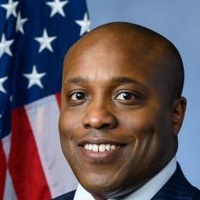
Wesley Hunt
Representative
TX
Wesley Hunt
Representative
TX
The POWER Act of 2025 establishes a new, temporary tax credit of up to $500 for individuals who purchase an emergency generator for their primary residence. To qualify, homeowners must have experienced at least two major disasters in their area within the last five years and personally received federal assistance for one of those events. The credit amount is subject to phase-out based on the taxpayer's modified adjusted gross income.
The FISCAL Act updates the National School Lunch Program requirements to mandate that schools offer both traditional fluid milk and plant-based milk options.
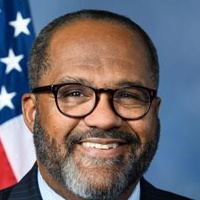
Troy Carter
Representative
LA
Troy Carter
Representative
LA
The FISCAL Act updates the National School Lunch Program requirements regarding milk offerings. This legislation mandates that schools must offer both traditional fluid milk and plant-based milk options to students. Furthermore, the bill establishes a framework for the Secretary to set nutritional standards for any qualifying plant-based milk offered under the program.
This resolution formally condemns the wave of domestic terrorism attacks targeting Tesla vehicles and dealerships nationwide and acknowledges the joint FBI-ATF investigation into these violent incidents.
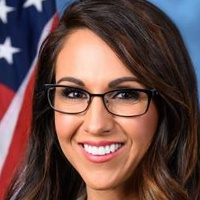
Lauren Boebert
Representative
CO
Lauren Boebert
Representative
CO
This resolution formally condemns the recent wave of violent domestic terrorism attacks targeting Tesla vehicles and dealerships across the nation. It highlights numerous incidents, including arson, gunfire, and vandalism, that have occurred in multiple states. In response to this escalation, the bill notes that the FBI and ATF have established a joint task force to investigate these serious, politically motivated attacks.
This Act mandates comprehensive software inventory assessments and strategic modernization plans for federal agencies to improve management, reduce unnecessary spending, and enhance interoperability of software assets.

Gerald Connolly
Representative
VA
Gerald Connolly
Representative
VA
The Strengthening Agency Management and Oversight of Software Assets Act mandates that federal agencies conduct comprehensive software inventories and develop detailed modernization plans to consolidate licenses and reduce unnecessary spending. This legislation requires agencies to identify all software entitlements, usage restrictions, and redundant assets to improve interoperability and cost efficiency. The resulting reports and plans must be submitted to key oversight bodies, with the GAO later reviewing government-wide software asset management trends. No new funding is authorized for the implementation of this Act.
This resolution formally recognizes the 250th anniversary of the United States Marine Corps, honoring its legacy, service, and core values.
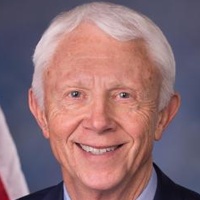
Jack Bergman
Representative
MI
Jack Bergman
Representative
MI
This resolution formally recognizes the upcoming 250th anniversary of the United States Marine Corps in 2025. Congress is honoring the Corps' long history, core values of honor, courage, and commitment, and its consistent readiness to defend the nation. The bill encourages the public to join in celebrating this significant milestone and acknowledging the service and sacrifice of all Marines.
The "Paycheck Protection Act" prohibits federal agencies and the Postal Service from deducting labor organization dues, fees, or political contributions from employee paychecks.
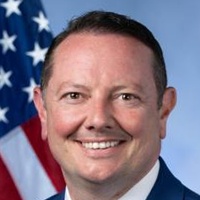
Eric Burlison
Representative
MO
Eric Burlison
Representative
MO
The Paycheck Protection Act prohibits federal agencies and the U.S. Postal Service from deducting labor organization dues, fees, or political contributions from an employee's paycheck. This act amends existing sections of Title 5 and Title 39 of the United States Code to reflect these changes.
This bill establishes national reciprocity for concealed carry permits, allowing individuals legally permitted to carry in their home state to carry a handgun in any other state that allows concealed carry.
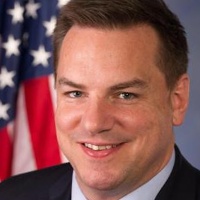
Richard Hudson
Representative
NC
Richard Hudson
Representative
NC
The Constitutional Concealed Carry Reciprocity Act of 2025 establishes a national standard for carrying concealed handguns across state lines. This act allows individuals legally permitted to carry in their home state to carry concealed in any other state that allows its residents to carry concealed firearms. The law does not override private property restrictions or prohibitions on government property, but it provides protections and legal recourse for those traveling in compliance with the new federal standard.
This act updates executive branch reorganization authority by expanding presidential objectives, redefining covered entities, removing certain restrictions, and extending the relevant deadlines to 2026.

James Comer
Representative
KY
James Comer
Representative
KY
The Reorganizing Government Act of 2025 updates the laws governing presidential executive reorganization plans. This bill expands the objectives for these plans to include reducing federal employees and eliminating burdensome regulations. It also extends the authority for the President to submit reorganization plans to Congress until the end of 2026.
The Puppy Protection Act of 2025 establishes stricter housing, daily care, veterinary, and breeding standards for dog dealers under the Animal Welfare Act.
Brian Fitzpatrick
Representative
PA
Brian Fitzpatrick
Representative
PA
The Puppy Protection Act of 2025 significantly increases humane treatment standards for dog dealers under the Animal Welfare Act. This legislation mandates specific minimum space requirements, daily exercise access, and mandatory socialization for housed dogs. Furthermore, it establishes strict limits on female dog breeding frequency and age, alongside enhanced veterinary care protocols.