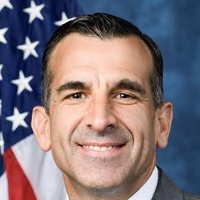
Legislative Activity
Track Sam's sponsored bills, co-sponsored legislation, and voting record
This bill expands the Family and Medical Leave Act (FMLA) to grant eligible employees up to 26 weeks of leave to care for a covered service member or for their own service-related injuries, while also broadening the definition of "family" for military leave purposes.
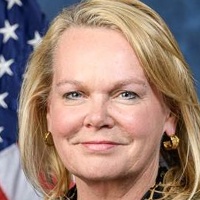
April McClain Delaney
Representative
MD
April McClain Delaney
Representative
MD
The MIL FMLA Act significantly expands existing family and medical leave protections under the FMLA for military families and veterans. It broadens the definition of covered family relationships to include domestic partners and other close relations when caring for a service member. The bill establishes a new entitlement of up to 26 workweeks of leave for caring for a covered service member or for a service member's own serious service-related injury or illness. These changes also apply to federal civilian employees, updating definitions and leave entitlements within Title 5 of the U.S. Code.
This resolution officially recognizes the cultural and historical significance of Cinco de Mayo, celebrating the Mexican victory at the Battle of Puebla and encouraging its observance in the United States.
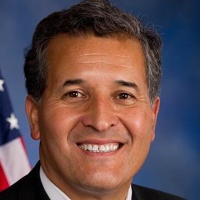
Juan Vargas
Representative
CA
Juan Vargas
Representative
CA
This resolution officially recognizes Cinco de Mayo as a significant holiday celebrating the Mexican victory over the French at the Battle of Puebla in 1862. It honors the historical importance of this day as a symbol of self-governance and democracy. Furthermore, the bill encourages the observance of Cinco de Mayo in the United States to celebrate the vibrant culture and strong relationship between the people of Mexico and the U.S.
This Act officially renames the "Taipei Economic and Cultural Representative Office" to the "Taiwan Representative Office" to align U.S. policy with treating Taiwan with the courtesies afforded to other nations, without altering the official U.S. stance on Taiwan's status.
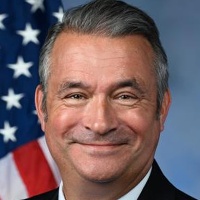
Don Bacon
Representative
NE
Don Bacon
Representative
NE
This Act officially renames Taiwan's primary diplomatic office in the U.S. from the "Taipei Economic and Cultural Representative Office" to the "Taiwan Representative Office." It directs the U.S. government to treat this office with the diplomatic courtesies afforded to other foreign nations, consistent with existing U.S. policy. This renaming does not alter the official U.S. stance on Taiwan's international status or restore full diplomatic relations.
This bill bans the manufacture, sale, and transfer of specific semiautomatic assault weapons and large-capacity ammunition feeding devices while grandfathering existing possessions and establishing new transfer requirements.
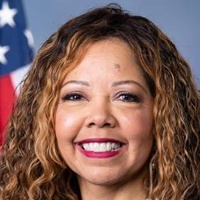
Lucy McBath
Representative
GA
Lucy McBath
Representative
GA
The Assault Weapons Ban of 2025 comprehensively defines and bans the manufacture, sale, and transfer of specific semiautomatic assault weapons and large capacity ammunition feeding devices. The bill grandfathers existing weapons but imposes new requirements for their secure storage and mandates dealer involvement for future private transfers. It also allows federal grant money to be used by states for buy-back programs targeting these banned items.
This resolution recognizes the 50th anniversary of the Fall of Saigon, honoring the history, service, and contributions of Vietnamese Americans while reaffirming U.S. commitment to democracy and human rights.
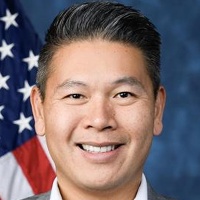
Derek Tran
Representative
CA
Derek Tran
Representative
CA
This resolution commemorates the 50th anniversary of the Fall of Saigon and recognizes the profound contributions of Vietnamese Americans to the United States. It honors those who fled the communist regime after April 30, 1975, and reaffirms American commitment to democracy and human rights. The bill encourages all citizens to observe this anniversary and remember the sacrifices made in the pursuit of freedom.
The Equality Act comprehensively prohibits discrimination based on sex, sexual orientation, and gender identity across key areas including public accommodations, employment, housing, credit, and jury service.
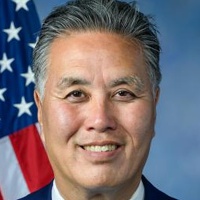
Mark Takano
Representative
CA
Mark Takano
Representative
CA
The Equality Act comprehensively expands federal civil rights protections against discrimination based on sex, sexual orientation, and gender identity across key areas of American life. It amends existing laws to prohibit discrimination in public accommodations, housing, credit, employment, and federal funding. The purpose of the bill is to provide consistent, explicit, and comprehensive remedies for individuals facing bias in these essential sectors.
This Act authorizes the President to impose sanctions, including asset freezes and visa bans, on foreign individuals involved in violence, property destruction, or displacement in the West Bank.
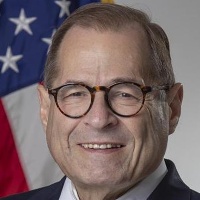
Jerrold Nadler
Representative
NY
Jerrold Nadler
Representative
NY
The West Bank Violence Prevention Act of 2025 declares extreme settler violence and displacement in the West Bank a threat to U.S. national security interests. This Act mandates the President to impose sanctions, including asset freezes and visa bans, on foreign individuals responsible for undermining peace and stability in the region. The Treasury Department must report to Congress on the implementation of these sanctions every 90 days.
The Save BRIC Act mandates proactive disaster mitigation measures, reversing the cancellation of the BRIC program to save billions in future recovery costs.
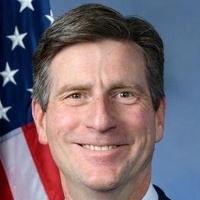
Greg Stanton
Representative
AZ
Greg Stanton
Representative
AZ
The Save BRIC Act aims to reinstate and strengthen proactive disaster mitigation efforts, emphasizing that preparation saves significant taxpayer money compared to recovery costs. Specifically, this bill mandates certain actions within existing disaster relief frameworks that were previously optional. By making these mitigation steps required, the Act seeks to build more resilient infrastructure and protect communities before the next disaster strikes.
This Act permanently prohibits new oil and gas exploration, development, and production on the Outer Continental Shelf off the coasts of California, Oregon, and Washington.
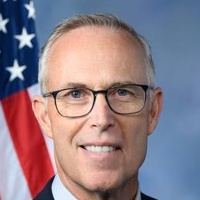
Jared Huffman
Representative
CA
Jared Huffman
Representative
CA
The West Coast Ocean Protection Act of 2025 permanently prohibits all new oil and gas exploration, development, and production on the Outer Continental Shelf off the coasts of California, Oregon, and Washington. This legislation specifically bans the Secretary of the Interior from issuing any new leases or permissions for drilling activities in designated planning areas. The goal is to secure long-term protection for these vital West Coast marine environments.
This bill grants enhanced due process protections and potential reinstatement rights to certain federal employees removed during their probationary period following a promotion.
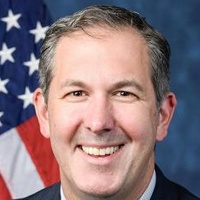
Johnny Olszewski
Representative
MD
Johnny Olszewski
Representative
MD
This bill provides enhanced employment protections and reinstatement options for certain Federal career employees who were serving under a probationary period following a promotion. It grants these employees standard due process rights against unfair removal while on probation. Furthermore, it allows employees removed between January 20, 2025, and the date of enactment to elect reinstatement to their former or an equivalent position with back pay. These protections generally exclude those promoted into or removed from political positions.
The WISE Act aims to remove barriers for immigrant survivors of crime and abuse seeking legal status, while significantly reforming and expanding protections within the U-visa program and other victim-based immigration relief.

Pramila Jayapal
Representative
WA
Pramila Jayapal
Representative
WA
The Working for Immigrant Safety and Empowerment (WISE) Act aims to strengthen protections and streamline legal pathways for non-citizen survivors of crime and abuse, including domestic violence and trafficking. The bill reforms the U-visa program by eliminating its annual cap and speeding up work authorization for victims. It also establishes new protections against detention and deportation for victims with pending humanitarian applications and expands access to public benefits for certain lawfully present noncitizens.
This act permanently bans new oil and gas leasing for exploration and production in the Central California Planning Area offshore.
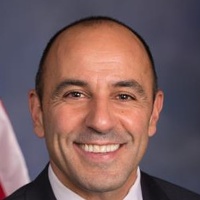
Jimmy Panetta
Representative
CA
Jimmy Panetta
Representative
CA
The Central Coast of California Conservation Act of 2025 permanently prohibits the Secretary of the Interior from issuing new oil and gas leases in the Central California Planning Area. This legislation secures the protection of this offshore region from future energy exploration and development.
The California Clean Coast Act of 2025 permanently prohibits new oil and gas leasing and related activities on the Outer Continental Shelf off the coast of California while preserving existing leases.
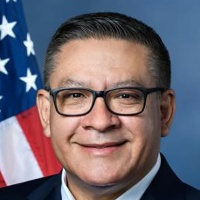
Salud Carbajal
Representative
CA
Salud Carbajal
Representative
CA
The California Clean Coast Act of 2025 permanently prohibits all new federal oil and gas leasing and related activities on the outer Continental Shelf off the coast of California. This measure ensures no future drilling permits can be issued in these sensitive waters. However, the Act explicitly preserves the rights of any existing oil and gas leases already in effect.
This act permanently bans new oil and gas leasing for exploration, development, or production in the Southern California Planning Area.
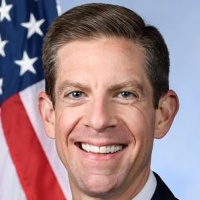
Mike Levin
Representative
CA
Mike Levin
Representative
CA
The Southern California Coast and Ocean Protection Act permanently prohibits the Secretary of the Interior from issuing any new oil or gas leases within the Southern California Planning Area. This measure specifically bans all exploration, development, and production authorizations in the region defined by the September 2023 leasing program. The Act ensures long-term protection for the Southern California coast against new offshore drilling activities.
This bill establishes the American Family Act, which revamps the Child Tax Credit into a system of refundable monthly advance payments for qualifying children and a separate credit for other dependents.

Rosa DeLauro
Representative
CT
Rosa DeLauro
Representative
CT
The American Family Act fundamentally overhauls the Child Tax Credit by replacing the annual lump sum with a system of advance, refundable monthly payments delivered directly to families. These monthly allowances vary based on the child's age, with higher amounts provided for younger children. The bill also establishes a separate, smaller credit for other dependents and outlines procedures for annual renewal and reconciliation of advance payments when filing taxes.
This Act establishes federal minimum standards for public employee collective bargaining rights, allowing states to maintain their own laws if they meet or exceed these standards, otherwise the Federal Labor Relations Authority will enforce federal rules.
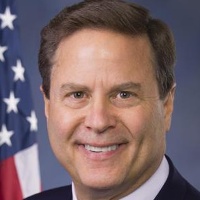
Donald Norcross
Representative
NJ
Donald Norcross
Representative
NJ
The Public Service Freedom to Negotiate Act of 2025 establishes federal minimum standards for collective bargaining rights for public employees across the nation. It requires the Federal Labor Relations Authority (FLRA) to review state laws to ensure they substantially provide these minimum rights, including the right to organize and bargain collectively. If a state fails to meet these standards, the FLRA will administer federal labor relations rules for the uncovered employees. The Act also prohibits strikes or lockouts that would measurably disrupt emergency or public safety services.
This bill officially terminates the national emergency declared by the President on April 2, 2025, under Executive Order 14257.
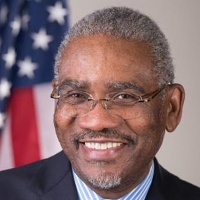
Gregory Meeks
Representative
NY
Gregory Meeks
Representative
NY
This bill officially terminates the national emergency that the President declared on April 2, 2025, under Executive Order 14257. It utilizes the authority of the National Emergencies Act to immediately end the emergency declaration. Consequently, all special powers and authorities activated by that declaration are rescinded.
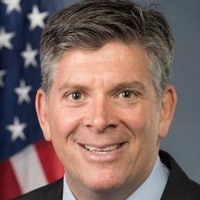
The Affordable Housing Credit Improvement Act of 2025 updates state allocation formulas, reforms tenant eligibility and credit determination rules, and enhances assistance for Native American and rural housing projects.
Darin LaHood
Representative
IL
Darin LaHood
Representative
IL
The Affordable Housing Credit Improvement Act of 2025 updates federal housing tax credit allocations to reflect current economic realities and boosts minimum state allotments. It reforms tenant eligibility rules to stabilize tenancy and enhance protections for vulnerable residents, including victims of abuse. The bill also provides disaster relief for property owners, increases incentives for housing the extremely low-income, and directs greater resources toward Native American and rural housing needs. Finally, it streamlines administrative processes and signals a future focus on data transparency and discouraging restrictive local zoning.
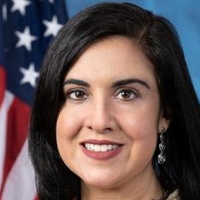
The End Kidney Deaths Act establishes a \$50,000 federal tax credit over five years for individuals who make non-directed living kidney donations between 2027 and 2036.
Nicole Malliotakis
Representative
NY
Nicole Malliotakis
Representative
NY
The End Kidney Deaths Act establishes a new federal tax credit for individuals who make non-directed living kidney donations. Eligible donors will receive an annual \$10,000 tax credit for five consecutive years, totaling a potential \$50,000 benefit. This provision is designed to incentivize altruistic donation while ensuring the credit is not considered payment for the organ.
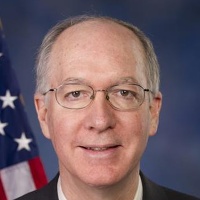
This bill streamlines security vetting for international STEM graduate students and creates a new pathway to lawful permanent residency for those holding advanced U.S. STEM degrees with qualifying job offers.
Bill Foster
Representative
IL
Bill Foster
Representative
IL
The Keep STEM Talent Act of 2025 aims to strengthen security vetting for international graduate students in STEM fields while creating a new pathway to permanent residency for those who earn advanced STEM degrees in the U.S. The bill mandates pre-admission applications and enhanced background checks for incoming STEM graduate students. Furthermore, it establishes a streamlined green card category for advanced STEM degree holders with qualifying job offers, allowing them to pursue permanent residency without jeopardizing their current student status.