Legislative Activity
Track Summer's sponsored bills, co-sponsored legislation, and voting record
This act mandates that employers provide employees with at least two hours of paid leave to vote in federal elections, with the employer determining the specific time the leave is taken.
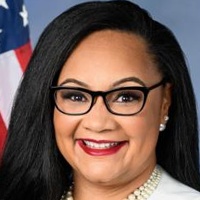
Nikema Williams
Representative
GA
Nikema Williams
Representative
GA
The Time Off to Vote Act mandates that employers provide employees with at least two consecutive hours of paid leave to vote in federal elections. Employers retain control over when this paid leave is taken, which can include early voting periods if permitted by state law. This Act prohibits employers from penalizing employees for utilizing this required voting leave.
This bill updates voting rights requirements by expanding language assistance definitions, creating incentive grants for voluntary translation services, and mandating a study on lowering language assistance thresholds.
Nikema Williams
Representative
GA
Nikema Williams
Representative
GA
The Expanding the VOTE Act updates language assistance requirements under the Voting Rights Act by modernizing the definition of "voting materials" to include digital information. It also establishes new state responsibilities for providing language assistance and creates a grant program to incentivize voluntary language support beyond current mandates. Furthermore, the bill includes special provisions for unwritten American Indian and Alaska Native languages and mandates a study on lowering thresholds for language assistance coverage.
This Act mandates the distribution of voter registration information to individuals receiving federal rental assistance or applying for residential mortgages.
Nikema Williams
Representative
GA
Nikema Williams
Representative
GA
The Voters on the Move Registration Act of 2025 mandates that standardized, multilingual voter registration information be provided to individuals applying for certain federally assisted rental housing or residential mortgages. This ensures that tenants and mortgage applicants receive clear instructions on how to register to vote. The Bureau of Consumer Financial Protection is tasked with creating this uniform voter information statement. This requirement focuses solely on providing information, not compelling voter registration.
The CHALLENGES Act establishes strict requirements and penalties to prevent individuals from submitting dishonest or unsupported challenges to registered voters' eligibility.
Nikema Williams
Representative
GA
Nikema Williams
Representative
GA
The CHALLENGES Act aims to protect election integrity by establishing strict new requirements to prevent dishonest or bad-faith challenges to registered voters' eligibility. It mandates that individuals challenging a voter's status must provide specific, firsthand evidence and swear under oath, while also imposing criminal penalties for knowingly submitting false challenges. Furthermore, the bill requires online challenge systems to reject anonymous submissions and clearly state the prohibition against bad-faith filings.
This Act establishes a new federal program to provide dedicated, long-term funding to states for improving election administration, security, and accessibility, managed by a new federal office.
Nikema Williams
Representative
GA
Nikema Williams
Representative
GA
The Sustaining Our Democracy Act establishes a new federal program to provide annual grants to states for improving election administration, security, and accessibility, managed by a newly created Office of Democracy Advancement and Innovation. This funding is supported by a dedicated ten-year Trust Fund to ensure stable resources for election infrastructure upgrades. The bill imposes strict rules on how states can use the money, including prohibitions against purchasing insecure voting machines or restricting basic voter support. If states fail to comply, the federal Director can bypass state government to fund local election subdivisions directly.
This Act secures and expands voting rights for unhoused citizens by prohibiting residency-based disenfranchisement, establishing new accessibility requirements, and creating federal grants to support local outreach efforts.
Nikema Williams
Representative
GA
Nikema Williams
Representative
GA
The Unhoused Voter Opportunity Through Elections Act aims to secure and expand the right to vote for citizens experiencing homelessness by prohibiting residency-based disenfranchisement. It mandates accessible registration methods, requires outreach from service providers, and establishes federal grants to help local governments implement these protections. Ultimately, this legislation seeks to ensure that where a person sleeps cannot be a barrier to their participation in federal elections.
This bill repeals specific prior health reconciliation provisions and expands eligibility for the Premium Tax Credit by removing the 400% income cap and adjusting the subsidy calculation formula.
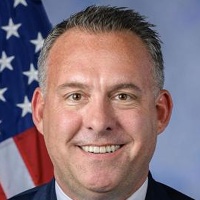
Adam Gray
Representative
CA
Adam Gray
Representative
CA
The Protecting Health Care and Lowering Costs Act of 2025 repeals specific prior reconciliation health provisions. This bill significantly expands eligibility for the Premium Tax Credit by eliminating the 400% Federal Poverty Level income cap. It also updates the subsidy calculation formula to ensure a smoother, linear adjustment of assistance across various income levels.
This act authorizes $50 million annually from 2026 through 2031 for the CDC to conduct research on firearms safety and gun violence prevention.
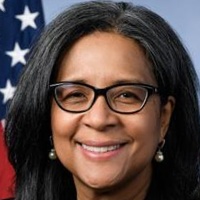
Marilyn Strickland
Representative
WA
Marilyn Strickland
Representative
WA
The Gun Violence Prevention Research Act of 2025 authorizes $50 million annually for the Centers for Disease Control and Prevention (CDC) to conduct or support research on firearms safety and gun violence prevention. This dedicated funding is authorized for each fiscal year from 2026 through 2031. This new allocation is separate from and in addition to any existing CDC research funding.
This act repeals the prohibition on Medicaid payments to certain healthcare entities and mandates retroactive payment for services already rendered under the repealed ban.
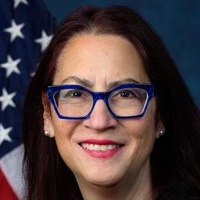
Laura Friedman
Representative
CA
Laura Friedman
Representative
CA
The Restoring Essential Healthcare Act repeals an outdated ban that prevented Medicaid from making payments to certain healthcare providers. This legislation ensures that these previously prohibited entities will now be reimbursed for medical services rendered between the enactment of the original ban and the passage of this Act. In short, it restores payment eligibility and retroactively covers past services.
The Medical Debt Relief Act of 2025 prohibits reporting medical debt to credit bureaus and bans lenders from using medical debt information when making credit decisions.
Nikema Williams
Representative
GA
Nikema Williams
Representative
GA
The Medical Debt Relief Act of 2025 aims to shield consumers from the negative impact of medical bills on their financial standing. This legislation prohibits the reporting of any adverse information related to medical debt on consumer credit reports under the Fair Credit Reporting Act. Furthermore, it bans lenders from using a consumer's medical debt history when making decisions about granting credit.
The EATS Act of 2025 expands eligibility for SNAP benefits by removing previous restrictions for students enrolled at least half-time in recognized educational programs.
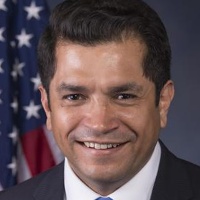
Jimmy Gomez
Representative
CA
Jimmy Gomez
Representative
CA
The EATS Act of 2025 significantly updates eligibility for the Supplemental Nutrition Assistance Program (SNAP) by removing previous restrictions that often disqualified students. This legislation explicitly includes bona fide students enrolled at least half-time in recognized educational programs as eligible participants for food assistance. These changes take effect on January 2, 2026.
The Ethics in Energy Act of 2025 prohibits covered utilities from passing the costs of political influence activities onto ratepayers and mandates detailed annual reporting of such expenses to FERC.
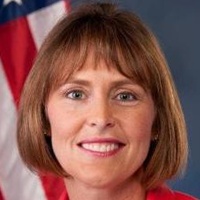
Kathy Castor
Representative
FL
Kathy Castor
Representative
FL
The Ethics in Energy Act of 2025 prohibits covered electric and natural gas utilities from passing the costs of political influencing activities onto their customers through rate requests. The Act mandates that FERC establish new accounting rules to segregate these "covered expenses" and requires utilities to submit detailed annual reports on all such political spending. Utilities found to have wrongly charged ratepayers for these expenses will face significant financial penalties, with collected funds split between customer rebates and enforcement.
The All Aboard Act of 2025 establishes major federal funding programs and mandates for electrifying the national rail network, expanding high-performance passenger service, and developing the necessary zero-emission workforce.
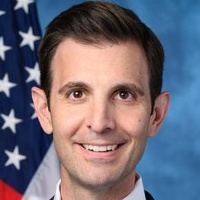
Chris Deluzio
Representative
PA
Chris Deluzio
Representative
PA
The All Aboard Act of 2025 is a comprehensive bill designed to significantly modernize and expand American passenger and freight rail networks. It establishes major funding streams to incentivize the transition to zero-emission locomotives, electrify infrastructure, and improve high-performance rail service nationwide. The Act also mandates strong labor protections, workforce development programs, and prioritizes investments in environmental justice communities.
The Protected Time Off Act establishes a federal minimum accrual rate of one hour of paid annual leave for every 25 hours worked, while protecting employees' rights to use and enforce this earned time off.
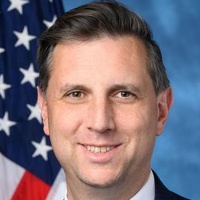
Seth Magaziner
Representative
RI
Seth Magaziner
Representative
RI
The Protected Time Off Act establishes a federal minimum standard for earned paid annual leave, requiring employers to grant employees at least one hour of paid time off for every 25 hours worked, up to 80 hours annually. This law specifies how leave is accrued, used, and rolled over, while protecting employees from retaliation for exercising these rights. It also ensures that existing state laws or agreements that provide more generous leave benefits remain in effect. Enforcement mechanisms are established, largely mirroring those under the Fair Labor Standards Act, allowing both government investigation and direct employee lawsuits.
This Act prohibits the shackling and detention of pregnant and postpartum noncitizens except in extraordinary, narrowly defined circumstances, while mandating comprehensive healthcare access and staff training.
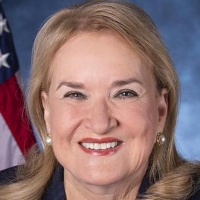
Sylvia Garcia
Representative
TX
Sylvia Garcia
Representative
TX
The Stop Shackling and Detaining Pregnant Women Act aims to significantly reform the detention of pregnant and postpartum noncitizens by establishing a presumption against their detention. This bill strictly limits the use of physical restraints on pregnant detainees and mandates comprehensive reproductive healthcare access. Furthermore, it requires detailed quarterly and annual reporting on the treatment and outcomes of pregnant individuals in custody.
This Act prioritizes federal research and development funding for controlling the invasive Spotted Lanternfly and extends key agricultural research programs through 2030.
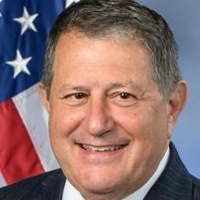
Joseph Morelle
Representative
NY
Joseph Morelle
Representative
NY
The Spotted Lanternfly Research and Development Act prioritizes federal funding for research and extension programs specifically aimed at controlling the invasive Spotted Lanternfly. This legislation ensures that developing effective tools and treatments against this pest becomes a high-priority initiative. Additionally, the Act extends the authorization for several existing high-priority agricultural research programs until 2030.
This resolution expresses congressional disapproval of the United States Fish and Wildlife Service's submitted rule regarding the Barred Owl Management Strategy.
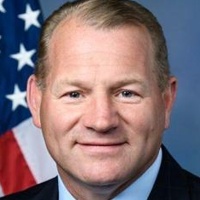
Troy Nehls
Representative
TX
Troy Nehls
Representative
TX
This joint resolution expresses the disapproval of Congress regarding the United States Fish and Wildlife Service's recently submitted rule on the "Barred Owl Management Strategy." By invoking the Congressional Review Act, this action nullifies the proposed management strategy, preventing it from taking legal effect. Essentially, Congress is rejecting the USFWS's plan for managing Barred Owls.
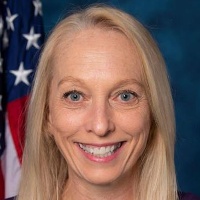
The Corporate Crime Database Act of 2025 establishes a public, searchable national database managed by the Bureau of Justice Statistics to track and report on federal enforcement actions related to corporate offenses.
Mary Scanlon
Representative
PA
Mary Scanlon
Representative
PA
The Corporate Crime Database Act of 2025 establishes a new, public, and searchable national database managed by the Bureau of Justice Statistics to track federal enforcement actions against corporate offenses. This database will require federal agencies to report detailed information on violations, enforcement outcomes, and involved entities. The Act mandates annual public reporting and analysis of the data to Congress, including estimates of victim harm and recommendations for future crime prevention.
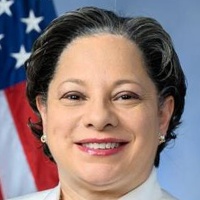
This bill establishes a mandatory system for the Department of Homeland Security to track, record, and report all instances of detaining or removing U.S. citizens or lawful permanent residents during immigration enforcement actions.
Jennifer McClellan
Representative
VA
Jennifer McClellan
Representative
VA
This bill mandates the Department of Homeland Security (DHS) to establish a comprehensive system for tracking and reporting all instances where U.S. citizens or lawful permanent residents are detained or removed during immigration enforcement actions. The system requires quarterly reports to Congress detailing these incidents, including those involving individuals transferred from other law enforcement agencies. Furthermore, the bill requires DHS to create a formal process allowing detained or removed individuals to submit proof of their citizenship or permanent resident status.
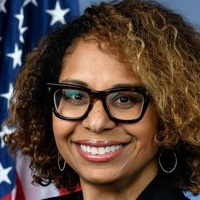
This Act severely restricts the use of solitary confinement in federal facilities, mandates a minimum of 14 hours of daily social interaction for all incarcerated individuals, and establishes strict oversight and state incentives to end the practice nationwide.
Sydney Kamlager-Dove
Representative
CA
Sydney Kamlager-Dove
Representative
CA
The End Solitary Confinement Act aims to drastically limit the use of solitary confinement in federal facilities by mandating a minimum of 14 hours of daily social interaction for all incarcerated individuals. The bill establishes strict emergency exceptions for isolation, prohibits its use against vulnerable populations, and creates an independent community monitoring body to ensure compliance. Furthermore, it incentivizes states to adopt similar standards by tying federal funding to adherence to these new minimum treatment requirements.