This act establishes the Benay Taub Lung Cancer Research Act to create a task force examining disparities in lung cancer research, funding, and treatment access, with recommendations to Congress for increasing federal research funding.
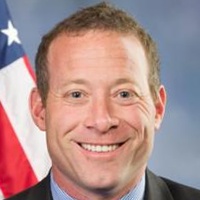
Josh Gottheimer
Representative
NJ-5
The Benay Taub Lung Cancer Research Act establishes a Lung Cancer Task Force within the National Institutes of Health. This task force is charged with examining disparities in lung cancer research, funding, and patient access compared to other diseases. The Act mandates that the Task Force submit a report to Congress with findings and recommendations, including proposals for increasing federal research funding.
New Act Mandates NIH Study on Lung Cancer Funding Disparities, Requires Congressional Report in 180 Days
The newly proposed Benay Taub Lung Cancer Research Act is short, focused, and has one clear mission: figuring out if lung cancer research is getting the short end of the stick compared to other major diseases.
The Mandate: A Deep Dive into Disparity
This bill establishes a Lung Cancer Task Force within the National Institutes of Health (NIH). Think of this task force as a specialized auditing team. Their job, according to the bill, is to examine disparities in lung cancer research, funding, and patient access to treatments. This isn’t just a casual look; the task force must specifically compare the level of Federal funding for lung cancer research against the actual burden caused by the disease (like the number of people affected).
To make sure this audit is comprehensive, the task force membership, appointed by the Secretary of Health and Human Services, must include experts from the National Cancer Institute (NCI) and the Centers for Disease Control and Prevention (CDC). This ensures that the team has both the research and public health perspectives covered. They will also be looking hard at current lung cancer screening practices across the U.S.
What This Means for Patients and Funding
If you or someone you know has dealt with lung cancer, this bill is about equity. Lung cancer is often tragically underfunded relative to its mortality rate, and this task force is meant to shine a spotlight on that exact problem. For patients, this could translate into better access to cutting-edge treatments and more widespread, effective screening programs down the line. It’s a move toward ensuring that research dollars track the actual scope of the health crisis.
The Clock is Ticking: A 180-Day Deadline
The most important part of this bill is the timeline. No later than 180 days after the bill becomes law, the Secretary must send a comprehensive report to Congress. This report must contain all the task force’s findings—where the disparities exist, why they exist, and most importantly, recommendations for increasing the level of Federal funding for lung cancer research. This quick turnaround suggests the intent is to rapidly move from analysis to action, setting the stage for potential budget shifts in the next fiscal cycle. In short, this bill doesn't fund research directly, but it creates the mandatory, policy-backed report needed to justify a significant push for new funding.