Legislative Activity
Track Michael's sponsored bills, co-sponsored legislation, and voting record
This bill restricts the travel within New York City for officials from Iran, designated Foreign Terrorist Organizations, and non-member UN organizations attending United Nations meetings.
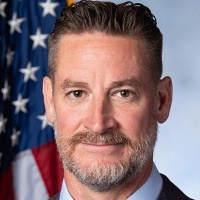
W. Steube
Representative
FL
W. Steube
Representative
FL
The Limiting Extremist Travel to the United Nations Act imposes strict travel conditions on certain foreign officials attending UN meetings in New York City. These restrictions specifically target officials from Iran, those linked to Foreign Terrorist Organizations (FTOs), and representatives from non-member UN organizations. The bill severely limits the movement of Iranian and FTO-linked officials to direct routes between airports, the UN, and their lodging, while others are restricted to a 25-mile radius and banned from educational institutions.
This Act establishes a multi-sector Task Force, led by the Treasury Secretary, to study, recommend strategies for, and report on preventing evolving electronic payment scams.
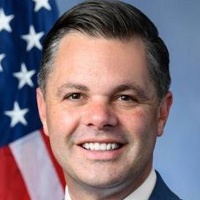
Zachary (Zach) Nunn
Representative
IA
Zachary (Zach) Nunn
Representative
IA
The Taskforce for Recognizing and Averting Payment Scams Act (TRAPS Act) establishes a new Task Force led by the Secretary of the Treasury. This diverse group, including federal agencies, industry experts, and consumer advocates, will study evolving payment scams. The Task Force is charged with developing cross-sector prevention strategies and submitting comprehensive recommendations for new laws and improved coordination to combat these fraudulent activities.
This bill establishes a competitive grant program to fund the creation and operation of pet-friendly interim and permanent housing for unhoused individuals, ensuring access to necessary supportive and veterinary care for both people and their companion animals.
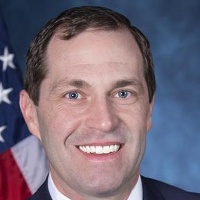
Jason Crow
Representative
CO
Jason Crow
Representative
CO
The Providing for Unhoused People and Pets Act of 2025 (PUPP Act) establishes a grant program to fund the creation and upgrading of interim and permanent housing that accommodates unhoused individuals along with their pets. Managed jointly by the Secretaries of Agriculture and HUD, these grants support construction, renovation, and essential pet-related operating costs. Grantees must ensure housing provides necessary supportive services for occupants and basic veterinary care for their companion animals.
The Afghan Adjustment Act creates pathways to conditional permanent residency for eligible Afghans already in the U.S. and establishes special refugee processing for at-risk Afghan allies who worked with U.S. interests.
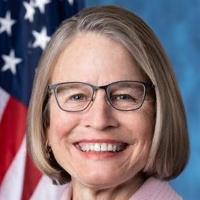
Mariannette Miller-Meeks
Representative
IA
Mariannette Miller-Meeks
Representative
IA
The Afghan Adjustment Act establishes new pathways for certain Afghan nationals already in the U.S. to obtain conditional permanent resident status, contingent upon rigorous security vetting. It also creates a special referral process for at-risk Afghan allies still outside the U.S. to access the U.S. Refugee Admissions Program remotely. Furthermore, the bill extends deadlines and expands eligibility for existing Special Immigrant Visas (SIVs) while mandating significant interagency coordination and reporting to Congress on processing efficiency.
The Warehouse Worker Protection Act establishes new federal standards for large employers regarding performance quotas, mandatory paid breaks, data transparency, and workplace safety, while strengthening NLRA protections against retaliatory metrics.
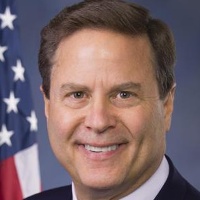
Donald Norcross
Representative
NJ
Donald Norcross
Representative
NJ
The Warehouse Worker Protection Act establishes new federal standards to increase transparency and fairness for warehouse workers at large companies by mandating disclosure of performance quotas and monitoring data. It guarantees mandatory paid rest breaks, strengthens protections against using quotas to suppress organizing efforts, and introduces new federal ergonomics and safety standards under OSHA. The bill creates a new Department of Labor office to enforce these provisions and invalidates mandatory pre-dispute arbitration for related claims.
The ETHICS Act mandates that Members of Congress and their families divest from or place specific stock holdings into qualified blind trusts, increases penalties for STOCK Act noncompliance, and requires publicly searchable online filing of financial disclosure forms.
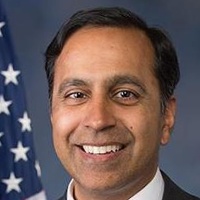
Raja Krishnamoorthi
Representative
IL
Raja Krishnamoorthi
Representative
IL
The Ending Trading and Holdings in Congressional Stocks (ETHICS) Act mandates that Members of Congress and their immediate families divest from or place specific stock holdings into qualified blind trusts to prevent conflicts of interest. The bill also establishes new civil penalties for failing to comply with existing stock trading disclosure laws (the STOCK Act). Furthermore, it requires that congressional financial disclosure forms be made publicly available online in a searchable, machine-readable format.
The PHDs First Act creates an exemption from numerical limitations for U.S. doctoral degree holders seeking permanent residency based on high-paying, degree-related employment, and allows current doctoral students to pursue green cards without jeopardizing their student visas.
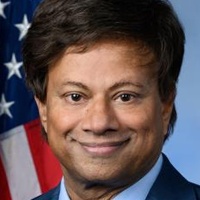
Shri Thanedar
Representative
MI
Shri Thanedar
Representative
MI
The PHDs First Act of 2025 creates a new pathway for individuals who have earned a doctoral degree in the U.S. to obtain permanent residency by exempting them from annual numerical green card limitations. To qualify, recipients must have a job offer in their field that pays above the local median wage. Furthermore, the bill ensures that current doctoral students are not barred from obtaining or extending their student visas based on their intent to seek permanent residency later.
This act mandates that the Veterans Health Administration expand its informed consent requirements to specifically cover the prescription of antipsychotics, stimulants, antidepressants, anxiolytics, and narcotics.
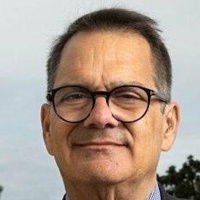
Gus Bilirakis
Representative
FL
Gus Bilirakis
Representative
FL
The Written Informed Consent Act mandates that the Veterans Health Administration (VHA) expand its informed consent directives to specifically cover several classes of medications, including antipsychotics, stimulants, antidepressants, anxiolytics, and narcotics. This ensures veterans receive a thorough understanding of these prescribed drugs. The Secretary of Veterans Affairs must update VHA Directive 1005 to reflect these expanded requirements.
The ENFORCE Act strengthens laws against child exploitation by clarifying the crime of producing child pornography involving interstate commerce and enhancing enforcement, including removing the statute of limitations, mandating sex offender registration, and strengthening pretrial detention for offenses involving obscene visual representations of child sexual abuse.
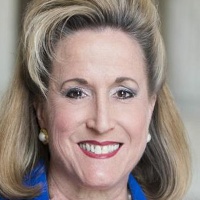
Ann Wagner
Representative
MO
Ann Wagner
Representative
MO
The ENFORCE Act strengthens federal laws against child exploitation by clarifying the crime of producing child pornography intended for interstate commerce. It also significantly enhances enforcement for crimes involving obscene visual representations of child sexual abuse. These enhancements include removing the statute of limitations for prosecution, mandating sex offender registration, and establishing a presumption of pretrial detention for those charged.
This bill establishes a standard methodology for measuring agricultural soil carbon, creates a national soil carbon inventory network, and develops predictive models to assess the environmental impact of land management practices.
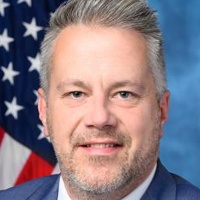
Eric Sorensen
Representative
IL
Eric Sorensen
Representative
IL
The Advancing Research on Agricultural Soil Health Act of 2025 aims to standardize how soil carbon is measured for research and conservation purposes. The bill establishes a national Soil Carbon Inventory and Analysis Network to track carbon stocks across U.S. lands every five years using the new standard methodology. Furthermore, it mandates the development of a predictive modeling tool to estimate the environmental impacts of various land management practices. This legislation supports producers by offering technical assistance for voluntary soil carbon reporting.
This resolution commends the Coast Guard Air Station Corpus Christi crew of CG-6553 and all responders for their heroic and courageous efforts during the catastrophic central Texas flooding.
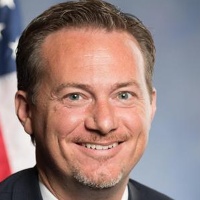
Michael Cloud
Representative
TX
Michael Cloud
Representative
TX
This resolution commends the heroic efforts and courageous response of the Coast Guard, specifically Air Station Corpus Christi and the crew of CG-6553, following catastrophic flooding in central Texas. It specifically honors the crew for successfully executing dangerous rescues amid severe weather and recognizes the broader Coast Guard deployment. Furthermore, the resolution extends gratitude to all federal, state, local responders, and volunteers who aided in the disaster relief efforts.
The College Transparency Act establishes a secure, centralized system for tracking student data across postsecondary institutions to increase transparency regarding costs, completion, and post-college outcomes.
Raja Krishnamoorthi
Representative
IL
Raja Krishnamoorthi
Representative
IL
The College Transparency Act establishes a secure, new national system for tracking student data from postsecondary institutions to improve transparency regarding enrollment, completion, costs, and post-college outcomes. This system will collect detailed, student-level data, securely matched with other federal records, to create public, aggregate reports for comparison. The law mandates strict privacy and security standards while aiming to reduce overall reporting burdens for colleges.
This Act establishes the "Local Farmers Feeding Our Communities" program to strengthen local food security by funding agreements that support local producers and distribute fresh food to communities.
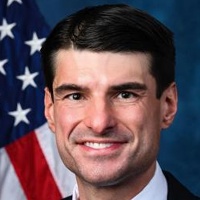
Robert Bresnahan
Representative
PA
Robert Bresnahan
Representative
PA
The Local Farmers Feeding our Communities Act establishes a new program to support local food producers and strengthen regional food security. This initiative requires the Secretary of Agriculture to fund agreements that ensure nutritious, locally sourced food is purchased and distributed widely, prioritizing small and beginning farmers. Funds must be used to buy minimally processed local products and provide technical assistance to producers. The program is backed by mandatory funding starting in Fiscal Year 2026.
This bill mandates the placement of a full-time, resident Nuclear Regulatory Commission inspector at permanently shut-down nuclear power plants to oversee decommissioning and spent fuel transfer activities.
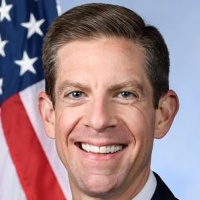
Mike Levin
Representative
CA
Mike Levin
Representative
CA
The INSPECT Act of 2025 mandates that the Nuclear Regulatory Commission (NRC) place a full-time, resident inspector at every permanently shut-down commercial nuclear power plant. This inspector will oversee the decommissioning process and the transfer of spent nuclear fuel into dry storage. The resident inspector remains on site until all spent fuel has been moved into secure dry canisters.
This bill establishes the National Biochar Research Network to study the environmental, agricultural, and economic impacts of biochar application across various U.S. conditions.
Mariannette Miller-Meeks
Representative
IA
Mariannette Miller-Meeks
Representative
IA
The Biochar Research Network Act of 2025 establishes a National Biochar Research Network, managed by the USDA, to study the real-world effectiveness of biochar across various soils and climates. This network will focus on quantifying carbon sequestration, improving crop production, and developing science-backed guidance for sustainable biochar use. The goal is to provide farmers and land managers with the data needed to boost profits while enhancing soil health and climate resilience.
The LEO K9 Protection Act increases penalties for harming law enforcement animals and mandates federal guidance and regulations for their emergency medical treatment and transportation.
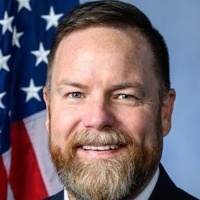
Aaron Bean
Representative
FL
Aaron Bean
Representative
FL
The LEO K9 Protection Act enhances penalties for intentionally harming law enforcement animals, especially when a weapon is used. It also mandates the development of federal guidance for emergency medical services (EMS) personnel on treating injured police dogs. Finally, the bill establishes regulations allowing EMS to transport and provide emergency care to injured police dogs when human patients are not in immediate need.
This Act eliminates age restrictions and simplifies premium requirements for adult children covered under the TRICARE Young Adult program.
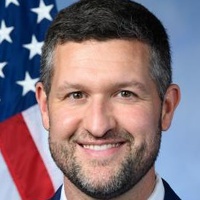
Patrick Ryan
Representative
NY
Patrick Ryan
Representative
NY
The Health Care Fairness for Military Families Act of 2025 significantly improves the TRICARE Young Adult (TYA) program for military dependents. This legislation eliminates the age restriction for TYA eligibility and removes the separate premium requirement for coverage. These changes aim to provide broader and simpler healthcare access for adult children of service members.
This Act mandates a comprehensive study by the Treasury Department and other agencies to assess and report on the risks posed by China's financial sector to the U.S. economy.
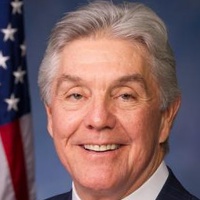
Roger Williams
Representative
TX
Roger Williams
Representative
TX
The China Financial Threat Mitigation Act of 2025 mandates a comprehensive study by the Treasury Department and other key agencies to assess U.S. exposure to risks within China's financial sector. This report must analyze potential global financial instability stemming from China and detail current U.S. mitigation efforts. Furthermore, the study will evaluate the trustworthiness of Chinese economic data and recommend further actions to protect American interests. The findings will be delivered to Congress and made publicly available within one year of enactment.
This bill establishes a grant program to foster collaborative PTSD research between the United States and Israel.
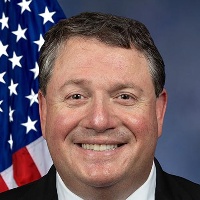
Randall Fine
Representative
FL
Randall Fine
Representative
FL
This bill establishes the United States-Israel PTSD Collaborative Research Act to foster scientific partnerships between the two nations. It creates a grant program, managed by the Secretary of Defense, to fund joint research projects between U.S. academic or non-profit entities and Israeli institutions specializing in PTSD treatment. The goal is to advance new and improved methods for diagnosing and treating post-traumatic stress disorder.
This Act prioritizes federal research and development funding for controlling the invasive Spotted Lanternfly and extends key agricultural research programs through 2030.
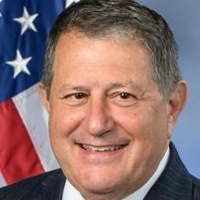
Joseph Morelle
Representative
NY
Joseph Morelle
Representative
NY
The Spotted Lanternfly Research and Development Act prioritizes federal funding for research and extension programs specifically aimed at controlling the invasive Spotted Lanternfly. This legislation ensures that developing effective tools and treatments against this pest becomes a high-priority initiative. Additionally, the Act extends the authorization for several existing high-priority agricultural research programs until 2030.