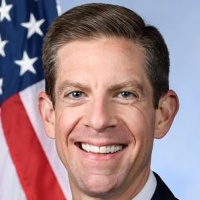
Legislative Activity
Track Mike's sponsored bills, co-sponsored legislation, and voting record
The STOCK Act 2.0 expands financial reporting requirements for government officials, bans certain conflicted investments including cryptocurrencies for high-ranking officials, applies ethics rules to Federal Reserve bank leaders, and mandates electronic, publicly searchable financial disclosure forms across the government.
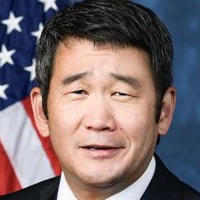
Dave Min
Representative
CA
Dave Min
Representative
CA
The STOCK Act 2.0 significantly enhances ethics and transparency rules for federal officials by requiring timely reporting of government payments received by covered persons and their families. It expands ethics oversight to include Federal Reserve bank leaders and bans high-ranking officials from holding or trading specific assets, including cryptocurrencies. Furthermore, the bill mandates that financial disclosure and transaction reports across Congress, the Executive Branch, and the Judiciary be made publicly available in searchable, accessible online databases.
This bill removes certain numerical caps on specific employment-based immigrant visas to better allocate green cards.
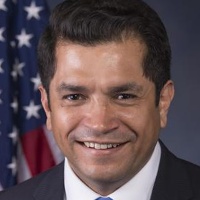
Jimmy Gomez
Representative
CA
Jimmy Gomez
Representative
CA
The Protect Vulnerable Immigrant Youth Act aims to reform employment-based immigration by eliminating certain numerical caps for specific visa categories. This legislation amends existing law to adjust how preference statuses are allocated for these immigrant visas. The overall goal is to streamline the process for certain employment-based immigrants.
The Safe Stay Act mandates the installation of compliant carbon monoxide alarms in all lodging units of public accommodations operating across state lines and requires businesses to notify guests of this compliance.
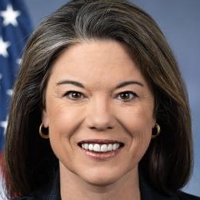
Angie Craig
Representative
MN
Angie Craig
Representative
MN
The Safe Stay Act mandates the installation of compliant carbon monoxide alarms in sleeping or living units within all places of public accommodation that operate across state lines. This legislation updates fire prevention guidelines by adopting the latest safety standards for alarm installation and requires these establishments to provide guests with written notice confirming compliance. The Federal Trade Commission is tasked with enforcing this new notification requirement, treating violations as unfair or deceptive business practices.
This act repeals certain provisions of the Protection of Lawful Commerce in Arms Act and allows federal gun trace information to be discoverable and admissible in civil proceedings.
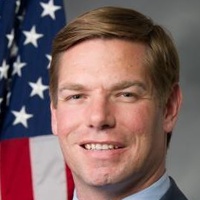
Eric Swalwell
Representative
CA
Eric Swalwell
Representative
CA
The Equal Access to Justice for Victims of Gun Violence Act of 2025 repeals key provisions of the Protection of Lawful Commerce in Arms Act. This legislation allows federal gun trace information to be discoverable and admissible as evidence in civil lawsuits and administrative hearings. The bill aims to provide victims of gun violence with greater access to relevant data in legal proceedings.
This resolution prohibits members of the House of Representatives from serving on the boards of for-profit entities.
Angie Craig
Representative
MN
Angie Craig
Representative
MN
The Restoring Integrity in Democracy Resolution prohibits current Members of the House of Representatives, Delegates, and the Resident Commissioner from serving on the board of directors for any for-profit entity. This measure aims to enhance ethical standards by preventing conflicts of interest arising from outside corporate board service while in Congress.
This bill mandates that certain high-level executive branch officials must recuse themselves from decisions that could financially benefit any organization they worked for or competed against within the four years prior to their government service.
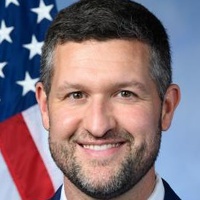
Patrick Ryan
Representative
NY
Patrick Ryan
Representative
NY
The Stop Millionaires Using Service for Kickbacks (Stop MUSK) Act aims to prevent conflicts of interest among high-level executive branch officials. It mandates that these officials must recuse themselves from decisions that could financially benefit organizations where they were employed or worked as a competitor within the four years prior to taking their current government role. This expands the look-back period to ensure greater impartiality in government decision-making.
This resolution urgently calls for the immediate delivery of humanitarian aid to address the severe hunger crisis in Gaza and demands the administration use all diplomatic means to secure hostage release and end the fighting.

Pramila Jayapal
Representative
WA
Pramila Jayapal
Representative
WA
This resolution formally expresses the House of Representatives' grave concern over the severe humanitarian crisis and widespread suffering of civilians in Gaza, alongside the plight of hostages. It urgently calls on the Administration to use all diplomatic tools to secure the release of all hostages. Furthermore, the bill demands the immediate delivery and secure distribution of essential humanitarian aid to address the catastrophic hunger crisis in Gaza.
This Act formally establishes the science-based Advisory Committee on Immunization Practices (ACIP) and mandates that changes to the National Vaccine Injury Compensation Program's injury table must be supported by a preponderance of the best available scientific evidence.
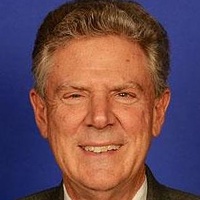
Frank Pallone
Representative
NJ
Frank Pallone
Representative
NJ
The Family Vaccine Protection Act formally establishes the Advisory Committee on Immunization Practices (ACIP) into law, requiring all its vaccine recommendations to be based on the preponderance of the best available, peer-reviewed scientific evidence. This legislation mandates strict procedures for the CDC Director to adopt or reject ACIP advice, including notifying Congress if a recommendation is rejected. Furthermore, the Act requires that any changes to the National Vaccine Injury Compensation Program's injury table must also be supported by strong scientific evidence.
This act prohibits individuals convicted of specific financial and corruption-related crimes as a CEO from serving in the executive branch of the government.
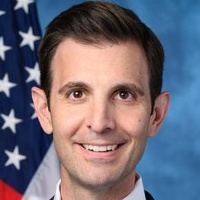
Chris Deluzio
Representative
PA
Chris Deluzio
Representative
PA
The No Corporate Crooks Act prohibits individuals convicted of specific financial and white-collar crimes (such as fraud, embezzlement, and tax evasion) while serving as a CEO from being appointed to positions within the executive branch. This legislation aims to prevent corporate executives convicted of serious offenses from holding government roles. Any individual found in violation of this restriction must be immediately removed from their executive branch service.
This bill establishes an FBI Animal Cruelty Crimes Taskforce to investigate federal animal cruelty laws, train local law enforcement, and report annually to Congress on enforcement efforts.
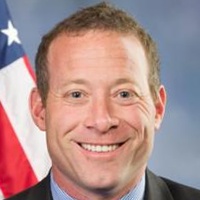
Josh Gottheimer
Representative
NJ
Josh Gottheimer
Representative
NJ
The FBI Animal Cruelty Taskforce Act of 2025 establishes a dedicated Animal Cruelty Crimes Taskforce within the FBI to investigate and enforce federal laws against severe animal cruelty, such as dogfighting and crush videos. This Taskforce is also responsible for developing training materials for local law enforcement. Furthermore, it must coordinate with other federal agencies and submit annual reports to Congress detailing enforcement statistics, including charges filed and convictions secured.
This Act mandates that colleges and universities must print or post essential suicide prevention contact information, including the 988 Lifeline, on student IDs or websites.
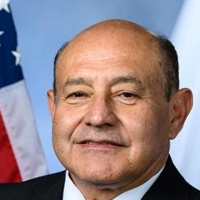
J. Correa
Representative
CA
J. Correa
Representative
CA
The Improving Mental Health Access for Students Act mandates that colleges and universities must prominently display essential mental health and suicide prevention contact information on student ID cards or official websites. This includes the 988 Suicide and Crisis Lifeline, the Crisis Text Line, and the campus mental health center. These requirements take effect one year after the Act is signed into law.
The VET PFAS Act expands VA healthcare and disability benefits for veterans and their families exposed to toxic PFAS chemicals at military installations by establishing presumptions of service connection for related illnesses.
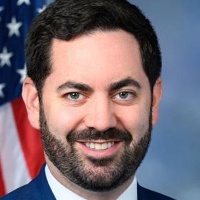
Michael Lawler
Representative
NY
Michael Lawler
Representative
NY
The VET PFAS Act expands healthcare and disability benefits for veterans and their families exposed to toxic PFAS chemicals, like PFOA, at contaminated military installations. It establishes a presumption of service connection for specific related illnesses, making it easier for veterans to receive disability compensation. Furthermore, the bill grants eligible family members access to VA medical care, contingent upon future appropriations. The VA is also required to report annually on the implementation and utilization of these new provisions for three years.
This Act mandates the National Park Service to establish a program to reduce and eliminate the sale and distribution of disposable plastic products, like single-use water bottles and utensils, across all national park units.

Mike Quigley
Representative
IL
Mike Quigley
Representative
IL
The Reducing Waste in National Parks Act mandates the National Park Service (NPS) to establish a program to significantly reduce or eliminate the sale and distribution of disposable plastic products, including single-use water bottles, across all park units. Regional directors must implement these changes while considering operational costs, visitor safety regarding water access, and vendor contracts. The law also requires proactive visitor education and biennial reviews to assess the program's effectiveness and public impact.
The Protect our Parks Act of 2025 mandates the immediate full staffing of the National Park Service, the rehiring of recently terminated employees, and the continuation of all authorized park improvement projects.
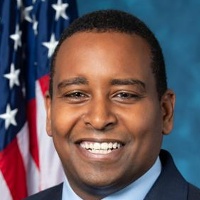
Joe Neguse
Representative
CO
Joe Neguse
Representative
CO
The Protect our Parks Act of 2025 mandates the Secretary of the Interior to immediately ensure the National Park Service is fully staffed to protect resources and enhance visitor safety. This legislation requires filling all maintenance positions and reinstating any NPS employees terminated since January 20, 2025. Furthermore, the Act ensures the continuation of all previously authorized and funded National Park Service projects.
This Act restricts the use of federal funds for a U.S. nuclear first strike unless the President deems it necessary and Congress is notified seven days prior, except in cases of declared war, prior nuclear attack, or launch-on-warning scenarios.
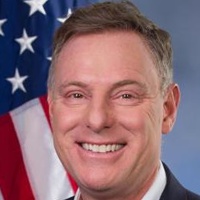
Scott Peters
Representative
CA
Scott Peters
Representative
CA
The Nuclear First-Strike Security Act of 2025 places strict limitations on the use of federal funds to initiate a nuclear attack. Under this Act, a first-use nuclear strike requires a presidential determination that it is in the U.S. best interest, followed by a mandatory seven-day notification to top Congressional leaders. This notification requirement is waived only in cases of a formal declaration of war, a prior nuclear attack on the U.S. or an ally, or during a confirmed launch-on-warning scenario.
The Save Our Forests Act of 2025 mandates increased staffing and reinstatement of former employees within the Forest Service while ensuring the continuation of all authorized Forest Service projects.
Joe Neguse
Representative
CO
Joe Neguse
Representative
CO
The Save Our Forests Act of 2025 aims to strengthen the management and health of the National Forest System. This legislation mandates the immediate hiring of additional Forest Service personnel and the reinstatement of recently departed employees. Furthermore, it ensures the continuation of all previously authorized and funded Forest Service projects under various existing laws.
This bill prohibits high-ranking government officials and their families from trading, profiting from, or controlling digital assets while in office to prevent conflicts of interest.

Maxine Waters
Representative
CA
Maxine Waters
Representative
CA
The Stop TRUMP in Crypto Act of 2025 prohibits covered government officials and their immediate families from trading, owning, or profiting from digital assets while in office. This legislation specifically bans insider trading of crypto and prevents officials from using intermediaries or complex ownership structures to bypass these restrictions. The Act aims to eliminate conflicts of interest by ensuring high-ranking officials cannot benefit financially from involvement with cryptocurrencies.
This act establishes fixed, non-renewable 18-year terms for future Supreme Court Justices and outlines a staggered appointment schedule, while also creating a temporary mechanism for filling vacancies below the nine-justice quorum.
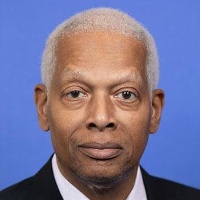
Henry Johnson
Representative
GA
Henry Johnson
Representative
GA
The Supreme Court Tenure Establishment and Retirement Modernization Act of 2025 establishes fixed, non-renewable 18-year terms for all future Supreme Court Justices, with appointments staggered every two years. This legislation also outlines a process for phasing out current Justices upon the confirmation of new appointees. Finally, it grants the Chief Justice the authority to temporarily fill sudden vacancies below the standard nine-justice level using a randomly selected retired Justice.
This Act establishes mandatory ethics codes, recusal standards, and enhanced financial disclosure requirements for Supreme Court Justices and federal judges.
Henry Johnson
Representative
GA
Henry Johnson
Representative
GA
The Supreme Court Ethics, Recusal, and Transparency Act of 2025 establishes a mandatory, public code of conduct and a formal complaint process for Supreme Court Justices, modeled after procedures for lower federal judges. The bill also institutes stricter disclosure requirements for gifts and financial ties, and mandates judicial disqualification in cases involving recent lobbying contact or significant financial relationships with involved parties. Furthermore, it creates new review panels for disqualification motions and requires parties and *amici* to disclose financial supporters connected to the case.
This Act establishes anti-retaliation protections for employees who report security vulnerabilities or violations related to artificial intelligence systems to government officials, Congress, or internally.
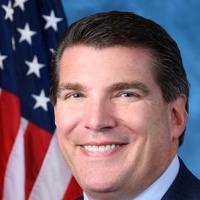
Jay Obernolte
Representative
CA
Jay Obernolte
Representative
CA
The AI Whistleblower Protection Act establishes clear definitions for AI-related security vulnerabilities and violations within the technology sector. This bill creates robust anti-retaliation protections for employees who report concerns about these issues to government officials, Congress, or internally. Individuals who face punishment for whistleblowing can file complaints with the Secretary of Labor or sue in federal court, with significant remedies available upon winning their case. Crucially, these protections cannot be waived by any employment contract or agreement.