Legislative Activity
Track Kimberlyn's sponsored bills, co-sponsored legislation, and voting record
The Kayleigh’s Law Act of 2026 mandates lifetime no-contact injunctions for defendants convicted of federal violent or sexual crimes to ensure the ongoing protection of victims.
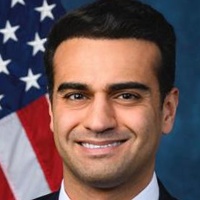
Abraham Hamadeh
Representative
AZ
Abraham Hamadeh
Representative
AZ
The Kayleigh’s Law Act of 2026 mandates that federal courts issue lifetime no-contact orders for defendants convicted of specific violent or sexual offenses. These permanent protections ensure victims are shielded from further harassment without incurring any legal fees. The legislation provides a clear framework for these orders to remain in effect unless a conviction is overturned or specific legal conditions for termination are met.
This resolution reaffirms the United States' commitment to a strong, enduring partnership with the Pacific Islands Forum to promote regional stability, economic prosperity, and disaster resilience.
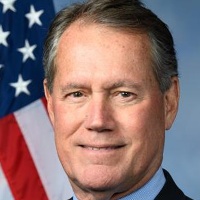
Ed Case
Representative
HI
Ed Case
Representative
HI
This resolution reaffirms the United States' commitment to its enduring partnership with the Pacific Islands Forum (PIF) to promote regional stability, security, and prosperity. It recognizes the PIF as the premier organization for Pacific cooperation and pledges continued U.S. support for Pacific-led initiatives, including disaster resilience, economic development, and maritime security. The bill further encourages ongoing high-level diplomatic engagement to advance a shared vision for a peaceful and resilient Blue Pacific.
The Radiation Exposure Compensation Reauthorization Act of 2026 expands eligibility, increases compensation, and extends the deadline for claims related to radiation exposure from atmospheric nuclear testing and Manhattan Project waste.
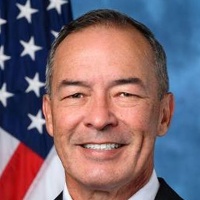
James (Jim) Moylan
Representative
GU
James (Jim) Moylan
Representative
GU
The Radiation Exposure Compensation Reauthorization Act of 2026 expands and extends the federal program that provides compensation and medical benefits to individuals harmed by radiation exposure from atmospheric nuclear testing and Manhattan Project waste. This legislation broadens eligibility criteria, increases compensation amounts, and establishes a new process for designating additional classes of eligible individuals. Furthermore, it extends the program’s authorization through 2043 and mandates new health studies and expanded screening services for affected populations and their descendants.
This bill designates the United States Postal Service facility located at 15642 Sand Canyon Avenue in Irvine, California, as the "Mary Kageyama Nomura Post Office Building."
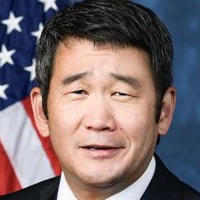
Dave Min
Representative
CA
Dave Min
Representative
CA
This bill designates the United States Postal Service facility located at 15642 Sand Canyon Avenue in Irvine, California, as the "Mary Kageyama Nomura Post Office Building."
This resolution celebrates 55 years of diplomatic relations between the United States and Fiji while reaffirming a commitment to strengthening their partnership across security, economic, and cultural sectors.
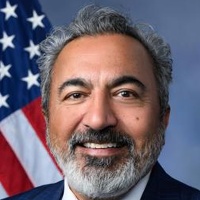
Ami Bera
Representative
CA
Ami Bera
Representative
CA
This resolution celebrates 55 years of diplomatic relations between the United States and the Republic of Fiji, highlighting their enduring partnership in security, economic development, and regional stability. It reaffirms the commitment of the House of Representatives to strengthening this alliance and supporting Fiji’s continued role as a democratic leader in the Indo-Pacific.
This bill authorizes a seven-year grant program for the National Law Enforcement Officers Memorial Fund to support the National Law Enforcement Museum’s educational, community outreach, and officer wellness initiatives.
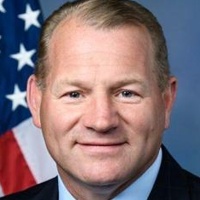
Troy Nehls
Representative
TX
Troy Nehls
Representative
TX
The National Law Enforcement Officers Remembrance, Support, and Community Outreach Act authorizes $6 million in annual grants over seven years to the National Law Enforcement Officers Memorial Fund. These funds will support the National Law Enforcement Museum’s public education, community outreach, and officer safety and wellness programs. As a condition of the grant, the museum must provide free admission to law enforcement officers and their families, as well as dedicated free hours for the general public.
This bill amends House ethics rules to prohibit Members of Congress from engaging in sexual relationships with their employees, subject to specific exemptions and oversight by the Ethics Committee.
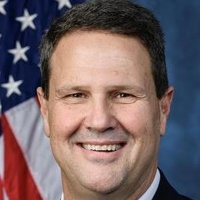
Jeff Crank
Representative
CO
Jeff Crank
Representative
CO
This bill amends House ethics rules to prohibit Members, Delegates, and the Resident Commissioner from engaging in sexual relationships with House employees. It provides narrow exceptions for married couples and specific non-supervisory roles, subject to a formal, confidential review process by the Ethics Committee. The legislation mandates that the Committee establish clear procedures to prevent conflicts of interest and protect the integrity of the House.
This bill clarifies that a franchisor is only considered a joint employer of a franchisee's workers if it exercises substantial, direct, and immediate control over essential terms of employment.
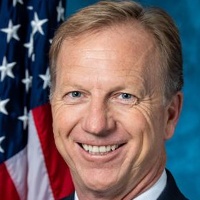
Kevin Hern
Representative
OK
Kevin Hern
Representative
OK
The American Franchise Act aims to protect the traditional franchise business model by clarifying the definition of a "joint employer." This legislation establishes that a franchisor is only considered a joint employer if it exercises "substantial direct and immediate control" over the essential terms of employment for a franchisee's workers. This change specifically targets liability risks associated with maintaining brand standards, ensuring franchisors are not automatically held responsible for local labor practices. The new standard applies prospectively to future legal proceedings.
This bill authorizes a single Congressional Gold Medal to honor the individuals who defended Bataan, Corregidor, and other Pacific locations during World War II.
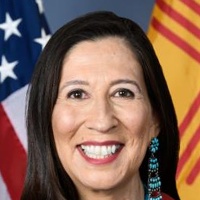
Teresa Leger Fernandez
Representative
NM
Teresa Leger Fernandez
Representative
NM
This bill authorizes the award of a single Congressional Gold Medal to recognize the collective heroism of the individuals who defended Bataan, Corregidor, and other locations in the Pacific theater during World War II. The medal honors the extraordinary sacrifice of U.S. service members and Filipino forces who fought and endured imprisonment by Imperial Japan. Following the presentation, the medal will be permanently displayed at the Smithsonian's National Museum of American History. The legislation also allows for the production and sale of bronze duplicate medals.
This bill renames and revises the Great American Outdoors Act's maintenance fund, increases dedicated funding through new, higher fees for foreign visitors, and sets spending priorities for deferred maintenance across public lands agencies.
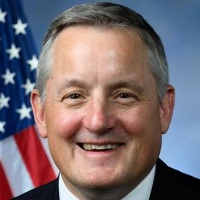
Bruce Westerman
Representative
AR
Bruce Westerman
Representative
AR
This bill, the Great American Outdoors Act 250, significantly reforms and renames the existing public lands restoration fund to the America’s Legacy Restoration Fund. It secures dedicated funding streams, primarily from energy revenues and new fees on foreign visitors, to address critical deferred maintenance across the National Park Service, Forest Service, and other public land agencies. The legislation establishes strict spending priorities for infrastructure repair while also creating pilot programs for enhancing outdoor recreation and sportsmen's access. Finally, it mandates increased transparency and accountability through standardized metrics and public reporting on all funded projects.
This Act enhances accountability and transparency for Small Business Administration (SBA) disaster loans through expanded reporting requirements, detailed budget submissions, low-funding notifications, and independent GAO reviews.
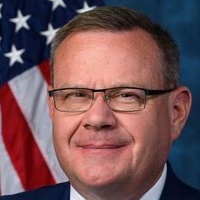
Tim Moore
Representative
NC
Tim Moore
Representative
NC
The Disaster Loan Accountability and Reform Act (DLARA) aims to increase transparency and oversight of Small Business Administration (SBA) disaster loan programs. It mandates expanded monthly reporting on loan funding levels, requires detailed breakdowns in future Presidential budget requests, and imposes new notification requirements when disaster loan funds become critically low. Additionally, the bill directs the GAO to report on loan disbursement rates and the financial impact of recent program changes.
The **Take Care of America’s Veterans Act** comprehensively reforms veteran benefits, healthcare access, education opportunities, and VA organizational structure to improve services and increase accountability across the board.
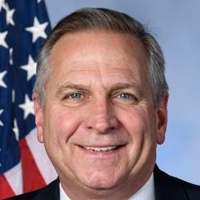
Mike Bost
Representative
IL
Mike Bost
Representative
IL
The **Take Care of America’s Veterans Act** is a comprehensive bill designed to strengthen benefits and modernize services across compensation, education, health care, and VA operations. It eliminates benefit offsets for disabled retirees, expands educational flexibility, sets new standards for timely health care access, and invests in VA technology and infrastructure. Overall, the legislation aims to provide faster, fairer, and more comprehensive support for veterans and their families.
This bill, the TSP Modernization Act, mandates the electronic transfer of Thrift Savings Fund account balances to qualified retirement plans one year after enactment.
Mike Bost
Representative
IL
Mike Bost
Representative
IL
The TSP Modernization Act facilitates the electronic transfer of funds from Thrift Savings Plan (TSP) accounts to qualified retirement plans. This change will take effect one year after the bill is enacted, allowing participants to move their savings more efficiently. The Federal Retirement Thrift Investment Board is responsible for implementing this new electronic transfer process.
This Act formalizes the commitment to strengthen trilateral cooperation between the US, Japan, and South Korea and establishes a formal Inter-Parliamentary Dialogue to deepen engagement.
Ami Bera
Representative
CA
Ami Bera
Representative
CA
This Act formalizes and strengthens the trilateral partnership between the United States, Japan, and the Republic of Korea to promote a free and open Indo-Pacific. It expresses Congressional support for continuing the strategic alignment established at the Camp David summit. Crucially, it mandates the establishment of a formal US-Japan-ROK Inter-Parliamentary Dialogue to deepen legislative engagement between the three nations.
This resolution honors the 80th anniversary of U.S.-Philippine relations, recognizes the vital contributions of Filipino Americans, and reaffirms the enduring friendship and mutual defense commitment between the two nations.
James (Jim) Moylan
Representative
GU
James (Jim) Moylan
Representative
GU
This resolution commemorates the 80th anniversary of U.S.-Philippine relations, recognizing the enduring partnership and the vital contributions of Filipino Americans to the United States. It reaffirms the mutual defense commitment between the two nations and honors the service of Filipino and Filipino-American service members. The bill encourages Americans to celebrate this historic relationship through appropriate programs and activities.
The Sharri Briley and Eric Edmundson Veterans Benefits Expansion Act of 2026 increases disability compensation, enhances Dependency and Indemnity Compensation adjustments, extends certain VA home loan fee structures, and broadens VA home loan eligibility for National Guard and Reserve members.
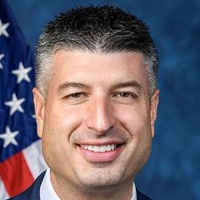
Tom Barrett
Representative
MI
Tom Barrett
Representative
MI
The Sharri Briley and Eric Edmundson Veterans Benefits Expansion Act of 2026 significantly enhances benefits for veterans and service members. It increases disability compensation with a new monthly allowance for certain veterans and ties future Dependency and Indemnity Compensation (DIC) adjustments to Social Security cost-of-living increases plus an extra percentage. The bill also expands VA home loan eligibility to include National Guard and Reserve members with at least 14 days of qualifying service, though these borrowers will pay a higher loan fee. Finally, it extends the current VA home loan fee structure and modifies definitions of active duty for Guard and Reserve components.
This bill establishes the Smithsonian American Women's History Museum, designates its site on the National Mall, and sets requirements for its mission, construction, and diverse representation of viewpoints.
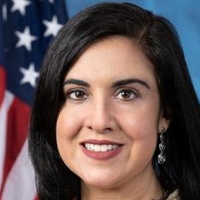
Nicole Malliotakis
Representative
NY
Nicole Malliotakis
Representative
NY
This act officially establishes the Smithsonian American Women’s History Museum and designates its location on the National Mall, requiring the transfer of land jurisdiction to the Smithsonian Institution. The museum is mandated to preserve and present the history and achievements of biological women in the United States. Furthermore, the legislation requires that exhibits and programs reflect diverse political viewpoints and authentic experiences of women, as guided by a broad array of knowledgeable sources.
This resolution commemorates the 70th anniversary of the Institute of Pacific Islands Forestry and recognizes its vital scientific contributions to the Pacific region's natural resources.
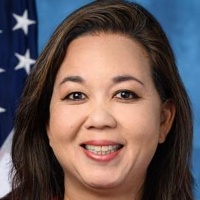
Jill Tokuda
Representative
HI
Jill Tokuda
Representative
HI
This resolution commemorates the 70th anniversary of the United States Forest Service Institute of Pacific Islands Forestry (IPIF). It recognizes the IPIF for its vital scientific research, technical assistance, and contributions to natural resource management across Hawaii and the Pacific islands. The House reaffirms its strong support for the Institute's critical ongoing operations.
This act revises the leverage limits and calculation methods for Small Business Investment Companies (SBICs) while expanding exclusions for investments in targeted small businesses.
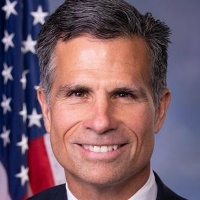
Daniel Meuser
Representative
PA
Daniel Meuser
Representative
PA
The Investing in All of America Act of 2025 revises the rules governing Small Business Investment Companies (SBICs) by updating how they calculate their maximum allowable government leverage. This bill lowers the overall leverage limits for SBICs while creating new exclusions for investments made in small businesses located in low-income or rural areas, or those operating in covered technology sectors. These changes aim to incentivize targeted investment by allowing certain qualifying loans to be excluded from the leverage calculation.
The BEACON Act of 2026 establishes Department of Veterans Affairs grant programs to fund research and trials for new, supplemental neurorehabilitation treatments for veterans suffering from chronic mild traumatic brain injury (mTBI).
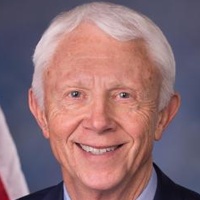
Jack Bergman
Representative
MI
Jack Bergman
Representative
MI
The BEACON Act of 2026 establishes two new Department of Veterans Affairs grant programs to significantly advance the treatment of veterans suffering from chronic mild traumatic brain injury (mTBI). These programs will fund research, clinical trials, and the testing of new, non-drug neurorehabilitation approaches focused on improving mental health outcomes. The legislation aims to foster partnerships and independent third-party studies to identify and implement best practices for mTBI care outside of traditional VA pathways.