This act allows licensed healthcare professionals to provide services across state lines when working under a federal contract during a declared emergency.
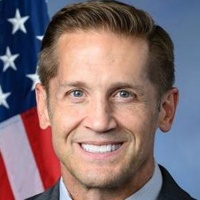
Rich McCormick
Representative
GA-7
The Medical Professional Access Act creates a new federal law allowing licensed health care professionals to provide services across state lines when working under a federal contract during a declared emergency. This portability applies regardless of individual state licensure requirements when responding to presidential or HHS-declared emergencies. The goal is to streamline the deployment of medical personnel during national crises.
Federal Contracted Doctors Could Bypass State Licensing During Declared Emergencies Under New Act
The new Medical Professional Access Act creates a fast lane for healthcare providers working under a federal contract during emergencies. Essentially, Section 2 establishes that if a healthcare professional is licensed somewhere and is working for the federal government (or a subcontractor) in response to a declared emergency, they can practice in any state or territory without needing to get a local license. This override of state law is immediate and applies as long as they are acting within the scope of their federal duties.
The Emergency Bypass: Who Gets to Skip the Line?
This isn't a permanent change; it’s strictly for crisis mode. The bill defines a “federally declared emergency” broadly. It includes the usual suspects, like Presidential disaster declarations (Stafford Act) or public health emergencies declared by the Secretary of Health and Human Services (HHS). However, there's a third, much wider category: any national crisis requiring a federal response that is certified and published in the Federal Register by the head of any Executive Department. That last part is interesting—it means the Secretary of Energy or the Secretary of Commerce could potentially trigger this practice portability, not just the usual health or disaster agencies.
Why This Matters for Everyday Life
Think of it this way: when a major hurricane hits or a pandemic spikes, the federal government needs to deploy medical teams fast. Right now, those teams often hit bureaucratic roadblocks because a doctor licensed in Texas can’t automatically practice in Florida. This bill removes that friction, which is a clear win for rapid response. For people on the ground in a disaster zone, this means potentially faster access to contracted medical personnel, which is the bill's main, undeniable benefit.
The Trade-Off: Local Control vs. Speed
But there’s a flip side. State licensing boards exist for a reason: they set the standards and scope of practice for professionals in that state, acting as a key consumer protection layer. This bill, by stating that portability applies “regardless of any state laws about professional licensure,” effectively sets aside those state standards during the emergency period. For example, a nurse practitioner from State A might have a much broader scope of practice than the rules allow in State B, yet under a federal contract, they could operate under State A’s rules in State B. This raises questions about accountability and quality control. Who ensures the out-of-state professional is meeting the standard of care expected by local patients if the state board's authority is temporarily sidelined?
The Fine Print: Who’s Covered?
Crucially, this portability only applies to healthcare professionals who are working under a federal contract or subcontract. If you're a local doctor or a volunteer responding to the crisis without a federal contract, you still have to abide by the state’s licensing rules. This distinction means the bill prioritizes the operational needs of federal agencies and their contractors over a blanket liberalization of licensing during an emergency. The benefit goes to the federal response infrastructure, not necessarily to all medical professionals seeking to help.